Last week's 'War on Waste' - throwaway coffee cups were the deserving target - was an exemplar of effective single-issue campaigning by Hugh Fearnley Whittingstall. But the answers to our waste problems go way beyond recycling. We must begin to plan a societal transition to a post-consumer culture of caring, sharing, and knowing when we have enough.
Instead of leaching the world's resources to support out-of-control consumerism, EU leaders could do worse than ponder novelist Victor Hugo's claim that whilst "you can kill people, you can't kill an idea whose time has come", writes NICK MEYNEN
Slavery is a terrible thing for the world's estimated 36 million slaves, writes Kevin Bales. But it's also an environmental disaster. Many slaves are forced to work in destructive activities like clearing forests for mines, farms and plantations - making slave labour the world's third biggest 'country' in terms of CO2 emissions. It really is time to end slavery!
Where does the Green Party go now? Last week's uninspiring election results show that Jeremy Corbyn's Labour poses a serious challenge to us Greens, who can no longer succeed by being merely left wing. We must fulfil our own destiny, representing a distinct, authentic ecological strand in politics, making the case for living as if we only had one planet - as is in fact the case.
Little Vermont is having a big impact on GMO food labeling across the US, writes Lawrence Woodward. And with 'regulatory cooperation' under TTIP that influence could reach into the EU. Trouble is, Vermont's labeling law contains major exemptions - on meat products, take-aways and restaurant food, as well as products from animals fed GM feeds. The US, and the EU, deserve better.
How to dissent peacefully from the corruption, waste and destruction of the world? By a mindful disengagement from evil, writes Julian Rose: from fossil fuel energy to propagandist media, from sweatshop clothing to the predatory financial system. Some of the steps we can take are easy, others very difficult - but what ultimately matters is the direction of travel.
Labels on meat, egg and dairy products are often the only clue we have into the lives of the animals they came from, writes Philip Lymbery. But they are often confusing or even misleading about the truth of cruel farming practices. Labelling needs to be clearer to allow ethical consumers to make the right choices.
Erdogan's horrific 'war on terror' in the Kurdish cities of Eastern Turkey may have a silver lining, writes Defne Kadıoğlu Polat - at least for property developers and ruling party insiders. Plans are already under way for 'urban renewal' projects that will see the valuable real estate cleansed of buildings and people by the war developed into luxury apartments and shopping malls.
EDF's unfolding fiasco over the Hinkley C nuclear power station proves that nuclear power can come only at enormous financial cost to consumers and taxpayers, writes Caroline Lucas - and even then, investors are scared off by the risks. The government must get over its nuclear obsession and seize our renewable future.
Meat is responsible for about 30% of all 'wasted calories', writes Mike Berners-Lee, so with food causing a third of all greenhouse emissions, eating less meat is one of the most effective things we can do to reduce our climate impact. But no less important is to switch from high to low-impact meats - and to do all we can to cut food waste in our kitchens.
Over in Davos world leaders are desperately trying to find a 'fourth industrial revolution' to keep the 'growth' juggernaut rolling, write Bennet Francis & Rupert Read. But their efforts are doomed: the real challenge we face is to build a healthy, more equal society and a green, sustainable future for us all.
No matter how concerned we are about the quality of food we and our families eat, we can be sure governments are putting corporate profit first, writes Sally Beare. But we - Mums in particular - still have our power as consumers to push supermarkets and other retailers into going GM-free and keeping toxic agrochemicals out of the food chain. Let's use it!
A third of all food that's produced in the world is thrown away. What's going on? Diana Moreno finds some answers in her own experience working in a German supermarket. Leading the list is the mind-numbing 'culture of rush' that permeates high-volume, low margin retailing, and which subjects workers and customers alike to the soul-less logic of the production line.
The greatest myth of the consumer society is that modern lifestyles are 'normal' - and this can continue forever because we're clever little apes who can solve any problem, writes Paul Mobbs. That hubris, in the face of insurmountable ecological limits, will be our collective downfall.
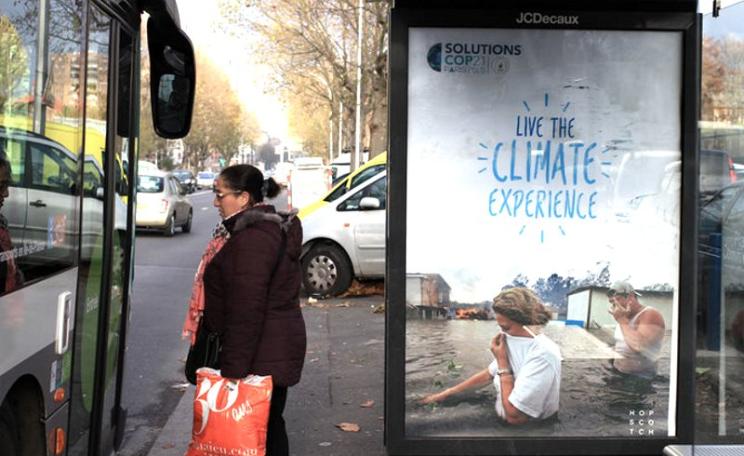
Civil society may have been kept out of the COP21 conference centre, even forbidden to march on the streets, writes Thomas Dekeyser. But climate activists have found an new means of expression: the 'Brandalism' of 600 advertisements in bus shelters across Paris, replacing corporate brand-building with subversive messages on climate and consumerism.
Black Friday is yet another manifestation of a consumer culture that is both empty and destructive, writes Vicki Hird. So instead let's join in creative celebrations of Buy Nothing Day ('no purchase necessary'), and develop a new life-enhancing ethic of joyful frugality.
At an £11 billion cost to energy users, and against all expert advice, writes Mel Kelly, the government is forcing the rollout of 'smart meters' repeatedly exposed as expensive, poorly tested and potential threats to our health and privacy. This madness must stop.
We have a problem, writes Samuel Alexander. Even the most eco-friendly rich world lifestyles are overconsuming resources and over-dumping wastes. To put us on track to 'single planet living' will mean far deeper changes than any yet envisaged, including deliberate 'degrowth'' and the abandonment of consumer culture.
Milk farmers in the badger cull zones hardly depend on Caffè Nero's custom, writes Dominic Dyer. So why are the pro-cull lobby so hot under the collar with the coffee chain's refusal to buy their produce? Because it could force the entire food chain to take responsibility for how milk is produced - and a very good thing too!
While we face 'hard choices' about which species and ecosystems to conserve, it's odd how we face no such quandaries over which of our frivolous luxuries to refrain from, or what murderous weapons system not to build, writes Derrick Jensen. And of course, there's no question at all of tackling the root causes of global ecocide.
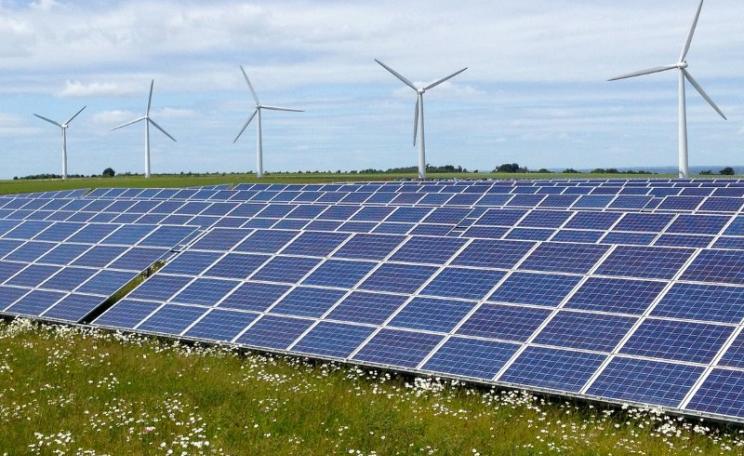
Boading, dubbed China's 'greenest city', is the world's biggest maker of solar panels and wind turbines, write Caleb Goods & Carla Lipsig-Mumme. But it's also has the country's worst pollution. Green energy, electric cars and the batteries that power them are great, but with the heavy toxic footprint they carry from mine to factory, we must not delude ourselves that they are 'sustainable'.
China's growing 'bling' culture has taken off big time, writes Thembi Mutch - yet it is widely reviled among ordinary people who in the face of China's industrial boom hold resolutely to traditional values of economy and frugality, quietly yearning for the old days of clean air and safe, wholesome food to fill their stomachs.
Easter is a time when - chocolate munching aside - it's still possible to take a step back from consumer-capitalism, writes Frederick Trainer, and pause to think where it's getting us. The sad fact is that so long as society is driven by consumerism, our society can never be ecologically sustainable or just.
Two decades ago the world's first GM foods went on sale, writes Pat Thomas. The consumer flirtation with GMOs soon died away, yet the biotech industry has grown into a global behemoth, driving agricultural intensification and sending agro-chemical sales through the roof. It's time for us to take a stand once again and insist: there are better, healthier ways of growing food.