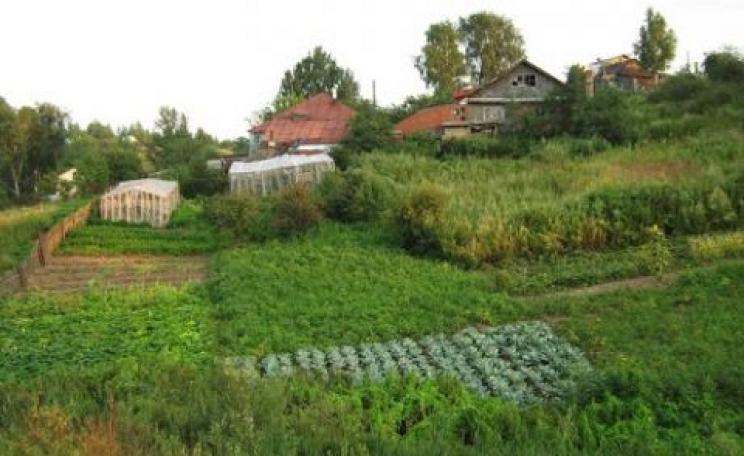
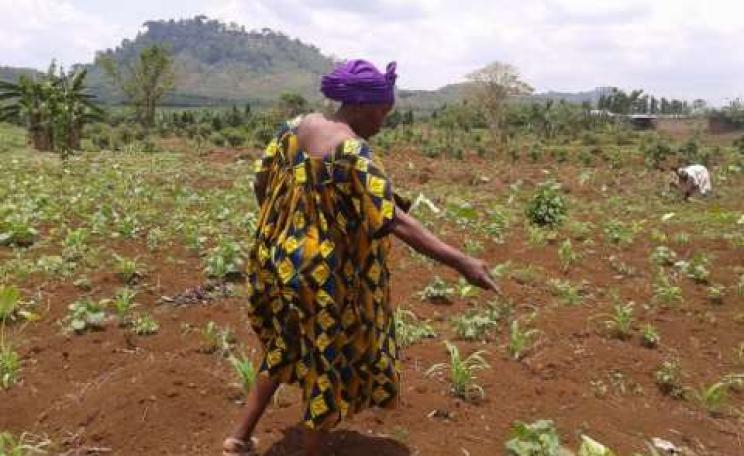
All over the world, small farmers are being forced off their land to make way for corporate agriculture, writes GRAIN - and it's justified by the need to 'feed the world'. But it's the small farmers that are the most productive, and the more their land is grabbed, the more global hunger increases. We must give them their land back!
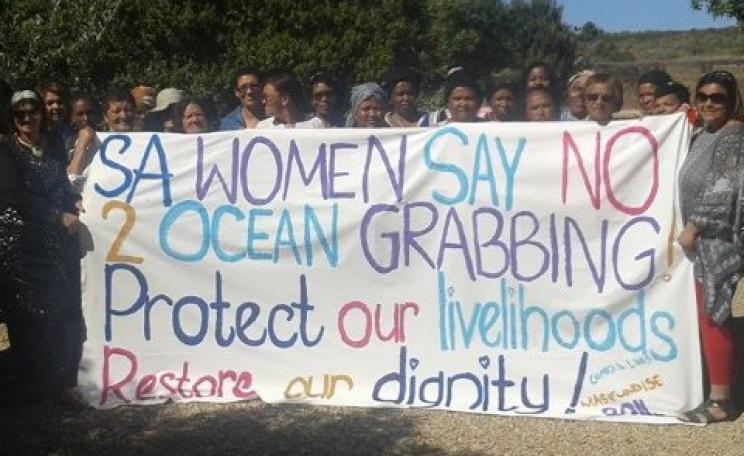
Today on World Fisheries Day, fisher peoples and their allies are taking to the streets and beaches to fight against ocean grabbing in all its forms - including Marine Protected Areas imposed without consultation that rob and criminalise local communities and benefit only privileged outsiders.
Mads Gilbert, a renowned 67-year old doctor and human rights activist who has saved innumerable lives in Gaza by working right through Israel's two most recent military attacks, has been banned by Israel from entering the territory for life. His 'crime'? Apart from healing the shattered bodies of Palestinians, he has dared to speak out about the horrors he witnessed.
The words 'Crusaders' and 'Zionists' are appearing ever more often as twins, writes Uri Avnery - and there are astonishing historical resonances between the two. If Israel wants to avoid the fate of the medieval Crusaders, it had better start accentuating the differences, and become a true Middle Eastern state, rooted in the region's native soil and culture.
Native Hawaiians and others are gathering today for a peaceful protest at the ground-breaking ceremony for a huge new telescope on the 4,207 meter summit of Hawaii's 'sacred mountain', Mauna Kea.
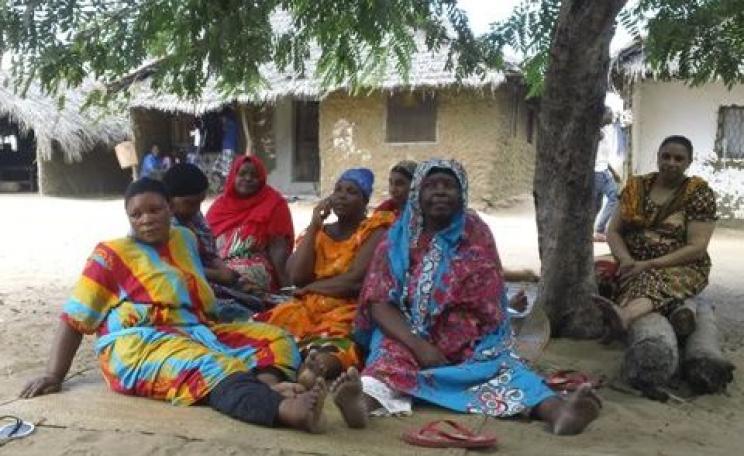
A small fishing community in Tanzania is the victim of a land grab carried out by powerful national park officials using inaccurate maps, writes Alejandra Orozco-Quintero - even though they are part of a long-standing, successful conservation partnership. Is it all to make way for a high-end tourism development?
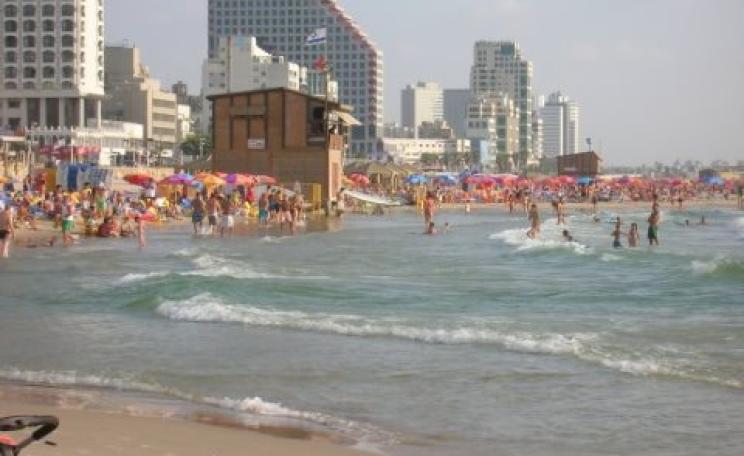
Consecutive Israeli military assaults have caused huge damage to Gaza's water and sewage systems, writes Sam Bahour. One result is that almost all Gaza's water is unfit for human consumption. Another is the tide of raw Palestinian sewage lapping on the beaches of Tel Aviv. So who should we feel most sorry for?
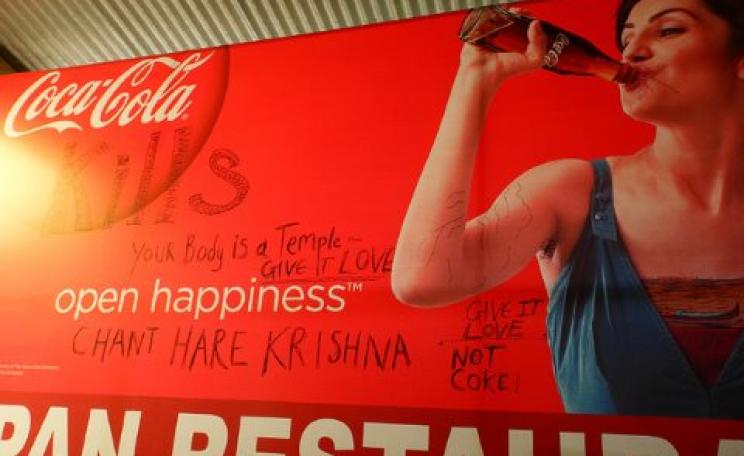
After a 15-year battle, local campaigners infuriated by pollution, over-pumping of groundwater and land-grabbing have finally forced the closure of Coca-Cola's $25 million factory near Varanasi.
Israel's war on Gaza has seen the systematic and widespread destruction of civilian infrastructure essential for human survival, writes Luisa Gandolfo. This represents an apparently deliberate 'cutting off of life support' to those that survive the bombardment now under way.
Since the 1980s Cambodia has lost 84% of its primary forests, and the remote Cardamom mountains are the country's last great natural treasure, writes Rod Harbinson. Just the place for grandiose dam projects? 'No way!" say indigenous people and young eco-activists.
Liberia's Jogbahn Clan is at the forefront of efforts to resist the grab of Indigenous Peoples' land and forests for palm oil plantations. But according to the country's President, they are only 'harrassing and extorting' international investors.
Since 1967, Israeli soldiers and 'settlers' in occupied Palestine have destroyed 800,000 olive trees in an attempt to force Palestinian farmers from their land, writes Megan Perry. 'Our response to this injustice will never be with violence, and we will never give up and leave.'
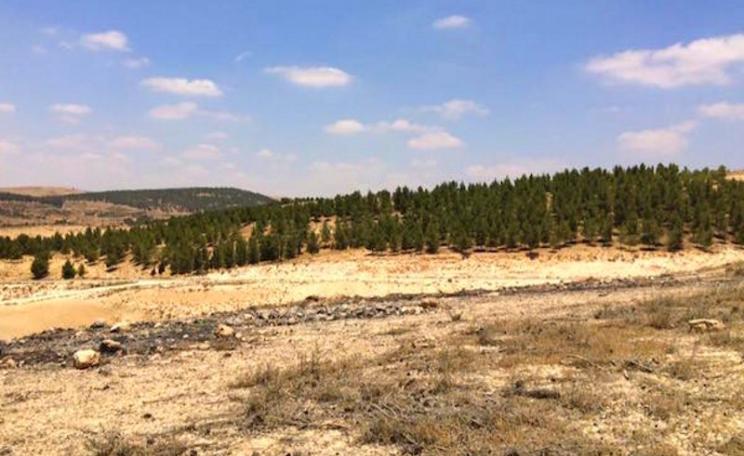
It should be good news, but it's not. Israel's largest man-made forest is set for enlargement, but at the expense of a village where a Bedouin community has lived since they were resettled there in 1956. Its sister village is to be demolished so a new Jewish town can be built on its ruins.
Developers are determined to build a massive motor sports complex on common land above the South Wales valleys, on the edge of the Brecon Beacons National Park, writes Kate Ashbrook. But although they have planning permission, they can still be defeated. Image: Ross Merritt, via Flickr.
Small farmers are losing out as the world's farmland is becoming concentrated in ever fewer hands - and food security is suffering as a consequence. If we do nothing to reverse this trend, writes Stephen Leahy, the world will lose its capacity to feed itself.
Since July 2010 the Bedouin village of Al Araqib in the Negev desert has been demolished 68 times, writes Silvia Boarini. Many have fled but those that remain are determined to stand their ground: 'They can demolish us 100 times, but we're not going anywhere.'
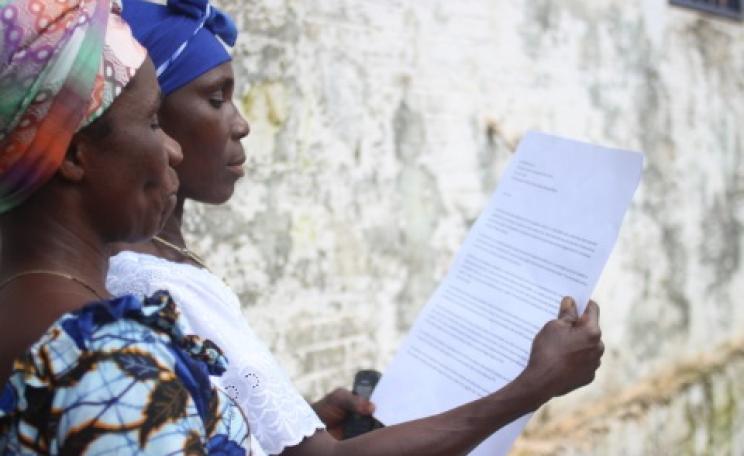
Across Africa, corporations are grabbing community land and water - and nowhere more than in Liberia, where half the country has already been lost. But one community has shown it's possible to overcome intimidation, organize and resist.
Ethiopia leads the way in preserving crop seeds by engaging farming communities in the effort, and making the exchange of seeds part of village life and culture, reports Claire Provost. But now it's all at risk from a G8 plan to open Africa to corporate agriculture.
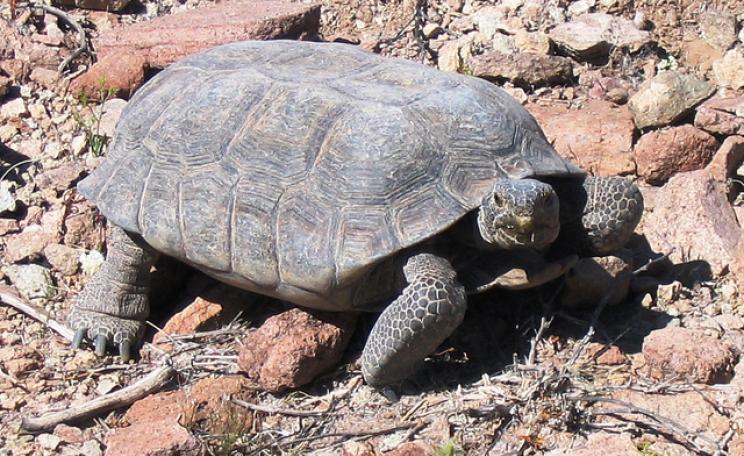
Federal Agencies have capitulated to an armed militia protecting a Nevada rancher running his cattle on 100s of 1,000s of acres of public land reserved for 'threatened' Desert tortoises - despite multiple court orders and over $1 million in unpaid fines.
A 'slow genocide' is unfolding in Ethiopia - one driven by greed rather than hatred. With Chinese and World Bank finance, massive dams and plantations are robbing the Omo Valley's 500,000 indigenous people of their land and water. The UK 'sees no evil'.
... in case there is none tomorrow. Nasser Nawajah wrote this open letter to Israel's economics minister Naftali Bennett - leader of The Jewish Home - about the water starvation suffered by Palestinians.
The US Congress has outlawed the use of aid to Ethiopia to evict tribal peoples in the SW of the country - where violent expulsions are under way to clear land for cash-crop farming.
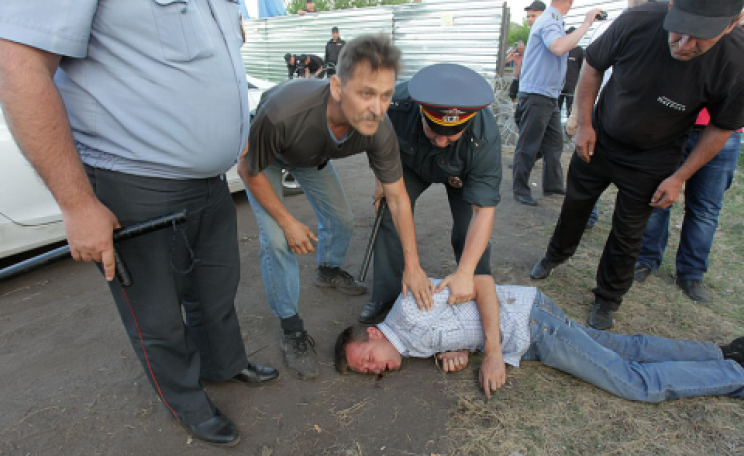
Protests at the proposed mining of nickel and copper in the heart of Russia's Black Earth belt have been escalating - as has the smear campaign against the protesters. Konstantin Rubakhin sees this as a positive sign ...
Israel's Knesset has withdrawn a controversial Bill that would have expelled over 40,000 Bedouion citizens of Israel from their homes in the Negev desert.