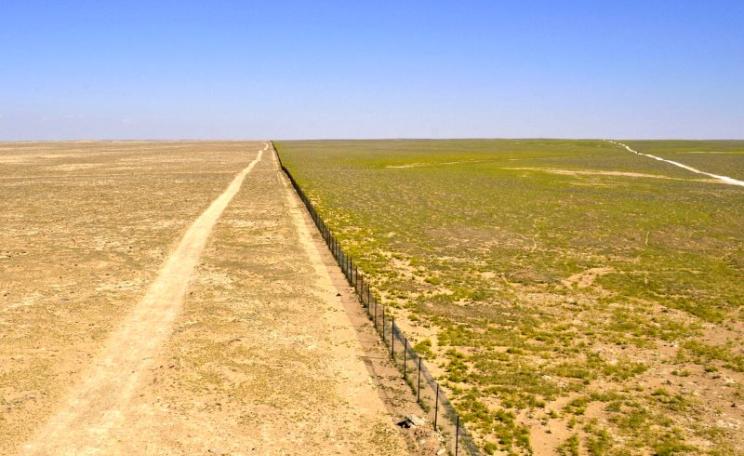
Civil war in Syria is the result of the desertification of the ecologically fragile Syrian steppe, writes Gianluca Serra - a process that began in 1958 when the former Bedouin commons were opened up to unrestricted grazing. That led to a wider ecological, hydrological and agricultural collapse, and then to a 'rural intifada' of farmers and nomads no longer able to support themselves.
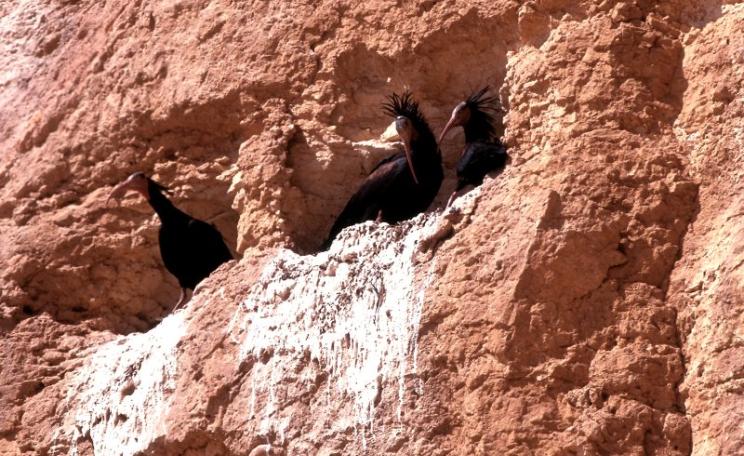
Reports that Syria's iconic Northern Bald Ibis colony is endangered by IS's capture of Palmyra are mistaken, writes Gianluca Serra. The species is already extinct as a breeding population for reasons unconnected with IS. The war that is destroying Syria came only as the last straw for a long-dwindling species whose plight the world chose to ignore.
Today is Nakba day - when Palestinians everywhere remember in their native land, stolen homes, demolished villages and long-lost way of life with grief, anger and a deep yearning that endures from generation to generation, writes Johnny Barber.
Food and water shortages and sharp price hikes in the necessities of life are driving civil unrest and rebellion across the Middle East and North Africa, writes Nafeez Ahmed. Adding to the problem, many of the afflicted countries are of strategic importance for their oil and gas, putting them on the front line of destabilizing 'counter-terrorism' operations.
Palestinian children as young as 11 work on Israeli farms in the occupied West Bank, an HRW investigation reveals. While the EU buys produce worth $300m a year from the illegal 'settlements', undocumented child labourers are exposed to pesticides, paid well below the minimum wage, enjoy no employment rights, and toil long hours in hot fields and greenhouses.
Not satisfied with seizing Palestinian land and water, Israeli settlers in the West Bank have found a new way to enrich themselves at their neighbors' expense - by stealing their fertile soil and transporting it to their own farms and gardens.
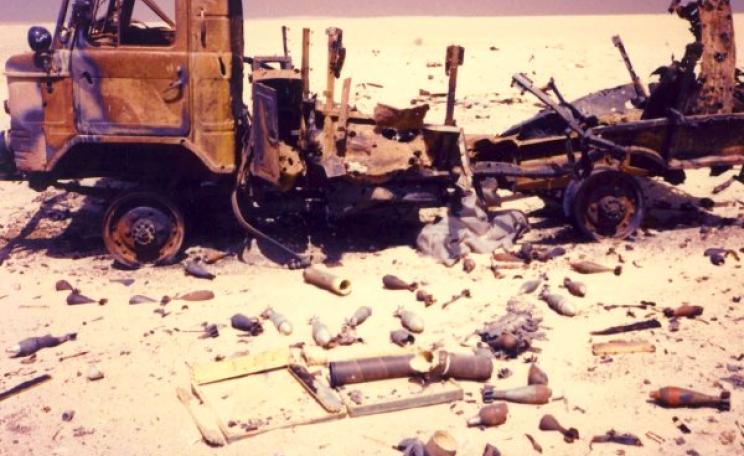
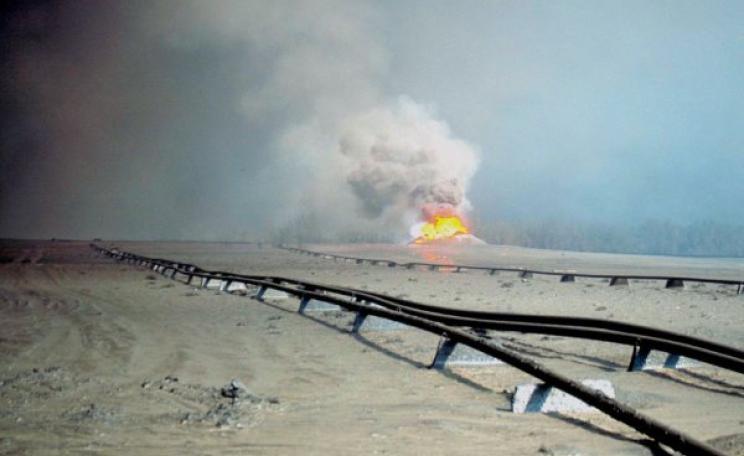
Iraq is working hard to remediate the environmental impacts of two Gulf wars and Saddam Hussein's chemical weapons programme, writes Wim Zwijnenburg. But it now faces new hazards deliberately caused by Islamic State - and is in desperate need of international support.
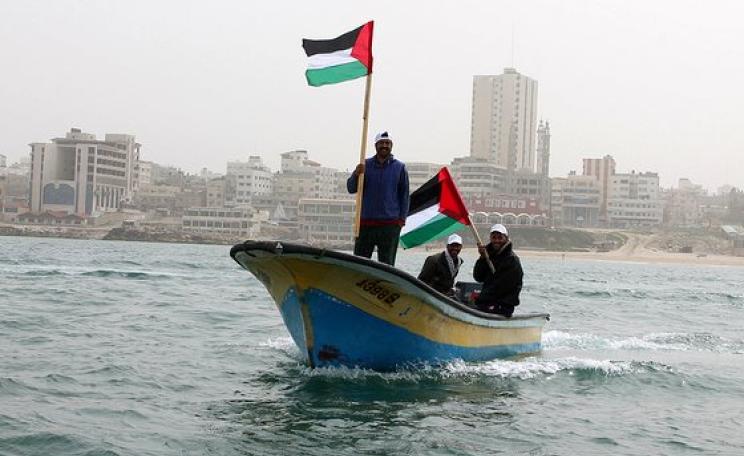
Under the ceasefire between Israel and Hamas last August, Gaza's fishers were meant to be able to work up to six miles from the coast, writes Charlie Hoyle. In fact, Israel is routinely attacking boats within the zone, arresting fishermen, and seizing boats and nets, never to be returned. Only last week, one fisherman was shot dead after allegedly straying over an invisible boundary.
Climate change probably caused the savage drought that struck Syria nearly a decade ago, writes Alex Kirby - and helped to trigger the civil war that has so far claimed over 200,000 lives.
Look beneath the surface of the wars in Iraq, Syria, Afghanistan, Libya, Ukraine, and what do you find? Oil, gas, and contested pipeline transit routes. Never mind high-sounding talk of human rights, national sovereignty, international law and UN Resolutions, writes John Foster - fossil energy is the world's main driver of armed conflict.
Israeli settlers in Palestine's South Hebron Hills last week cut down an orchard of 36 olive trees, in the latest attack of a decades-long war against Palestinian culture and survival in which has seen the cutting, burning and bulldozing of over a million olive, fruit and nut trees.
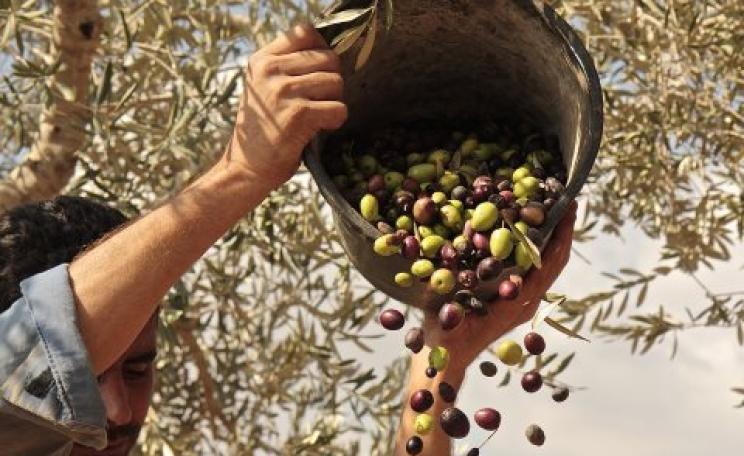
Palestinian minister Ziad Abu Ain died yesterday after being attacked by Israeli soldiers while planting olive trees in the West Bank - a peaceful and fruitful challenge to a long and brutal military occupation. As Zaytoun co-founder Cathi Pawson writes, we can help by buying organic Palestinian olive oil, available in the UK against all the odds.
Israel has exploited the legal ambiguity of its military rule of Palestinian territories, writes Tony Klug - cherry-picking Israeli law, Ottoman law and Geneva Conventions to suit its purposes. Israel must now decide - is it an occupation, or an annexation? Only once that decision is made, can Israel's slide towards apartheid be halted.
Following Israel's destruction of much of Gaza's civilian infrastructure in Israel's summer 2014 attacks, the territory's drainage systems have been unable to cope with heavy rains, and the UN has declared a state of emergency in Gaza City.
Mads Gilbert, a renowned 67-year old doctor and human rights activist who has saved innumerable lives in Gaza by working right through Israel's two most recent military attacks, has been banned by Israel from entering the territory for life. His 'crime'? Apart from healing the shattered bodies of Palestinians, he has dared to speak out about the horrors he witnessed.
The words 'Crusaders' and 'Zionists' are appearing ever more often as twins, writes Uri Avnery - and there are astonishing historical resonances between the two. If Israel wants to avoid the fate of the medieval Crusaders, it had better start accentuating the differences, and become a true Middle Eastern state, rooted in the region's native soil and culture.
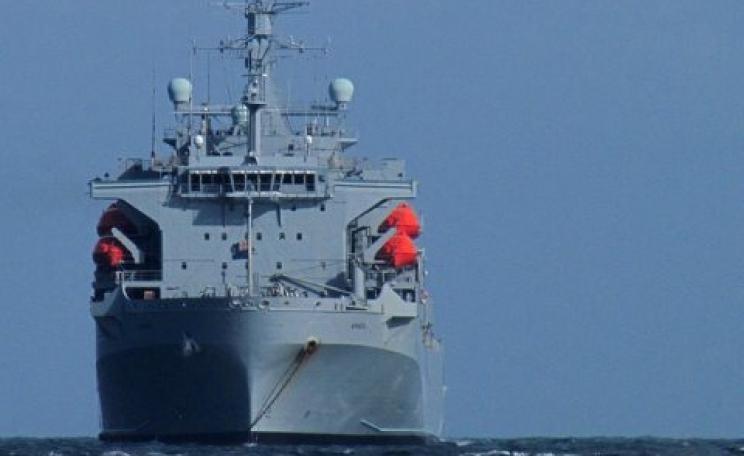
Thousands of wounded Gazans are awaiting medical treatment, writes Veronica Vickery, with many of Gaza's hospitals damaged or destroyed. Meanwhile a health crisis looms with the coming winter, amid a failing water and sewage system. One way the UK can help: send our hospital ship RFA Argus to provide essential medical aid.
As the world gears up to finance Gaza's $6bn reconstruction after Operation Protective Edge, an EU source has revealed that Israel will earn billions of euros by making sure that all the steel, concrete and other materials and other aid are sourced in Israel and benefit Israeli companies.
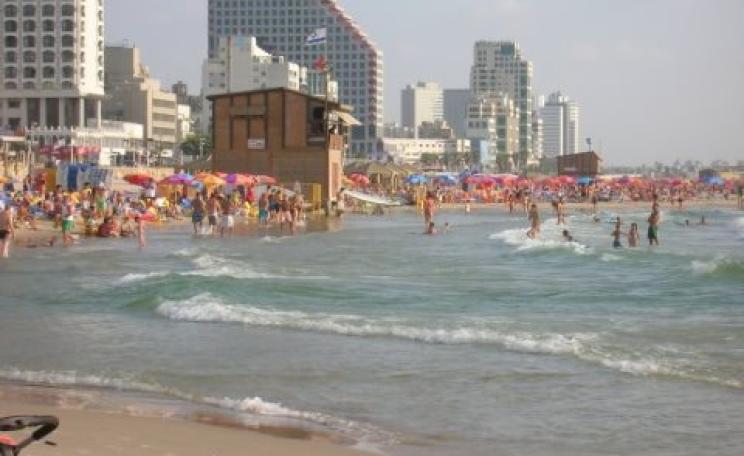
Consecutive Israeli military assaults have caused huge damage to Gaza's water and sewage systems, writes Sam Bahour. One result is that almost all Gaza's water is unfit for human consumption. Another is the tide of raw Palestinian sewage lapping on the beaches of Tel Aviv. So who should we feel most sorry for?
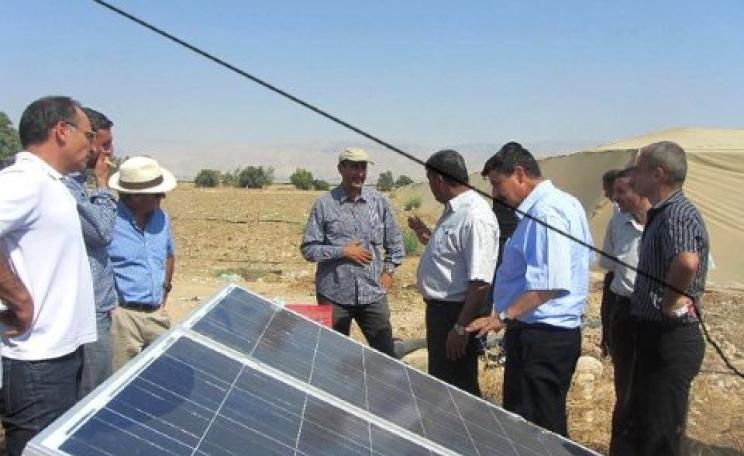
The war in Gaza is over - but with the territory in ruins, it's essential to build a just and durable peace, and restore essential public services: health, water, sewerage and above all electric power. Keith Barnham presents his plan for Gaza, based on a massive deployment of solar and wind power generation.
Conflict continues to rage in Iraq over control of the Mosul dam, which impounds 11 cubic kilometres of water and controls water levels and supplies across the country, writes Jonathan Bridge. It's not the first battle fought over control of water - and it's certainly not the last in a drying Middle East with fast-growing populations.
Blacks, Indigenous peoples and Palestinians are all engaged in a single struggle against a racist empire that systematically robs, colonises, impoverishes, terrorises, enslaves, imprisons, tortures and murders its subject populations. Their struggle for liberation is one, and will ultimately vanquish as the empire collapses from within.
After decades of occupation and dispossession, a culture of sometimes violent resistance has taken root in Issawiya. But it is never fetishized, writes Sam Gilbert - resistance is recognized as the only alternative to slavery, and the only means by which the people will ever achieve the freedom they thirst for.
As Israel violates its own 'ceasefire' to murder yet another child in Gaza City, the poet Heathcote Williams delves into aspects of Israel, Palestine and the lethal war now under way that rarely surface in the mainstream discourse - and amid the horror, cruelty and rising tide of fascism, finds grounds for long term hope.