Amid Spain's general depression, Marinaleda - an Andalucian town sometimes dubbed the 'communist utopia' - is bucking the moribund trend with a heady mixture of direct action, community-level democracy, cooperation and mutual aid.
Since 1967, Israeli soldiers and 'settlers' in occupied Palestine have destroyed 800,000 olive trees in an attempt to force Palestinian farmers from their land, writes Megan Perry. 'Our response to this injustice will never be with violence, and we will never give up and leave.'
A partnership between an Oxford-based social enterprise and the local Council provides a blueprint for financing community energy projects, writes Wendy Twist. And with £2.3 million in the bank, things are really starting to move ...
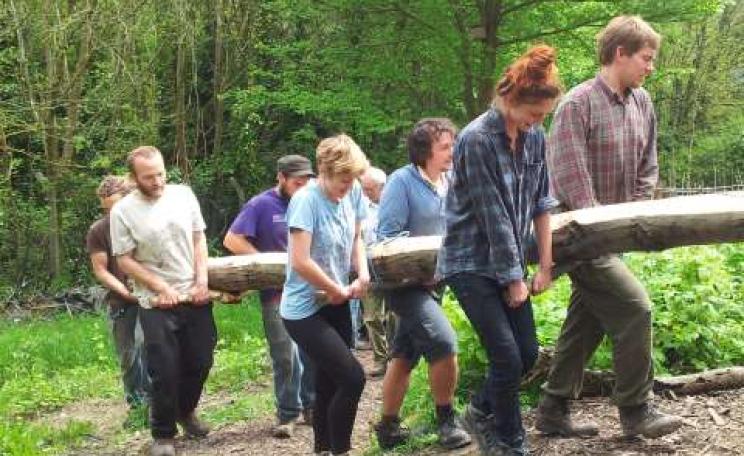
A Sussex-based forest gardening project has overcome adversity to celebrate its 20th anniversary, writes Jan Goodey. And now it features one of the most eco of eco-builds in Britain, using all local timber, clay, straw ... and wine bottles.
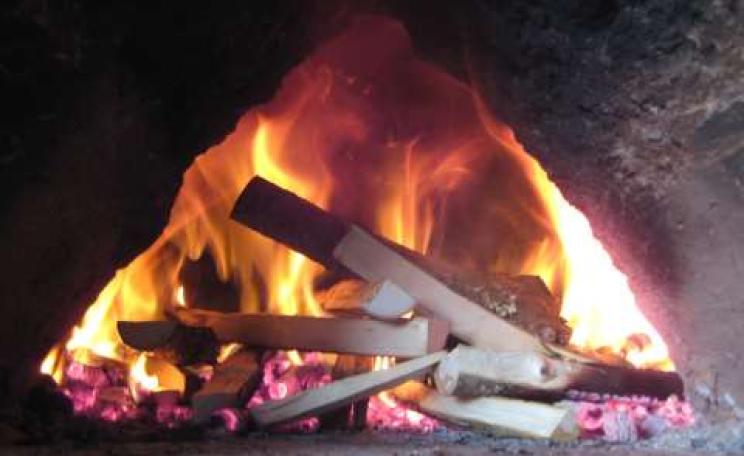
Ever thought of building a cob oven? Maybe you should, write Debbie Kingsley & Andrew Hubbard, for fossil fuel-free cooking that warms up every party, perfect for everything from pizza to roast vegetables or your (organic) Christmas turkey ...
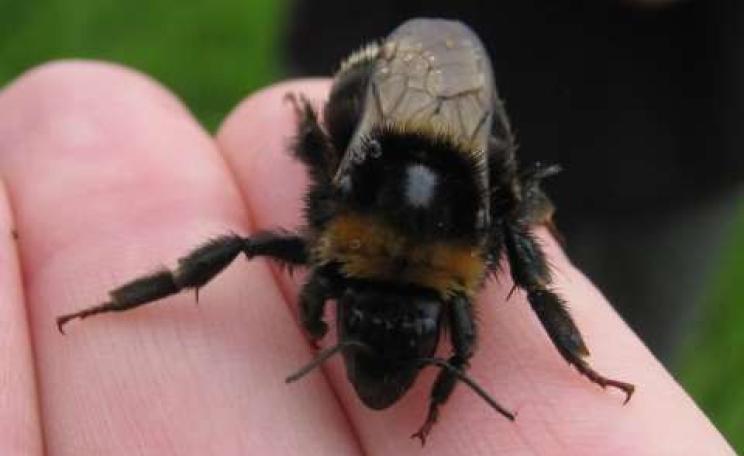
The short haired bumblebee was declared extinct in the UK 30 years ago. But now the species is being re-introduced in the flower-rich meadows and field margins of Kent, writes Michael Parker - helped along by sympathetic local farmers.
The joy of the wild is rooted deep in the human spirit and without it our lives are starved of a vital nutrient, writes Grant A. Mincy. Only through experience of wilderness and its untamed beauty can we be truly human, and only in wilderness can we open our awareness of the perilous wonder of being, and know the freedom that lies within us all.
Organic certification used to be carried out by real farmers in wellies, who knew all the tricks and could spot dodgy practice on the land at 100 paces, writes Julian Rose. Today's certifiers arrive in patent leather shoes and get no further than the office - and this is meant to be an improvement?
How we feed ourselves sits at the crux of all human affairs, writes Joanna Wright - the health of our bodies and communities. Far too important to leave to industrial farms and processors, it's something we can all begin to do for ourselves.
Ten years ago, Mo and Dave fell in love, writes Helen Leavey - with a ruinous but romantic water mill in Yorkshire. It was the beginning of a fabulous restoration adventure, and the mill is now an exemplar of renewable energy generation and a thriving education centre.
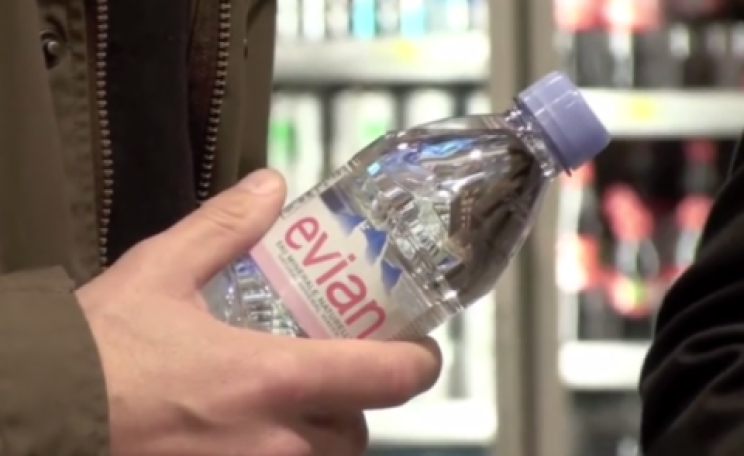
Swedish artist duo Diagram escorts a glass of water back to its origin - from a convenience store in Stockholm back to a storm-drain in Evian les Bains, by Lake Geneva - and expose one of the many absurdities of modern life.
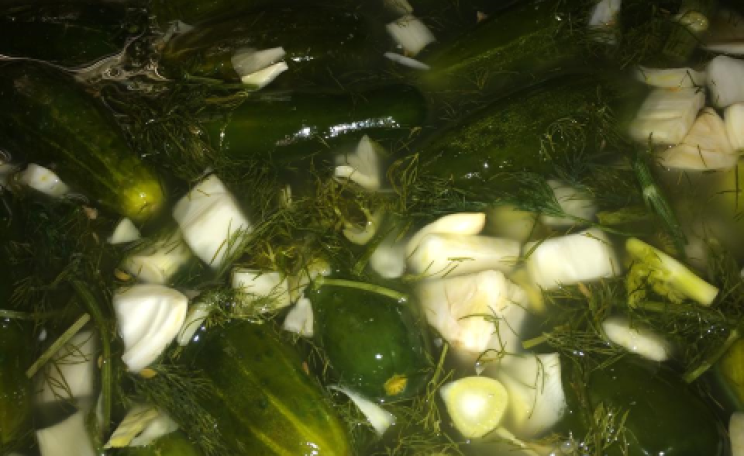
Fermentation is far more than a way to prepare diverse, delicious and wholesome food, writes Joanna Wright. It is a means for us to connect with the ancient past, with the world around us, and with our own selves. Are you ready to try it?
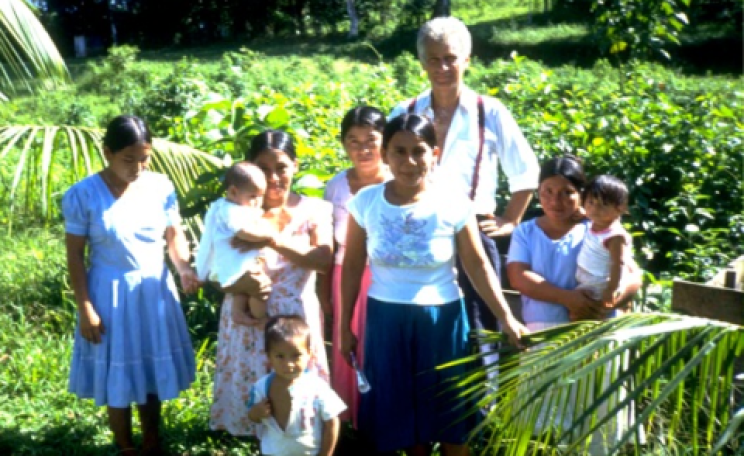
A 'harmonic convergence' in the Mayan calendar set off something big for Craig Sams and his Belizean partners. First, Green & Blacks chocolate - and now an even more ambitious project to restore the world's soils using biochar and organic farming systems.
In the lead-up to tonight's Earth Hour one organisation is putting the creative community on the front lines of the battle for climate change. Rebecca Cooke reports on the remarkable series of 29 posters to provoke and intrigue us into climate action.
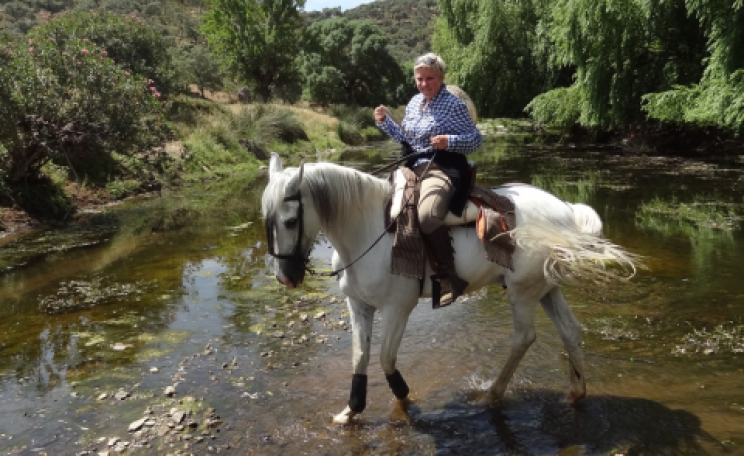
The tree-clad hills of Spain's Sierra de Huelva retain their beauty, wildlife and traditions, writes Jan Nimmo, who has speant a decade exploring the area on horseback. Just one thing is missing: the throngs of people that once inhabited and managed the land.
Football fans around the globe have their eyes set on Curitiba, Brasil this year, the site of the 2014 World Cup. But as Brian Barth reports, eco-savvy urban planners have been studying Brasil's seventh largest city for decades ...
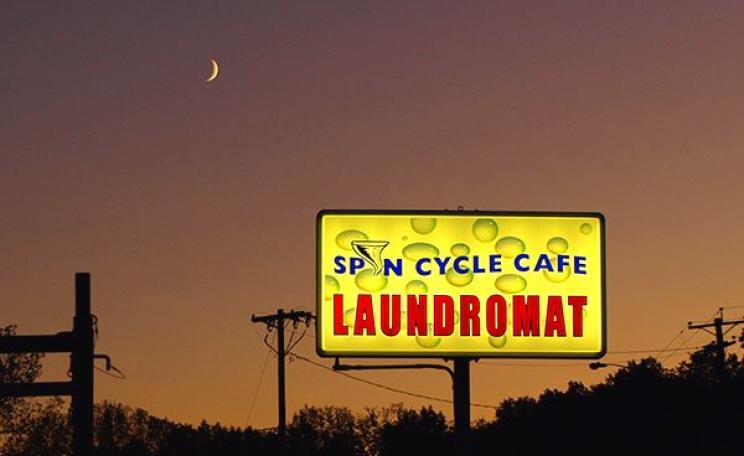
How can we reduce our ever increasing throughput of raw materials? By breaking out the the 'iron cage of consumerism', writes Mariale Moreno: make things to last - whether clothes, houses, cars, or washing machines. Join a car club. Share domestic appliances with neighbors. And bring back the laundromat!
Europe's periphories are meant to be in a state of collapse - but not so the Shetland Isles, where Thembi Mutch found a land of open skies, howling storms, historic traditions, and an active, growing community of notable individuals ...
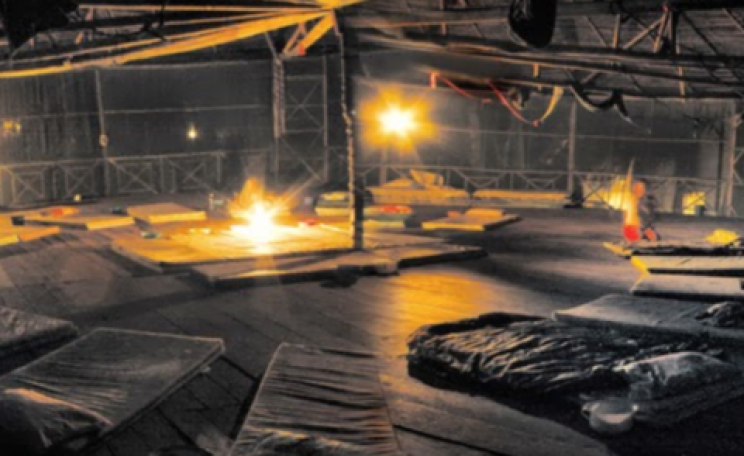
Matt Mellen joined a growing number of Westerners seeking therapy with Ayahuasca, the Amazonian 'miracle medicine' for mind, body and soul. He emerged transformed, a happier version of ... himself.
Maria Evrenos left her wallet at home for a week to discover that even an inexperienced urban forager can survive without money for a week by treasuring other people's trash.
In his new book 'Hunting the Hunters - at war with the whalers', Laurens de Groot recounts his adventures with Sea Shepherd in the Southern Ocean, saving whales from Japan's 'scientific research'.
Scotland's native forest remains in only a few fragments, but Trees For Life is working to restore it, and almost all of the work is done by volunteers. Philip Mason joined their newly expanded long-term volunteer programme for two months last autumn.
Biological systems offer design strategies for successfully adapting to an age of climate change and resource depletion. Insights from nature will be essential in creating a green and sustainable future for humankind.
Living in the rainforest, tracking orangutans, protecting the swamp forest and fighting off swarms of mosquitos in 30 degree heat. For Matt Williams it was a childhood dream come true ...