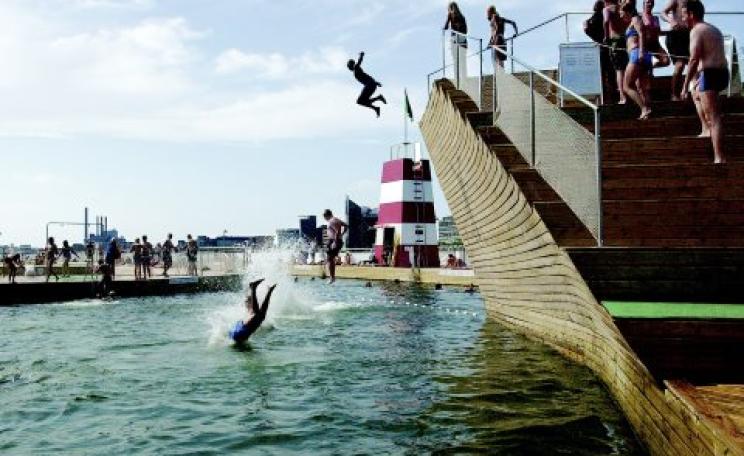
With the growing trend for natural swimming in cities new opportunities are opening for architects and designers to create dramatic, inspiring, enjoyable new public spaces in urban waterways, writes Jane Withers. And it's the subject of a new exhibition at London's Roca London Gallery ...
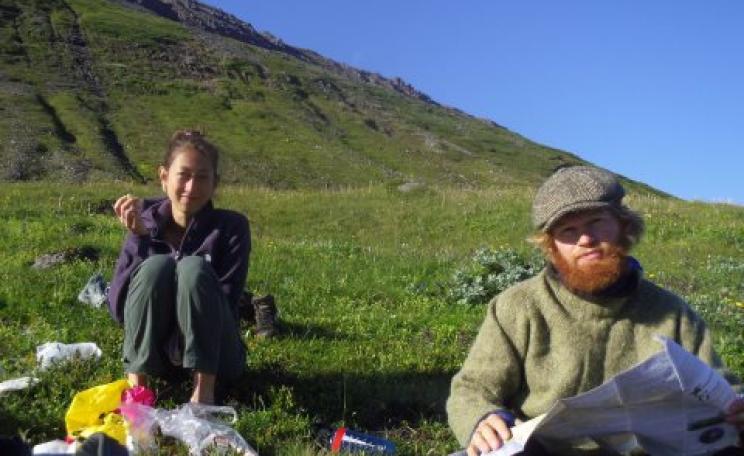
Daniel Crockett guided a 300km walk along ancient horse routes through the Westfjords, a remote, depopulating region of Iceland rich in nature, myth and magic. The wild, non-human environment enters our beings, he writes - and thus infected, the onus is on us to spread the message far and wide.
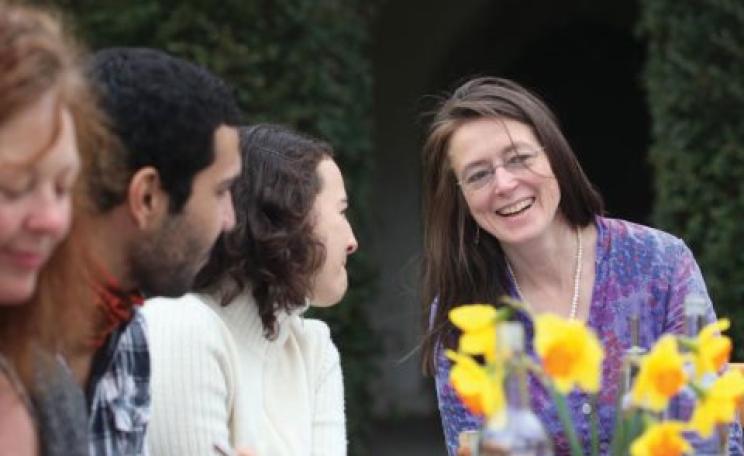
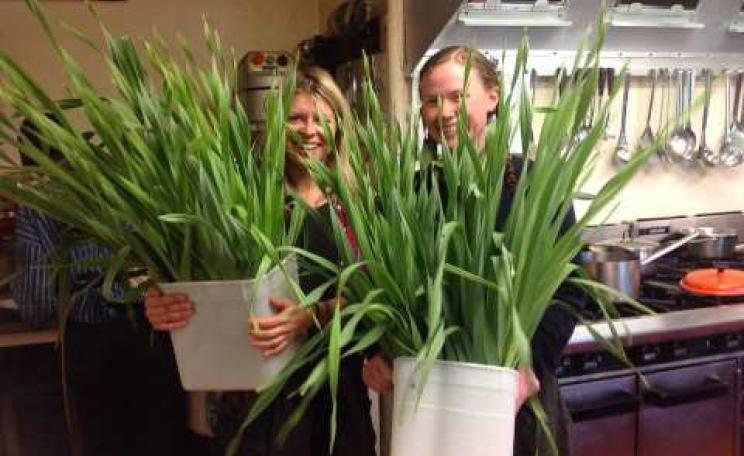
Good food is an essential ingredient at Schumacher College, writes Julia Ponsonby, made with love using fresh, wholesome ingredients many of which have traveled no further than the vegetable garden. No less important, the sense of companionship, learning, fun and frequent hilarity that permeates the building - and the kitchen in particular.
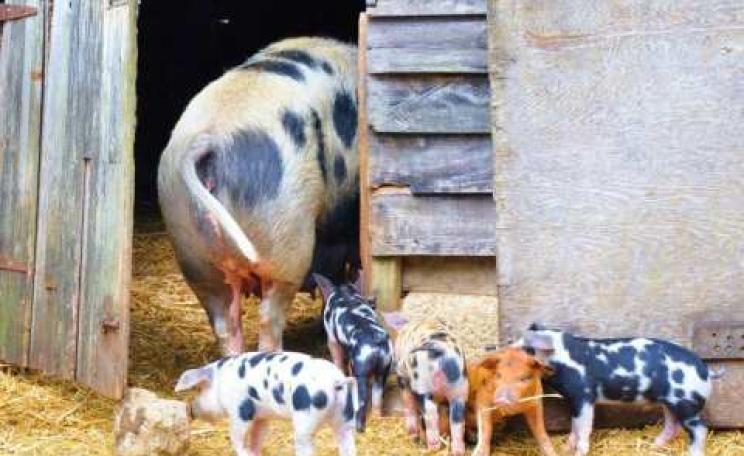
The Apricot Centre in Essex is a unique project that uses organic horticulture and animal husbandry to heal, inspire and educate children from diverse backgrounds, and kindle love for the natural world, writes Martin Large. Now it's expanding to Devon, to establish a second, much larger biodynamic smallholding near Totnes and Dartington.
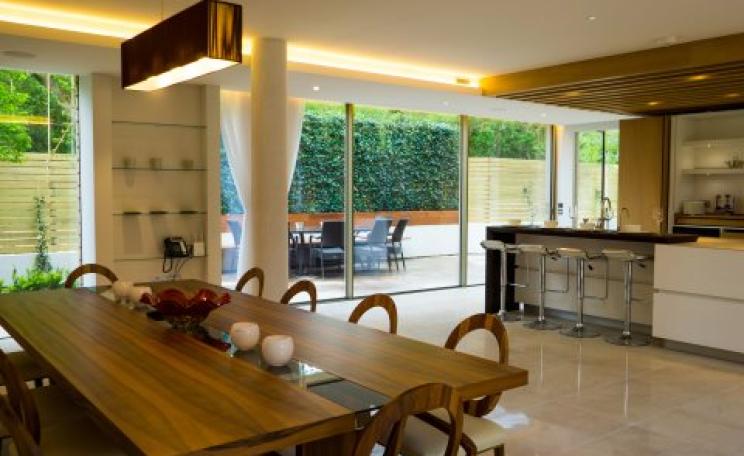
There is no better time to put the 'green' into building than at the outset of the design phase, writes Ryan Kohn. And to get it there we need to raise awareness of sustainable technologies, and offer incentives, rather than loop-holes, for developers. Buyers too must learn to appreciate the long term value of green ... and demand the highest standards.
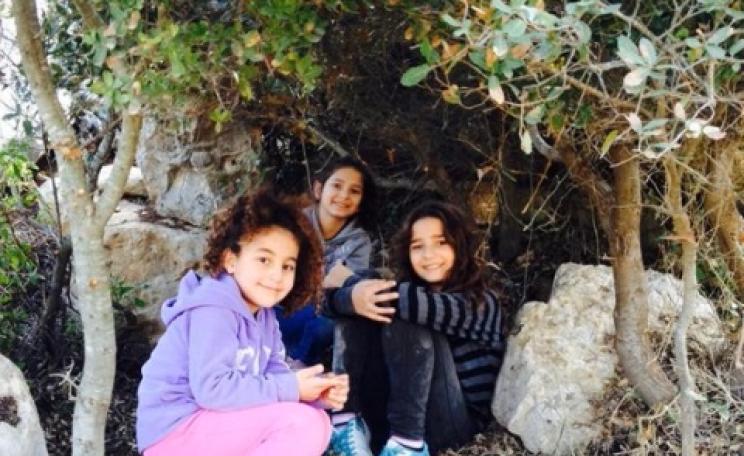
An ecological project has taken root on an abandoned olive grove outside Ramallah. As well as restoring the land itself, its deeper aim is to nurture the ancient links between the Palestinian people and nature, and rebuild a culture of steadfastness in the soil of their native country.
A social solidarity movement is transforming the lives of millions of poor women in Kerala, south India, writes P. Sainath - and among the greatest beneficiaries are indigenous adivasi women who dwell deep in the the forests, and their historically marginalized communities.
Amid Spain's general depression, Marinaleda - an Andalucian town sometimes dubbed the 'communist utopia' - is bucking the moribund trend with a heady mixture of direct action, community-level democracy, cooperation and mutual aid.
Since 1967, Israeli soldiers and 'settlers' in occupied Palestine have destroyed 800,000 olive trees in an attempt to force Palestinian farmers from their land, writes Megan Perry. 'Our response to this injustice will never be with violence, and we will never give up and leave.'
A partnership between an Oxford-based social enterprise and the local Council provides a blueprint for financing community energy projects, writes Wendy Twist. And with £2.3 million in the bank, things are really starting to move ...
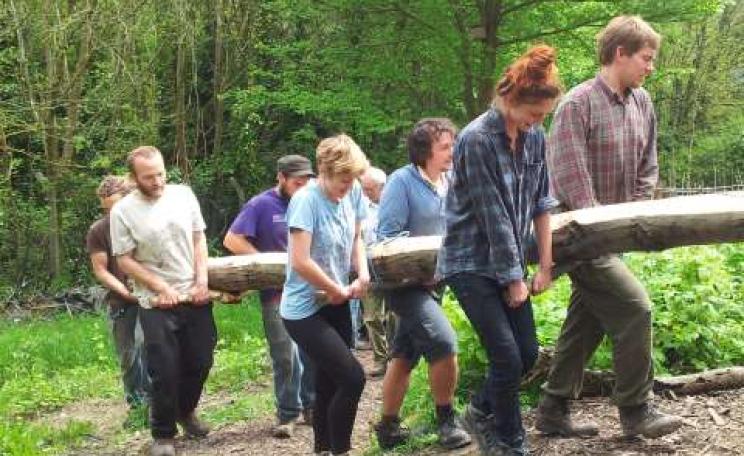
A Sussex-based forest gardening project has overcome adversity to celebrate its 20th anniversary, writes Jan Goodey. And now it features one of the most eco of eco-builds in Britain, using all local timber, clay, straw ... and wine bottles.
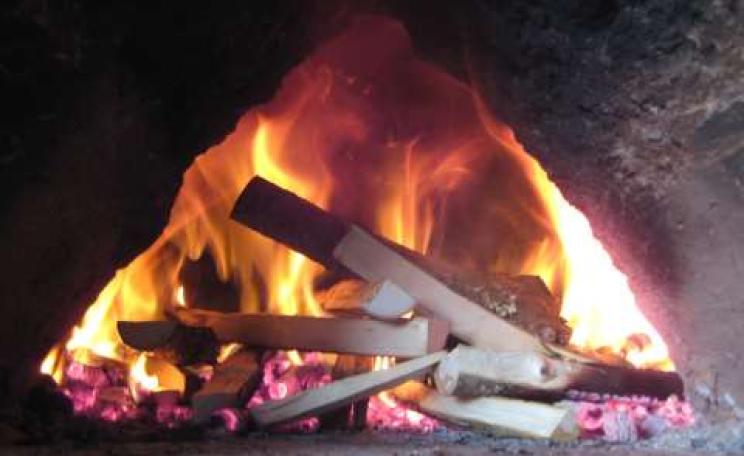
Ever thought of building a cob oven? Maybe you should, write Debbie Kingsley & Andrew Hubbard, for fossil fuel-free cooking that warms up every party, perfect for everything from pizza to roast vegetables or your (organic) Christmas turkey ...
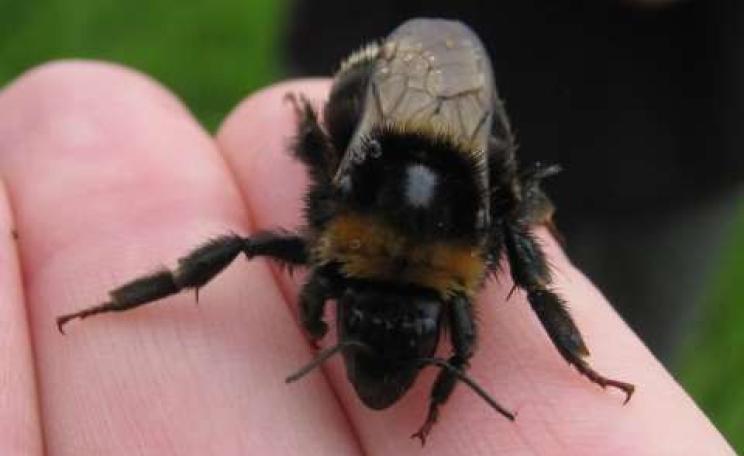
The short haired bumblebee was declared extinct in the UK 30 years ago. But now the species is being re-introduced in the flower-rich meadows and field margins of Kent, writes Michael Parker - helped along by sympathetic local farmers.
The joy of the wild is rooted deep in the human spirit and without it our lives are starved of a vital nutrient, writes Grant A. Mincy. Only through experience of wilderness and its untamed beauty can we be truly human, and only in wilderness can we open our awareness of the perilous wonder of being, and know the freedom that lies within us all.
Organic certification used to be carried out by real farmers in wellies, who knew all the tricks and could spot dodgy practice on the land at 100 paces, writes Julian Rose. Today's certifiers arrive in patent leather shoes and get no further than the office - and this is meant to be an improvement?
How we feed ourselves sits at the crux of all human affairs, writes Joanna Wright - the health of our bodies and communities. Far too important to leave to industrial farms and processors, it's something we can all begin to do for ourselves.
Ten years ago, Mo and Dave fell in love, writes Helen Leavey - with a ruinous but romantic water mill in Yorkshire. It was the beginning of a fabulous restoration adventure, and the mill is now an exemplar of renewable energy generation and a thriving education centre.
Swedish artist duo Diagram escorts a glass of water back to its origin - from a convenience store in Stockholm back to a storm-drain in Evian les Bains, by Lake Geneva - and expose one of the many absurdities of modern life.
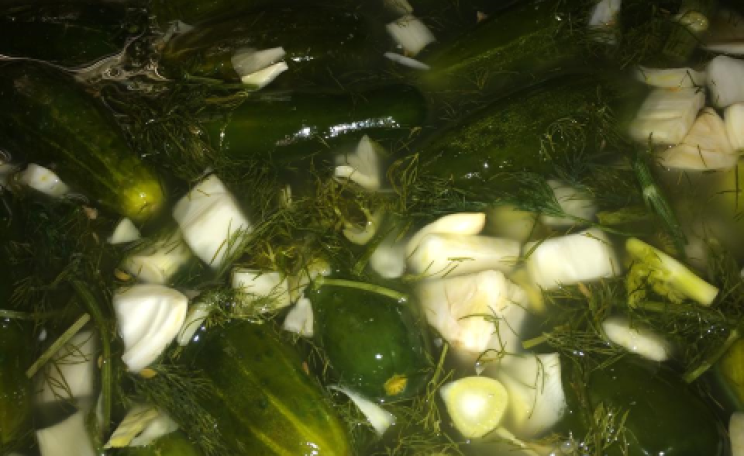
Fermentation is far more than a way to prepare diverse, delicious and wholesome food, writes Joanna Wright. It is a means for us to connect with the ancient past, with the world around us, and with our own selves. Are you ready to try it?
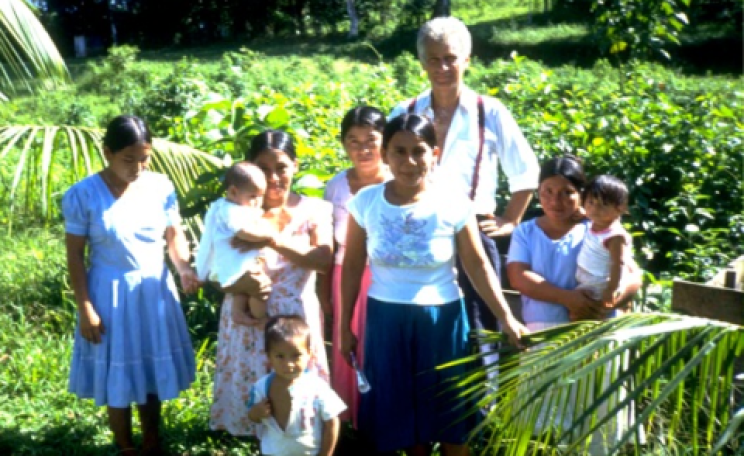
A 'harmonic convergence' in the Mayan calendar set off something big for Craig Sams and his Belizean partners. First, Green & Blacks chocolate - and now an even more ambitious project to restore the world's soils using biochar and organic farming systems.
In the lead-up to tonight's Earth Hour one organisation is putting the creative community on the front lines of the battle for climate change. Rebecca Cooke reports on the remarkable series of 29 posters to provoke and intrigue us into climate action.
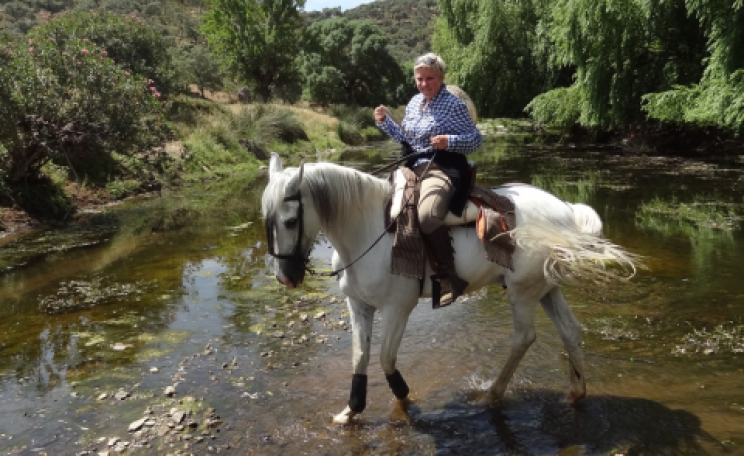
The tree-clad hills of Spain's Sierra de Huelva retain their beauty, wildlife and traditions, writes Jan Nimmo, who has speant a decade exploring the area on horseback. Just one thing is missing: the throngs of people that once inhabited and managed the land.
This Saturday War on Want holds its Frontlines conference in London on the global conflict between communities and corporations, writes Paul Collins. Featuring a host of inspiring speakers, it will forge new alliances and new strategies of resistance.
Football fans around the globe have their eyes set on Curitiba, Brasil this year, the site of the 2014 World Cup. But as Brian Barth reports, eco-savvy urban planners have been studying Brasil's seventh largest city for decades ...