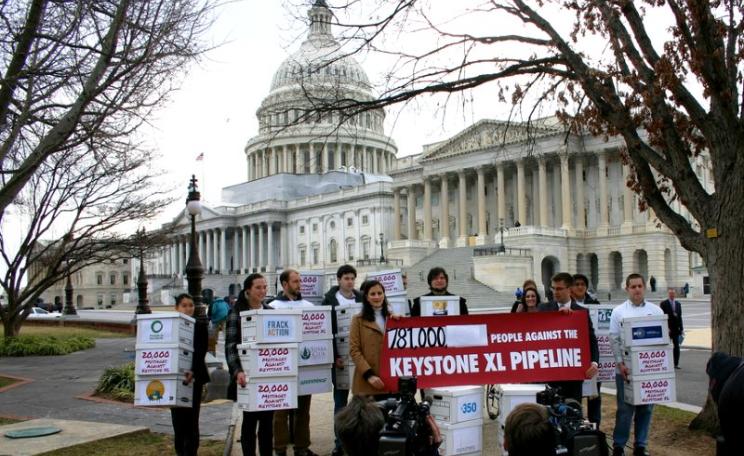
The US government is being sued for $15 billion for its cancellation of the Keystone XL tar sands pipeline last year in order to combat climate change. The legal challenge under NAFTA sends a warning to all countries contemplating similar 'free trade' agreements.
The expected melting of sea ice in Canada's Arctic Archipelago will progressively render huge areas unable to support viable polar bears populations, writes Tim Radford. By 2100 the polar bears could be pushed out altogether.
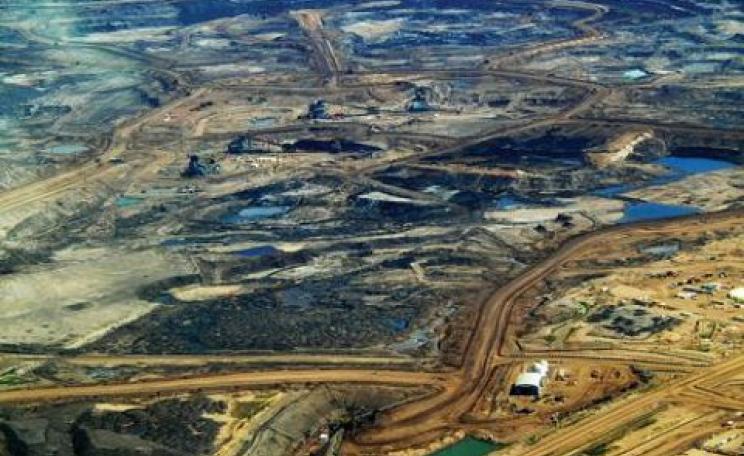
The exploitation of Canada's tar sands is more than just an environmental catastrophe, writes Gregory McGann. It's also an turning into an economic disaster, with massive investments at risk as falling oil prices leave the tar sands stranded.
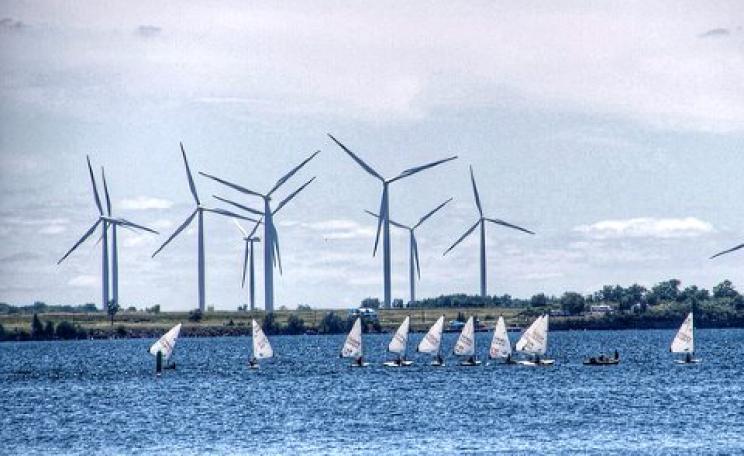
A large-scale independent study by Health Canana finds no link between the noise from wind turbines and health, writes Tyler Hamilton. That's not to say wind turbines can't be annoying - but there's a sure way to deal with that: give locals a financial benefit from their operation. Has Britain's wind industry got something to learn?
The enabling bill for Keystone XL failed yesterday in the US Senate. Supported by all 45 Republican senators, it fell one vote short of the required 60-vote threshold. But the victory will be a temporary one, writes Alexander Reid Ross. The final battle can only be won by massive grassroots engagement and protest in communities across North America.
America's expanding oil production threatens the pristine Pacific Northwest region of the country with a rash of new oil terminals along the coast, writes Valerie Brown, and hugely expanded traffic of freight trains loaded with hundreds of cars of crude oil heading for California refineries.
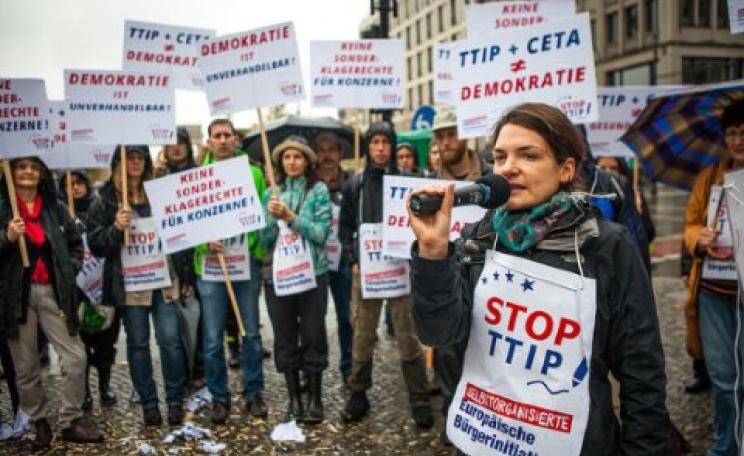
The Commission's refusal to 'register' a European Citizens Initiative demanding an end to negotiations over the TTIP trade deal is more than just an affront to the 'democratic values' that Europe is meant to represent, write Mary Fitzgerald & Michael Efler. It is also unlawful, and the legal challenge filed today at the ECJ is richly deserved.
A 300-strong coalition of civil society groups is taking the European Commission to the European Court of Justice, claiming that its refusal to register a official 'Citizens Initiative' opposing the EU-US TTIP trade deal was unlawful.
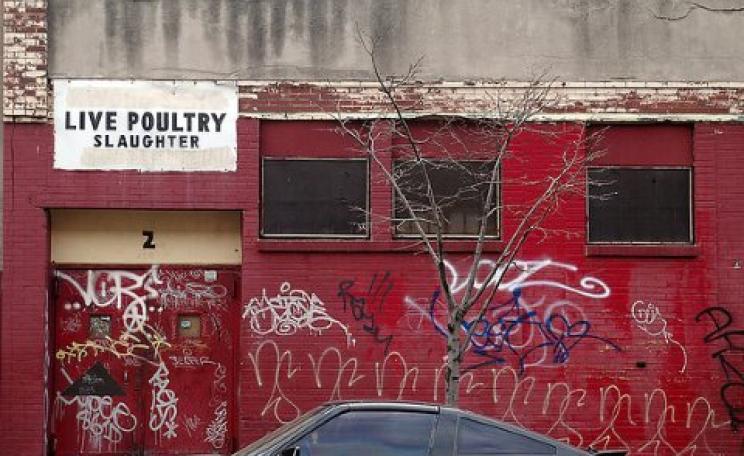
When three giggling teenage girls in an SUV called 'BACON' at Laura Lee Cascada as she conducted a peaceful slaughterhouse vigil, she realised - those girls don't yet realise that 'bacon' has a mom. And there is only one way to create that missing connection - through love, empathy, understanding and perseverance.
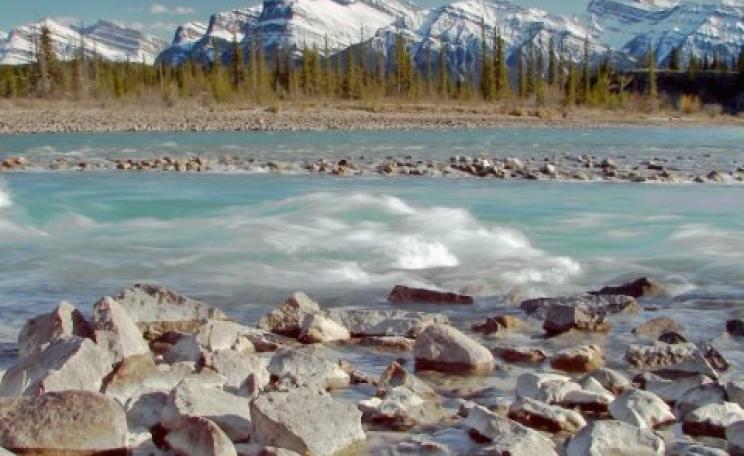
Much of Alberta, Canada has already been damaged by industrial clearfelling, or lost to the tar sands industry, writes Carol Linnitt. But now there's a chance to keep 'the most beautiful example of pristine eastern slopes Rockies out into the foothills' as wilderness, in the North Saskatchewan's unspoilt headwaters.
The EU is dumping a plan to label fuel made from tar sands as 20% more polluting than oil from conventional sources, making it cheaper for European countries to import. But the concession - intended to smooth the TTIP trade deal - still has to be approved by the European Parliament.
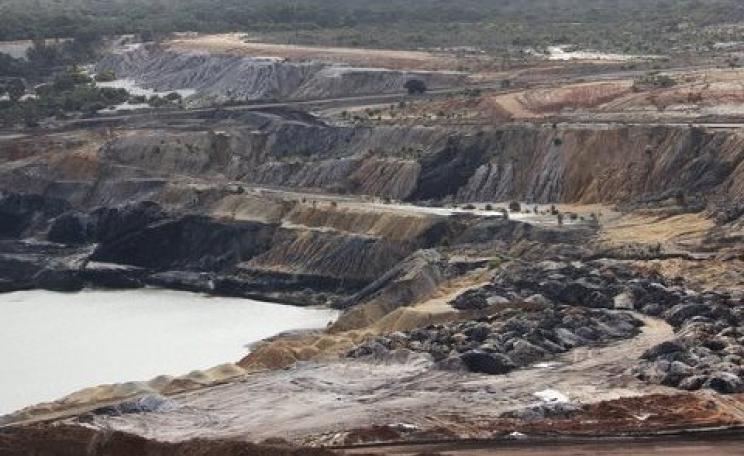
King Coal's reign is coming to an end, writes Chris Rose, at least as a fuel for generating electricity. Following a price collapse half of all production is being sold at a loss - and major coal users like China are still moving away from the high-carbon fuel.
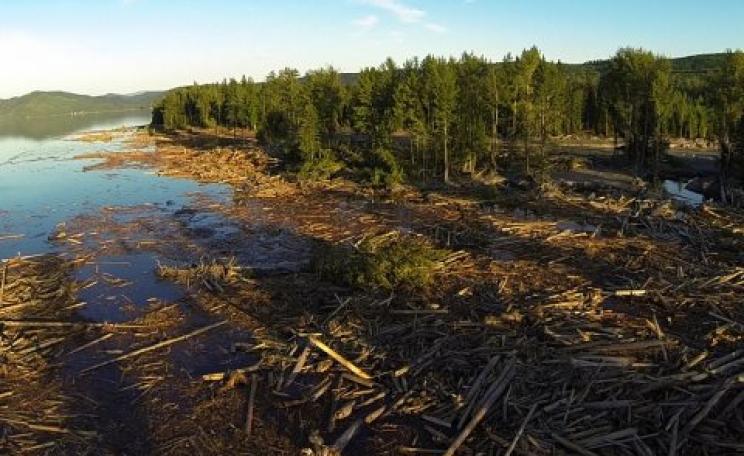
This month a tailings dam at the Mount Polley mine in BC breached, writes Carol Linnitt - spilling 14.5 billion litres of toxic mine waste into Quesnel Lake. A major source of freshwater and one of BC's premier fly-fishing destinations, the lake will never be the same again. But it's just the first big victim of Canada's wave of environmental de-regulation ...
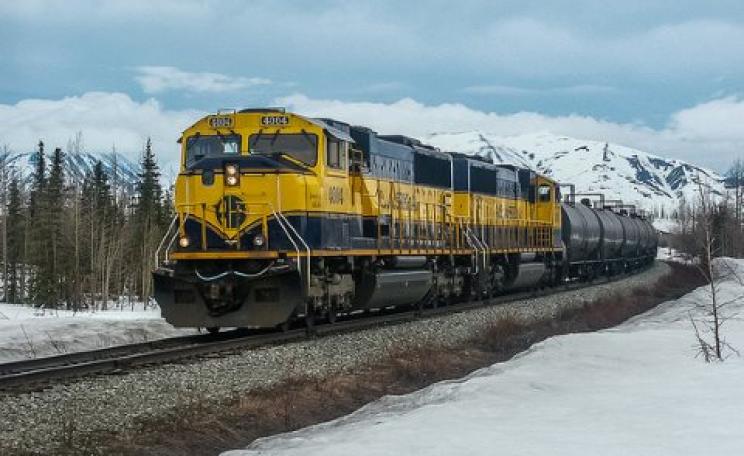
Climate change and tar sands activists opposing Keystone XL need to wake up to a new reality - the pipeline has already been eclipsed by rail transport which is both cheaper and more flexible, writes Justin Mikulka. The expanded production and export of tar sands oil just got a whole lot more likely.
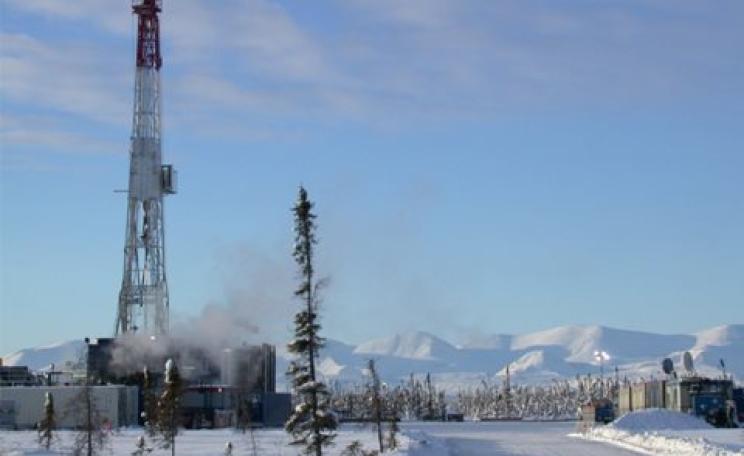
Hydraulic fracturing is roaring ahead in the Canadian Arctic, writes Ed Struzik. Companies are competing to exploit the Northwest Territories' 2-3 billion barrels of shale oil, as the NWT government ignores calls from indigenous nations and scientists for a moratorium on fracking pending an open review of its impacts.
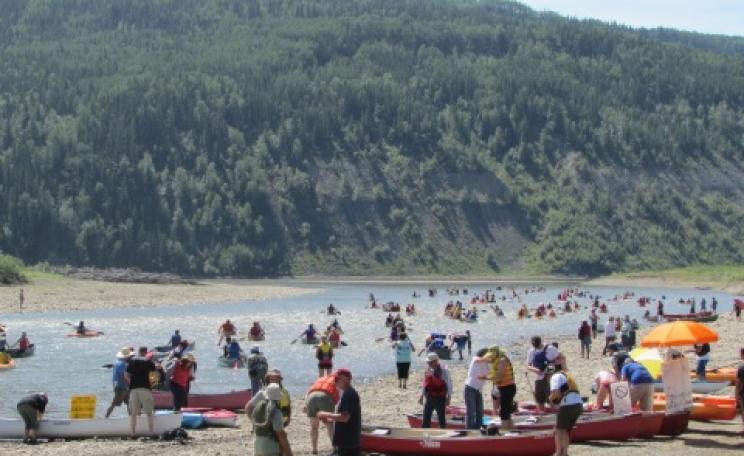
Canada's biggest infrastructure project is planned for Peace Valley, BC - a gigantic $7.9 billion dam that would flood 83 kilometres of the Peace River - all to produce electricity that no one needs. But a coalition of farmers, ranchers and First Nations is determined to block it ...
The EU's Fuel Quality Directive is set to be the first casualty of the TTIP trade talks, writes Derek Leahy. Canada and the US have threatened to pull out unless the EU ignores the massive emissions of oil from tar sands - and the EU is collapsing under the pressure.
Next week the indigenous peoples of the Yukon challenge their Government in the Territory's Supreme Court, writes Jill Pangman. At issue, its plans to open the Peel watershed, a vast unspoilt ecosystem rich in wildlife and cultural meaning, for industrial development.
Thanks to herbicide use on GMO crops in the US and Canada, Monarch butterfly numbers have crashed - the milkweeds the larvae feed on now survive mainly in 'conservation reserve' land and roadsides - and there's a 5% chance the Monarch will be extinct within 100 years.
The Bering Sea is America's biggest fishery - but factory trawlers are ripping the guts out of the ecosystem, writes Jeffrey St.Clair, as they have already devastated fishing communities. Mix in nuclear bomb test fallout - an unlikely savior?
The Grizzly bear hunting season is under way in British Columbia, Canada. The government claims that the decision to open the hunt and the kill quotas are 'science-based' but as Kyle Artelle writes, science doesn't get a look in - and the Grizzlies' are in serious danger.
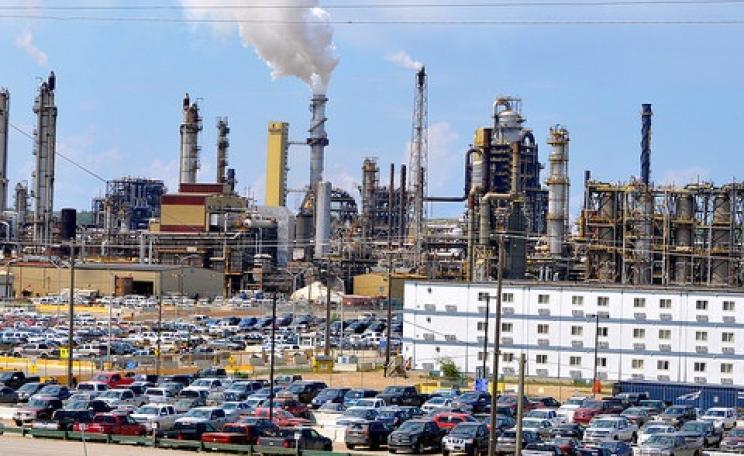
A report by Alberta's energy regulator links emissions from tar sands oil production with serious health impacts in the Peace River region that have forced families to flee their homes, reports Carol Linnitt. The findings reveal 'a huge information gap'.
A 62-year old pipeline across New England could be used to carry hazardous tar sand crude oil from Canada to the Atlantic, writes Meg Berlin. But communities across Vermont are campaigning to block the project that imperils waters, people and wildlife ...
A series of judgments against Canada in secret corporate tribunals costing taxpayers $100s of millions show that 'free trade' agreements really do restrict governments' right to protect health, environment and endangered species, writes Nick Dearden.