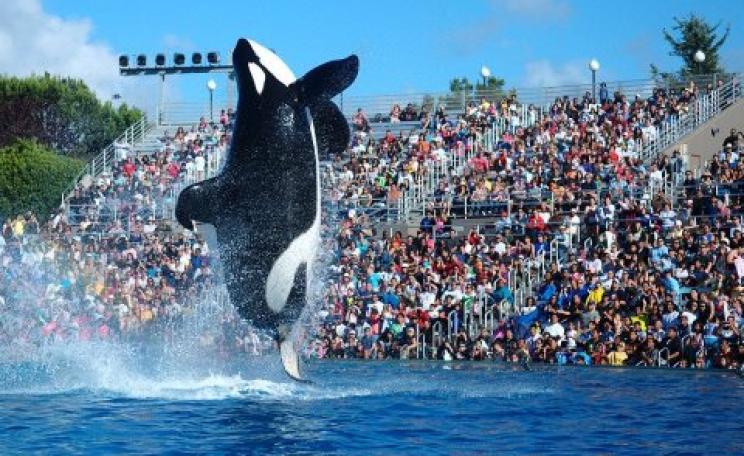
Seaworld San Diego is about to build the world's biggest tank for its captive orcas. Fifty foot deep and covering 1.5 acres, it's almost twice as big as current tanks and will represent an improvement in living conditions when complete in 2018. But for Sea Shepherd, that's missing the point. For these wild and majestic sea mammals, only the ocean will do.
Denmark's unlawful support of the Faroese 'grind' whale hunt is now open and obvious for all to see, writes Captain Paul Watson, as the supposedly 'civilized' Scandinavian nation turns its military might against protestors seeking to save whales and small cetaceans from cruel and barbaric massacre.
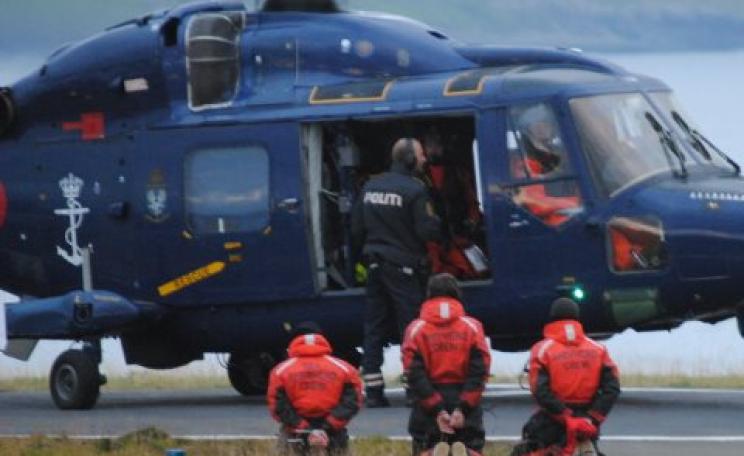
The Danish Navy has just supported the annual 'grind' cetacean slaughter on the Faroe Islands, seizing three boats used by Sea Shepherd to obstruct the hunt, and detaining their crew. The move enabled whale hunters to slaughter an entire pod of 33 pilot whales.
Humans are to blame for the drastic declines in river dolphin populations around the world, writes Rachel Nuwer. But what exactly are we doing wrong? Mainly, scientists have found, it's building dams - and so destroying and fragmenting their habitat.
Long after Blue whales have ceased to be hunted, their numbers have failed to record substantial increases, writes Luke Rendell. Are ship strikes to blame? A 15-year scientific study says the answer may be yes - and advises moving California shipping lanes.
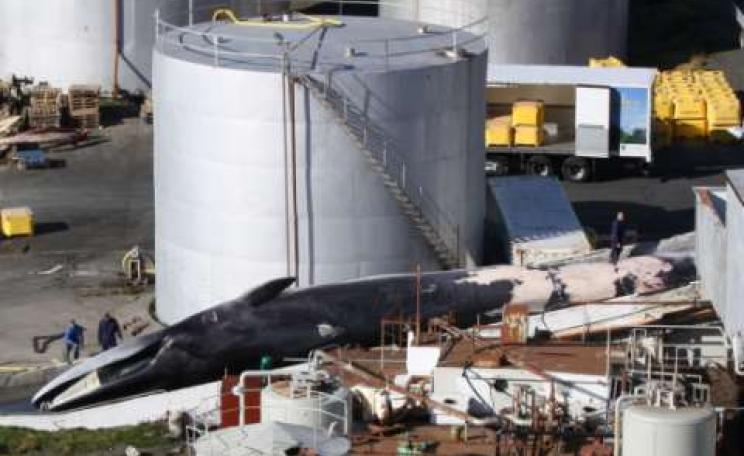
Icelandic whalers made their first kill of the 2014 hunting season - an endangered fin whale, landed today. Campaigners have condemned the hunt, and are calling for a boycott of whaling companies' seafood exports.
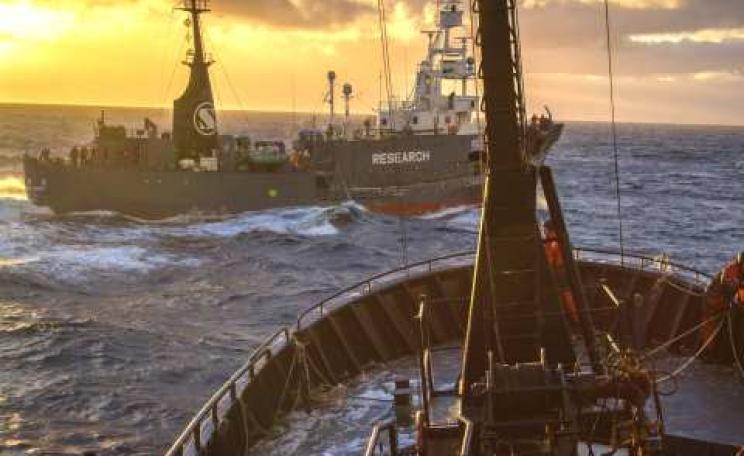
Following the ruling by the International Court of Justice that Japan's whaling in the Antarctic is illegal, Elizabeth Claire Alberts examines the legal, financial and practical challenges of a continued whaling program - with some help from Sea Shepherd's Captain Paul Watson.
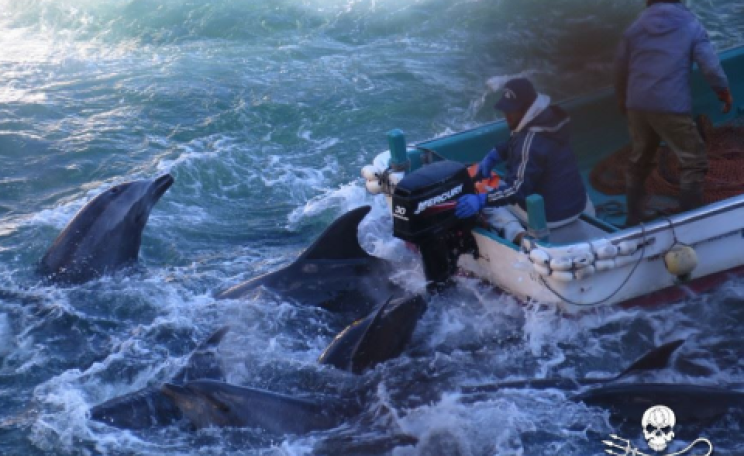
The Japanese dolphin slaughter at Taiji is an exercise in wilful sadism, writes Joshua Frank. But responsibility for the killing spreads much wider than Japan, with captive cetaceans from Taiji reaching aquaria around the globe - including SeaWorld.
The US is not enforcing a law which requires imported fish to comply with US standards for marine mammal protection - although non-US commercial fisheries are killing 650,000 marine mammals a year.
Japan's hunting of cetaceans has become a rallying point for nationalists, but demand for their meat is falling amid worries about toxic pollution. Fukushima could just prove to be the last straw for a declining industry ...
British Airways' commercial partnership with SeaWorld condones the physical and psychological suffering of orcas in captivity, writes Kathleen Haase, who meets the company's executives today. Her aim - to stop the sale of package holidays to SeaWorld parks and expose cetacean captivity as cruel and unethical.