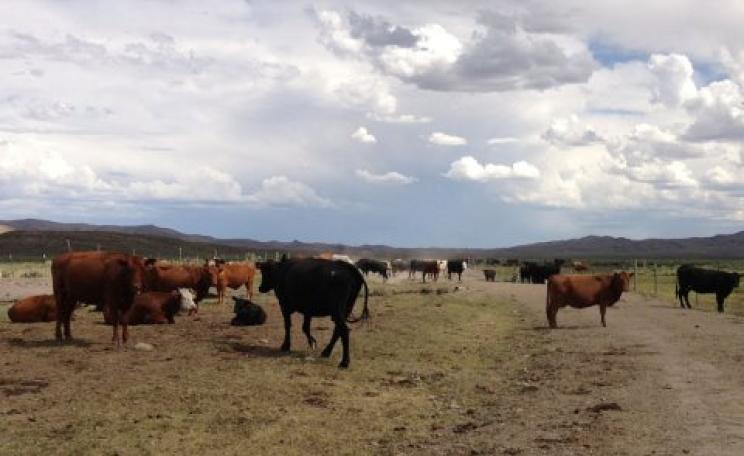
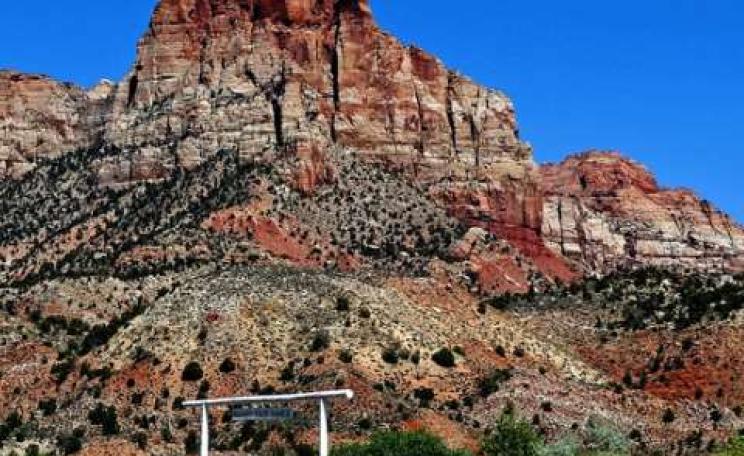
Livestock ranching on US public lands underlies a vast range of environmental problems - so should we welcome 'conservation buyouts' of ranches that own grazing leases? No way, writes William Williers, because the lands are already ours, and to 'buy' them is to support and perpetuate a $1 billion per year fraud against the American people.
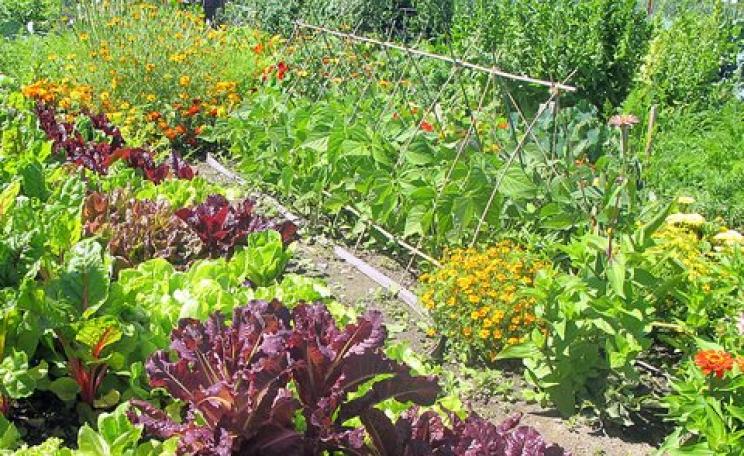
Patented and 'indentured' seeds are fast taking over the world's food supply, write Jack Kloppenburg & Irwin Goldman, terminating farmers' and gardeners' ancient right to develop new varieties, and forcing them to buy seed anew for every crop. Enter the Open Source Seed Initiative ...
Recent decades have seen a hardening global clampdown on the rights of farmers to use, save, develop, share, swap and distribute the seeds that produce the food we all eat, writes Andrew Kimbrell - and which constitute an essential common heritage of mankind. Here's his plan to fight back against the seed monopolists ...
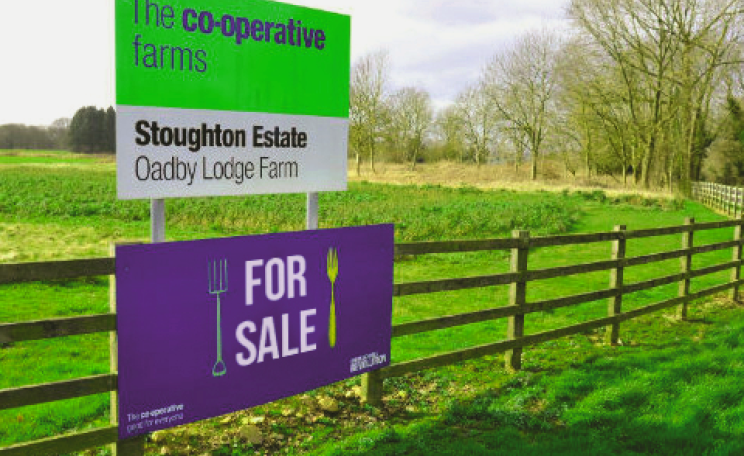
The sale process of the UK's Co-op Group of its entire 70,000 acre farm estate systematically blocked community and cooperative bidders. Not a single such bid was received by the deadline.
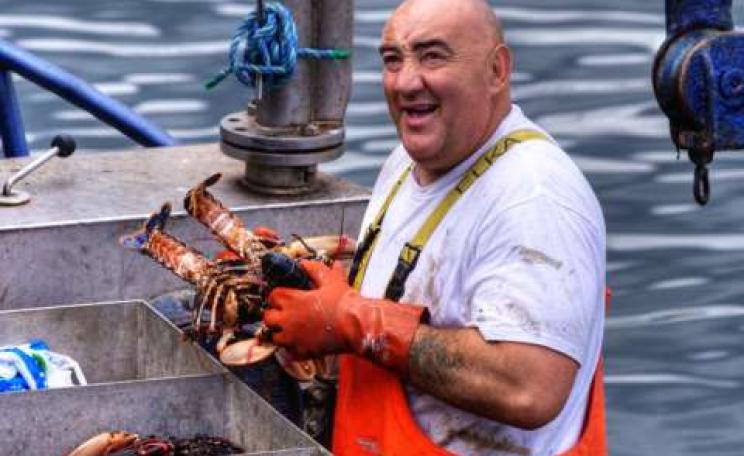
Fishing quotas were meant to conserve stocks and support fishing communities, writes Emma Cardwell. But they have achieved the reverse - rewarding the most rapacious fishing enterprises and leaving small scale fisherfolk with nothing.
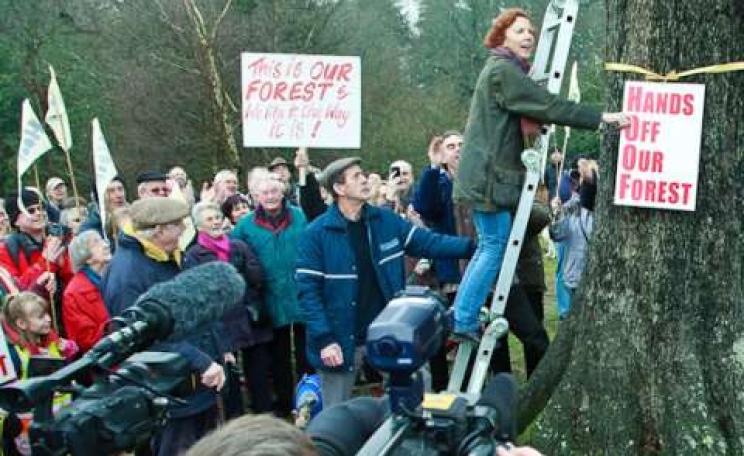
First the Government failed to include a Forests Bill in its legislative programme, writes Owen Adams. Next, campaigners spotted that the Infrastructure Bill enables a wholesale selloff of public lands. Just how safe are Britain's public lands and forests?
The image of the rancher in the rugged West is one of self-sufficiency and a tough defiance of government, writes George Wuerthner. But the truth is that ranchers, especially those using federal land, depend on a host of generous subsidies, both economic and ecological.
Developers are determined to build a massive motor sports complex on common land above the South Wales valleys, on the edge of the Brecon Beacons National Park, writes Kate Ashbrook. But although they have planning permission, they can still be defeated. Image: Ross Merritt, via Flickr.
Most of Europe is in a state of low economic growth, and it's likely to go on for a long time yet. So let's get good at it, writes Rupert Read, and build 'post-growth' economic systems that work for people and the environment - not just plutocrats.
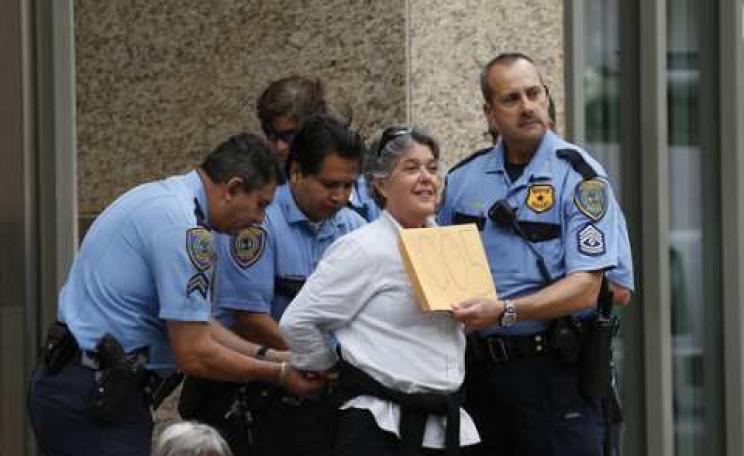
Nearly 100,000 people have pledged to risk arrest if the Obama administration approves the Keystone XL pipeline. Among them is Jeremy Brecher, who believes that the real criminals are governments who betray their fiduciary duty as trustees for the public good.
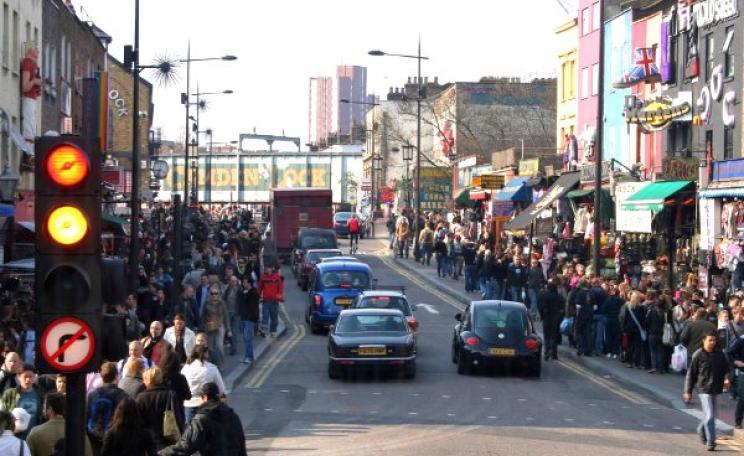
Our road space is dominated by, and planned for, motor vehicles, writes Colin Pooley - leaving while people on foot are crammed on to narrow pavements, obstructed by 'street furniture', made to wait long periods to cross busy roads, and exposed to traffic noise and emissions. It's time put pedestrians first!
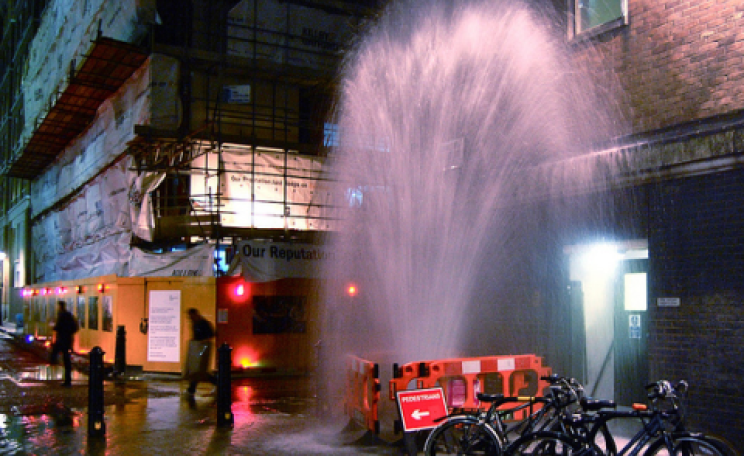
In 2010 Parisians sacked the private water companies. Now they are reaping the benefits of public cownership and control, writes Stephen Struthers - and it's high time for the UK to do the same.
Laws handing sweeping new powers to police and private security to restrict access to Britain's public space will extinguish the diversity of civic life, writes Josie Appleton. Time for us to rediscover and defend our freedoms!
The corporate market has become the institutional equivalent of a compulsive eater. It has a built-in hunger that cannot be filled, and it is hard to stop the damage within the framework of its own game.