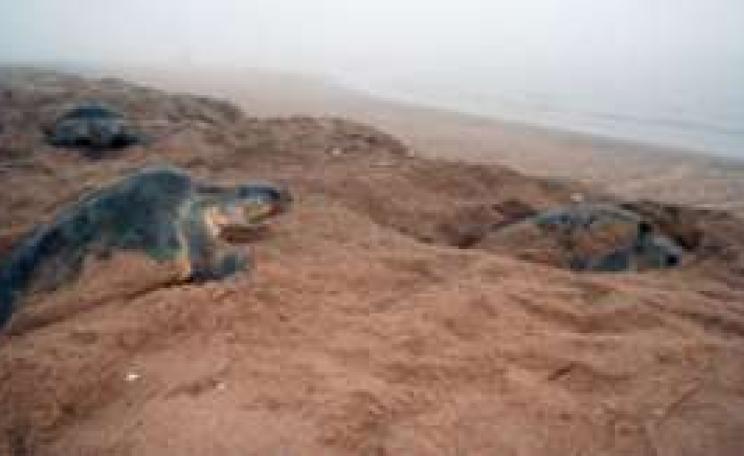
Tata is not limiting itself to dominance of the mainland. Ashish Fernandes reports on the sea turtles falling foul of the corporation in waters off the Indian subcontinent
Two firms in the wind power sector illustrate how companies in the developing world can take advantage of increasing access to technological know-how, while staying within the bounds of intellectual property law, says Joanna Lewis.
‘This is the Indian dream!’ shouts Mohit, clutching a tattered plastic bag as he joins the impatient throng gathering at Hall A of the Auto Expo in New Delhi. Around us more than 100,000 Indians are aggressively jostling for space and a precious glimpse of the £1,200 Tata Nano, the world’s cheapest car. It is a vehicle that, put simply, costs less than the optional DVD player on the new Lexus LX470 SUV.
As the bluetongue virus sinks its teeth into British livestock, there is one appalling certainty: like the outbreaks of Mad Cow Disease and foot-and-mouth before it, some farmers will see no way out, and take their own lives. Farmers in Britain are the profession second most likely to commit suicide (after, bizarrely, dentistry).
I’m sitting opposite the large Coca-Cola bottling plant next to the village of Plachimada in the southern Indian state of Kerala. Plachimada is a farming village of about 800 families, many of them tribal. The ugly factory looks rather out of place in such a beautiful setting, the Western Ghats mountains clearly visible in the distance.