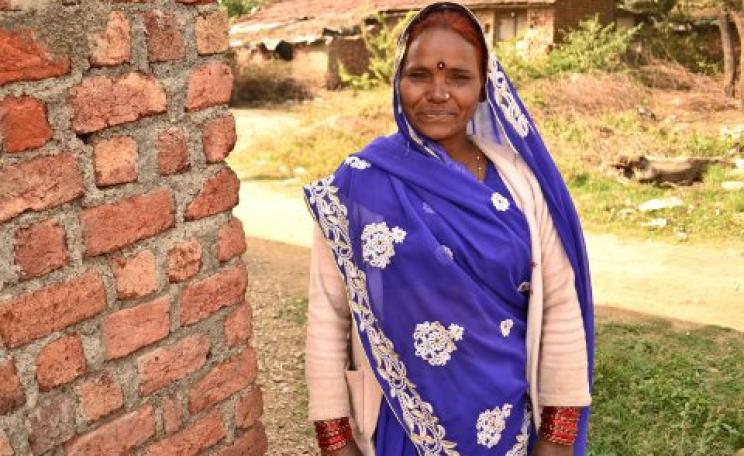
Women of an 'untouchable' caste in village India are rebelling against a life of cleaning human ordure, poverty and relentless discrimination, writes Amy Braunschweiger. Among them is Lalibai, who inherited her 'job' at the age of 12 - but has just helped to organise a protest march of 10,000 women across 18 states.
Blacks, Indigenous peoples and Palestinians are all engaged in a single struggle against a racist empire that systematically robs, colonises, impoverishes, terrorises, enslaves, imprisons, tortures and murders its subject populations. Their struggle for liberation is one, and will ultimately vanquish as the empire collapses from within.
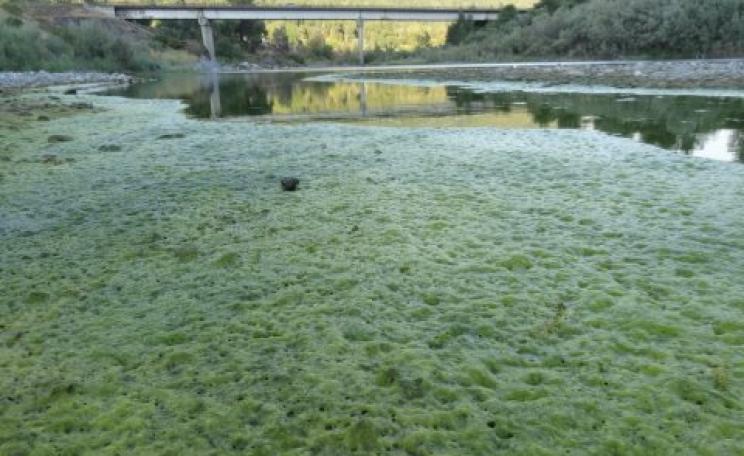
Large scale salmon deaths are imminent on the Klamath River and its tributaries in northern California due to low flows and high temperatures. Native American tribes are protesting in the state capital as federal agencies illegally prioritize water for large scale agribusiness over fish and indigenous people.
Survivors of a previously unknown Amazon tribe have escaped gunmen in Peru, seeking refuge with settled indigenous communities in Brazil. But as Alice Bayer reports, their problems are far from over. Many remain under threat in Peru, and even the refugees are at risk of common but potentially lethal infections.
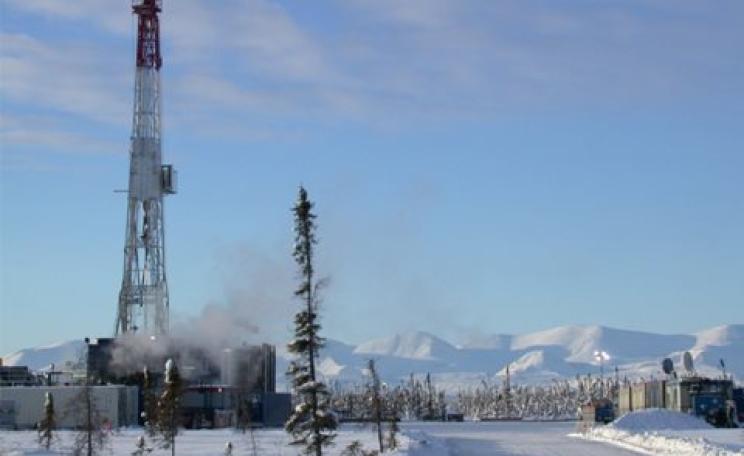
Hydraulic fracturing is roaring ahead in the Canadian Arctic, writes Ed Struzik. Companies are competing to exploit the Northwest Territories' 2-3 billion barrels of shale oil, as the NWT government ignores calls from indigenous nations and scientists for a moratorium on fracking pending an open review of its impacts.
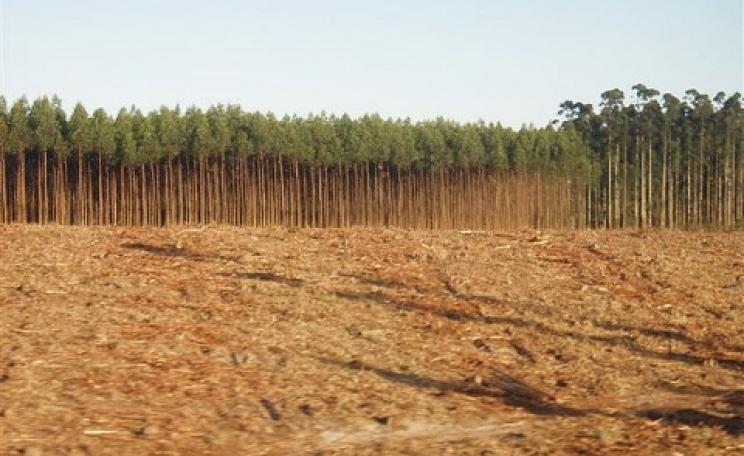
The plight of Kenya's Sengwer people shows that carbon offsets generated by 'sustainable' forest management are empowering a corporate recolonisation of the South backed by the World Bank against its own guidelines, writes Nafeez Ahmed. Indigenous forest peoples are at risk of genocide while corporations let rip.
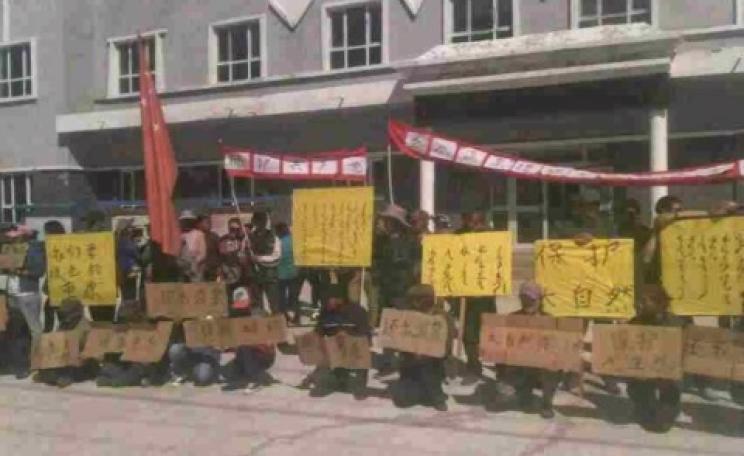
In China's remote Mongolian region, indigenous herders are being forced from their traditional pastures to make way for roads and vast mining projects. Last week they held a public demonstration - but it was immediately dispersed with ten arrests.
If the state does not defend citizens against the violence and destruction of mining, people and communities must defend themselves, writes Raul Zibechi. And in Peru and Colombia that's exactly what they are doing, re-asserting indigenous control of the land and its resources.
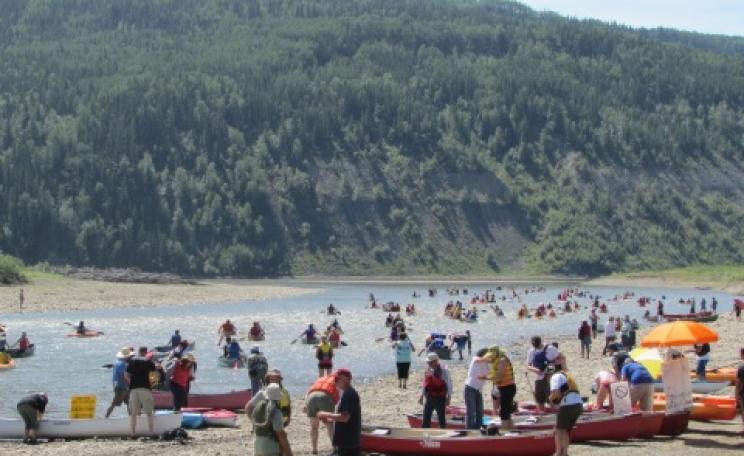
Canada's biggest infrastructure project is planned for Peace Valley, BC - a gigantic $7.9 billion dam that would flood 83 kilometres of the Peace River - all to produce electricity that no one needs. But a coalition of farmers, ranchers and First Nations is determined to block it ...
The World Bank's 'Tropical Forest Action Plan' was an abject failure, writes Chris Lang. Now the same mistakes are being repeated under a new acronym. TFAP is out, REDD is in - but it's still all about corporate control of forests, and blaming deforestation on its victims.
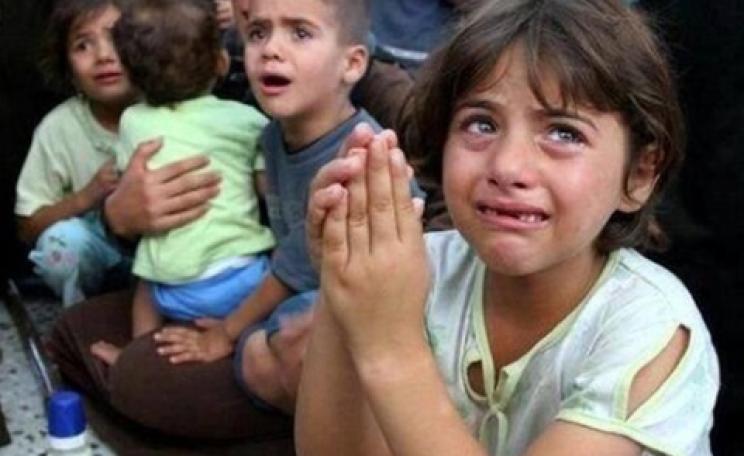
As Israel violates its own 'ceasefire' to murder yet another child in Gaza City, the poet Heathcote Williams delves into aspects of Israel, Palestine and the lethal war now under way that rarely surface in the mainstream discourse - and amid the horror, cruelty and rising tide of fascism, finds grounds for long term hope.
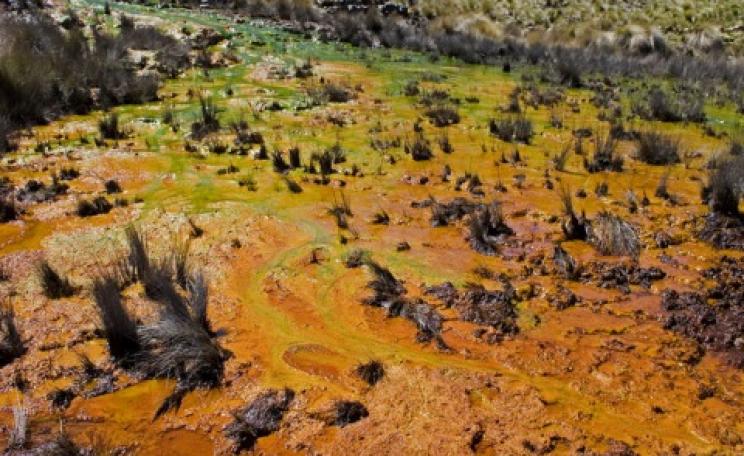
The systemic failure of the Nigerian government and oil giant Shell to clean up the horrendous oil pollution in the Niger Delta has been branded 'shameful' by a group of Nigerian and international NGOs.
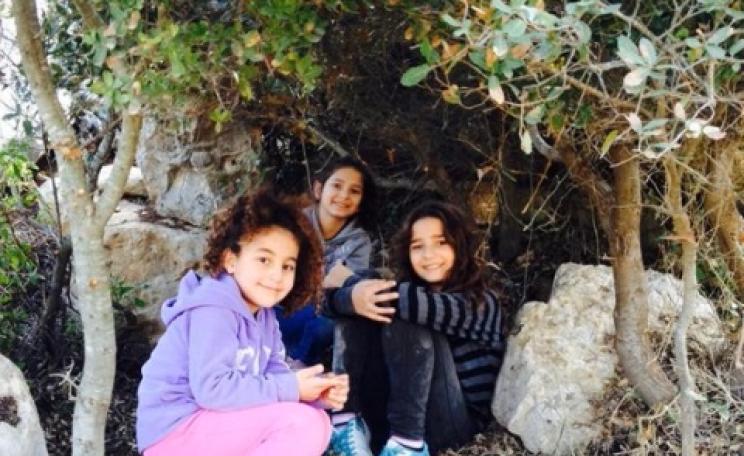
An ecological project has taken root on an abandoned olive grove outside Ramallah. As well as restoring the land itself, its deeper aim is to nurture the ancient links between the Palestinian people and nature, and rebuild a culture of steadfastness in the soil of their native country.
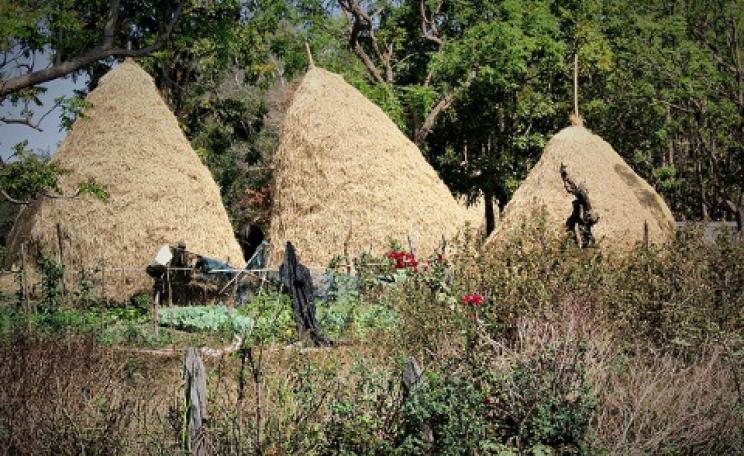
A social solidarity movement is transforming the lives of millions of poor women in Kerala, south India, writes P. Sainath - and among the greatest beneficiaries are indigenous adivasi women who dwell deep in the the forests, and their historically marginalized communities.
Students, workers and civil rights activists gathered in their hundreds today in Delhi to protest at the mining company Vedanta, and the Indian government's support of highly destructive mining projects in forests and on indigenous peoples' lands.
As gold miners face eviction from Yanomami territory in the Brazilian Amazon, a rising tempo of death threats have been directed against the shaman Davi Kopenawa following his successful campaign.
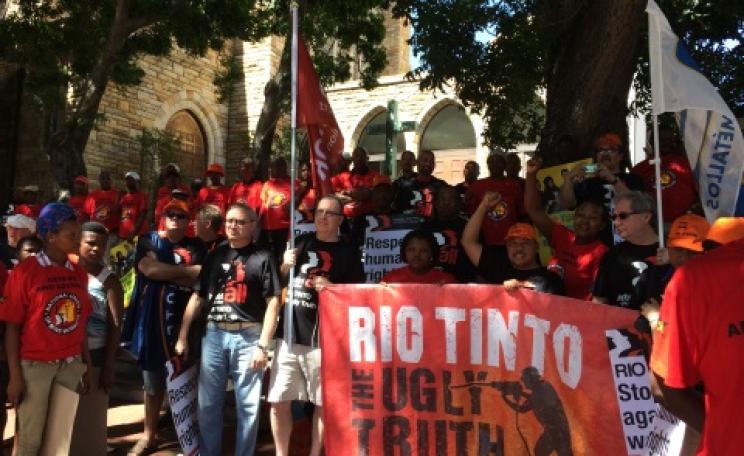
Global mining giant Rio Tinto markets itself as a 'sustainable company', writes Kemal Özkan. But serious failures in its reporting, and its attempt to hold an Australian indigenous group to ransom, reveal a very different truth: the company is driven by a reckless pursuit of profit at any cost.
Since the 1980s Cambodia has lost 84% of its primary forests, and the remote Cardamom mountains are the country's last great natural treasure, writes Rod Harbinson. Just the place for grandiose dam projects? 'No way!" say indigenous people and young eco-activists.
Forest-dwellers in Buriram province involved in a land dispute with the Thai government have been forcibly evicted, intimidated, arrested, held without charge, and dumped on a site unfit for human habitation with no water supply.
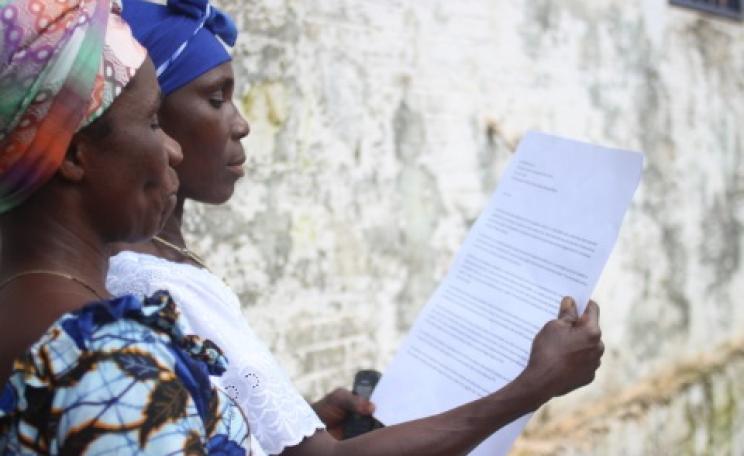
Liberia's Jogbahn Clan is at the forefront of efforts to resist the grab of Indigenous Peoples' land and forests for palm oil plantations. But according to the country's President, they are only 'harrassing and extorting' international investors.
Since 1967, Israeli soldiers and 'settlers' in occupied Palestine have destroyed 800,000 olive trees in an attempt to force Palestinian farmers from their land, writes Megan Perry. 'Our response to this injustice will never be with violence, and we will never give up and leave.'
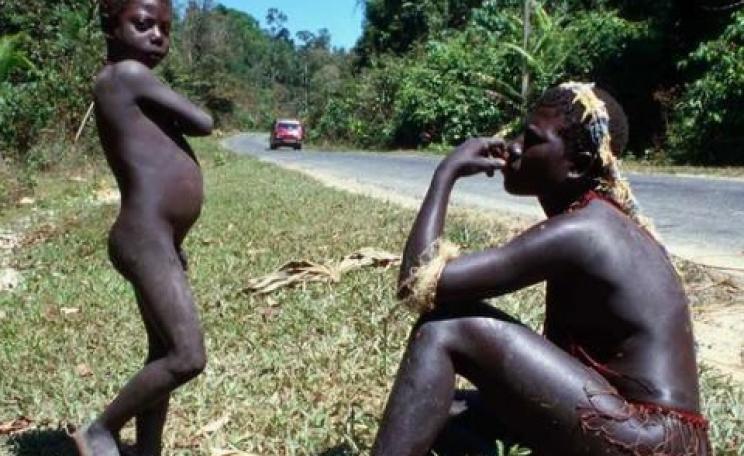
An illegal road on India's Andaman Islands has already opened up a 55,000 year old tribe to disease, sexual abuse and the theft of their resources. But instead of closing the road, local politicians are upgrading it with two new bridges.
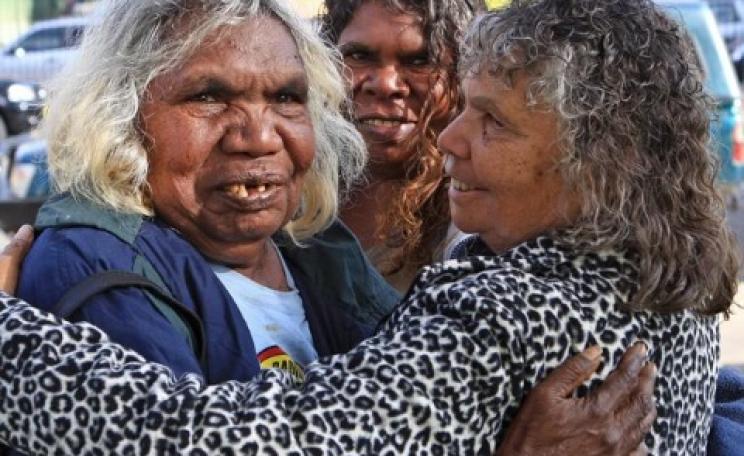
Australia's nuclear industry has a shameful history of 'radioactive racism' that dates from the British bomb tests in the 1950s, writes Jim Green. The same attitudes have been evident in recent debates over uranium mines and nuclear waste, but Aboriginal peoples are fighting back!
Mali's elephants have lived for millennia in the inhospitable Sahara, writes Susan Canney. But with their survival at risk from a host of modern, 21st century threats, local people are coming together to protect them - and finding that they too are benefiting.