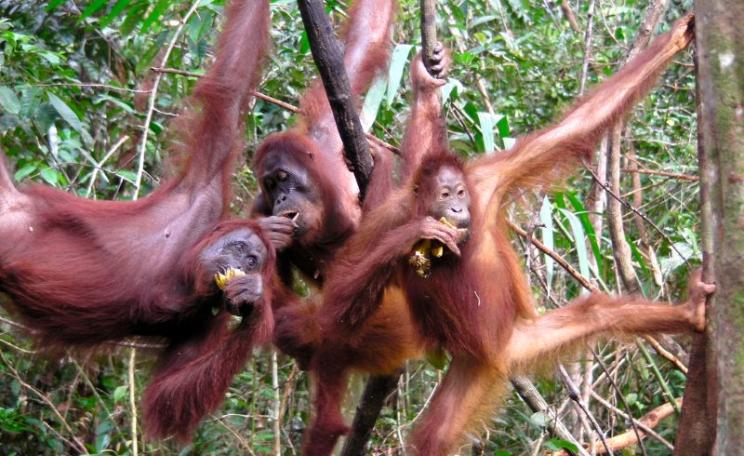
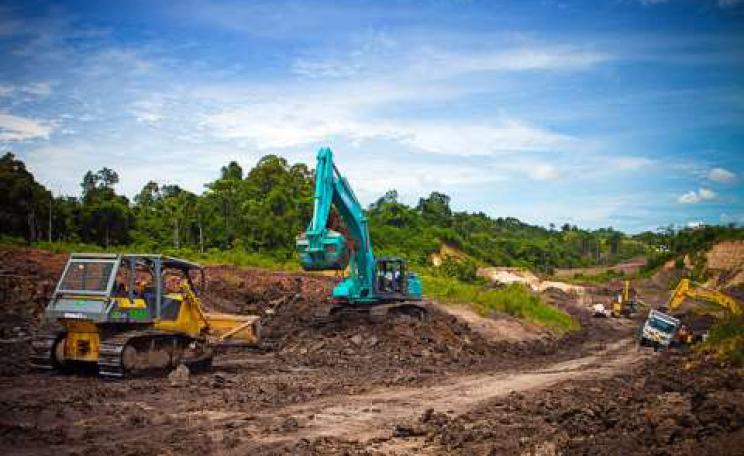
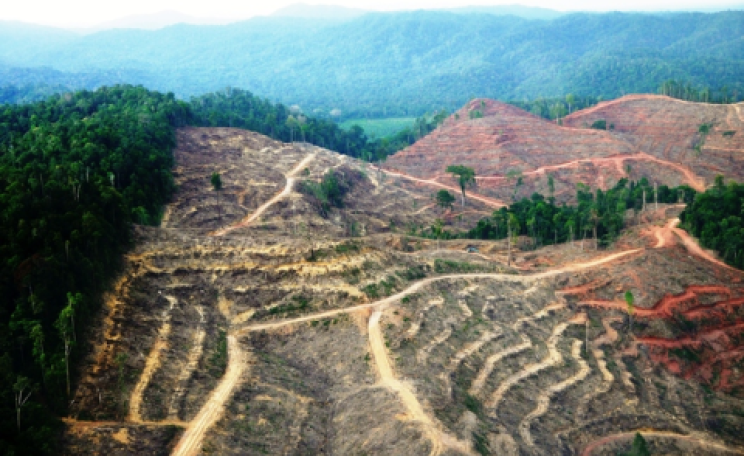
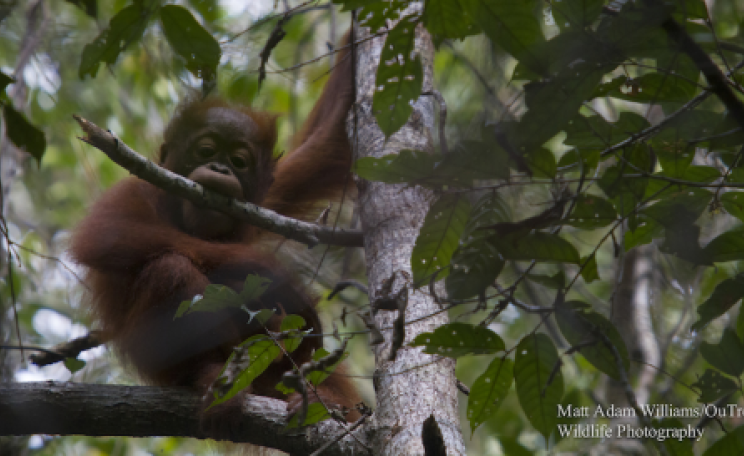
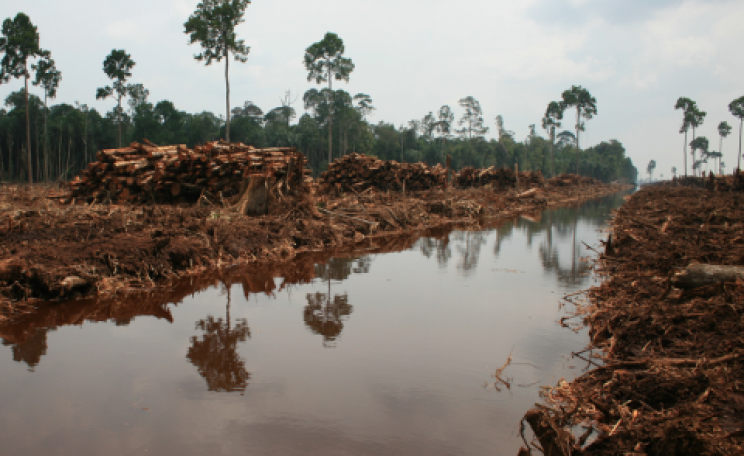
The orangutans of Southeast Asia make a fantastic symbol of endangered rainforests, writes Liana Chua, rousing public opposition to palm oil companies and their bulldozers. But this story of good versus evil omits the essential human dimension. To save the rainforests and their great apes, we must make forest peoples a key part of the conservation narrative.
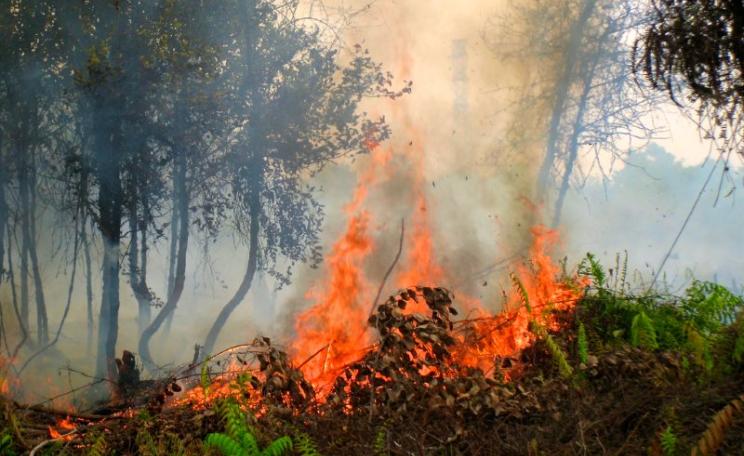
The burning forests and peatlands of Indonesia are once again casting a pall of choking smoke across the region, in the process releasing billions of tonnes of carbon. Promises to solve the problems stand betrayed - and COP21 commitments to tackle the problem are being weakened.
Indonesia's murderous campaign of military repression in its stolen territory of West Papua continues, writes Jason MacLeod. But a courageous 50-year struggle for human rights and freedom is finally bearing fruit, with growing recognition of West Papua's right to nationhood among its Pacific neighbours. Real hopes of a better future are rising above the blood and pain.
The loss of Indonesia's coastal mangrove forests for shrimp farming is a huge source of carbon emissions, writes Prodita Sabarini. But equally, a policy flip to preserve and recreate mangroves offers a major climate win.
The conditions for an 'El Niño' climate perturbation over the Pacific appear to be in place, write Allan Spessa & Robert Field - and that means there's a high risk of large scale fires in Indonesia's forests and peatlands in coming months.
Banks preparing to launch a $400m bond issue for a global palm oil giant with a history of legal violations and broken standards have been warned of their 'high risk client' and the 'extreme and outstanding' social and environmental conflicts in the palm oil agribusiness sector.
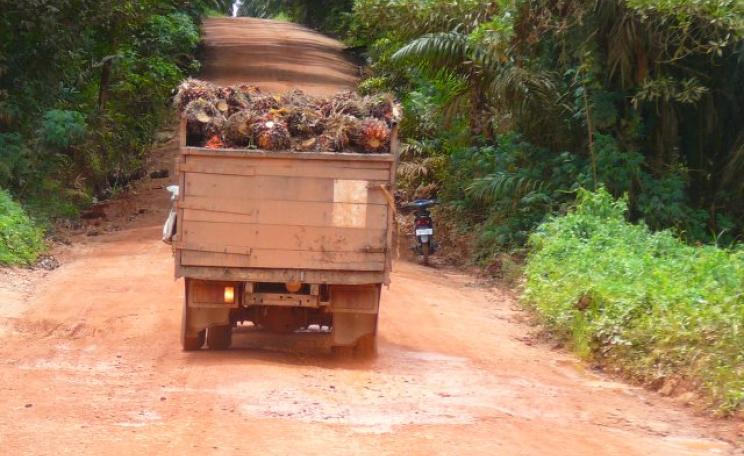
Indonesia appears to brought rainforest logging under control - but it's all a huge illusion, according to a new EIA report. Traditional logging has been replaced by the mass clearance of rainforest for oil palm plantations, creating massive supplies of hugely profitable but often illegal timber. And lurking beneath the surface is a pervasive network of criminality and corruption.
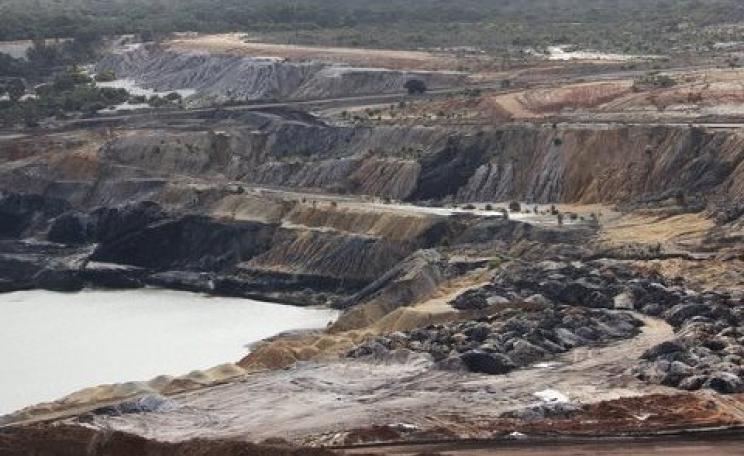
King Coal's reign is coming to an end, writes Chris Rose, at least as a fuel for generating electricity. Following a price collapse half of all production is being sold at a loss - and major coal users like China are still moving away from the high-carbon fuel.
An earless species of monitor lizard from Borneo has suddenly erupted into the international trade among pet keepers and reptile collectors. Although it is protected within its range, there are no restrictions on international trade in the species. An urgent CITES listing is desperately needed!
Coal consumption in China is likely to dwindle rapidly, writes Alex Kirby, leaving its own mining sector and foreign coal exporters in serious trouble. Australia and Indonesia are at greatest risk as China may soon stop importing any coal at all.
Six environment heroes, one from each continent, are honoured for their work today - fighting threats from giant coal mines to forest destruction, fracking, high dams, illegal development and toxic waste dumps. Sophie Morlin-Yron reports.
From now on General Mills, a major US food conglomerate, will buy only palm oil that does not contribute to deforestation or the loss of high carbon tropical peatlands.
As global media focus on Crimea's forthcoming referendum on whether to join Russia, we remember another 'Act of Free Choice' in West Papua in 1969 - which set off 45 years of military occupation, theft, repression and murder.
A succession of mega-corporations that have been driving rainforest destruction in Indonesia have recently announced 'no deforestation' policies. Bill Lawrance asks: is it too good to be true?
Living in the rainforest, tracking orangutans, protecting the swamp forest and fighting off swarms of mosquitos in 30 degree heat. For Matt Williams it was a childhood dream come true ...
The World Business Council for Sustainable Development has warned APRIL, Indonesia's second largest pulp and paper company: end your massive deforestation or you will be expelled.
This month in Sumatra, Indonesia, 1,500 armed men demolished four indigenous villages and displaced inhabitants who were not willing to surrender their land to a palm oil company.
As politicians encourage development around the Kerinci Seblat National Park, Dr. Julian Bloomer explores how the area's endangered species can be protected
When it comes to oils we are spoilt for choice, with more than 130 million tonnes of oil consumed every year, according to the WWF. But with demand set to increase, what sort of impact is our appetite for oil having on the planet? And which is the green choice?
The Environmental Investigation Agency's forestry campaigner Faith Doherty welcomes a new report by the World Bank calling for stronger action to stop forestry corruption, but says more support is needed to help activists follow the money trail
Greenpeace's undercover investigation accused Asia Pulp and Paper's of flouting the logging ban on ramin trees in Indonesia, threatening the remaining population of Sumatran tigers. Greenpeace calls on you to urge companies to boycott APP products
The Dayak Benua community of Muara Tae, Indonesia, are fighting to protect their ancestral forests from a mining company. The London-based Environmental Investigation Agency has now launched a campaign to assist