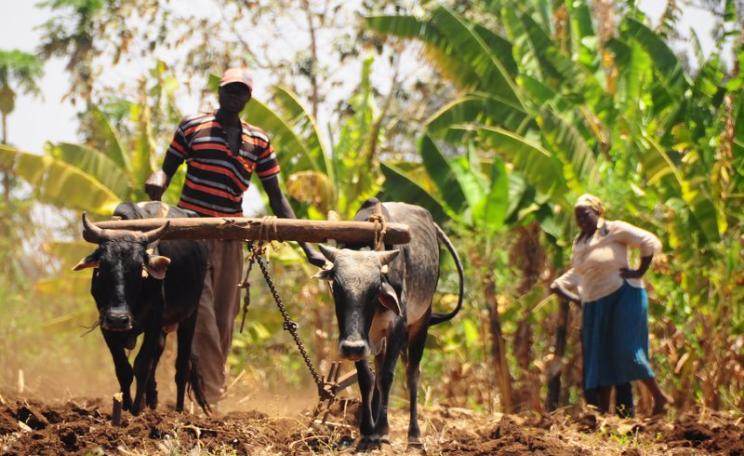
New research indicates that agricultural policies aimed at alleviating poverty in Africa are making things worse, writes Lawrence Woodward. Backed by 'development' aid, big business is forcing modern farming practices on unwilling rural communities. Only the rich benefit, while the poor carry the burden of landlessness and debt.
The Kawahiva, an uncontacted tribe in the Amazon rainforest, face extinction unless Brazil's government acts to secure their legal rights to land, security and to remain undisturbed by outsiders, writes Lewis Evans. The decree that would achieve this vital goal has been sitting on the Minister of Justice's desk since 2013. Let's make sure he signs it soon, before it's too late.
Since Poland's new government was elected last October it has moved to protect the country's 1.3 million small farmers, writes Julian Rose. First it freed those arrested for protesting corporate land grabs, now it is seeking to lighten oppressive hygiene regulations, and next it may support a new Food Act that would ban GMOs, and legislate for national food security and food sovereignty.
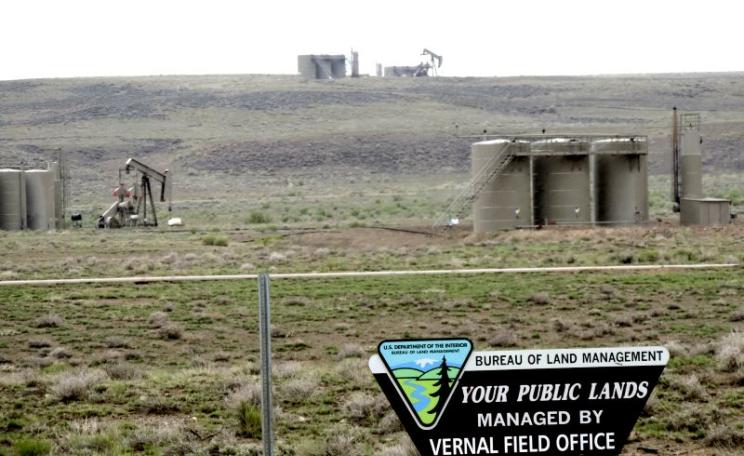
Now that the US is signed up to ambitious Paris targets to limit warming, it too must play its part in keeping fossil fuels under the ground, write leading US campaigners. So let's make an immediate start by halting all new federal oil and gas leasing on public lands pending a full climate and environmental impact study.
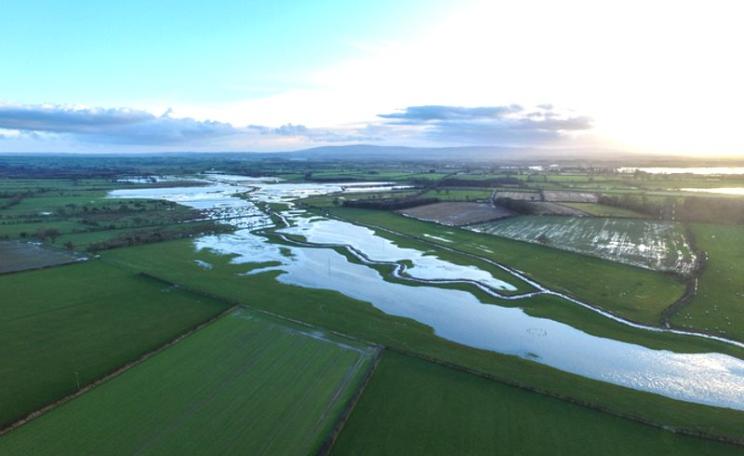
Changes to natural drainage processes in headwaters, rivers, floodplains and river channels has increased the UK's vulnerability to heavy rainfall, write Neil Entwistle & George Heritage. And to put things right, we must first gather the detailed evidence of what took place in recent floods. The Environment Agency must publish all its data, maps and images - now!
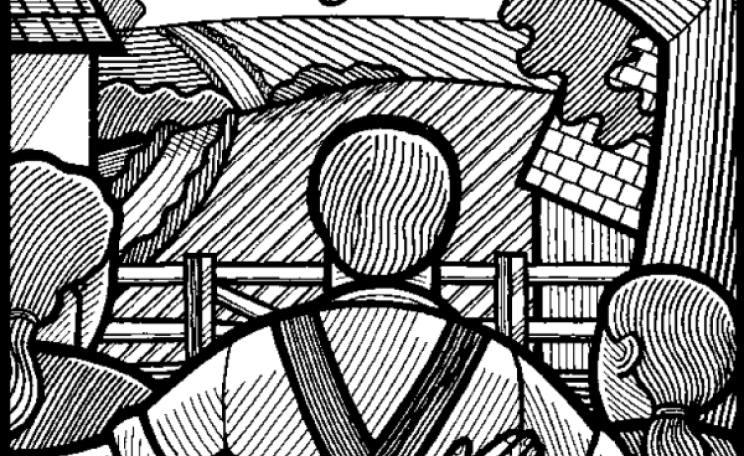
At a time when the Labour Party is discovering its egalitarian roots, inequality is as much of an issue in the countryside as in the city, states this 'Rural Manifesto' from the Land Workers Alliance and The Land. The neglect and exclusion of Britain's rural poor and landless farmers must end.
The key to reducing the risk of more floods like those in Carlisle is to realise that conventional 'flood defence' can never provide security against the ever more extreme weather events that global warming will bring. We must embrace natural solutions to holding back flood waters: more trees; and bring back the beavers!
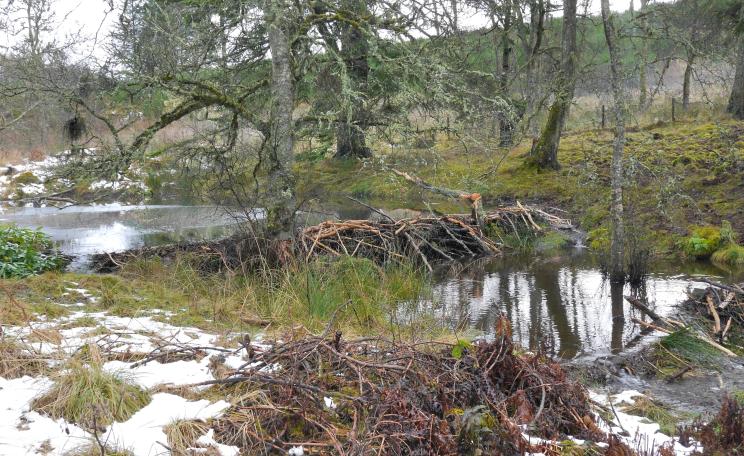
Native wild beavers in their natural range are meant to receive stringent protection under European and Scottish law, writes Louise Ramsay. But farmers have declared 'open season' on the small but growing population, shooting them at will, while the Scottish Government and its wildlife agency look the other way.
Almost all our food is grown in soil, writes Peter Melchett. Yet we are treating it like dirt: spraying it with toxic chemicals, depleting vital nutrients, and releasing its carbon to add to climate change. With World Soils Day coming up tomorrow, let's change our ways - and renew our commitment to organic food and farming.
‘Climate Smart Agriculture' can be applied to anything from industrial monocultures to agroecology, writes Helena Paul - and fertiliser, biotech and agribusiness corporations are seizing the chance to cash in. Now COP21 host France is proposing to use soils as a giant carbon sink - a fine idea in itself, but not if it's used to 'offset' continued fossil fuel emissions, and to greenwash industrial agriculture.
While the Gates Foundation and conservative politicians are bigging up GMOs and agribusiness, writes Colin Todhunter, a quiet revolution has been working its way across Africa. Agroecological farming, constantly adapting to local needs, customs, soils and climates, has been improving nutrition, reducing poverty, combatting climate change, and enriching farmland.
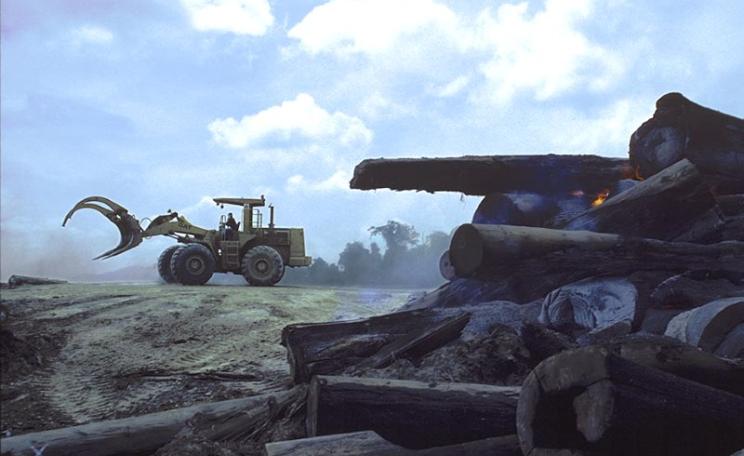
As indigenous activists opposing hydropower dams on their territories gather this weekend in the rainforests of Sarawak, Malaysia, they have good news to celebrate, writes Rod Harbinson: a giant dam on the Baram river has been put on hold. But the forests are still being logged, local people have been stripped of land rights, and a programme of 12 giant dams is still official policy.
Climate Smart Agriculture sounds like a great idea, write hundreds of civil society organisations worldwide. But in truth it's a PR front for international agribusiness to promote corporate agriculture, pesticides and fertilisers at COP21, with a heavy dose of greenwash. Countries must resist the siren calls - and give their support to true agroecology that sustains soil, health, life and climate.
Building resilience to flood and drought is all about working with farmers, writes Colin Tudge. Simple things like ploughing across slopes, not up and down them, planting trees, and caring for soils, can make a huge difference in helping rainwater to sink into the ground, not run off. And to make it happen, the government must take a lead.