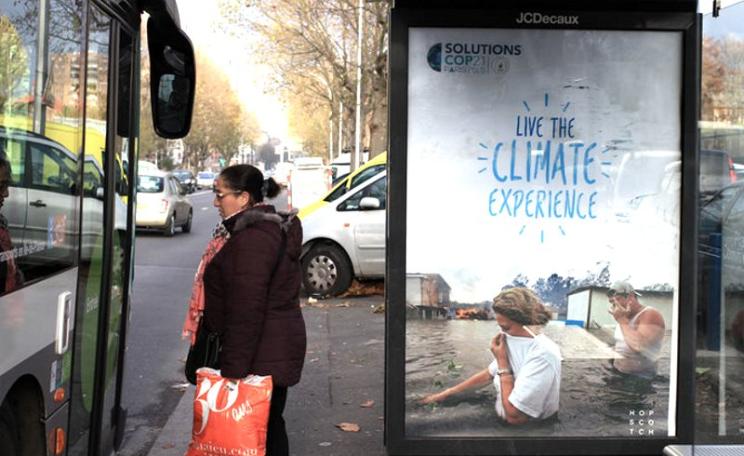
Civil society may have been kept out of the COP21 conference centre, even forbidden to march on the streets, writes Thomas Dekeyser. But climate activists have found an new means of expression: the 'Brandalism' of 600 advertisements in bus shelters across Paris, replacing corporate brand-building with subversive messages on climate and consumerism.
Britain's five top media billionaires are all 'climate sceptic and using their newpapers to disinform us on climate change and block effective action, writes Donnachadh McCarthy. So let's put together a block of climate-aware advertisers to demand they tell the truth.
Amid the human suffering caused by terror attacks, it's easy to forget the economic dimensions, writes Paul Mobbs. But after the 13th November attacks in Paris defence industry shares soared, while a host of connected think tanks, lobbyists and politicians dominated the media in pushing for military responses. Is it time to expose and confront the terror industrial complex?
The recently announced Snoopers Charter 2.0 gives the state enormous powers to delve into our lives, writes Paul Mobbs. And all the more so when combined with other data to which the government has access - by simply buying it from commercial providers. If you don't like the idea, it's time to get your systems secure and shrink your digital data trail.
As the world's media hails Burma's first elections since 1990 and the country's 'democratic transition' from military rule, Guy Horton warns against the delusional thinking that underlies these optimistic narratives. The reality is one of fascism, mass murder, genocide and systematic discrimination - in which Aung San Suu Kyi herself is complicit through her silence.
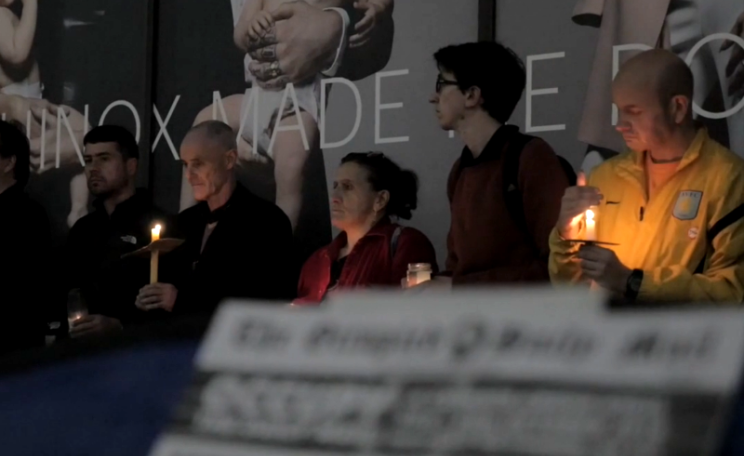
Climate protestors claimed a big win after a successful 48-hour vigil outside the Daily Mail's London offices with Green Party Leader Natalie Bennett that won wide support from the Mail's own journalists. More events will follow in the run up to COP21.
The love affair of the 'pro-nuclear greens' with a failed technology has paved the way to the UK's destruction of its renewable energy industry, writes Jonathon Porritt, and to the imminent deal with Chinese parastatal corporations to build a new fleet of already obsolete nuclear power plants at massive cost to us all.
Sue Lloyd Roberts, the brilliant investigative journalist who died yesterday, was a unique phenomenon in the BBC, writes Oliver Tickell - fearless, rooting out the dirtiest of secrets, fighting the cause of the oppressed, abused, exploited and downtrodden. Now the BBC must keep her mission alive with a new, independent unit dedicated to human rights worldwide.
The leaked chapter of the Trans Pacific Partnership chapter on intellectual property represents a wholesale attack on internet freedom, investigative journalism, and the wider creative commons, writes Jeremy Malcolm. While massively advancing corporate financial interests in binding clauses, the parts that purport to protect information users are soft guidelines that cannot be enforced.
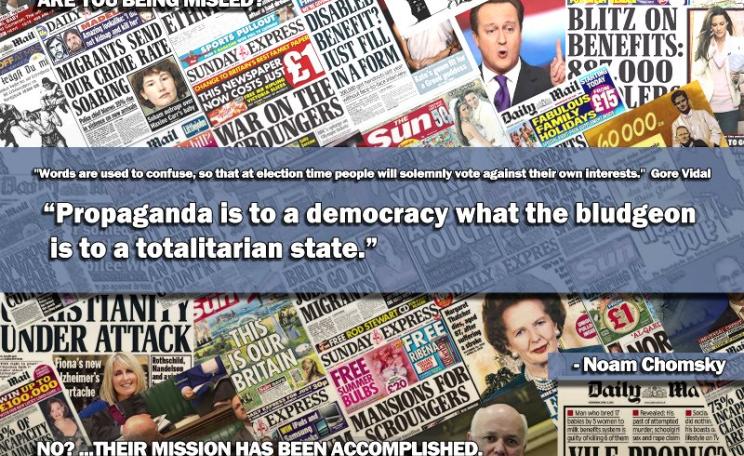
A handful of 'climate sceptic' billionaires, owners of most of the UK's biggest selling newspapers, have used their media dominance to spread a false narrative on climate change, and undermine prospects for effective action to curb fossil fuels, writes Donnachadh McCarthy. Campaigners must fight back - beginning with a series of actions that begin outside the Daily Mail this month.
The 'Kevin Folta affair' has cast the hard light of day into the dubious PR tactics of the GMO industry, writes Claire Robinson - recruiting and paying scientists as secret shills to promulgate a pro-GM message without revealing their funding sources.
It's tough being a filmmaker on the front line of environmental defense, writes David Lavallee - challenging corporate control of the Earth's resources, not to mention governments and security services, all of them intent on extracting every last drop of oil and gas from the world's most pristine places. All the more so when holding a camera makes you an instant 'eco-terrorist'.
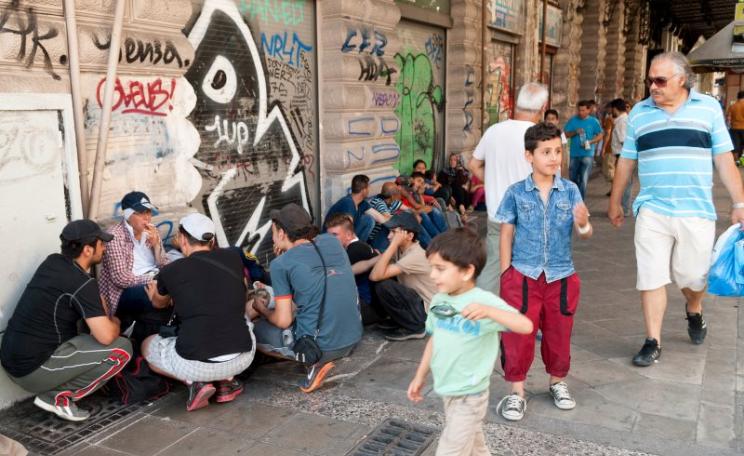
By working together and caring for those in need we can show that human kindness and global cooperation are stronger than competition and fear, writes Matt Mellen, and essential to building the better world we seek. Let's begin by recognising the humanity of the refugees washing up on Europe's shores.
Professor 'Jim' Al'Khalili's 'Inside Sellafield' programme was a tour de force of pro-nuclear propaganda, writes David Lowry - understating the severity of accidents, concealing the role of the UK's nuclear power stations in breeding military plutonium, and giving false reassurance over the unsolved problems of high level nuclear waste.
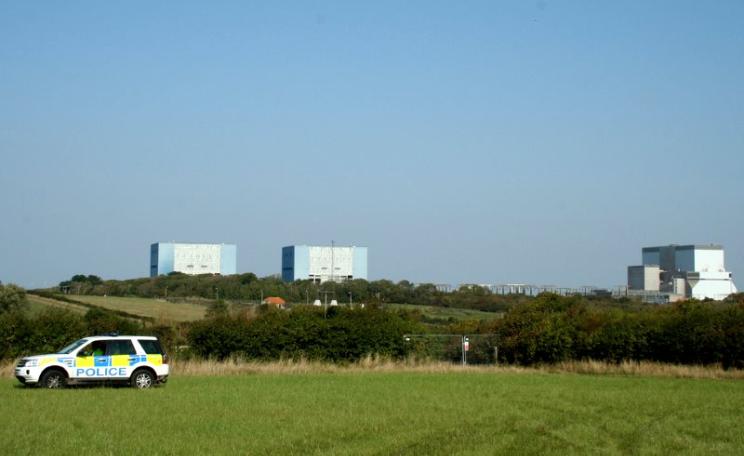
Following high-level criticisms of the Hinkley C nuclear plant from HSBC and the Chancellor's father in law, EDF, the company in line to build the power station, is fighting back hard, writes Oliver Tickell. But it could all be too late to rescue the doomed project.
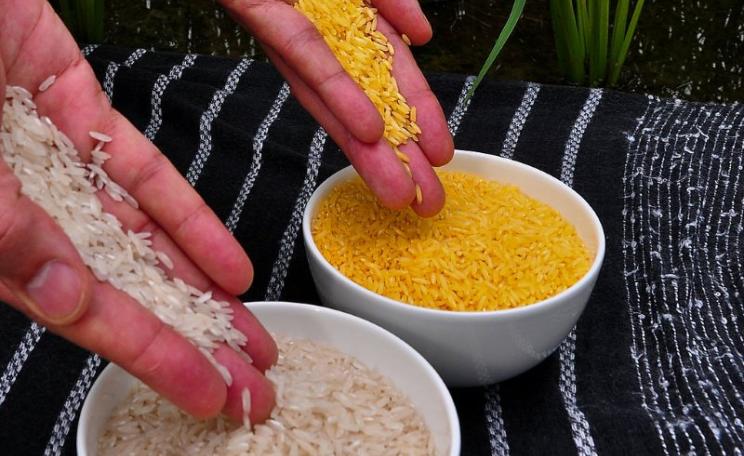
A key paper that's been widely cited to justify the use of GM 'Golden rice' to boost vitamin A nutrition has been withdrawn due to ethical breaches, with no proof of consent by parents of the children taking part in trials. But that's not the only objection.
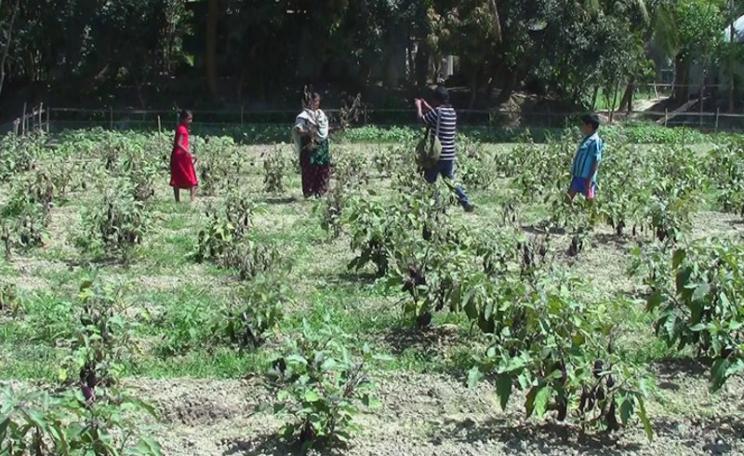
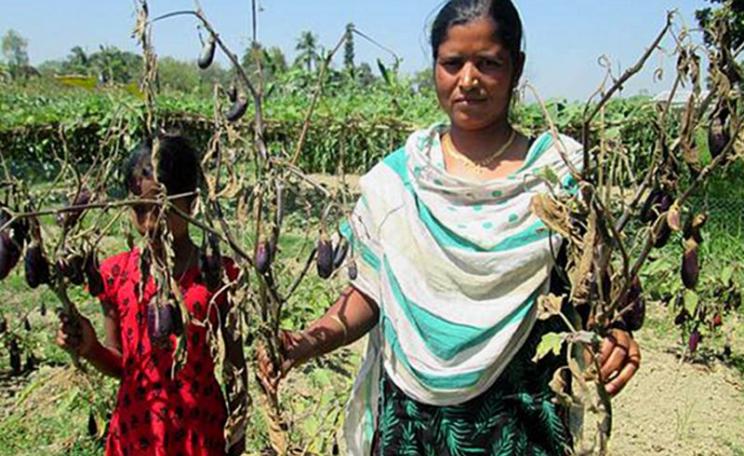
A BBC documentary claimed 90% success for a controversial GM crop in Bangladesh, Bt brinjal, writes Claire Robinson. But as journalist Faisal Rahman discovered, there's no evidence to support the claim, the BBC relied on biased sources, and its journalists failed to investigate reports of widespread crop failure. Was it all an exercise in pro-GMO propaganda?
The Panorama programme on GM foods and crops last Monday was a masterpiece of spin, bluster, misrepresentation and outright deceit, write Lawrence Woodward & Pat Thomas, with the BBC's top investigatory strand hijacked to force feed the UK population with the purest of pro-GMO propaganda.
It's odd how often the contribution of nuclear energy is overstated, writes Neil Crumpton, by mixing up 'energy' and 'electricity', while a similar trick to understates the importance of renewables like wind and solar. Even odder is how the mistake always seems to go the same way, to make nuclear look bigger than it really is, and renewables smaller. Welcome to the nuclear 'X factor'!
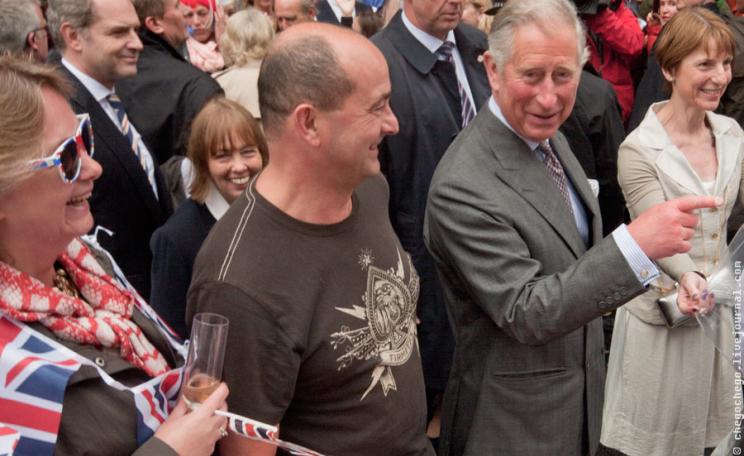
In a private letter to Tony Blair released today Prince Charles strongly urged Tony Blair to expedite a badger cull in 2005, raising the spectre of a third 'food scare' that would strike down British farming on the scale of BSE and Foot & Mouth disease.
Powered by 100% renewable energy, Apple is maintaining its lead as the internet's greenest company, But others are lagging behind: Google has yet to reach 50% and relies heavily on coal, while Amazon's AWS, the massive 'dark cloud' of the web, won't even answer questions.
This week the people spoke - and a tad under a quarter of them voted to put the Conservatives in power for another five years, writes Jonathan Cook. Was it an act of collective insanity? No, it's much worse than that. It's because our politics, media and ultimately our minds are controlled and manipulated by billionaires.
After the world's warmest year ever governments are pouring trillions into fossil fuels every year and the UK has even created a legal obligation on itself to maximise oil and gas recovery, writes Donnachadh McCarthy. But thanks to the UK's media billionaires climate change has not even figured as an election issue. Join us to protest tomorrow!
When seeking a new Vice-Chair for the BBC Trust, would you seek out a distinguished journalist? Or the Chairman of Europe's biggest arms company, one with a murky past of corruption and supplying deadly weapons to despotic governments? For the British oligarchy, writes Harry Blain, the answer is obvious.