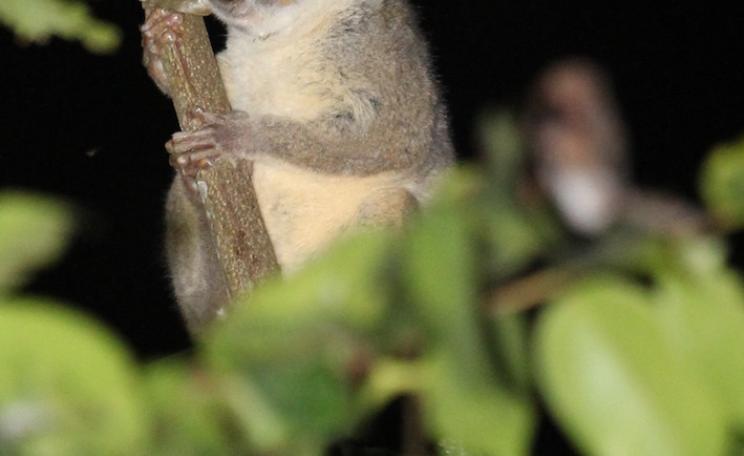
Until now, civil unrest and the difficulty of working at night have stood in the way of understanding the true nocturnal diversity of the African rainforests but the recent discovery of a new species of primate hints at what lies in wait to be discovered
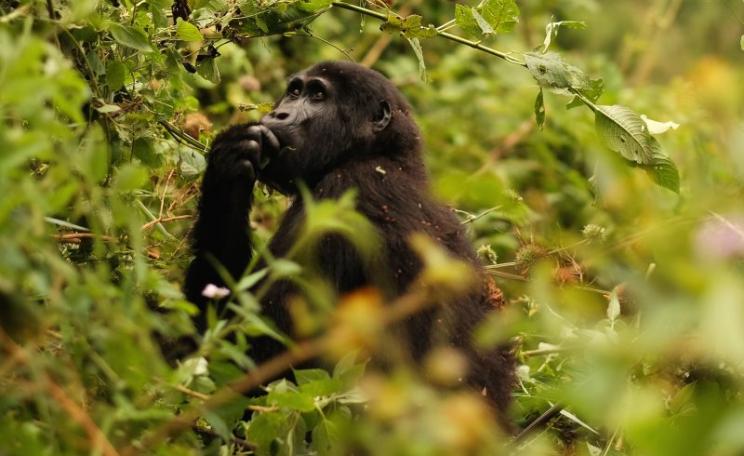
Mountain gorillas in the Bwindi Impenetrable Forest are at risk from tea plantations that would obliterate the adjacent Kafuga Forest, a vital buffer zone for local people, writes Richard Sadler. Deprived of foods, herbs, medicines and clean water from the forest, human pressure on the gorillas would inevitably increase, and expose them to potentially lethal diseases.
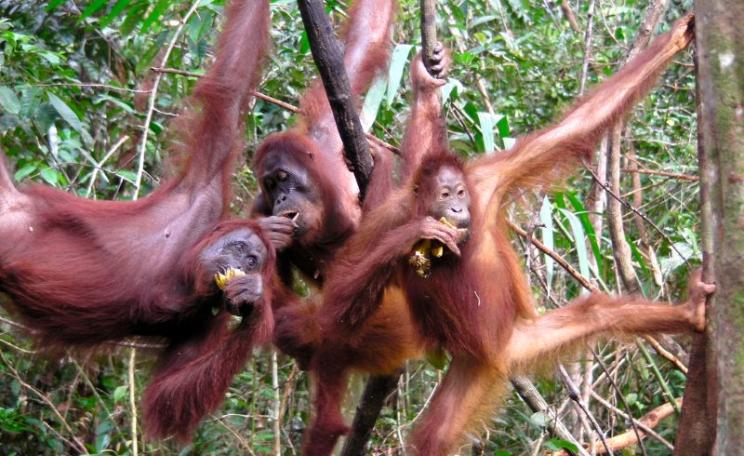
The orangutans of Southeast Asia make a fantastic symbol of endangered rainforests, writes Liana Chua, rousing public opposition to palm oil companies and their bulldozers. But this story of good versus evil omits the essential human dimension. To save the rainforests and their great apes, we must make forest peoples a key part of the conservation narrative.
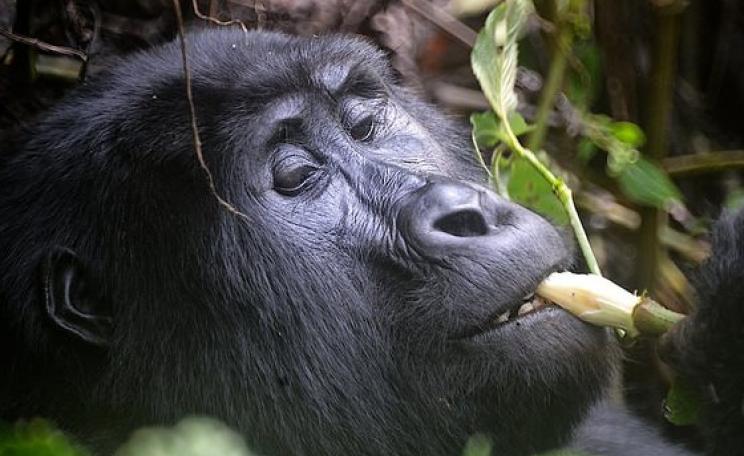
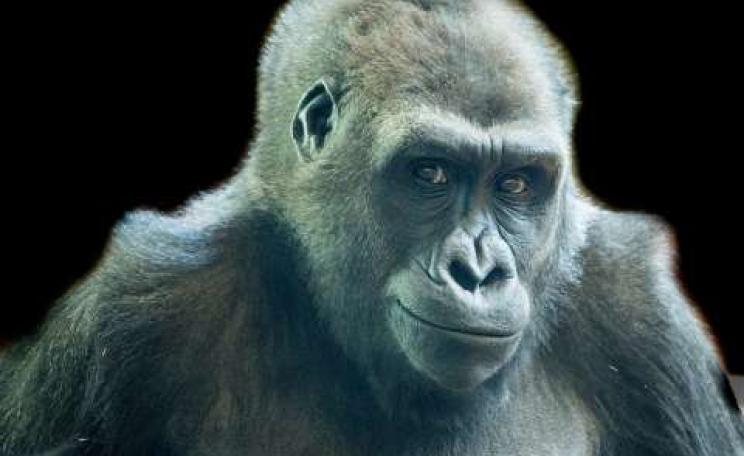
Ebola has wiped out a third of chimps and gorillas since the 1990s, writes Meera Inglis, and together with hunting and deforestation is pushing them towards extinction. So why haven't we even used a safe, effective Ebola vaccine developed for chimps and gorillas?
Logging, mining and agriculture are opening up Guinea-Bissau's once intact forests to the ravages of the bush-meat trade, an Ecologist investigation finds
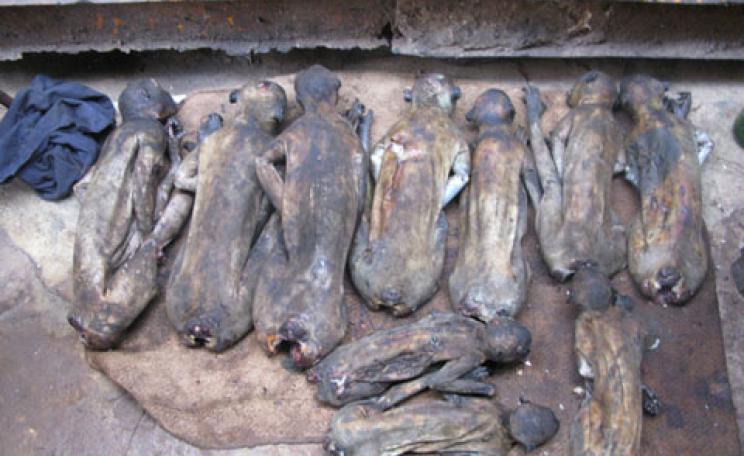
In a remarkable and harrowing dispatch from Guinea-Bissau, Dawn Starin reports how logging, mining and agriculture are opening up the country's once intact forests to the ravages of the growing bush-meat trade, threatening some of the country's most enigmatic monkey species