The health of Europe's citizens is on trial as the EU's food safety regulator challenges the World Health Organisation over glyphosate and cancer, writes Corporate Europe Observatory. On the WHO side, published, peer reviewed science, real world epidemiology and open processes. While the EFSA conclusion is based on secret industry studies and opaque procedures. Will science or realpolitik win the day?
A six-month investigation finds that the revolving door between government and the chemical industry has led the EPA to rely on easily manipulated toxicology research carried out entirely on computers - and this 'in silico' science often trumps both biology and epidemiology when it comes to regulatory action, or lack of it. The result? Toxic substances remain in everyday products.
The US Environmental Protection Agency has just withdrawn its authorization for a toxic mix of two herbicides, glyphosate and 2,4-D, to be used on GM crops. The move came in response to a lawsuit claiming the initial registration was unlawful.
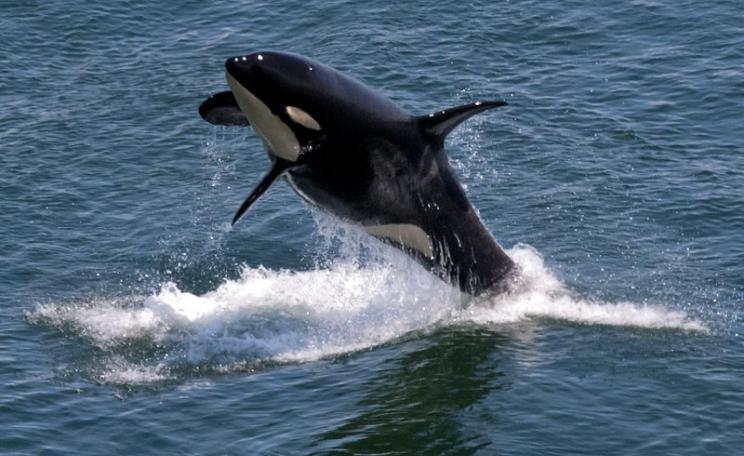
The Southern Resident Orcas of Puget Sound have plenty of problems, writes Kathleen Haase. But as the film 'Fragile Waters' makes clear, there's a common thread: us. Whether it's over-fishing Chinook salmon or polluting the ocean with toxic chemicals, we are driving them to extinction - and if we don't soon mend our ways, it will be too late.
A new wave of ‘next generation' GM crops resistant to multiple herbicides, may be approved for import into the European Union, writes Helen Wallace, even though the health impact of the herbicide combinations is unknown. Regulators and retailers must refuse to authorise these GMOs or allow their use in any part of the food chain.
As industrial agriculture continues to erode our wildlife, Dave Goulson challenges the methods and objectives of ever-increasing food production. We need to move towards sustainable, evidence-based farming systems that produce healthy food, rather than allowing the agrochemical industry to reshape our farming, countryside and nutrition to its quest for profit.
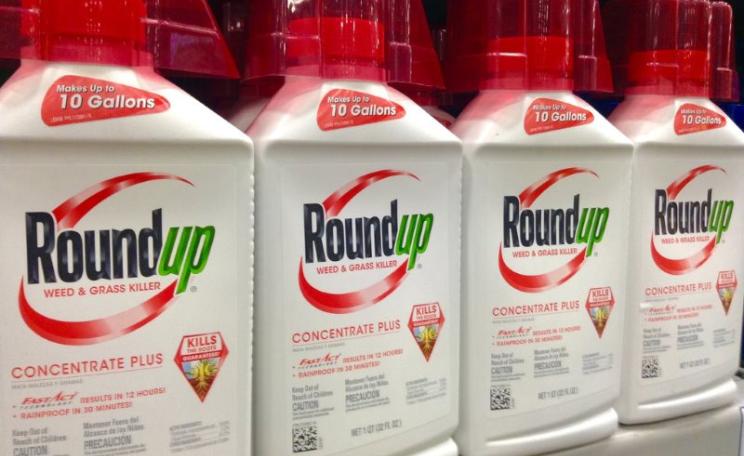
Europe's top food safety regulator has ruled that the world's top selling herbicide, glyphosate, does not cause cancer - in defiance of the WHO and overwhelming scientific evidence. The decision opens the way for a 10-year EU re-approval next year, before its Chemicals Agency has released its own findings.
The European Food Safety Authority is about to decide on a re-authorisation of glyphosate, a 'probable carcinogen', based on unpublished industry studies. In this Open Letter to the European Commissioner for Health and Food Safety, campaigners call on him to ensure an open, scientifically robust process - and to immediately restrict the herbicide.
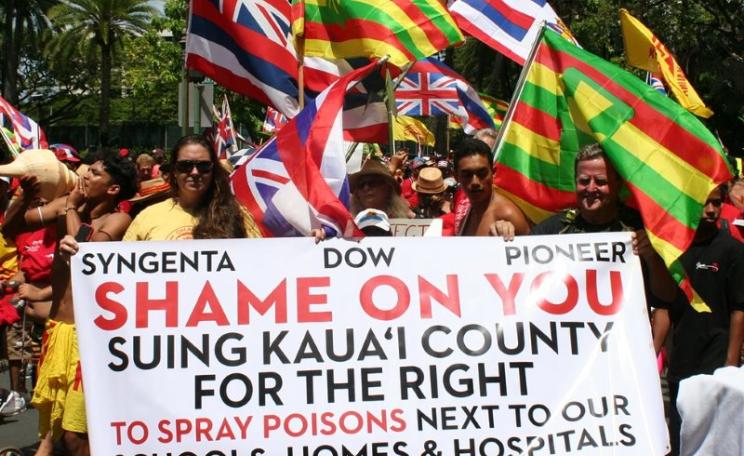
Hawaii has got everything, writes Christopher Pala, and not just for holidaymakers. It's also the perfect place for biotech companies to develop GMO corn varieties and spray them with toxic agrochemicals. People are getting sprayed too - and doctors report high rates of birth defects. But grassroots efforts to restrict the use of pesticides have twice been over-ruled by state courts.
The EU's decision to authorise a new 'neonic' pesticide knowing it was highly toxic to bees has been challenged in the European Court. A similar permit granted to sulfoxaflor in the US has already been struck down by a federal court.
Organic farming produces more nutritious food than chemical agriculture, writes Colin Todhunter, while sustaining soils and building organic matter. And we know this from real, peer-reviewed scientific studies - unlike the pseudo-science touted at us by the self-interested advocates of industrial agribusiness.
Eight Greenpeace expeditions to far-flung corners of the Earth all found ubiquitous traces of PFCs, writes Gabriele Salari. These toxic, long-lived chemicals are widely used on outdoor garments to make them proof to the fiercest of storms - even though there are safe alternatives and most people don't need them anyway. If you're buying outdoor gear, be sure to choose PFC-free!
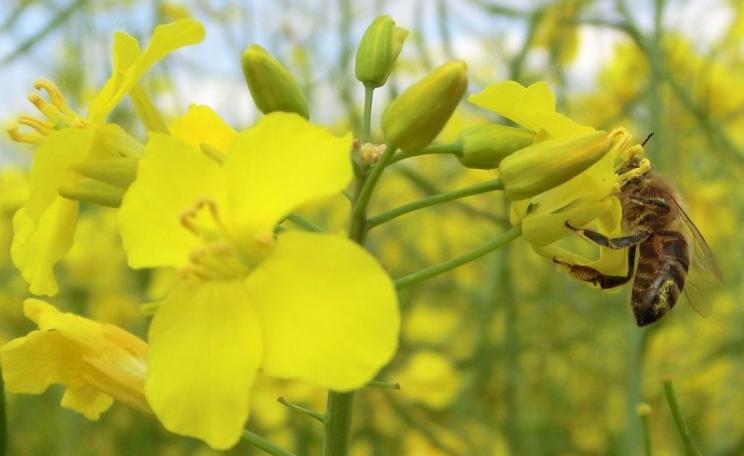
Wild flower margins around arable fields can funnel deadly pesticides into the bees, wild pollinators and other insects they are intended to benefit, writes Oliver Tickell. Neonic pesticides are often far more concentrated in the wild flowers than in the crop itself.
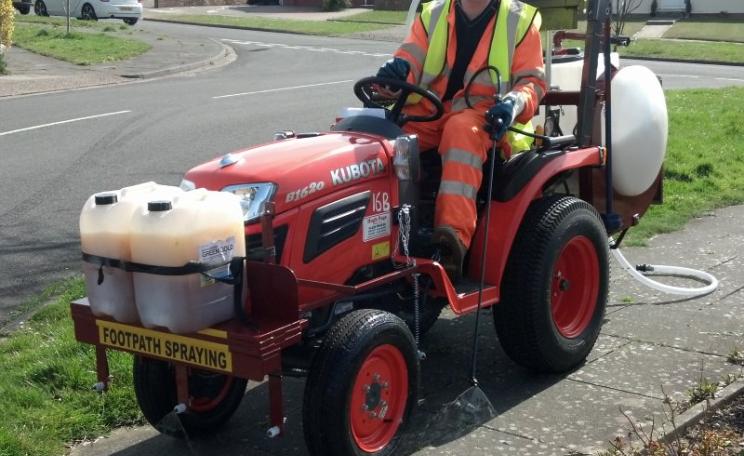
Local authorities around the world are going pesticide-free following an initiative by a small town in Canada 25 years ago, writes Keith Tyrell. Now the movement is coming to the UK, with campaign groups setting up in towns, cities and rural communities to keep pesticides out of our streets, parks, playgrounds and allotments.
A new study shows it's not just neonicotinoids that impair bees' ability to navigate to nectar and pollen sources, and to their nests: now the herbicide glyphosate has been found to have the same impact even at very low levels.
Forty years ago Monsanto carried out detailed studies of glyphosate and Roundup toxicity, write Richard Gale & Gary Null. But they have remained buried in filing cabinets ever since. Now a determined scientist has breached the wall of secrecy - and all the evidence is that Monsanto knew just how toxic its products were all along, while claiming they were 'safe as lemonade'.
The EU Court has made a landmark judgement we should all be glad of, writes Tess Crean, firming up our right to know when products contain chemicals known to be seriously damaging to health. Now we must make sure that reluctant regulators step up to the mark.
A month after warning the government of legal action over its decision to allow farmers to use bee-killing pesticides banned under EU law, Friends of the Earth has filed a High Court legal challenge to have the 'derogations' declared unlawful.
The EU's 'rapporteur state' on glyphosate, Germany, has recommended re-approval of the herbicide with its daily intake increased by 67%, write Drs Nancy Swanson and Mae Wan Ho. The verdict is based on a re-assessment carried out by Monsanto and a consortium of chemical companies, based on unpublished industry studies. It should be rejected outright.
A new study finds that the Roundup herbicide disrupts the hormonal system of rats at low levels at which it's meant to produce no adverse effects. By the same mechanism It may be causing the potentially fatal condition of 'adrenal insufficiency' in humans.
Farmers' first line of defence against pests is the ecosystem in and around their fields, write Jonathan Lundgren & Scott Fausti. With widespread or indiscriminate use of pesticides essential biodiversity is lost - and the result is more frequent and serious infestations, and a decline in food security.
Monsanto is stepping up its attack on the WHO's classification of glyphosate as a probable human carcinogen, writes Peter Saunders. Dismissing the finding as 'junk science' the company is convening its own industry friendly panel and pushing its secret studies at regulators. Don't let them get away with it!
Previously suppressed documents show that Bayer and Syngenta, the makers of controversial 'neonic' insecticides subject to an EU ban, took part in and sought to influence a key meeting of pesticide experts to decide whether to lift a ban on their use in the UK.
Friends of the Earth has taken the first legal steps towards striking out last week's emergency approval of bee-harming 'neonic' pesticides in England, granted last week despite a Europe-wide ban.