Water resilience is among the most important discussions at the COP23, taking place in Bonn. This is particularly true for the communities living in the Pacific Islands. But also for all countries facing floods and famine in the decades to come. MARK FLETCHER calls for global action.
World Water Week 2017 this month brought together experts and decision makers to debate solutions to a growing global clean water crisis. DR MARK FLETCHER told the conference that the circular economy - and systems thinking - must be part of the solution
The Ecologist is delighted to launch its collaboration with the Climate Tracker initiative today, with an article about the impact of climate change on the Middle East and North Africa region from LINA YASSIN. The Sudanese engineering student argues that climate change is already affecting the region in dire ways.
The winner of the 2017 Ashden Award for Sustainable Energy and Water - announced today (12th June, 2017) - is Futurepump, which manufactures an affordable, highly efficient and portable solar irrigation pump aimed at the millions of smallholder farmers in Kenya and around the world, writes CHHAVI SHARMA
London-listed copper giant Antofagasta has been entangled in scandals in Chile involving water depletion, dangers to local communities, corruption of national politics and environmental contamination, write Ali Maeve & Liam Barrington-Bush. Yet the London Stock Exchange remains silent. Following the company's AGM last week, a new London Mining Network report puts their actions and operations into the spotlight.
There is a growing global movement to recognise the rights of rivers, writes Debadityo Sinha. But rights alone are not enough. We must love and respect rivers, and even think like rivers to understand the vital functions they perform within landscapes and ecosystems, and so discover where their 'best interests' truly lie. And then we must be willing to act: protecting rivers and restoring them to health and wholeness.
A new study in Pennsylvania, USA shows that fracking is strongly related to increased mortality in young babies. The effect is most pronounced in counties with many drinking water wells indicating that contamination by 'produced water' from fracking is a likely cause. Radioactive pollution with uranium, thorium and radium is a 'plausible explanation' for the excess deaths.
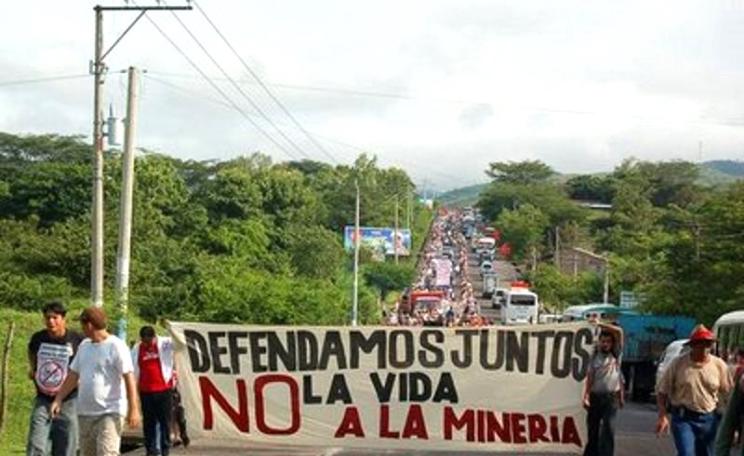
Mining was imposed on the Salvadoran people as a dream industry to aid development, create jobs and yield taxes to pay for schools and hospitals, write Ricardo Navarro & Sam Cossar-Gilber. But the reality was a nightmare of polluted water, stolen farmland, corporate violence, and murder. After a long campaign, El Salvador has just become the first country to ban all metal mining.
Venezuela is set to hand over 12% of the nation's territory in the upper reaches of the Amazon rainforest to mining corporations, writes Lucio Marcello, with 150 companies from 35 countries poised to devastate the army-controlled 'special economic zone'. But resistance is growing, and a counter-proposal aims to protect the area's precious biodiversity, indigenous cultures and water resources in a new South Orinoco Mega Reserve.
A new study sets out the huge benefits of organic farming to people and the environment, writes Peter Melchett, including more wildlife, healthier consumers and farm workers, lower greenhouse gas emissions, reduced soil erosion and increased water retention. We need more of it, fast!
The 2011 Fukushima catastrophe is an ongoing disaster whose end only gets more remote as time passes. The government is desperate to get evacuees back into their homes for the 2020 Tokyo Olympics, but the problems on the ground, and in the breached reactor vessels, are only getting more serious and costly, as unbelievable volumes of radiation contaminate land, air and ocean.
Donald Trump's scheme to rebuild US infrastructure could be among the world's greatest ever financial heists, writes Pete Dolack. He has chosen the most expensive, anti-democratic way to do the job, through the mass privatization of priceless public assets - sticking users and taxpayers for exorbitant charges for decades to come, while banks and speculators reap the profits.
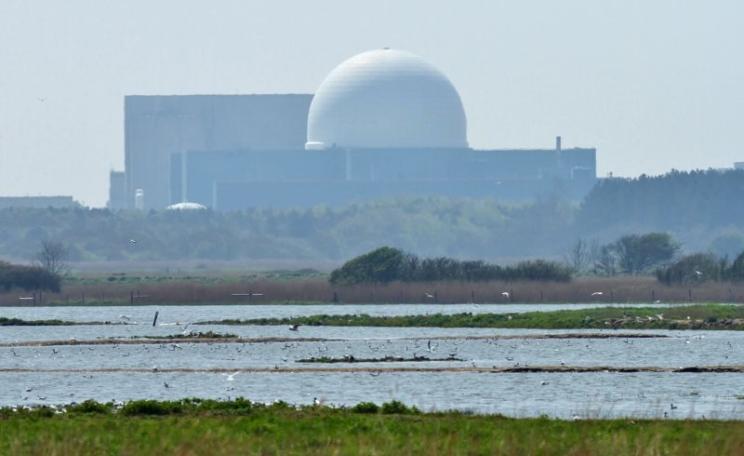
In its second consultation for the EDF's planned Sizewell C nuclear power station there's a strange omission, writes Peter Lux: that the plant would use 1,600 m3 of mains water a day, adding to stresses on important local wetlands like RSPB's Minsmere reserve. The omission is not just strange - it's also illegal and could make the entire exercise invalid.
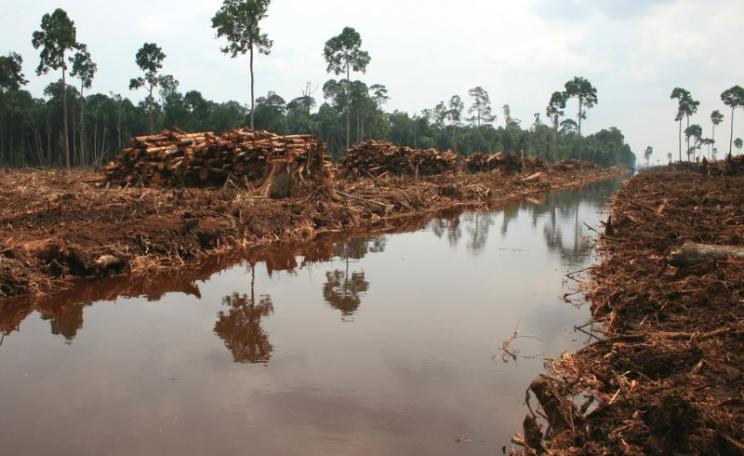
Indonesia's plans to meet its Paris Agreement obligations by protecting its swamp forests, the world's biggest land reservoir of carbon, have been acclaimed by the world's press, writes Yuyun Indradi. But they contain so many loopholes and flawed compromises that - unless radically reformed - they are doomed to certain failure.
The Scottish government has announced that its wild beaver populations will be given the full protection of both UK and EU law. The decision has been welcomed by campaigners who point out all the benefits of beavers to biodiversity, water management and flood control. Now, they say, England and Wales should follow suit.
The construction of the Don Sahong Dam in Laos PDR must be halted until full information on the project's impacts - in particular the fate of millions of fish that migrate each year through the Hou Sahong channel now being dammed - has been published, writes the Save the Mekong Coalition in this open letter sent today to the project developers.
The UK government's insistence of pursuing fracking is based on a flawed and utterly misinformed vision of our future, write Alex Russell and Peter Strachan. Rather than delivering the prosperity they promise, large scale fracking would cause massive pollution of air and water, undermine vital export industries, and leave us with an irretrievably damaged economy and natural environment.
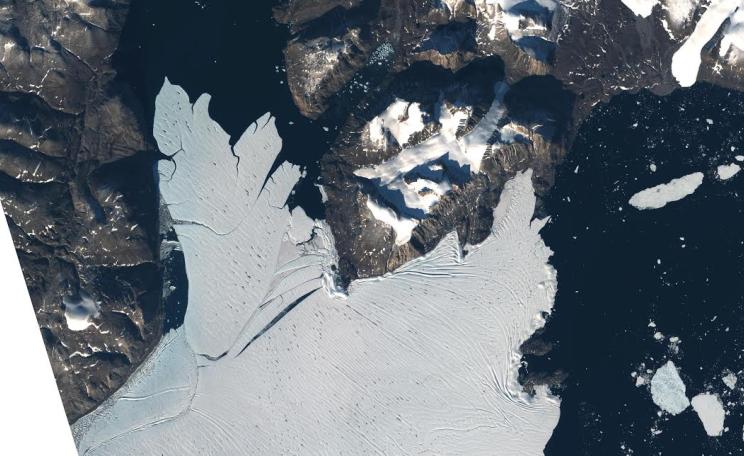
Professor Jason Box, glaciologist at the Geological Survey of Denmark and Greenland, tells NICK BREEZE how the largest ice shelf in Greenland has just lost an area of ice shelf the size of Manhattan Island. Its recent breaking away was a 'spectacular' event - but also a highly abnormal one that raises deep concerns about the future of the Arctic and prospective global sea level rise.
Off-grid renewable energy is key to achieving the global goal of 100% electricity access by 2030, writes Adnan Z. Amin, and to achieving the emissions reductions enshrined in the Paris Agreement. Thankfully, a confluence of factors - including rapid cost declines and impressive technology innovations - are making this goal more achievable than ever, and investment in the sector is taking off.
First we heat up cold water for baths, showers and washing, write Jan Hofman & Laura Piccinini. Then we chuck all that precious heat down the plughole. So how about recycling our waste heat to warm up water on its way to the boiler or hot water tank, cutting bills and emissions? Or on a larger scale, use the sewage from entire communities as a free energy source for heat pumps?
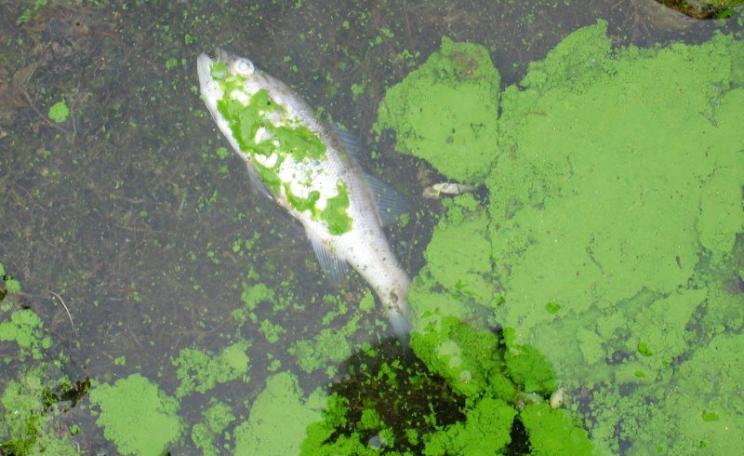
Ecosystems don't collapse a little at a time, writes JAMES DYKE, but all of a sudden. So how can we see the danger signs and act in time to save them? A new study of eutrophic lakes shows that the answer lies, not in easily-measured nutrient levels, but from a more subtle understanding of the lakes' shifting ecology and types of species: keystones, weeds and canaries.
Brazil's new neoliberal government is intent on building a massive new dam deep in the Amazon rainforest on the on the Tapajós river, writes Helle Abelvik-Lawson, obliterating the indigenous territory of the Munduruku people in defiance of their constitutional rights.
Although flowing water is fundamental to river ecosystems, temporary streams are distinctive landscape features that support surprisingly diverse communities, writes Rachel Stubbington. However, the biodiversity of these dynamic ecosystems needs greater recognition and protection.
A new dam on indigenous lands at Muskrat Falls will join a network of other hydroelectric projects spanning Innu territories across the Labrador-Quebec peninsula, writes Colin Samson. The continual violation of Innu rights imperils their ability to enjoy healthy and sustainable lifestyles - and follows in a long tradition of indigenous land theft in North America.