Six environment heroes, one from each continent, are honoured for their work today - fighting threats from giant coal mines to forest destruction, fracking, high dams, illegal development and toxic waste dumps. Sophie Morlin-Yron reports.
A pilot study of American mothers' milk has found levels of the herbicide glyphosate around 1,000 times higher than allowed in European drinking water. Campaigners are demanding a ban on the use of glyphosate on food crops.
A study of 245 large dams carried out at Oxford University shows that big hydropower is uneconomic. Actual costs are typically double pre-construction estimates - and have not improved over 70 years. ASEAN energy ministers take note!
Swedish artist duo Diagram escorts a glass of water back to its origin - from a convenience store in Stockholm back to a storm-drain in Evian les Bains, by Lake Geneva - and expose one of the many absurdities of modern life.
The limpid beauty of Guatemala's Lake Atitlán has long been a magnet for dreamers, mystics and hippies. But now the Lake is suffering from sewage and farm pollution. Anna-Claire Bevan reports on efforts to clean Lake Atitlán and restore its ecological health.
A 62-year old pipeline across New England could be used to carry hazardous tar sand crude oil from Canada to the Atlantic, writes Meg Berlin. But communities across Vermont are campaigning to block the project that imperils waters, people and wildlife ...
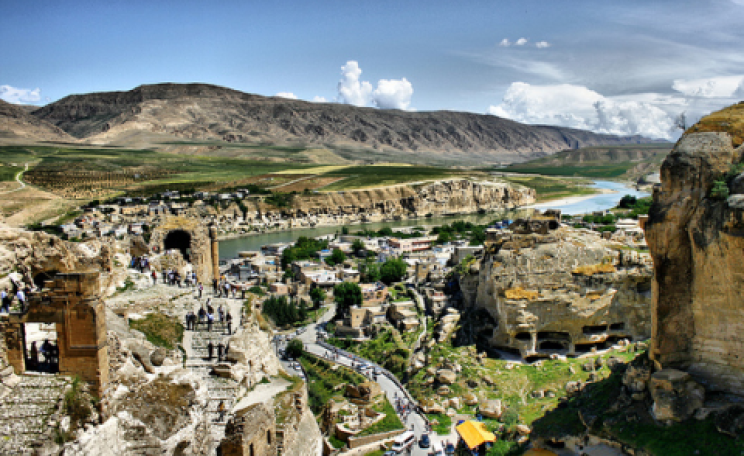
Turkey's Gezi Park protestors are finding common cause with Kurdish communities, writes Rosa Wild. Both are suffering from Erdogan's annihilation of land, forests, parks and cities in pursuit of economic growth. A new eco-democratic resistance is taking root.
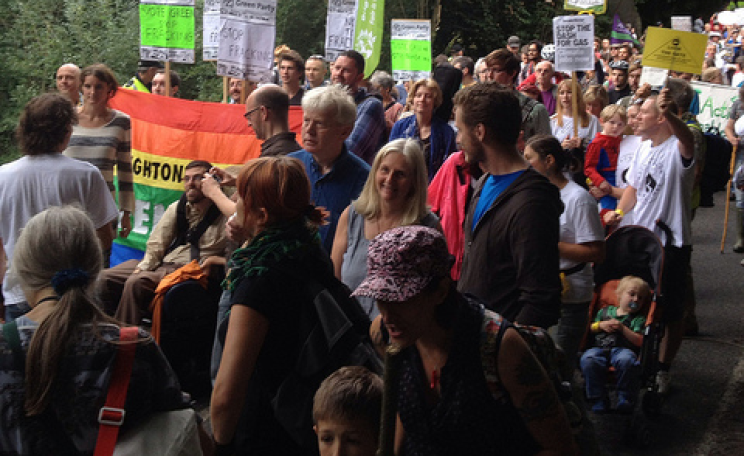
On the final day of the trial of Caroline Lucas and other anti-fracking protestors, we ask - what about human rights? Entirely neglected by the government in its desperate drive to frack, they ought to trump all other policy considerations.
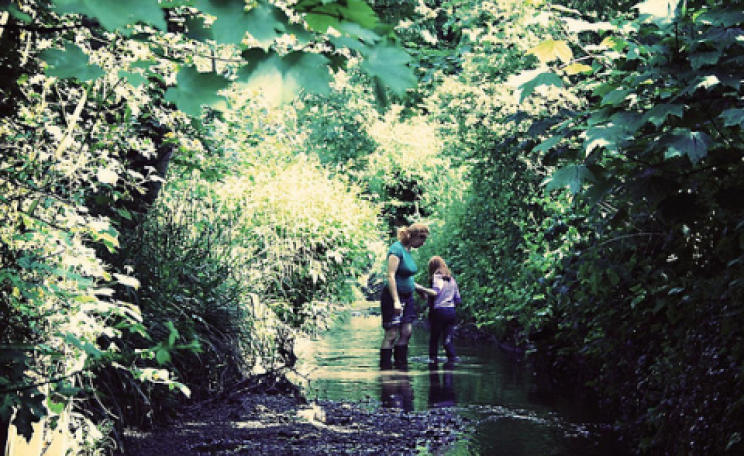
Cities all over Britain are threaded by 'lost rivers' that have been hidden away in tunnels and culverts. Jenny Jones argues that it's time to restore them to a more natural state - improving habitats for wildlife and people, and reducing flood risk.
Systematic, acute, malicious discrimination in access to water in the West Bank and Gaza, combined with massive resource theft, is operated by the occupation authorities and the private water company Mekorot, writes Ayman Rabi on UN World Water Day.
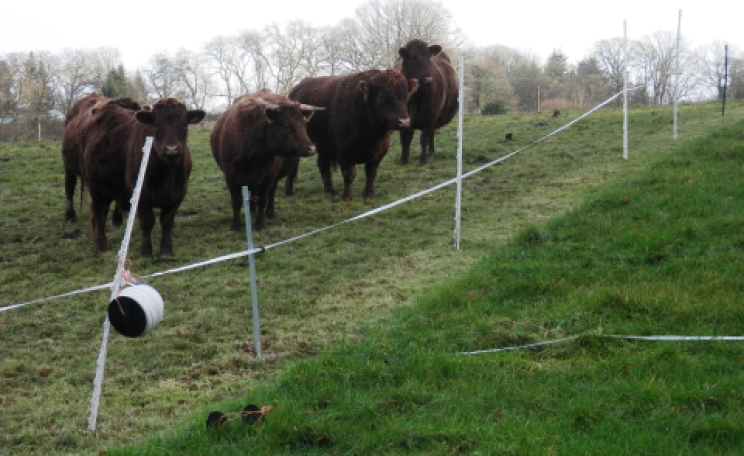
Managing grasslands in a way that mimics natural grazing by wild animals improves water infiltration, reduces erosion, conserves nutrients, reduces costs, raises production and increases profits, writes Natasha Giddings. Why isn't everyone doing it?
A new study has found that the NE section of the Greenland ice sheet - thought to be stable due to the extreme cold - has been losing ice since 2006 with increasing speed. And as Shfaqat Abbas Khan reports, that has huge implications for global sea level rise.
Across Europe water is going public - no silly, going into the public sector! Except in England, writes David Hall, where politicians (except the Greens) adhere rigidly to the failed, expensive model of corporate water supply ...
Mainstream media reporting of the recent UK storms rapidly degenerated into narratives of blame focused on environmentalists, writes George Marshall. It's time they uncovered the real villains!
Trees, woodlands and hedgerows do much more than enhance the appearance of Britain's rural landscapes, writes Mike Townsend. They diminish flooding, reduce erosion, assist water infiltration, enhance biodiversity - and we need more of them!
The curse of Uranium has fallen once again on the Black Hills of South Dakota, ancestral home to the Lakota Indians - now fighting a massive mining project that threatens land, rivers and groundwater. But this time, writes Ben Whitford, the Lakota are not alone ...
... in case there is none tomorrow. Nasser Nawajah wrote this open letter to Israel's economics minister Naftali Bennett - leader of The Jewish Home - about the water starvation suffered by Palestinians.
One unintended consequence of China's spectacular economic growth is a growing water shortage, reports Joshua Bateman. As rivers run dry, aquifers sink, climate harshens and pollution spreads, he asks: can China solve its water crisis?
England has just experienced the wettest winter on record leading to widespread flooding - and a shambolic response from Government. Professional bodies have come together to offer this valuable advice ...
In 2010 Parisians sacked the private water companies. Now they are reaping the benefits of public cownership and control, writes Stephen Struthers - and it's high time for the UK to do the same.
Tepco has announced the accidental leak of 100 tonnes of highly radioactive water from a storage tank at the stricken Fukushima nuclear plant in Japan.
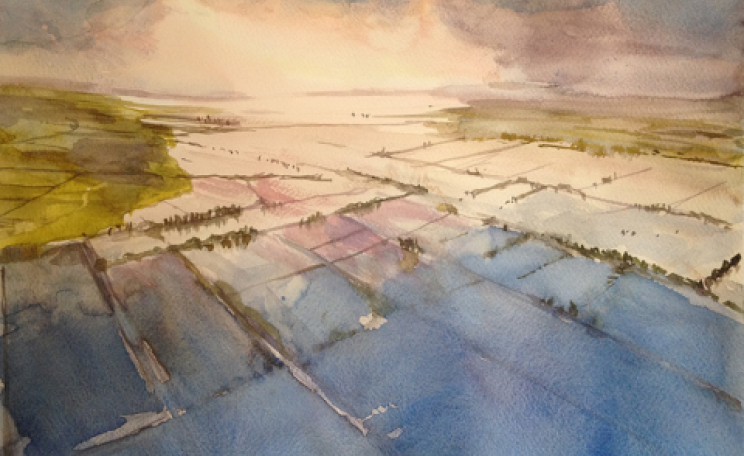
Right wing media and politicians have chosen the Somerset Levels as their battle field for fighting the 'green' agenda. There is just one problem - the facts. On the Levels themselves, there is a remarkable consensus about the way forward - and the future is Green.
As fierce public debate rages over how to manage the Somerset Levels, a Task Force of farmers, wildlife groups, official Agencies and Councils has agreed a new 'Vision 2030' for the Levels - one the mainstream media have entirely missed ...
Local authorities in Varanasi, India, are preparing to evict Coca-Cola from land that the company is occupying illegally at its bottling plant in Mehdiganj. The eviction is due to take place 'within days'.