An array of solar panels on a Chiswick side street, facing a brewery wall, constitute a threat to the quality of life of future generations, according to the council and a planning inspector. Paula Owen begs to differ, and wonders - exactly what kind of mushroom have they been smoking?
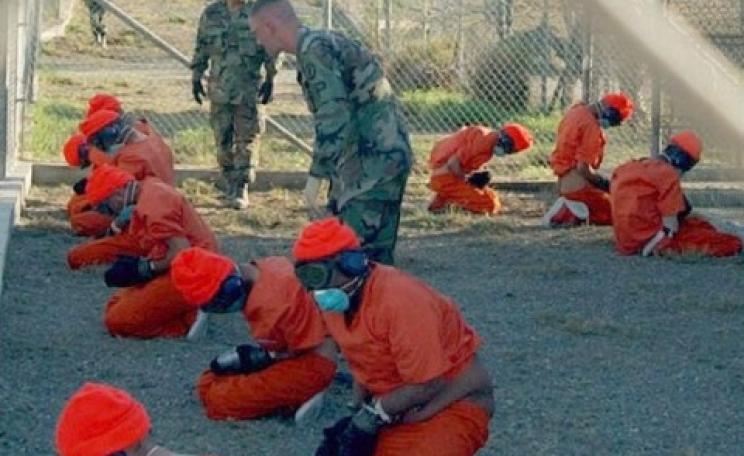
G4S, the UK government outsourcer that supports Israeli security functions in the West Bank, will now supply 'custodial services' to Guantánamo Bay Naval Base, writes Clare Sambrook. Shocked? You shouldn't be. G4S is impervious to public criticism and defies international law with impunity.
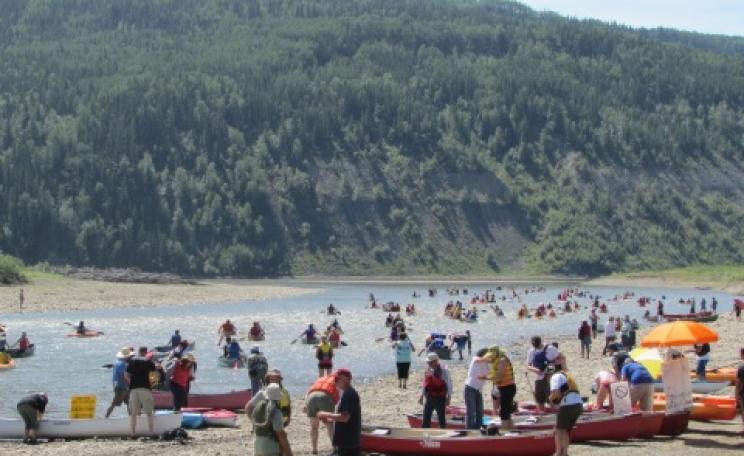
Canada's biggest infrastructure project is planned for Peace Valley, BC - a gigantic $7.9 billion dam that would flood 83 kilometres of the Peace River - all to produce electricity that no one needs. But a coalition of farmers, ranchers and First Nations is determined to block it ...
The factory farming of pigs is organised animal abuse, writes Alastair Kenneil, and it imperils the environment and human health. But in the UK we have the choice to buy meat from pigs raised humanely under the open sky. Will you take the Pig Pledge today?
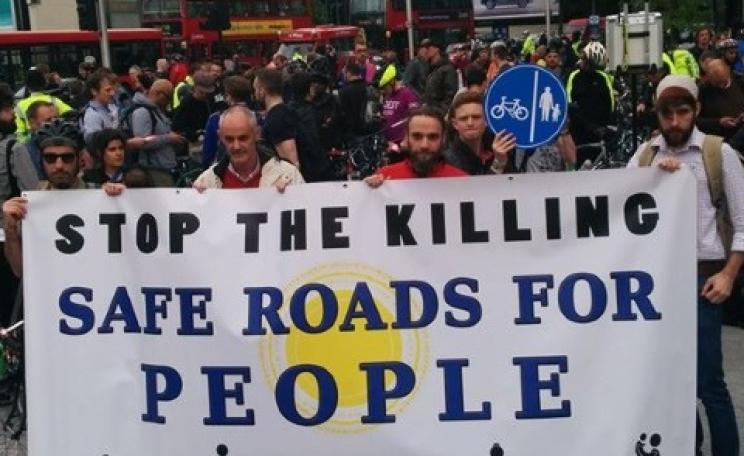
A major demonstration will take place in November to demand an end to the killing on Britain's roads, both direct and indirect, writes Donnachadh McCarthy. And now is the time to sign up, get involved, and build up the momentum for desperately needed change.
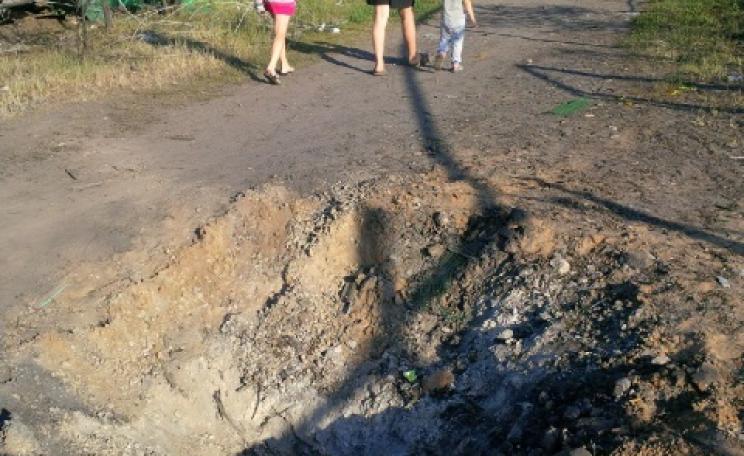
Human Rights Watch has gathered evidence in the war zones of Eastern Ukraine which show that Ukrainian government forces have violated the laws of war by using 'notoriously imprecise' rockets in civilian areas, destroying homes, killing and injuring non-combatants.
As a youngster on a small farm, antibiotics saved Richard Young's life after a scratch on barbed wire led to septicemia. Now, he's campaigning to stop the routine, mass use of antibiotics on intensive farms, so that they can carry on saving human lives for many years to come ...
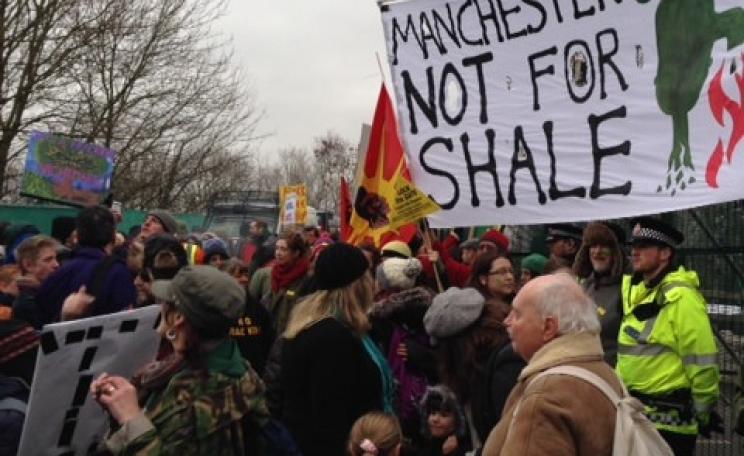
The UK Government's policy is to frack at all costs, against public opinion and compelling evidence of environmental damage and poor returns, writes Paul Mobbs - a timely reminder that as far as the Government is concerned, it has a God-given right to rule over us, no matter what we think or want.
Recent decades have seen a hardening global clampdown on the rights of farmers to use, save, develop, share, swap and distribute the seeds that produce the food we all eat, writes Andrew Kimbrell - and which constitute an essential common heritage of mankind. Here's his plan to fight back against the seed monopolists ...
Following The Ecologist's revelation about Ecover's use of synthetic biology to make laundry detergent, the company has put its trials on hold, writes Jim Thomas. But to regain public trust, the company must re-engage honestly with its critics, and its customers.
Amid the chaos and stench of war in East Ukraine, Tanya Lokshina investigates a litany of atrocities - including abductions of non-combatants and air strikes that have left entire villages in ruins and killed many civilians including children. It's all part of HRW's campaign to secure justice for the victims of war crimes.
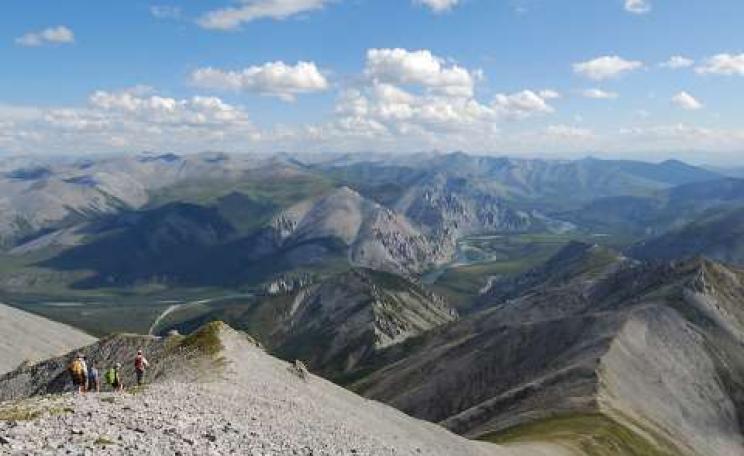
Next week the indigenous peoples of the Yukon challenge their Government in the Territory's Supreme Court, writes Jill Pangman. At issue, its plans to open the Peel watershed, a vast unspoilt ecosystem rich in wildlife and cultural meaning, for industrial development.
Campaigners for the labeling of GMOs in food are winning their battle against corporate America, writes Ralph Nader. No wonder the corporations are fighting back with lawsuits and scare stories ... they're on the back foot, and they know it.
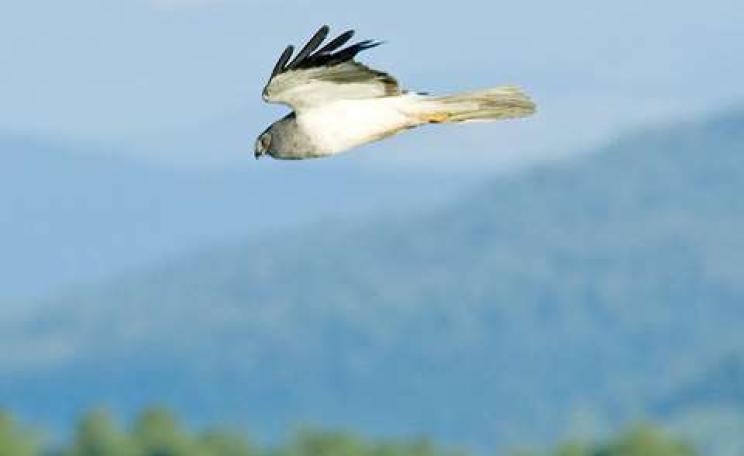
Intensive grouse shooting on England's uplands is doing huge damage to fragile ecosystems, writes Martin Harper - and to the 'protected' hen harrier. It's high time to bring this industry under control with a new licencing system.
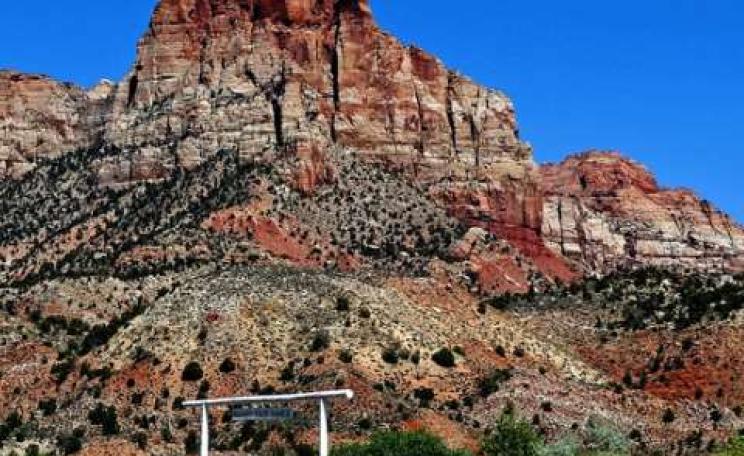
The image of the rancher in the rugged West is one of self-sufficiency and a tough defiance of government, writes George Wuerthner. But the truth is that ranchers, especially those using federal land, depend on a host of generous subsidies, both economic and ecological.
Farming should not only sustain people with healthy food, writes Jigmi Y. Thinley. If humans are to survive on Earth, it must also revitalise nature and sustain vital planetary systems, instead of poisoning and over-exploiting them. And to do that farming must be organic.
Visit the British Museum's hugely successful Vikings exhibition, and you can't miss the BP branding - a fair price for their sponsorship? No way, writes Chris Garrard, who will join a 'flash-horde' at the Museum next Sunday and give BP its last rites in a Viking longship.
What do the Australian Environment Foundation, the Renewable Energy Foundation and the Global Warming Policy Foundation have in common? They are all fiercely anti-environment, writes William Laurance - and we must beware their 'eco-doublespeak'.
Spain's Coto Doñana shows the value of EU conservation law, writes Laurence Rose, as the UK tries to get rid of the Birds and Habitats Directives. Both have proved essential to the protection and restoration of one of Europe's greatest wetlands.
Wilderness campaigners need to remember how great victories were won in the past - which was to aim high and hold steadfast, refusing easy compromises, writes George Wuerthner. Opposition must be overcome, never appeased.
Elevated urban highways epitomise the dark side of vehicular mobility - polluting, visually brutal, noisy, and contributing to local 'heat islands', writes Marco Picardi. So let's re-engineer them for people and create imaginative urban spaces we can all enjoy!
The mighty Grocery Manufacturers Association is to sue Vermont for making food companies label GMOs in their products. Ronnie Cummins calls on all concerned consumers to boycott GMA companies and products - starting with their 'traitor brands' ...
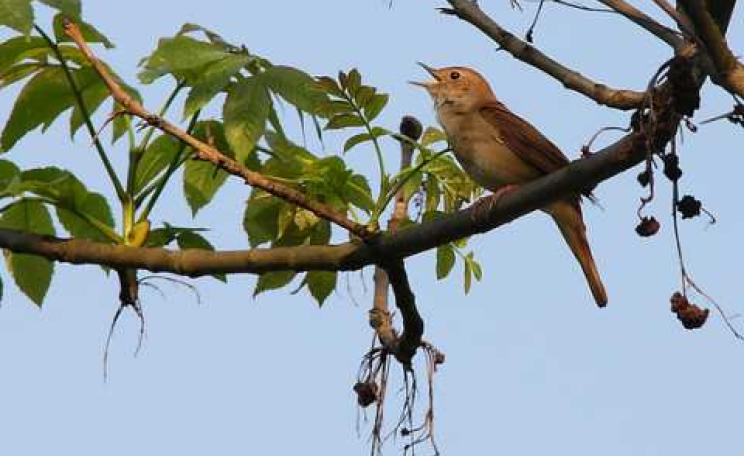
Britain's nightingales are in decline - not least because of intensive farming, and our insistence on building over their last refuges. But their song is as unforgettable as ever, writes Chris Rose, and that will surely be the key to valuing them more ...
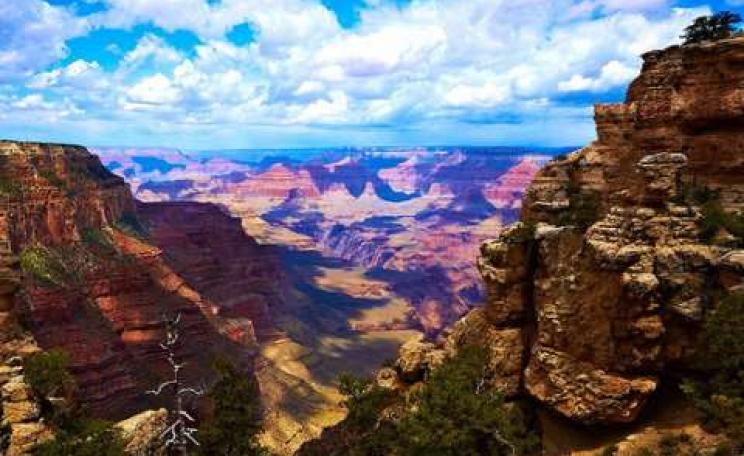
Forest fires are invariably portrayed as fiercely destructive environmental calamities. But for the native forests of the American West, large fires are essential to ecological renewal. Contrary to the mantras of logging companies and forest service officials, we suppress them at our peril.