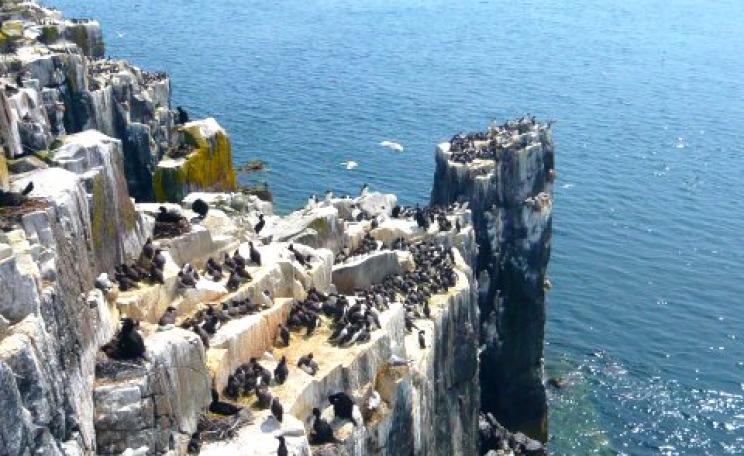
The 2009 Marine Act was meant to result in a full network of marine protected areas along the UK coast, writes Tom Hickey. But since then far too few MPAs have been created, and no real change or action has followed. Hence the launch of the Marine Charter today - to galvanise political will - and manifesto commitments - for the 2015 election.
The Commission's refusal to 'register' a European Citizens Initiative demanding an end to negotiations over the TTIP trade deal is more than just an affront to the 'democratic values' that Europe is meant to represent, write Mary Fitzgerald & Michael Efler. It is also unlawful, and the legal challenge filed today at the ECJ is richly deserved.
A year ago Typhoon Haiyan, one of the strongest tropical cyclones ever recorded, struck central Philippines leaving tens of thousands of people dead and missing, millions homeless and livelihoods destroyed. Today climate-affected communities worldwide are demanding change.
When three giggling teenage girls in an SUV called 'BACON' at Laura Lee Cascada as she conducted a peaceful slaughterhouse vigil, she realised - those girls don't yet realise that 'bacon' has a mom. And there is only one way to create that missing connection - through love, empathy, understanding and perseverance.
The human family must come together now to stop Ebola in West Africa or risk a global pandemic that could potentially kill billions, writes Glen Barry. And that will mean solving, with equity and justice, the disease's root causes: rainforest loss, poverty, war and overpopulation.
If SeaWorld is looking to build a new park in California, it will be steering well clear of San Francisco, writes Laura Bridgeman. Following a campaign backed by scientists and hundreds of high school students, the City has declared cetaceans' right to be free and 'unrestricted in their natural environment'.
Everyone loves family farming! And so they should, writes Holly Creighton-Hird, as family farms produce most of the world's food. But the UK Government has a funny way of showing it - favouring corporate agriculture and eliminating farm payments for small land holdings. It's up to us, the public, to support small, high welfare producers.
Last night's speech on Britain's energy choices by former environment secretary Owen Paterson's caused widespread outrage long before it was delivered. But what exactly did he say on the night? Read on, and be surprised to discover that it makes excellent sense - in parts.
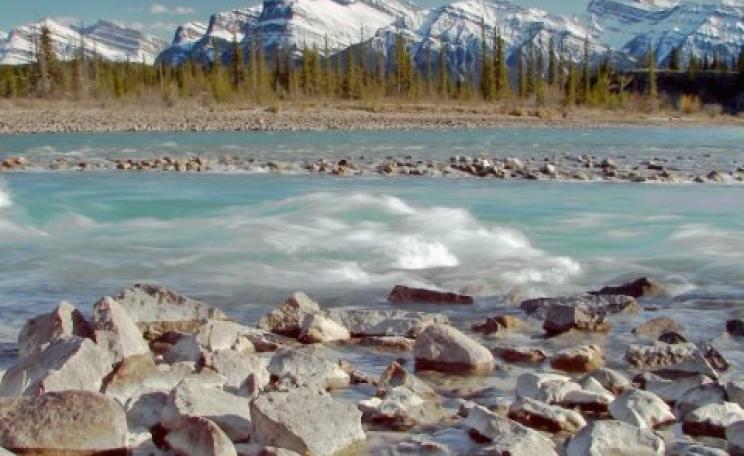
Much of Alberta, Canada has already been damaged by industrial clearfelling, or lost to the tar sands industry, writes Carol Linnitt. But now there's a chance to keep 'the most beautiful example of pristine eastern slopes Rockies out into the foothills' as wilderness, in the North Saskatchewan's unspoilt headwaters.
The outgoing European Commission has just given the UK's controversial Hinkley C nuclear project the go-ahead, writes Paul Dorfman - approving a deal that will cost the UK public tens of billions of pounds. But now the deal faces a legal challenge in the European Court of Justice.
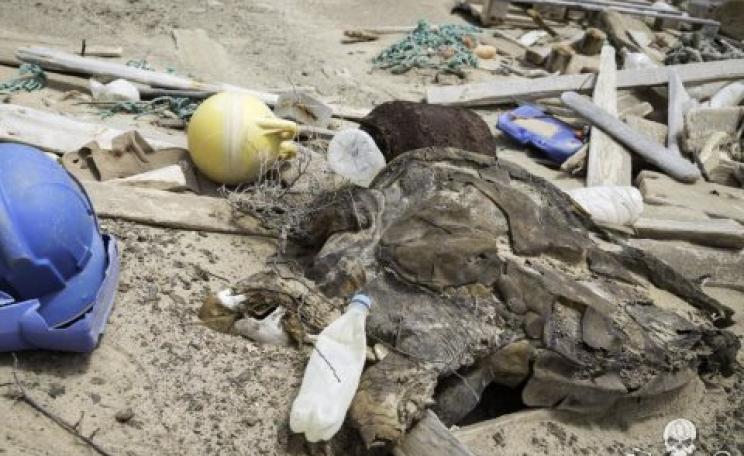
Out in the Atlantic off the coast of West Africa, the Cape Verde islands should be pristine, writes Simon Ager, a haven for sea turtles and other wildlife. But the beach where loggerhead turtles have nested for millions of years is buried under a deadly morass of plastic garbage.
Faced with a worldwide 52% decline in wildlife numbers over 40 years, Paul Jepson calls for action, not despondency. A new, inclusive vision of how to conserve and rebuild biodiversity is needed - that embraces diverse solutions, engages new technologies, inspires a new generation of leaders, and echoes the call of the wild.
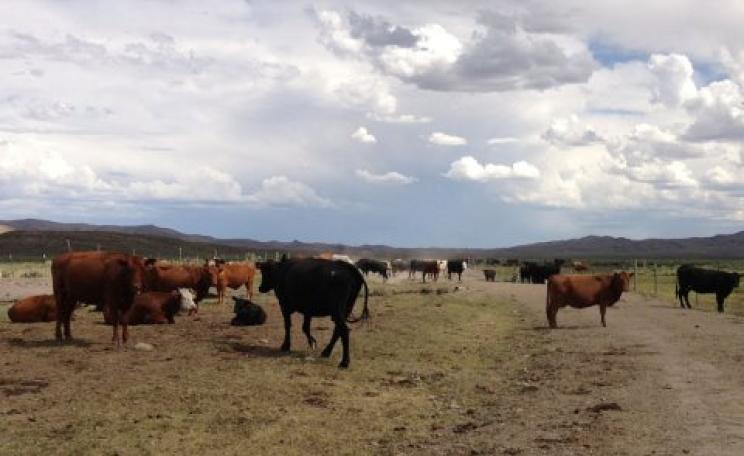
Livestock ranching on US public lands underlies a vast range of environmental problems - so should we welcome 'conservation buyouts' of ranches that own grazing leases? No way, writes William Williers, because the lands are already ours, and to 'buy' them is to support and perpetuate a $1 billion per year fraud against the American people.
As millions join in climate marches and other actions around the world, writes Ronnie Cummins, the 'mainstream' focus on energy is missing the 55% of emissions that come from mismanaged land and destroyed forests. The key is to replace industrial agriculture worldwide with productive, regenerative organic farming that puts carbon back in the soil.
Kazakhstan offers the opportunity for conservation on a grand scale, write Stephanie Ward & Geoff Welch. They recently visited the Golden Steppe, where they helped to secure an area of wildlife-rich grassland bigger than Wales for conservation. But that's just a fraction of the long term plan - a nature reserve the size of France.
Amid ongoing creative protests over BP's sponsorship of the British Museum, Danny Chivers wants to know - why the harsh security tactics? Why the searches, exclusions and arrests, all for a paltry 1% or less of the Museum's funding? Is this their policy, or is it BP that's calling the shots?
British officialdom and those they serve are obsessed with the killing of wildlife, writes Lesley Docksey. It seems that whatever the 'problem', from bovine TB to the serendipitous arrival of beavers in Devon, the reflex is the same - to kill wild animals. But increasingly, the British people aren't having it. And our fightback is making waves ....
With the EU projected to source most of its 'renewable' energy by burning biomass, its policies are leading to widespread land-grabbing and forest destruction, writes Oliver Munnion. And because many of the biomass projects are purely speculative, 'sustainability standards' will do little or nothing to improve practice on the ground.
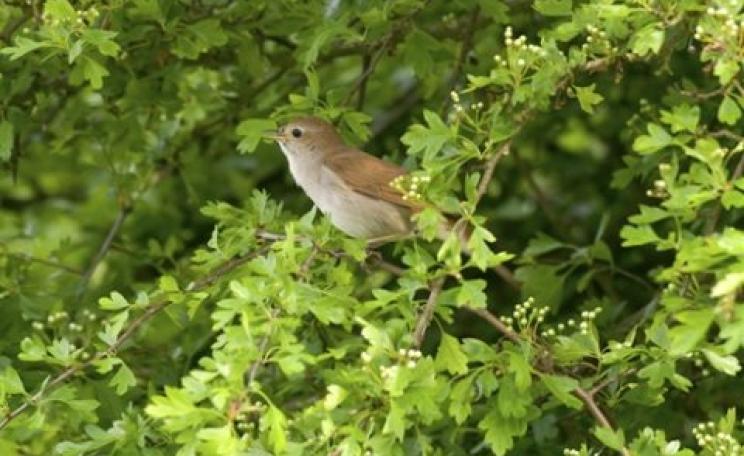
A 5,000-house development has just won planning permission on a SSSI nature area in Kent which is home to over 1% of the UK's nightingales. It violates government planning policies, and ministers have the power to stop it. But will they? Yes they will, writes Martin Harper - provided enough people show they care!
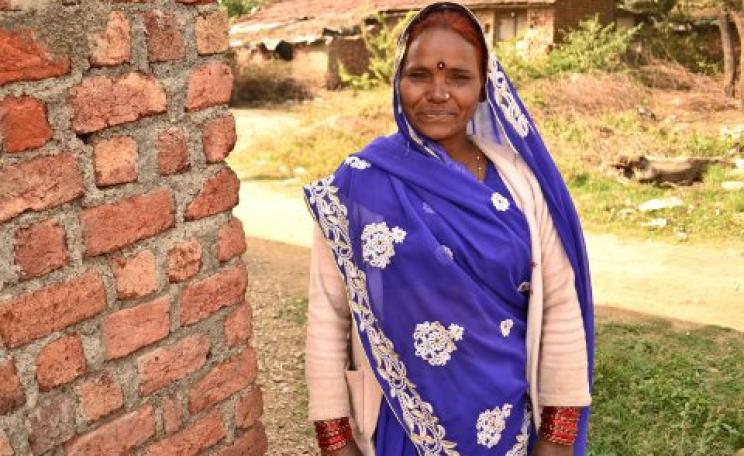
Women of an 'untouchable' caste in village India are rebelling against a life of cleaning human ordure, poverty and relentless discrimination, writes Amy Braunschweiger. Among them is Lalibai, who inherited her 'job' at the age of 12 - but has just helped to organise a protest march of 10,000 women across 18 states.
Blacks, Indigenous peoples and Palestinians are all engaged in a single struggle against a racist empire that systematically robs, colonises, impoverishes, terrorises, enslaves, imprisons, tortures and murders its subject populations. Their struggle for liberation is one, and will ultimately vanquish as the empire collapses from within.
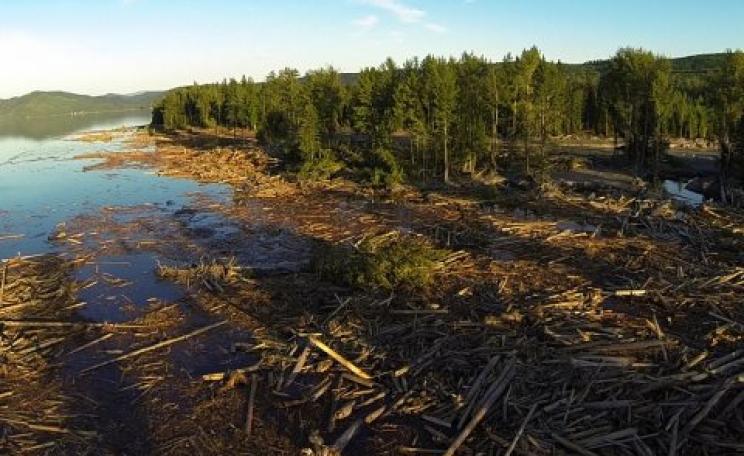
This month a tailings dam at the Mount Polley mine in BC breached, writes Carol Linnitt - spilling 14.5 billion litres of toxic mine waste into Quesnel Lake. A major source of freshwater and one of BC's premier fly-fishing destinations, the lake will never be the same again. But it's just the first big victim of Canada's wave of environmental de-regulation ...
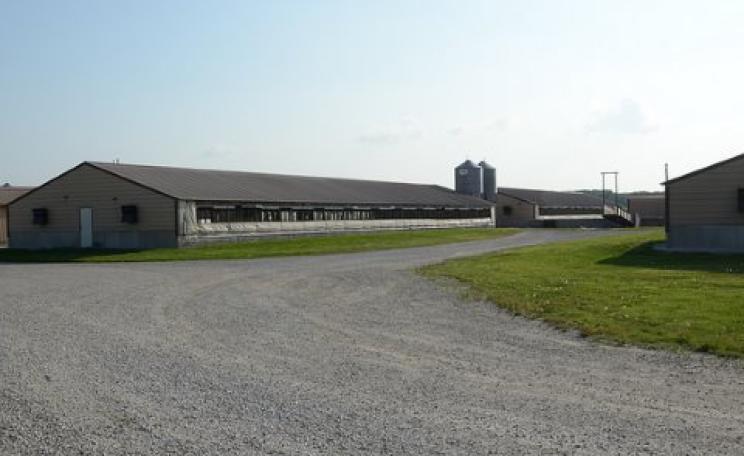
First corporations gained legal personhood, writes Don Fitz. Next they seized the right to force 'free trade' on unwilling populations. Now they are making sure that 'corporate rights' trump citizen rights - like the right to wholesome food and a healthy environment. That's where the 'Right to Farm' constitutional amendments come in ...
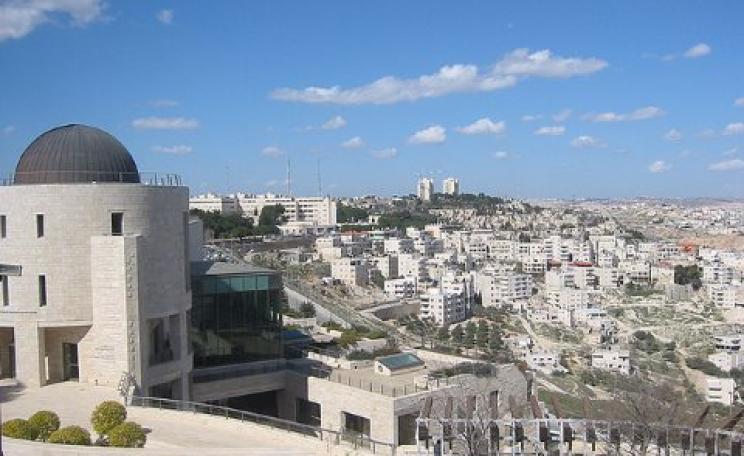
After decades of occupation and dispossession, a culture of sometimes violent resistance has taken root in Issawiya. But it is never fetishized, writes Sam Gilbert - resistance is recognized as the only alternative to slavery, and the only means by which the people will ever achieve the freedom they thirst for.