The Soil Association's Catering Mark scheme promises 'fresh food you can trust'. This sounds great, writes Lynda Brown. But what does it really deliver? The truth, she finds, is much less than the promise might suggest, considerably more complicated, and threatens to erode the public's trust in the Soil Association's organic brand and values.
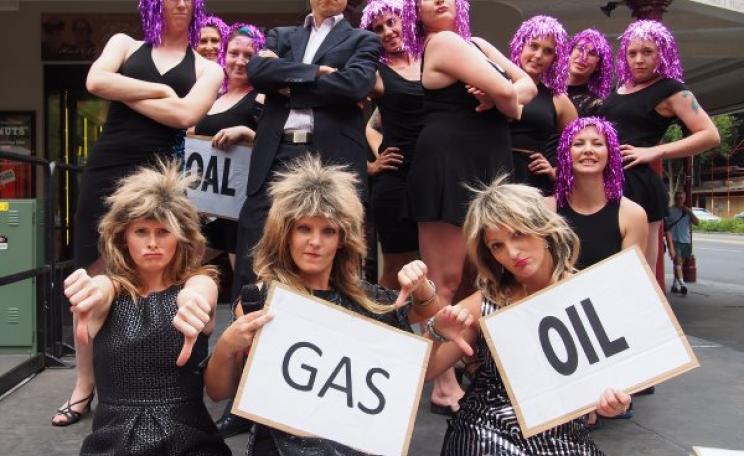
Increasing numbers of investors are waking up to the reality that the fossil fuel era is coming to an end, writes Yossi Cadan. But there's one sector that hasn't yet got the message: the fossil fuel industry itself is determined to keep on piling good money after bad. So join the worldwide divestment party this weekend and help ram the message home!
Aerial surveillance is a proven and effective technique in tackling wildlife crime, writes Elizabeth Claire Alberts - so the arrival on the scene of a new wildlife organization dedicated to providing air reconnaissance services to frontline environmental defenders couldn't come too soon.
Two decades ago the world's first GM foods went on sale, writes Pat Thomas. The consumer flirtation with GMOs soon died away, yet the biotech industry has grown into a global behemoth, driving agricultural intensification and sending agro-chemical sales through the roof. It's time for us to take a stand once again and insist: there are better, healthier ways of growing food.
Moms Across America founder Zen Honeycutt took on Monsanto chief Hugh Grant at the company's Annual General Meeting - and won, winning 53% of the vote on a call for Monsanto to reform its practices and safeguard the health of millions of children exposed to its toxic products - and Roundup in particular. In her own words, this is what took place ...
Ranchers can deliberately abuse public land and the wildlife that lives on it at will, writes George Wuerthner, confident that any breaches of the law are likely to be overlooked. But it's another thing altogether if you're trying to protect that land from destructive exploitation. Why the double standard?
While the fossil fuel industry and Republican states and senators step up legal and political challenges to Obama's Clean Power Plan, protests have also been flooding in to the EPA's ten regional offices from climate activists - demanding that it cut out dirty biofuels and 'carbon trading' loopholes, and protect vulnerable communities from fossil fuel pollution.
Nearly a year ago at the height of the UK floods, tragedy struck an ordinary family in Surrey as toxic gas from a nearby landfill site killed a 7-year old boy, Zane. Now the authorities appear determined to exculpate the source of the poison - an old landfill site - even as they prepare for a massive increase in hazardous waste from fracking.
Lord Ridley, a card-carrying member of Britain's 1%, led the Northern Rock bank to collapse. Now he's causing another kind of catastrophe: the coal mined off his Northumberland estate is causing 1% of the UK's CO2 emissions. No wonder he's a climate sceptic!
Farmers and growers in south-west England have united to reclaim the lost skill of seed saving, writes Ashley Wheeler. They are determined to grow, develop, share and disseminate open-pollinated seeds, and oppose EU laws granting commercial plant breeders a legal monopoly on the seeds that sustain our lives.
Sneaked out shortly before MP's Christmas recess, the Government's decision to 'carry on culling' badgers with no evidence that the slaughter is reducing the incidence of bovine TB is a travesty of process, writes Lesley Docksey. But it does have one useful outcome - it has exposed Defra's claims that the cull is 'science-led' as arrant nonsense. Science never even got a look in.
This day 20 years ago one of Britain's most committed and effective environmental campaigners died trying to save a coastal forest in southern Madagascar from mining, writes Yvonne Orengo. The world has been a poorer place without Andrew Lees - and his fears for the Petriky forest and local indigenous communities have been proved all too close to the mark.
Austria's pledge to strive for the elimination of nuclear WMD kindled fresh energy and hope at this month's Vienna Conference on Nuclear Weapons, writes Rebecca Johnson. Now we must maintain the momentum towards global nuclear disarmament at the May 2015 meeting of the Non-Proliferation Treaty.
As families across the country stock up on food for Christmas feasting, Giulia Barcaro urges them to give a thought to animal welfare - read the label to discover whether the meat you're buying comes from high-welfare farms, or has condemned a sentient creature to a life of suffering.
A key element of the TTIP is the deregulation genetically modified seeds and plants for cultivating in European soils, writes Julian Rose. This alone is reason enough for us to reject it - but it's only the beginning of a huge power grab that would make our governments more accountable to corporations, than to people.
Privatised energy has failed us, writes Sam Lund-Harket. While energy company chiefs earn millions of pounds a year, one in ten English households live in fuel poverty. But there is another way. All over the world countries and communities are taking energy, water and other essential public services back under democratic control.
Peru's government is actively undermining indigenous peoples' efforts to protect their forests - by refusing to title 20 million hectares of their lands and turning a blind eye to illegal logging. At the same time it's handing out vast concessions for oil, gas, mining and timber exploitation, expanding palm oil production and planning 50 major forest-flooding dams.
East Liverpool, a small city by the Ohio river, is a cancer-ridden dumping ground for the detritus of the global economy, writes Caitlin Johnson. With its filthy power station, coal ash lake, 1,300 fracking wells, silica sand mountains and a huge toxic waste incinerator, the city's people need your help in their fight for environmental justice.
The Soil Association doesn't need to 'get back to its roots', writes Helen Browning - because it never left them! It remains firmly committed to its founders' original organic mission for health, environment and animal welfare. And that means reaching out to a broader public, ensuring that organic principles are ever more widely understood and applied.
The 'vaquita', a small porpoise limited to a small area of Mexico's Gulf of California, is on the brink of extinction, writes Willie Mackenzie - its numbers reduced to around 100. But it's not too late to save it, by expanding a protected area and providing alternative livelihoods for local fishermen.
The UK's community energy sector was badly hit by the financial regulator's sudden decision this summer to disallow renewable energy co-operatives, writes Tammy Calvert. A consultation on the topic ends tomorrow, Friday - so get your views in quickly while you can!
Six journalists are taking the UK Government to court after discovering that they are listed on its 'domestic extremism' database just for reporting on protests, or undertaking inconvenient investigations into state or corporate misconduct. Adrian Arbib is one of them ...
Farming today is well on the way to becoming a wholly owned subsidiary of the agro-chemical-biotech industry, writes Colin Tudge. Defra and the European Commission are all too keen to make it so, reflecting the interests of an agro-oligarchy obsessed with profits and growth at all costs. But there is an alternative. Join the 'real farming' agrarian renaissance ...
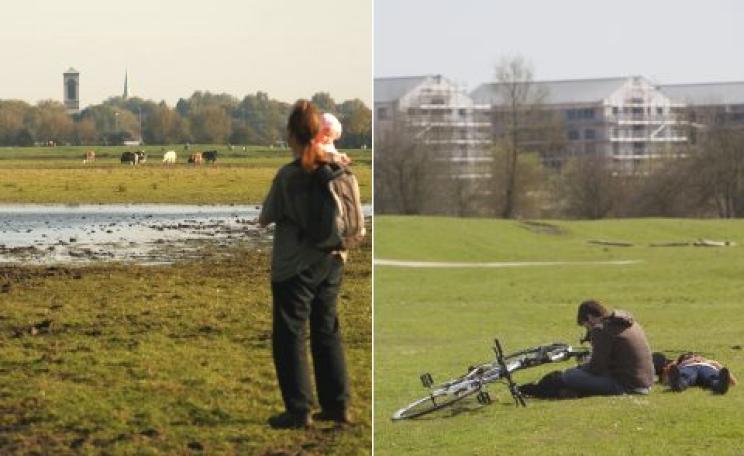
The country's first ever retrospective EIA finds that eight five-storey accommodation blocks built by Oxford University caused 'substantial' damage to historic views of the City's dreaming spires, writes Matthew Sherrington. Planners and University want to 'learn lessons' and move on - but campaigners are determined to cut the carbuncles down to size ...