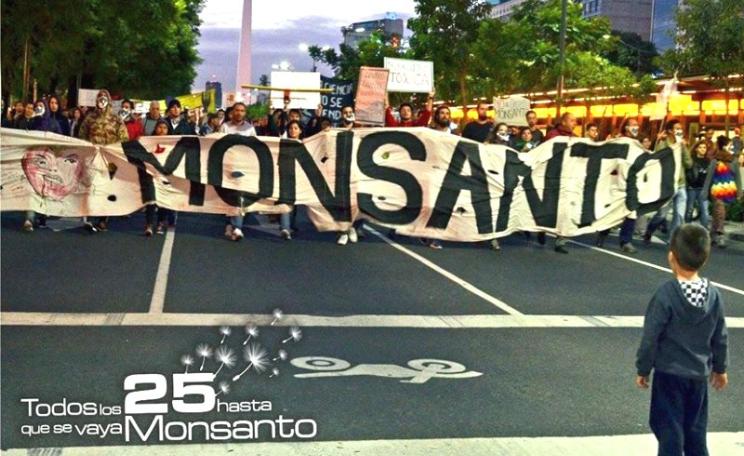
Monsanto has a simple purpose, writes Pete Dolack: to control the world's food supply, monopolizing seeds and agrochemicals to extract profit from every bite of food we eat. Caring nothing for the disease, poverty and destruction that it causes, it has suborned politicians, governments and regulators to its will. But millions are determined to stop it.
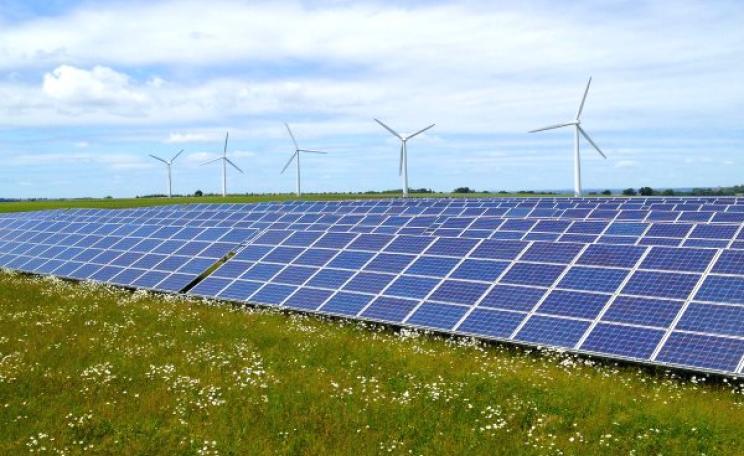
It's odd how often the contribution of nuclear energy is overstated, writes Neil Crumpton, by mixing up 'energy' and 'electricity', while a similar trick to understates the importance of renewables like wind and solar. Even odder is how the mistake always seems to go the same way, to make nuclear look bigger than it really is, and renewables smaller. Welcome to the nuclear 'X factor'!
Sharing and saving seed is a crucial part of traditional farming all over Africa, writes Heidi Chow. Maybe that's why governments, backed by multinational seed companies, are imposing oppressive seed laws that attack the continent's main food producers and open the way to industrial agribusiness. But Ghana's women farmers are having none of it.
The UK's Trident nuclear missile system and the nuclear submarines on which it depends represent a massive danger to the UK due to faulty equipment, gross security lapses and ignorance of operating procedures, writes William McNeilly. This leaves the system open to accidents and terrorist attack, and apparently unable to even fire missiles should the need arise.
The palm oil industry's repeated failure to keep its promises illustrates why global initiatives to achieve 'sustainable palm oil' must place communities centre-stage, writes FPP. Standard-setters like the RSPO must demand action, enforcement and accountability - not just lofty commitments that inspire hope, but rarely deliver.
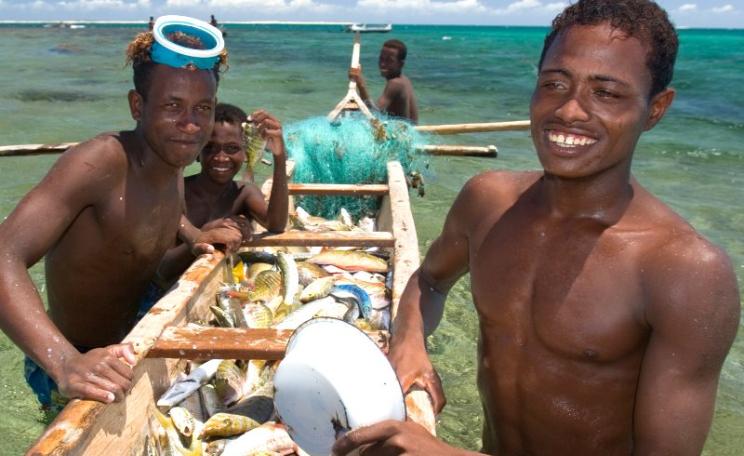
Marine conservation is usually expressed in austere and negative terms, writes Alasdair Harris, with strict quotas and exclusion zones. But the truth is the exact opposite: it's about working with natural ecosystems to unlock their productive potential, creating sustainable wealth and abundance for fishing communities while enhancing marine biodiversity.
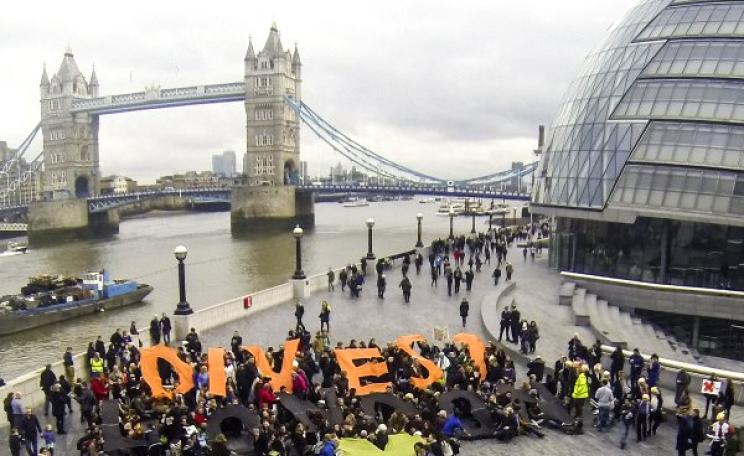
After the world's warmest year ever governments are pouring trillions into fossil fuels every year and the UK has even created a legal obligation on itself to maximise oil and gas recovery, writes Donnachadh McCarthy. But thanks to the UK's media billionaires climate change has not even figured as an election issue. Join us to protest tomorrow!
The Lobbying Act has left corporations and lobbyists free to argue their case in the election 'debate', writes Adam Ramsay. But the justified fear of legal sanctions has gagged charities and NGOs from speaking out, silencing the very people voters need to hear from most.
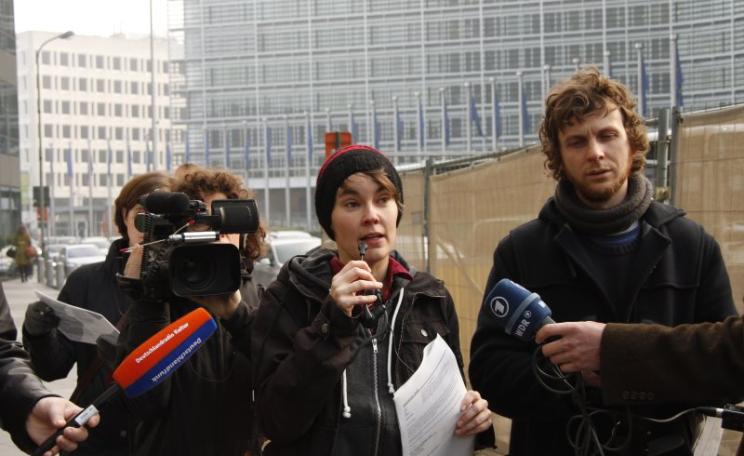
Brussels is a city of ruthless, well-resourced corporate lobbyists. And unlike ordinary EU citizens, they enjoy priviliged access to officials, negotiators and parliamentarians, and are used to getting their own way. That's a state of affairs that David Lundy & Olivier Hoedeman are determined to end with their 'citizens tours' of EU Lobbyland ...
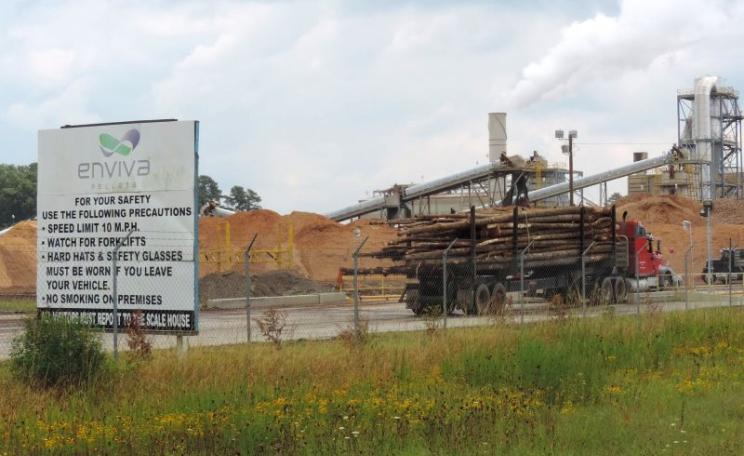
Hundreds of millions of pounds meant to be spent on green energy will soon be lavished on Britain's biggest coal fired power station to reward it for burning 7 million tonnes of wood pellets a year - meant to be 'renewable' but actually driving biodiversity loss and even worse for climate change than coal. DECC must stop this madness!
A coveted award has put the campaign to protect and recover marine life in the Firth of Clyde, Scotland, into the international limelight. Goldman Prize winner Howard Wood explains how Arran Islanders' efforts to keep scallop dredgers out of Lamlash Bay has brought life, and fish, back to the sea.
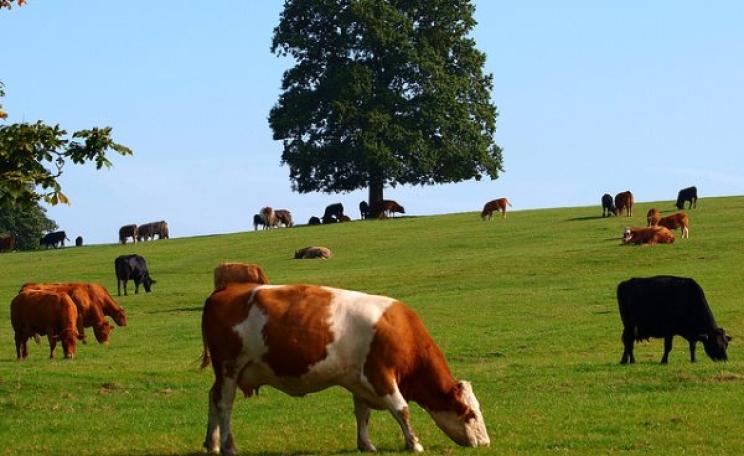
Organic farmer Charles Mann, aroused by The Ecologist's anti-cull stance, makes an evidence-based case for culling badgers in areas of high TB incidence - together with other measures including enhanced testing in apparently 'low risk' areas that present a high risk of disease spread.
Our system of money created by banks for their own profit is no longer fit for purpose, writes Duncan McCann. We need new money systems designed for sustainability and wellbeing that allow us all to achieve financial security and freedom from debt - not just the super-rich1%!
Chinese scientists have established beyond doubt that water polluted with nitrite is feeding the worldwide cancer epidemic. But while China is beating cancer by providing new sources of nitrite-free water, Western scientists, regulators and the editors of scientific journals are doing their best to suppress the truth.
The UK's Trident nuclear missile system has the power of 1,500 Hiroshima bombs, writes Angie Zelter - and to use it would be a monstrous and probably suicidal crime against humanity. Should we spend £130 billion renewing it? Or on schools, hospitals, libraries, social care and cycleways? The inspiring ActionAWE campaign is waking people up to the choice we face.
Britain's corporate energy oligarchy has failed us, writes Calum McGregor. It's given us widespread fuel poverty, unfair tariffs, constant price hikes, billions siphoned off to shareholders, and chronic under-investment in renewables. Now is the time for a new model: public and co-operative ownership of energy infrastructure under participative democratic control.
The indigenous peoples of the Amazon are employing the tactics of the Occupy movement against oil companies, gold miners and illegal loggers, writes Marc Brightman. Their methods are home-grown: lacking the protection of the state, they have always had to fight their own battles. But recent campaign successes owe much to outside support. We must maintain, and strengthen, our solidarity.
Members of the London Assembly yesterday voted for the London Pension Fund Authority, worth £4.8 billion, to ditch all its fossil fuel investments over a 5-year period. The vote is non-binding, but the huge 15-3 margin puts strong pressure on London Mayor Boris Johnson to follow through.
Anthropology, the study of humankind, should be the first of all the sciences our children encounter, writes Marc Brightman, with its singular capacity to inspire the imagination, broaden the mind and open the heart. Moves to downgrade it in the education system by those who know the price of everything, and the value of nothing, must be fought off.
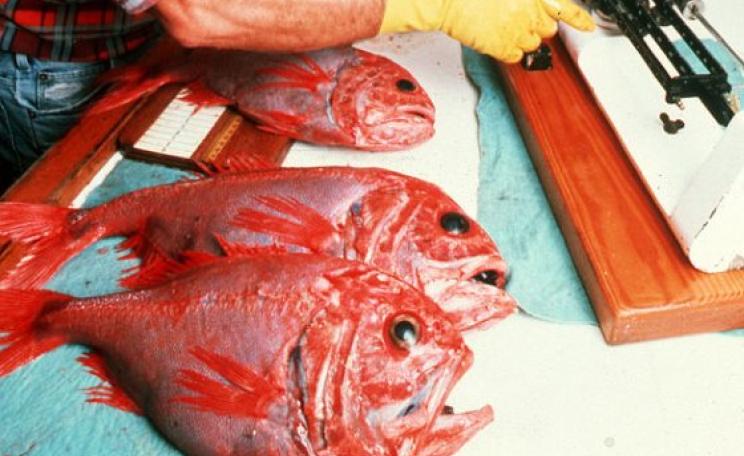
What's the solution to the over-exploitation of fish on the high seas, outside territorial boundaries? Ban it altogether, argues Reg Watson. It would make little difference to the total fish catch, poor coastal countries would reap huge benefits, and the fishing fleet's fuel burn would be slashed. The main losers? Rapacious industrial factory-fishers.
'Ocean giants' in our coastal waters are increasingly rare, writes Dr Lissa Batey, thanks to a host of threats from pollution to entrapment in fishing gear. Marine Protected Areas in England and Wales could help restore our cetaceans to their former abundance - but so far, only one has been designated for these species in Wales, and none in England.
The rushed passage of the Infrastructure Bill with all its pro-fracking provisions and toothless 'safeguards' is an abuse of democracy. And as it's manifestly against the national and public interest, it's also in breach of both MPs' and Lords' legally binding Codes of Conduct. Now Jojo Mehta intends to hold them to account - in Court.
The Food for Life 'Catering Mark' is bringing fresh, healthy and local food into schools, hospitals and canteens, writes Peter Melchett - while driving big increases in the volume of organic food we eat, and growing the market for organic farmers and local food producers.