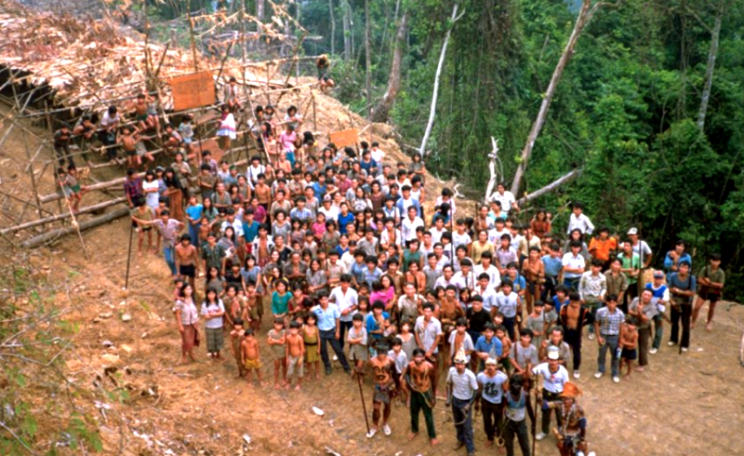
Malaysia is pushing ahead with its plans for a devastating series of 12 dams in the rainforests of Borneo that will kill a billion trees, bring death to wildlife on a stupendous scale and evict tens of thousands of indigenous people and their communities, writes Jettie Word. Now a new film honours their struggle for land, forest and freedom.
The Green Deal was expensive, bureaucratic, complex, inefficient and so badly designed it could have been set up to fail, writes Sue Roberts. Yet it was the UK's only national home insulation scheme and its intentions were sound. What it needed was rethink and reform, not scrapping - and with it gone, there's a huge gap that desperately needs to be filled.
The land grab by NuGen for its triple reactor Moorside site keeps on growing, writes Martin Forwood. The 'biggest construction project in Europe' is expanding from Nugen's original 200 hectare site to 552 hectares of farmland reaching right up to two villages and an 11th Century church. But with compulsory purchase on the cards, there's nothing locals can do except keep on fighting the entire deeply flawed project.
Following the atomic bombs exploded over Japan in 1945 a second crime against humanity took place, writes Chris Busby: the deliberate falsification of science to hide the dangers of ionising radiation, perpetrated to quell public opposition to a new age of nuclear bombs and energy. The fraud continues to this day, but finally the truth is winning out.
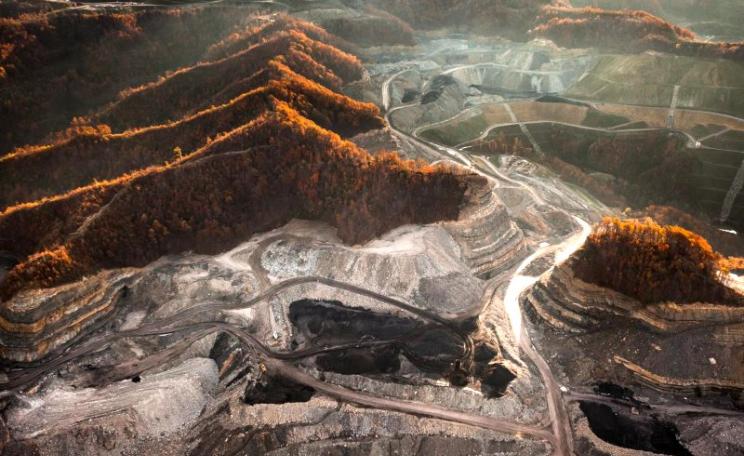
There's one big thing that Britain's biggest banks could do to reclaim their grievously impaired reputations, writes Greig Aitken: commit to stop investing in coal projects. As well as reducing climate change and local environmental impacts, it would also 'de-risk' their balance sheets as the global tide, from the US to China, turns against the dirty, carbon-heavy fuel.
Julian Assange's struggle for freedom is one of law and justice against vengeful state power determined at all costs to darken the light of truth that Wikileaks has cast into the murkiest of places, writes John Pilger. Now, after a long series of moral and legal victories, his release may finally be drawing near.
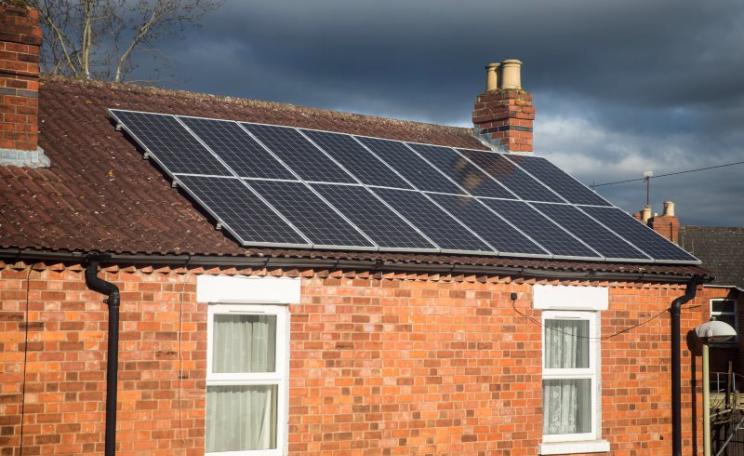
The UK government has timed its attacks on renewable energy to perfection, writes Alasdair Cameron. Public 'consultations' on proposals to cut away support for wind and solar are running over the holidays - and many of those affected don't even know about it. It's time for us all to stand up for the green economy and make our voices heard!
In the battle to save America's real wild west of unlogged forests, grizzly bears, mountain goats, Bull trout, free flowing streams and roadless wilderness, a single person stands out, writes Jeffrey St Clair, for her dedication, courage and remarkable success: Arlene Montgomery of Friends of the Wild Swan, Montana.
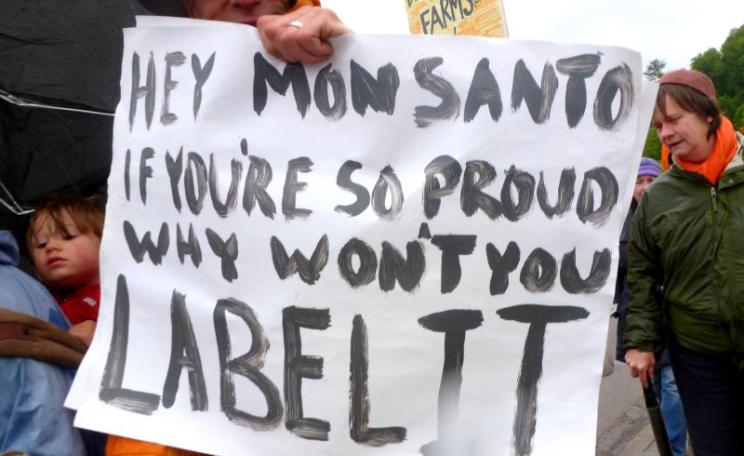
The US Congress votes this Thursday on the infamous 'DARK Act' that would abolish states' right to label GM foods, writes Katherine Paul. This 'Mother of all Monsanto Protection Acts' would also outlaw state GMO bans and even prevent the FDA from pre-market safety-testing GM ingredients. Send a clear message now to your member of Congress.
A polite knock on the door of a Mr John Shaw of Hastings got Emily Johns a visit from the police. How so? He's the CEO of a secretive 'non-profit company' that's using tens of millions of pounds of public funds to build white elephant business parks and destroy valuable nature sites. And avoiding accountability looks like a major point of the exercise.
Last December Brazil's indigenous Peoples defeated the PEC 215 constitutional amendment that was meant to open up their territories for agribusiness, mining, power generation and industry, writes Chris Lang. But now, thanks to 'Chainsaw Queen' Kátia Abreu, minster of agriculture, it's back on the agenda ... and resistance is growing once again.
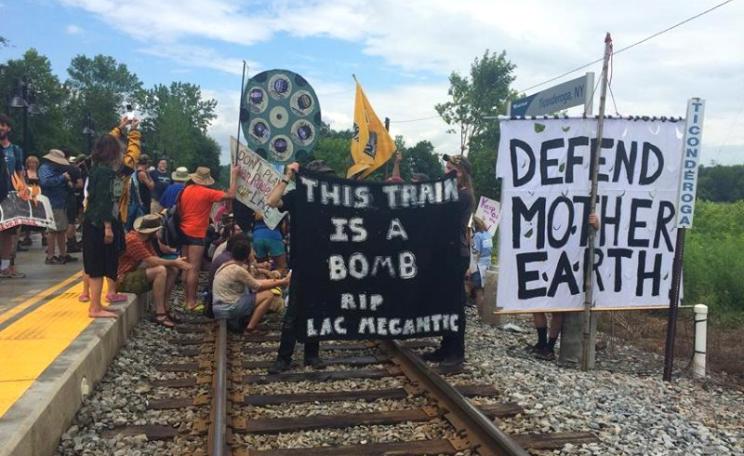
Two things are new in the Pacific Northwest, writes Stephyn Quirke: abnormally hot, dry weather that has even killed Chinook salmon on their run upriver to spawn; and 'bomb trains' a mile more long carrying thousands of tonnes of oil, with just a single sleep-deprived driver on board. What could possibly go wrong?
Austria today filed its legal challenge to the UK's €108 billion support package for the Hinkley Point C nuclear plant, writes Oliver Tickell. A second such challenge at the European Court is due from green energy suppliers in Germany and Austria who fear unfair competition from subsidised nuclear power in Poland, Czech and Hungary if the Hinkley C precedent stands.
Faced with the double crisis of global warming and the decimation of marine wildlife, what does the Obama administration do? Open up the US's Atlantic and Arctic Ocean seafronts to oil and gas drilling, write Ralph Nader & David Helvarg. But this assault on our climate and cetaceans can be stopped, as a 'Sea Party Rebellion' prepares to fight it all the way in forthcoming Presidential elections.
This month the UN is meeting to enact binding global rules on the conduct of business and transnational corporations, writes Sam Cossar-Gilbert, reversing the trend for increasing business empowerment in TTP, TTIP and TISA. The new UN Human Rights Treaty aims to provide justice for the victims of corporate criminality anywhere in the world.
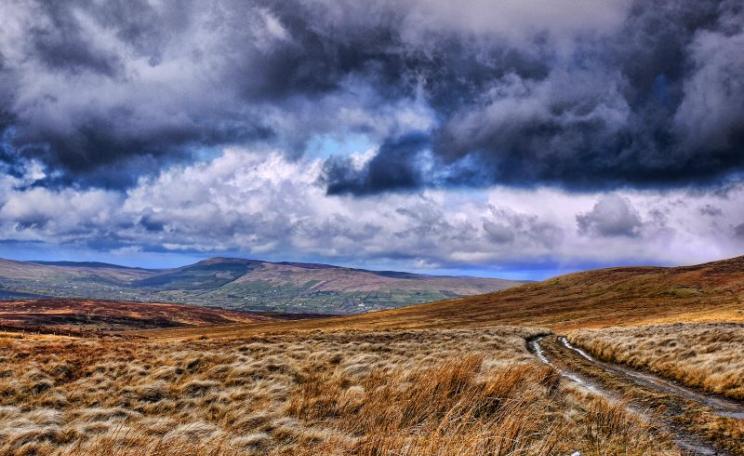
Northern Ireland shows just how much we need the EU's laws protecting nature, writes Andy Atkins - and for the Government to enforce them. The province's wonderful natural heritage is at risk from aggressive and often unlawful developments. And the EU nature laws are essential for us to fight off a host of threats - among them sand dredging, gold mining, road-building and over-fishing.
Jeju, South Korea's 'island of peace' is the site of an extraordinary people's struggle against the construction of a new billion-dollar naval base destined to support the US's military posturing towards China and North Korea, writes Medea Benjamin. And even now, after eight years of peaceful resistance, the campaigning spirit is burning strong and bright.
Sarawak state in Malaysian Borneo already has an excess of electricity from existing hydropower dams - so why is the government determined to build a dozen more, displacing indigenous communities and flooding vast areas of rainforest? The answer, says a new documentary film by The Borneo Project, is simple - massive political corruption.
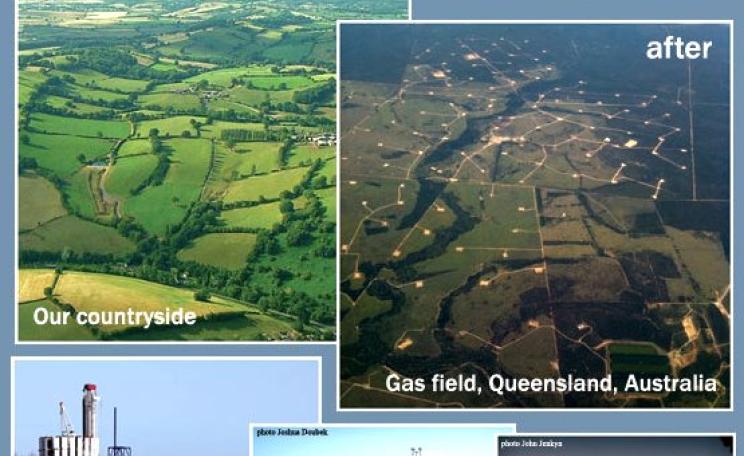
As Lancashire planners come out in support of the UK's first fracking well, Jojo Mehta has something to celebrate: the resounding success of the 'What does FRACKING mean?' leaflets she crowd funded for in April. So far 80,000 have gone out to campaigners and volunteers all over the UK, and requests for more are piling up.
A final vote to give President Obama 'fast track' authority to pursue the TTP and TTIP trade negotiations is will take place in the US House of Representatives today, writes Conor J. Lynch. This time, it's final. And yes, it really does matter. A 'yes' vote would represent the greatest corporate power grab of our times - and there's just hours in which to stop it.
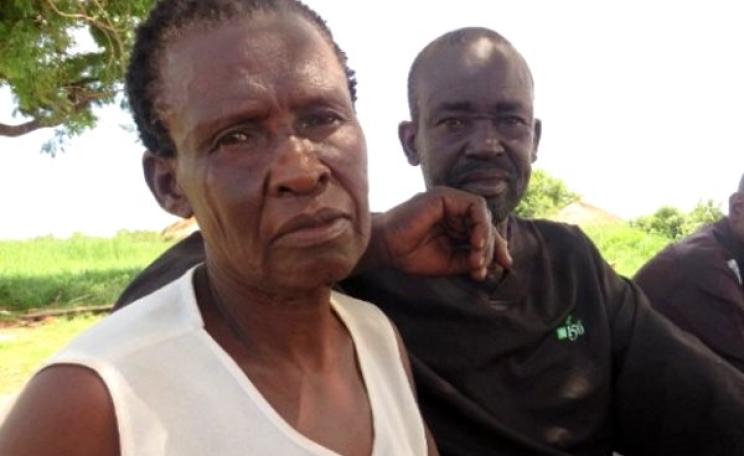
A new tactic of non-violent resistance secured a future for the people of Apaa, Uganda, after a violent government-backed land grab had threatened to turn their village and farmland over to a sports hunting business, writes Phil Wilmot. The unlikely leader was Anek, a respected grandmother of the village, whose naked protest sent both troops and government ministers packing.
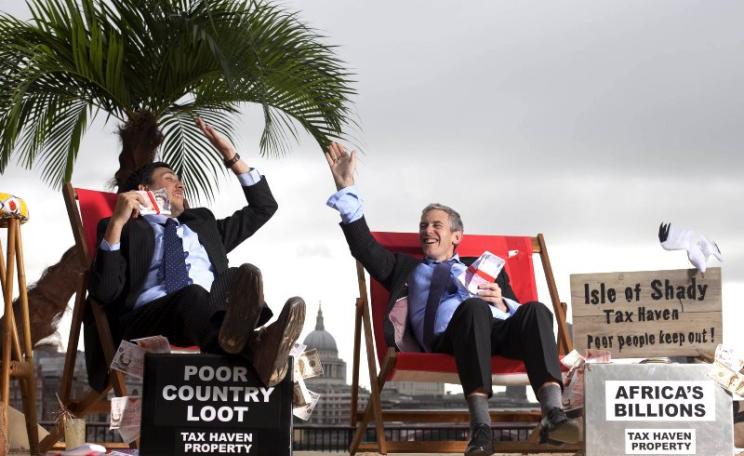
Coroprate tax dodging is costing developing countries $212 billion a year, writes Toby Quantrill, and promised action by the OECD has been a damp squib. Now independent experts have come up with their own answers to the problem - beginning with an end to the 'separate entity' fiction that allows profits to be siphoned to shell companies in zero-tax jurisdictions.
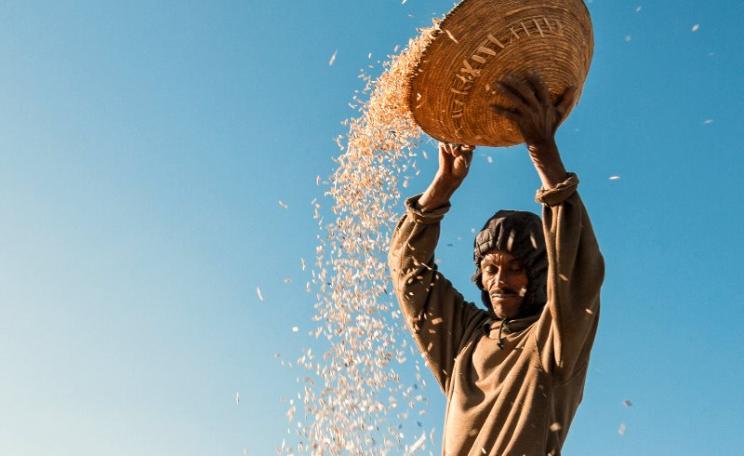
As the G7 leaders prepare to meet in Bavaria this weekend, small-scale farmers from around the world call on them to abandon their disastrous plan for the corporate takeover of global agriculture and the extirpation of small-scale farmers everywhere - those who produce most of the world's food. True food security must be rooted in local control over land, seeds and water.
Hundreds of campaigners are gathering at Didcot Power station in Oxfordshire to demand a green energy future - and an end to the Government's relentless push for fossil fuels and nuclear power, writes Diêgo Lôbo. Preparations are under way for a series of actions due to take place tomorrow, Monday 1st June.