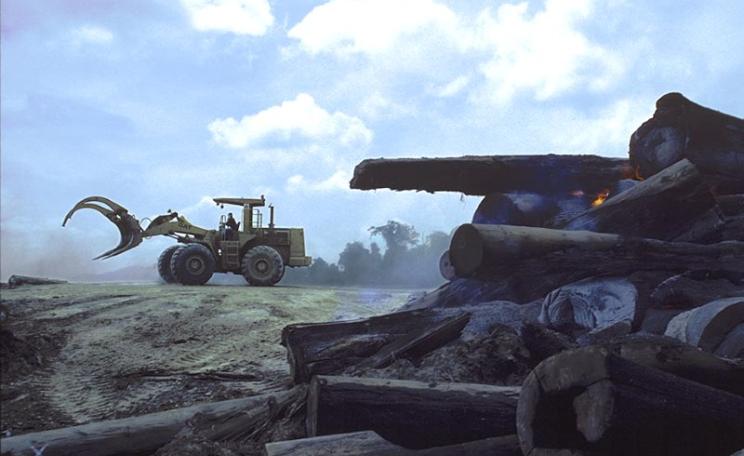
A new investigation of palm oil plantations, companies and auditors has found that the Roundtable on Sustainable Palm Oil is failing to deliver on its promise, writes Chris Lang. Widespread fraud, collusion between auditors and companies, conflicts of interest, and a flawed complaints system mean that RSPO-certified palm oil may be destructively and illegally produced.
Mexico is determined to restore populations of its largest native predator, the jaguar, to long term viability, writes Kent Paterson. That means creating millions of acres of ecological corridors across the country, and joining with US colleagues to secure large areas of habitat in southwestern states, where recent sightings give hope that jaguars are returning to their former range.
The fox-hunting season is now well under way, writes Toni Shephard. But with Cameron still pressing for a Commons vote on wrecking amendments to the Hunting Act, political controversy shows no sign of subsiding. Take, for example, the proposed lifting of the limit on number of dogs that can be used for the 'observation or study' of a wild mammal.
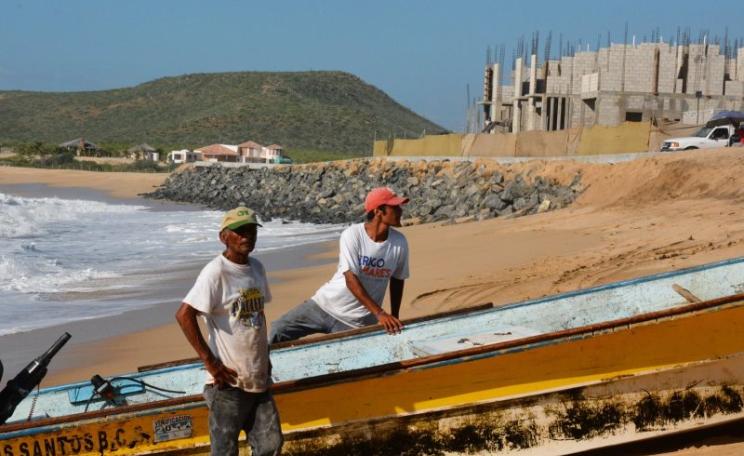
Resistance is growing in Todos Santos, Baja California, to a tourism and University campus mega-development of 4,500 homes that claims to be 'free range and locally sourced', writes Viviane Mahieux. It has already grossly disfigured one of Mexico most gorgeous beaches, while locals fear it will drain their aquifers and obliterate a harmonious community.
Last week BP's Peter Mather - who claims to have 'green and yellow oil' flowing in his veins - took to the airwaves on Radio 4's The Bottom Line'. Evan Davies asked some tough questions, writes Chris Garrard - but failed to mention the shocking case of Colombian trades unionist Gilberto Torres, kidnapped and tortured for 42 days by paramilitaries employed by BP's joint venture partner.
As indigenous activists opposing hydropower dams on their territories gather this weekend in the rainforests of Sarawak, Malaysia, they have good news to celebrate, writes Rod Harbinson: a giant dam on the Baram river has been put on hold. But the forests are still being logged, local people have been stripped of land rights, and a programme of 12 giant dams is still official policy.
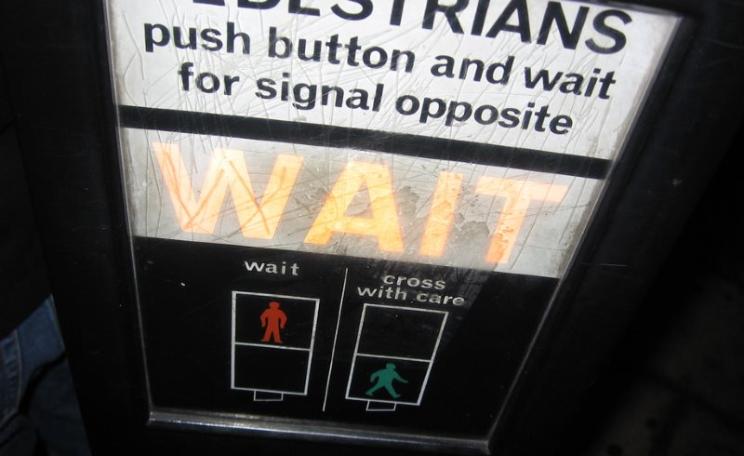
Fewer than half the UK's inhabitants even have a driving licence, writes Chris Church. So how come the UK's transport policies are all about meeting the needs of drivers? After all, even drivers are pedestrians the moment they step out of their cars. Now a new campaign group is forming to give a voice to non-drivers - and demand a better deal.
Declining tuna stocks are not the only consequence of an out-of-control tuna industry, writes Cat Dorey. A major tuna fishing method used in tropical seas is causing serious damage to coral reefs and attracting a huge 'bycatch' of sharks and other species. Now responsible producers and retailers are taking matters into their own hands - and you can help!
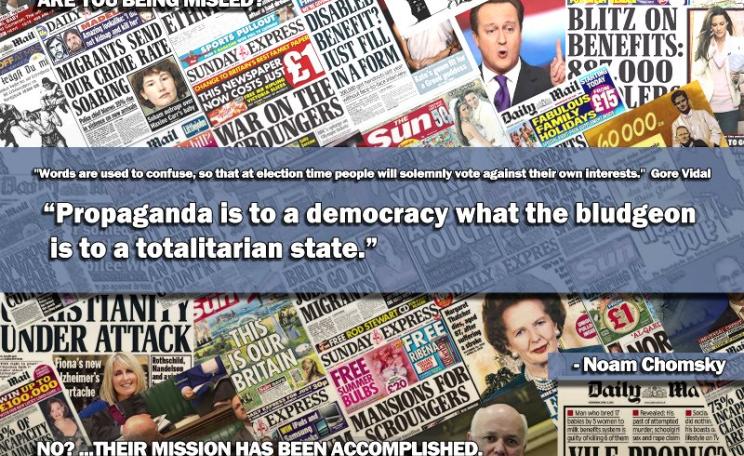
A handful of 'climate sceptic' billionaires, owners of most of the UK's biggest selling newspapers, have used their media dominance to spread a false narrative on climate change, and undermine prospects for effective action to curb fossil fuels, writes Donnachadh McCarthy. Campaigners must fight back - beginning with a series of actions that begin outside the Daily Mail this month.
Campaign groups from Indonesia, Kenya and Peru have called on planners in the UK to turn down opencast coal mines in Co Durham and Derbyshire, write Anne Harris & Hal Rhoades. Not only do the mines damage local health and environment, say the activists. They also threaten global climate stability - and all countries must play their part in ending the world's coal addiction.
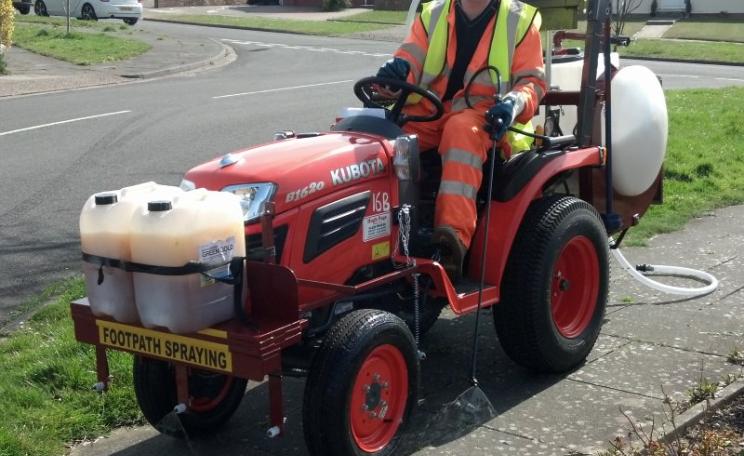
Local authorities around the world are going pesticide-free following an initiative by a small town in Canada 25 years ago, writes Keith Tyrell. Now the movement is coming to the UK, with campaign groups setting up in towns, cities and rural communities to keep pesticides out of our streets, parks, playgrounds and allotments.
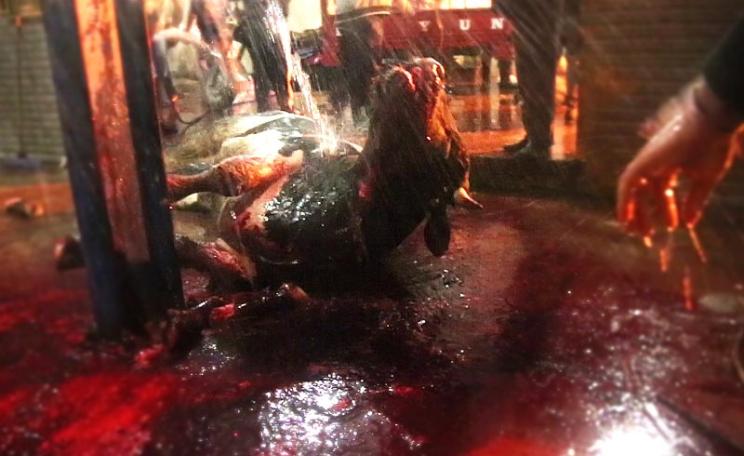
The EU's long-distance trade in live cattle to the Middle East inflicts horrendous cruelty at every point from farm to slaughter, writes Peter Stevenson, as well as posing public health risks due to grossly insanitary conditions. Live animal exports for meat should be stopped and replaced with a humane trade in refrigerated meat and carcasses.
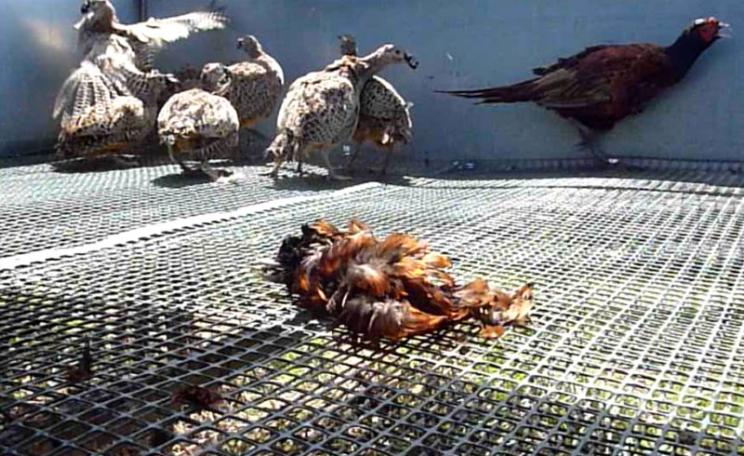
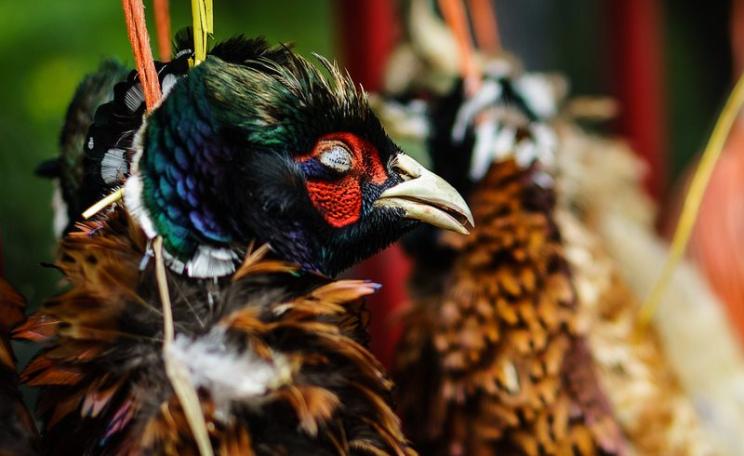
This is the first day of the pheasant shooting season, writes Toni Shephard. But put bucolic ideas of happy birds running around in the wild woods out of your mind. Most of the birds coming under shotgun fire today have only just been released from overcrowded factory farms. Even in death they have no dignity: most are not even eaten, but end up dumped in makeshift pits.
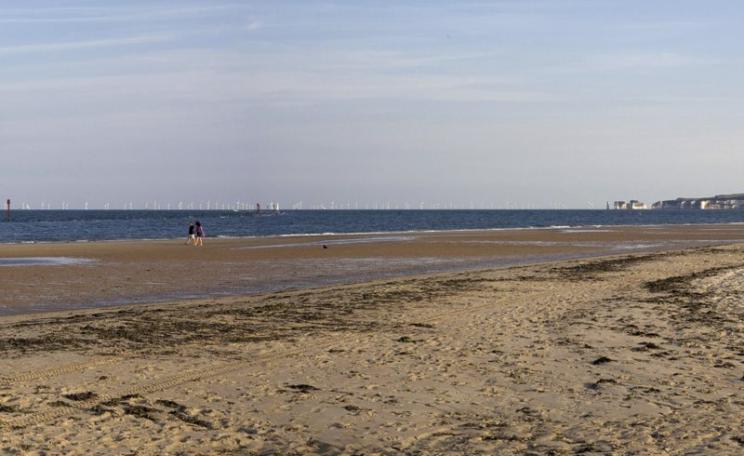
The government's decision to turn down the 1GW Navitus Bay offshore wind farm near the Isle of Wight sends a chilling message to developers: 'don't waste your time and money here!' The refusal of planning permission based on visual impact to a geological world heritage area is capricious and threatens to kill off an industry in which the UK has been - until now - the world leader.
As ever more companies and governments pledge to 'go green' and protect forests, the world's tribal peoples should be among the main beneficiaries, writes Amy Dickens. Yet the reverse is the case. All too often the promises are purest greenwash, used to conceal the human and environmental tragedy of land-grabbing for plantations, mines, logging and even 'conservation'.
The UK's decision to 'green light' £2 billion in guarantees for the Hinkley C nuclear power station indicates the government's increasing desperation, writes David Toke. Bar the shouting, has anything actually happened? The guarantees have not been issued, and the announcement of Chinese participation in a new reactor at at Bradwell remains ... an announcement.
The fight against TTIP is being picked up by local authorities across the UK and other EU countries, writes Kevin Smith. Even Brussels - where the European Commission has been negotiating the deal with its US counterparts - has joined the movement. And now, with the election of the anti-TTIP MP Jeremy Corbyn's as Labour Leader, it's time to drive the message all the way home.
Defra's new £500,000 report on pheasant and partridge breeding is biased towards commercial shooting interests from start to finish, writes Toni Shephard. It purports to study the welfare of captive birds reared in restrictive cages, but fails to compare their lot to that of free-range birds - the only adequate baseline.
Following scientific confirmation of the severe hazards to health caused by residues of glyphosate weed killers in food, the Soil Association is calling on bakers and retailers to stop 'pre-harvest' spraying on arable crops. The SA's Peter Melchett just sent out this letter - adapt as necessary and send to retailers, bakers, makers of cereals, pasta, biscuits and others.
For 25 years, a group of eco-aware surfers have been campaigning for cleaner waves, writes Summer Brooks. SAS was founded in 1990 to tackle sewage discharges into UK coastal waters, and now, bigger and stronger than ever, they are turning their focus to the global problem of ocean plastic - both picking it up on our beaches, and pushing for long term, global solutions.
It sounded wonderful: a futuristic 'garden bridge' across the Thames dripping with flowers and foliage, writes Will Jennings. But really it's a private enclosure of valuable public space, mature trees and views, backed by £60m of taxpayers money, that delivers no benefits to London's wildlife, environment or transport needs.
As they argue for an extended and intensified badger cull, some farmers have been making extravagant and improbable claims about giant badgers frolicking with their cattle in the sunshine, write Jay Tiernan & Lesley Docksey. But despite holding office in the NFU, they display astonishing negligence by failing to adopt the most elementary bio-security measures advised by Defra to keep their cattle TB free.
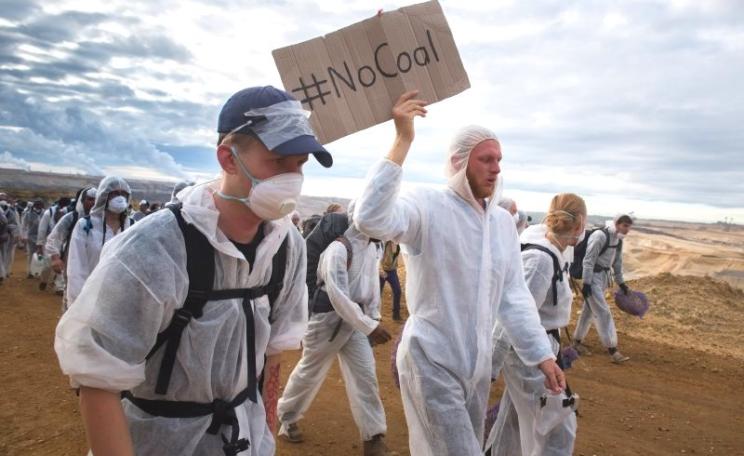
Last weekend Toni Belly was occupying Germany's biggest open cast coal mine in the once lovely Rhineland area, one of thousands of protestors from 350.org and other groups determined to shut the operation down. Nursing his bruises and eyes still sore from pepper spray, he set down his account of an unforgettable day of action.
Britain's dairy farmers have been having a hard time, writes Vicki Hird, largely thanks to their exposure to an unregulated, unstable, global food market. But if the EU's TTIP 'trade deal' with the US is ever signed, pitting UK dairy farmers against zero-welfare US mega-dairies run on hormones and antibiotics, they won't have a chance.