Next month thousands will gather in Wales to shut down the UK's open cast coal mine at Ffosyfran, whose 3,500 acres abut both Merthyr Tydfil, one of Britain's most deprived communities, and the glorious Brecon Beacons national park. It will be one of dozens of coordinated actions across the UK, and around the world, to bring the age of coal to the rapid end it so richly deserves.
An exciting new project has been launched to give children a chance to join in the GMO debate, writes Pat Thomas. With young people speaking up and becoming more aware of food, health and environmental issues, they deserve the platform to voice their concerns and join in a wider global network of youth working for positive change in the world they will inherit.
The state government of Ekiti sent bulldozers to clear farmland for a new airport without even consulting the farmers who owned it, writes Rose Bridger. Crops, buildings and trees were all flattened. But the farmers fought back - and have now won a major legal victory that will inspire and empower other mega-project afflicted communities across Nigeria, and beyond.
The dolphin drive hunts in Taiji, Japan have officially ended for the season, writes Ric O'Barry, however the offshore pilot whale hunt continues until the end of May. After a particularly brutal year, which culminated in my arrest and deportation from Japan, we at Dolphin Project will continue our crucial work to end the annual barbarity of cetacean killings and captures.
Since December 2011, when it became clear that the government was intent on its badger cull, Defra and Natural England have been flooded with FOI requests about how the culls would be set up, conducted and monitored. The notable success of Anna Dale in cutting through official obfuscation has implications for everyone trying to protect the environment and wildlife.
For Saskatchewan, uranium is an important part of the economy, but for the province's indigenous peoples, the land is everything. It is filled with relationships between beings who dwell together in an interconnected web. Their traditional ecological knowledge is not just a set of terms or data, but a deep, broadly-viewed reality which contains systematic respect for all creation.
Two heavily armed, UK registered ships are currently engaged in the transport of UK sourced plutonium across the Pacific, writes Tim Deere-Jones. Details of their safety inspection records, survey status, voyage routes and location have been suppressed in the interests of security but the lack of transparency breaches a number of international safety standards.
The craze for selfie photographs has reached an all-time low, after a recent spate of animal deaths have been linked to achieving the perfect picture, writes Laura Bridgeman. But why do people exhibit such a careless attitude to animal welfare when we normally show such apathy? Cultural conditioning may have the answer.
The US Constitution guarantees the rights of future generations, not just current ones, writes James E. Hansen. But those rights are being betrayed, knowingly and deliberately, by governments and politicians who are standing by and allowing climate change to wreak long term havoc on the planet. Today, this legal principle is being asserted in a Federal Court in Oregon.
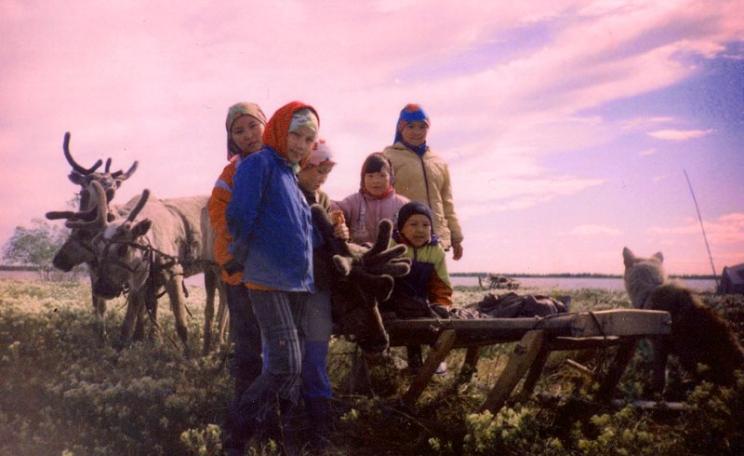
A vital nature preserve in western Siberia, and the indigenous peoples that inhabit it, are at risk from oil development, write Elena Sakirko & Konstantin Fomin. Oil giant Surgutneftegas is already active in the Numto Park, but now they want to extend operations into its fragile wetlands, putting at risk snow cranes, the Heavenly Lake, and the survival of the Nenet and Khanty peoples.
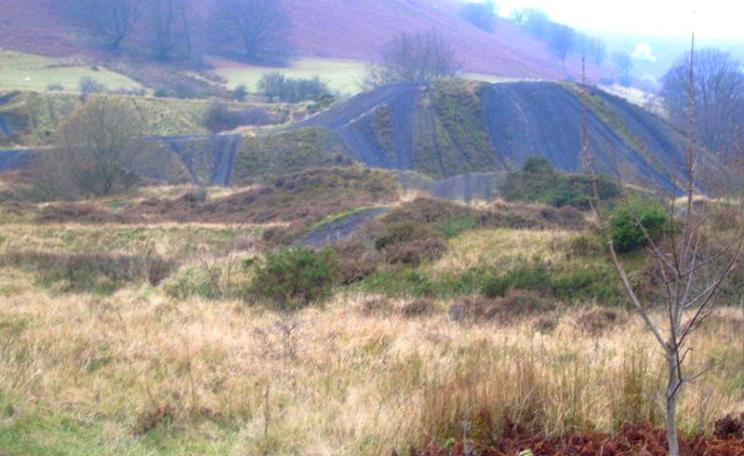
A tangle of undercapitalised companies are coming forward to cash in on old deep coal mines in Wales, writes Guy Shrubsole - by digging them all out from above from huge open cast pits. But local communities, alarmed at the noise, pollution and destruction of landscape, increasingly see coal as an industry that's best consigned to the scrapheap.
A unique, all female anti-poaching unit has transformed the conservation picture in South Africa's Kruger National Park, writes Anneka Svenska. In just three years the Black Mambas have cut poaching by more than 75%, removed over 1,000 snares, and become role models for local youth. And this weekend they arrive in the UK to collect Helping Rhinos' 'Innovation in Conservation' Award.
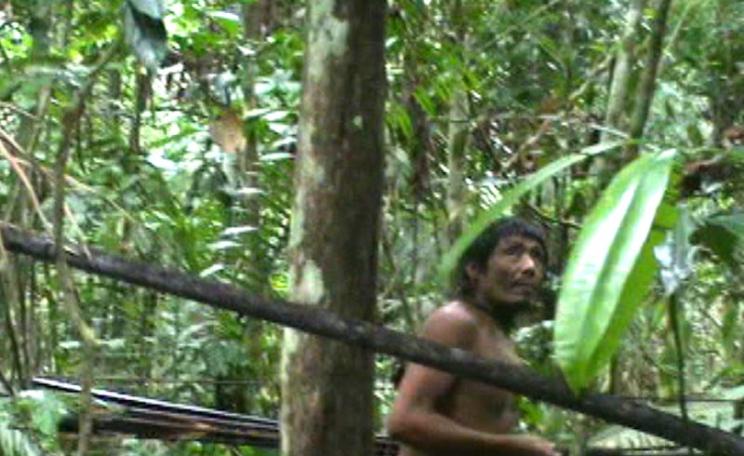
The Kawahiva, an uncontacted tribe in the Amazon rainforest, face extinction unless Brazil's government acts to secure their legal rights to land, security and to remain undisturbed by outsiders, writes Lewis Evans. The decree that would achieve this vital goal has been sitting on the Minister of Justice's desk since 2013. Let's make sure he signs it soon, before it's too late.
How can progressive movements rise above merely being right, to mount effective mass opposition to corporate rule and the dictatorship of the super-wealthy? By learning from Gandhi, writes Colin Todhunter, and devising new campaigns that engage with people's everyday concerns - like access to safe, wholesome, affordable, 'open source' food.
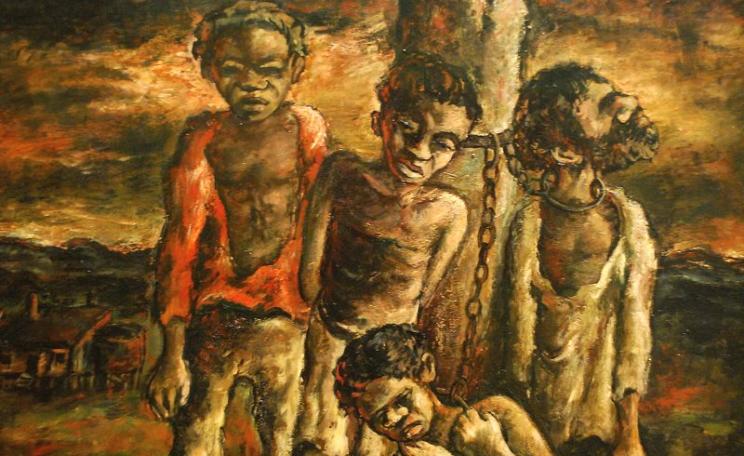
For most Australians, 26th January is a day of family celebration, writes John Pilger. But for its indigenous peoples the only thing to celebrate is their survival after over two centuries of rape, murder, theft and vicious racism that continues to this day, and has even found new expression in Australia's war on refugees, incarcerated in barbaric Pacific Island concentration camps.
No matter how concerned we are about the quality of food we and our families eat, we can be sure governments are putting corporate profit first, writes Sally Beare. But we - Mums in particular - still have our power as consumers to push supermarkets and other retailers into going GM-free and keeping toxic agrochemicals out of the food chain. Let's use it!
The 'New Alliance', backed by £600m of UK aid, is meant to improve food security, reduce malnutrition and lift people out of poverty, writes Aisha Dodwell. But it's all a huge con - delivering corporate welfare, attacking small farmers, enabling land grabs - and leaving a trail of poverty and human devastation. It draws praise from only a single review of its activities: its own.
The Philippines is taking a huge leap forward in the climate wars, writes Ellen Baker, with the world's 'top 50' energy giants standing accused of violating international human rights law as a result of their fossil fuel production. This is the first such investigation ever to take place anywhere in the world - and it just opened up a whole new front of corporate vulnerability.
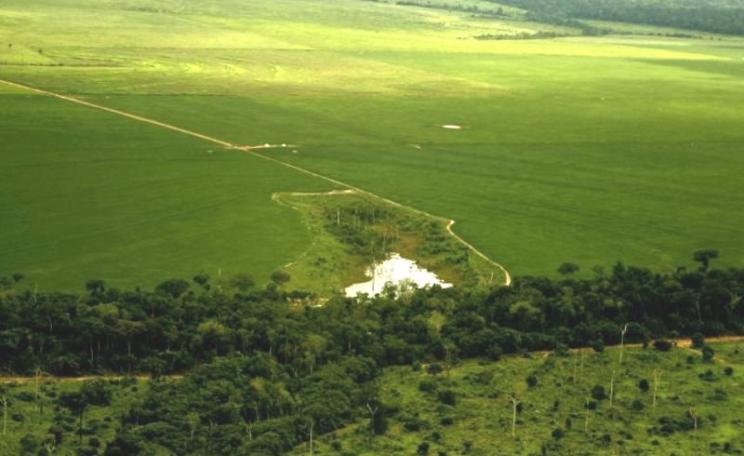
After years of half-hearted, ineffective polices to tackle deforestation, the EU is finally promising to take strong measures to deal with the problem, writes Sébastien Risso. Tackling illegal timber imports will be a great start, but it also needs to take on the far larger problem of deforestation for agriculture - stimulated by the EU's huge imports of palm oil, soy, beef and other commodities.
Following this month's intense rainfall in the north of England an Environment Agency alert has highlighted the flood risk to the crumbling nuclear waste dump adjoining Sellafield in Cumbria, writes Marianne Birkby - a dump which remains in use despite its condemnation by the EA in 2005 due to its likely destruction by rising seas. Now it really is time to close the gate on Drigg!
Orcas from Puget Sound and the Strait of Georgia are under threat,in large part due to toxic organic compounds in the marine food chain, writes Sierra Rayne. To give them a fighting chance, the nearby community of Victoria, British Columbia must install advanced sewage treatment - rather than just dump its wastewater largely untreated into the orcas' ocean home.
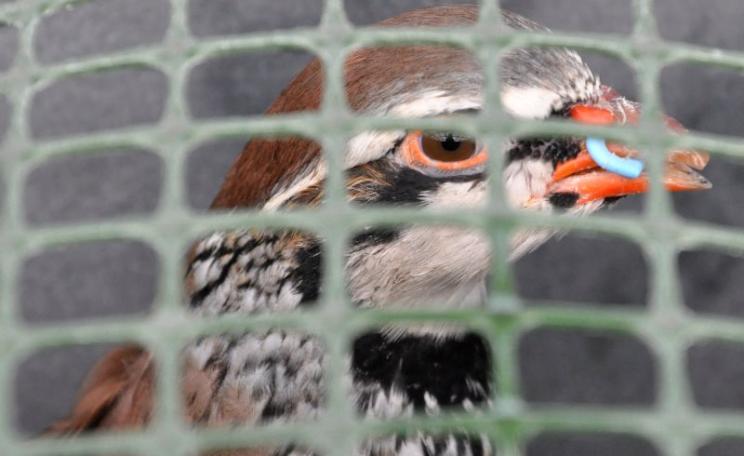
Forget pear trees. Today's partridges are unlikely to have seen much beyond the barren confines of their cages until they are released to be shot, writes Toni Shephard. A new investigation by the League Against Cruel Sports reveals that thousands of partridges will spend Christmas, like every other day, imprisoned on the farms that supply shooting estates.
Yellowstone Park is home to America's last pure-bred wild bison, writes George Wuerthner. Yet the Park's management is planning to kill around a thousand of these precious animals this winter. Ostensibly it's to protect cattle on public lands near the park from brucellosis. But bison have never been known to transmit the disease to them. The real reason is to keep all the pasture for livestock.
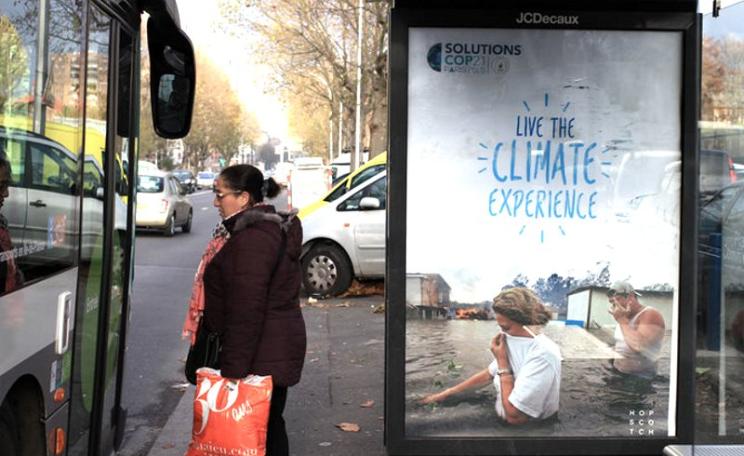
Civil society may have been kept out of the COP21 conference centre, even forbidden to march on the streets, writes Thomas Dekeyser. But climate activists have found an new means of expression: the 'Brandalism' of 600 advertisements in bus shelters across Paris, replacing corporate brand-building with subversive messages on climate and consumerism.