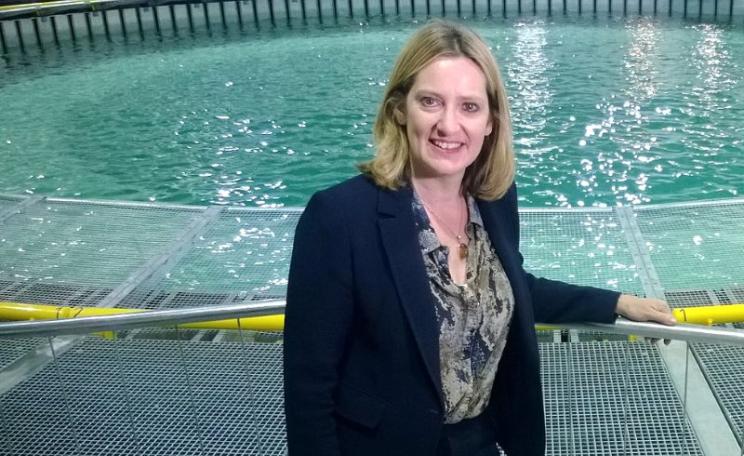
The battle for the soul of the Conservative party will intensify on the volatile issue of climate change, write Brendan Montague and Matteo Civillini. Energy Secretary Amber Rudd may be among the Tories' greenest but the 'grey blob' led by Owen Paterson may yet defeat her.
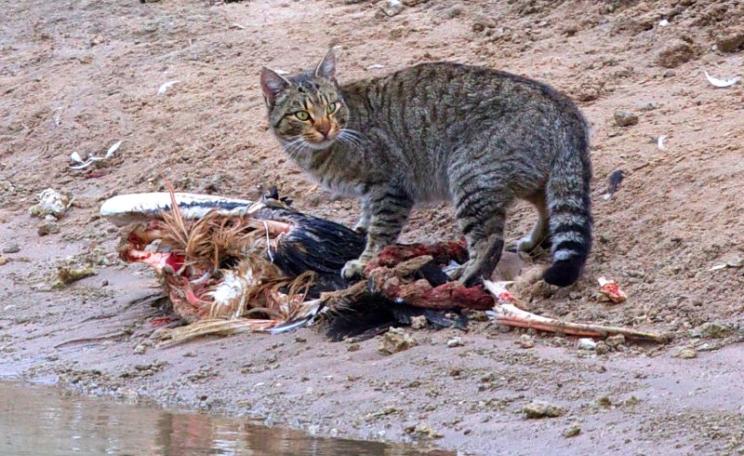
A study of feral cats in Tasmania shows that culling them to reduce their impact on native wildlife had a paradoxical effect - their population went up! If you can't take 'pest' animals out faster than they can reproduce and move in from nearby areas, writes Christopher Johnson, you're better off not bothering at all.
The US is denying huge numbers of black and brown children their chance to achieve their cognitive potential by quietly poisoning them with lead and other toxins, writes Rita Turner. The offense is then compounded by providing the victims deeply unequal educational opportunities, and disregarding their civil rights.
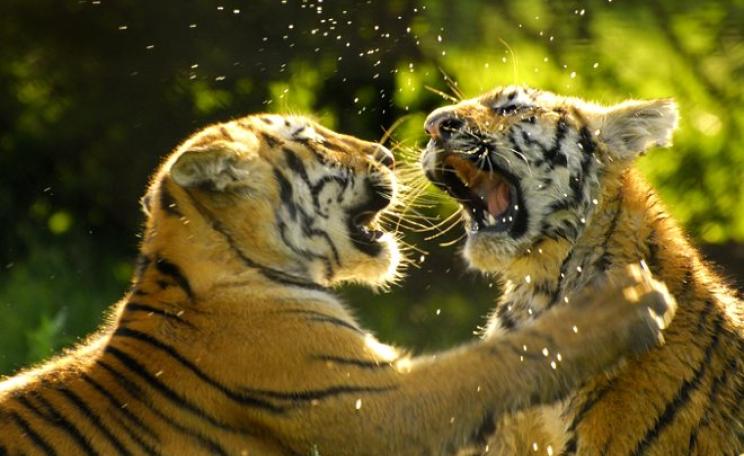
The presence of the tigers is the world's greatest mangrove forest vital to its survival, writes Joydip Kundu. It's the fear of the tiger that deters people from entering the forest to cut its trees and hunt its wildlife - and so these majestic predators protect its fisheries, and guard millions of people in south Bengal from the rising seas.
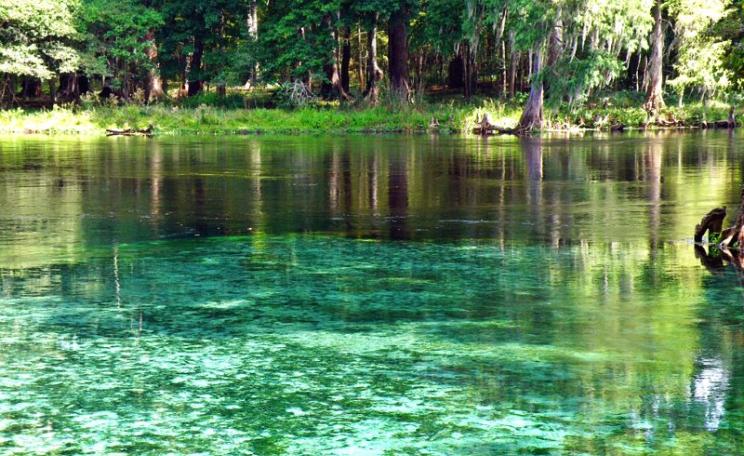
President Obama Earth Day appearance on the Florida Everglades' failed to disguise the truth, writes Grant A. Mincy - that governmental and corporate domination of ecosystems brings their all too predictable destruction. It's not national parks that will save our nature, but restoration of the commons and their management by local communities.
Malawi, one of the Earth's poorest nations, faces a desperate struggle to feed its people without destroying the ecosystems it relies on, writes Marc Crouch. Poor agricultural practice has left the country with low crop yields and rampant food shortages, however the government and charities are fighting back.
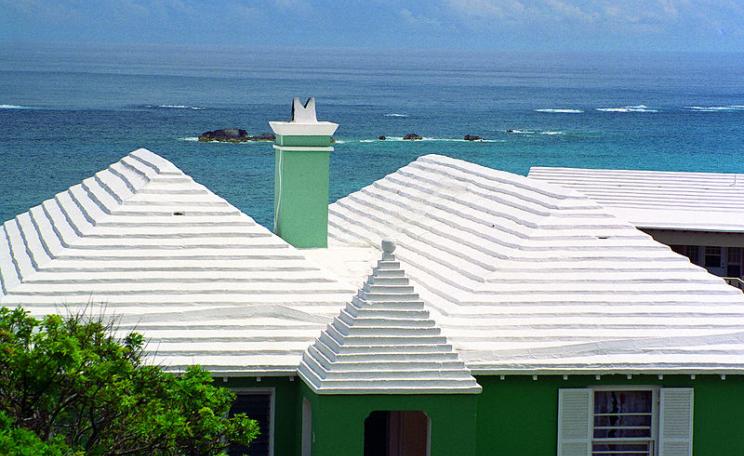
As the world inexorably warms, Roger Kemp shows how we can help to keep our buildings cool with roof gardens - or just with white paint. And if enough people do it, entire cities will become more cooler, more pleasant places to be when hot weather hits ...
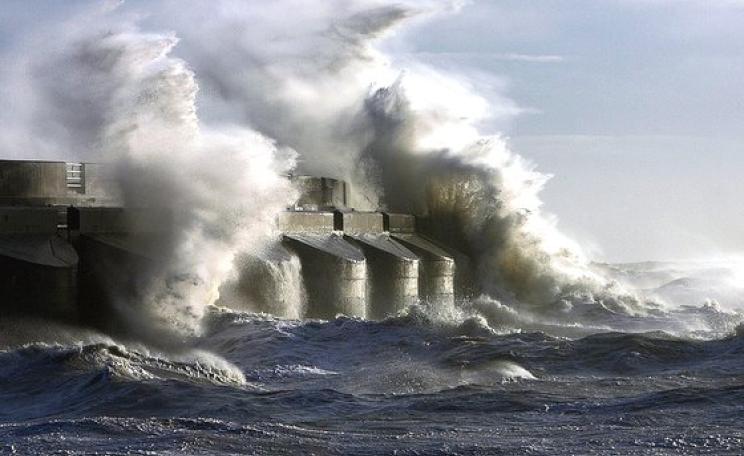
Wave power has a huge part to play in supplying the US with clean, renewable electricity, writes Shalinee Kishore. But to achieve its full potential, we must harness not just the energy of waves, but their predictability - and so so ensure the smooth integration of wave power into the electricity grid.
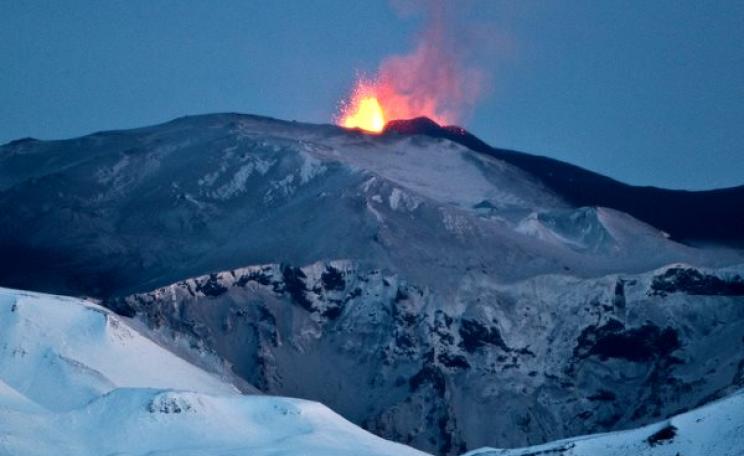
The end of the Triassic era 200 million years ago was marked by a surge in CO2 and anoxic oceans saturated with toxic hydrogen sulfide, writes Jessica H. Whiteside - enough to finish off half of all known organisms. Could humans now be embarking on a similar experiment?
Easter is a time when - chocolate munching aside - it's still possible to take a step back from consumer-capitalism, writes Frederick Trainer, and pause to think where it's getting us. The sad fact is that so long as society is driven by consumerism, our society can never be ecologically sustainable or just.
Modern agriculture - even among organic farmers - is often seen as a matter of soil chemistry, writes Lynda Brown. But an alternative view is gaining ground: that it's really about soil life. Nurture your soil-dwelling micro-organisms, and your crops look after themselves.
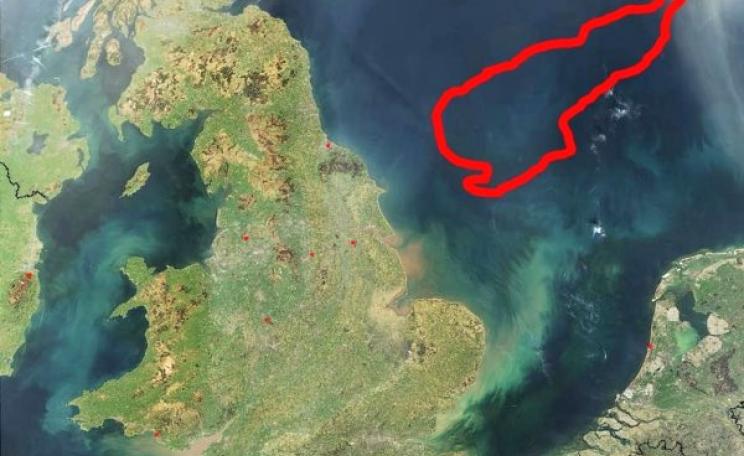
Way out in the turbulent North Sea, the Dogger Bank may seem like an unlikely place to site a large part of Britain's energy infrastructure. But given the stable sea floor, consistent winds, and distance from sensitive neighbours, it could be the perfect place. Even the fish could come to like it!
A new EU Regulation aims to limit the spread of invasive species through 'pathway controls' and bans on possession, transport and trade, writes Yannic Rack. But will it be up to the most important task - keeping the most hazardous aliens out, before they ever get the chance to become a nuisance?
The state of Florida has banned employees from using the terms 'global warming' or 'climate change'. But as George Marshall writes, it shouldn't have bothered. 'Climate change' sounds curiously reassuring and even 'global warming' has a comforting ring. How about 'climate chaos' or 'global heating'?
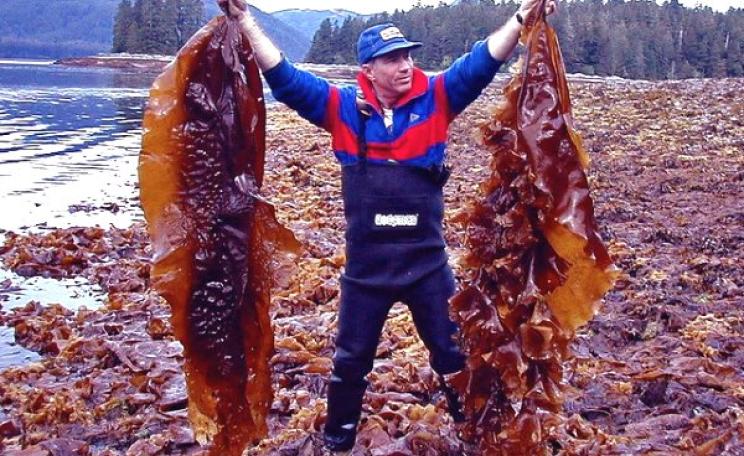
Biofuels are controversial because they are often produced from food crops or grown on farmland, writes Paul Brown, creating extra pressure on land and forests. But a common algae found in abundance around coastlines and clogging up beaches may be the answer.
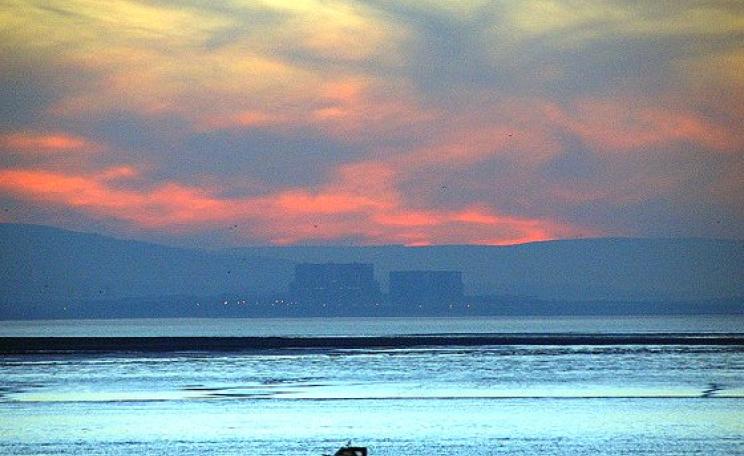
The Hinkley Point C nuclear power plant never made sense, writes Jonathon Porritt, but as legal challenges gather, finance fails to materialize, the cost of renewable energy keeps on falling, and the 'dead duck' EPR design is prepared for burial, even nuclear fanatics are turning against the doomed project.
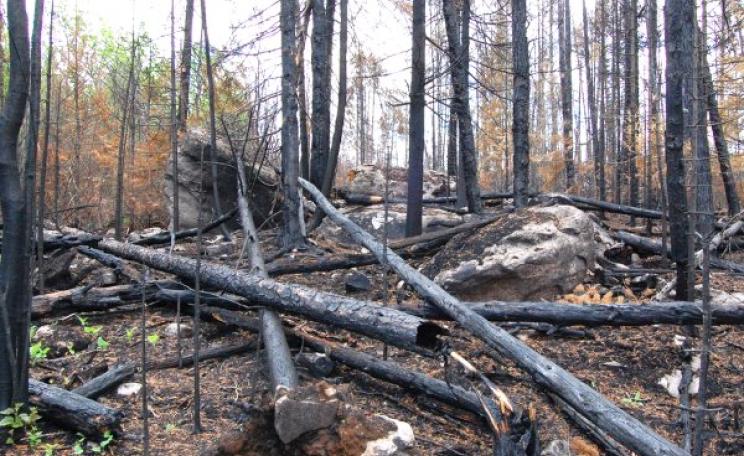
Fire is an essential part of the life-cycle of the forests of the American West, writes George Wuerthner, and the complex, biodiverse habitat that burning creates sustains hundreds of species that cannot survive without it. So please - no more talk of forests 'recovering' after fire - OK?
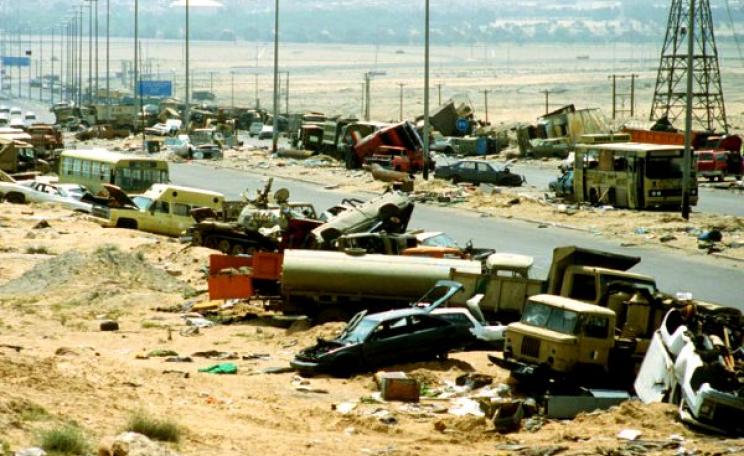
A wide-ranging academic study of civil wars in 69 countries from 1945 to 1999 finds that the likelihood of outside intervention increases when the country at war has large reserves of oil, and a potential intervener needs to secure oil imports on favourable terms to meet domestic demand.
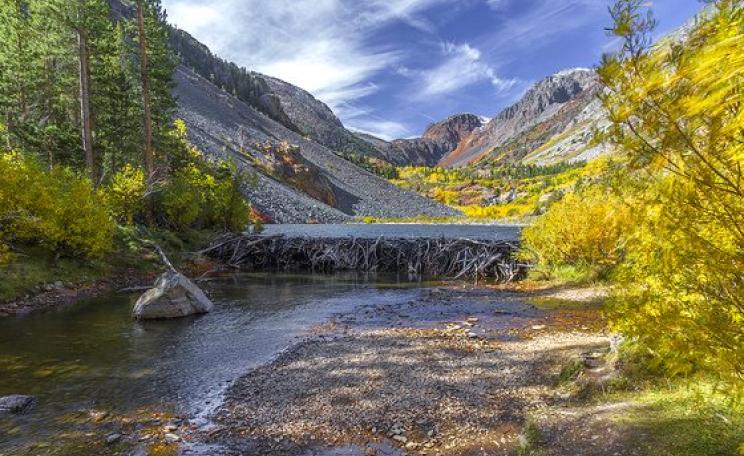
With California's wild Coho salmon populations down to 1% of their former numbers, there's growing evidence that beavers - long reviled as a pest of the waterways - are essential to restore the species, writes Maria Finn. In the process, they raise water tables, recharge aquifers and improve water quality. What's not to love?
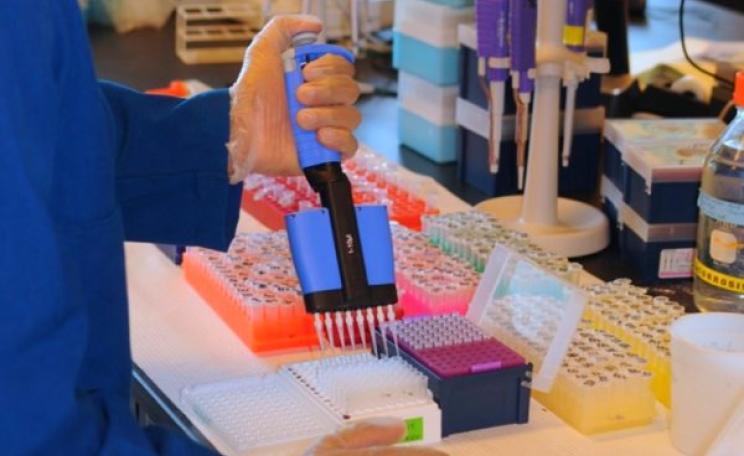
Advanced molecular genetic techniques are allowing scientists to breed disease resistance from wild grape varieties into susceptible domestic cultivars used for making wine, writes Andrew Walker. And it's all being done by conventional plant breeding accelerated by the use of DNA markers - with not a GMO in sight!
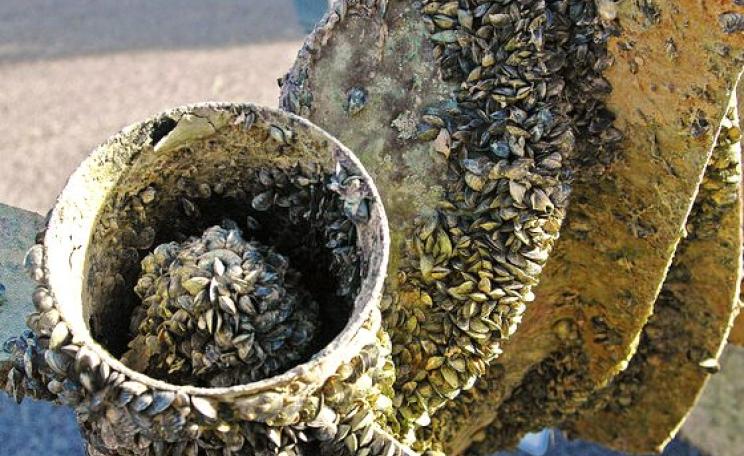
The zebra and quagga mussels, exotic invaders from the Caspian, are already causing huge damage in North America by 'biofouling' and disrupting native ecosystems, writes Yannic Rack. And now Britain is having to gear up for an impending invasion that threatens a costly meltdown of our aquatic biodiversity.
The last ice age came to an end following the massive release of carbon dioxide from the Southern Ocean, write Miguel Martinez-Boti and Gianluca Marino, and the signature of that event is written in planktonic shells. It's a timely reminder that the oceans contain 60 times more carbon than the atmosphere - and we want to keep it there.
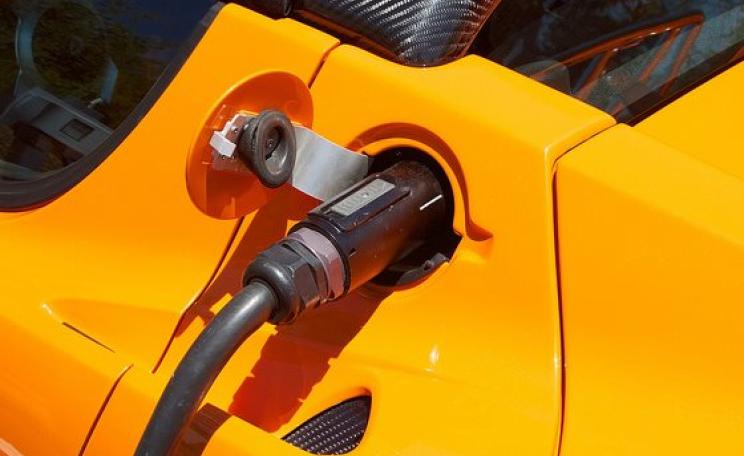
78 records didn't come to an end because the world ran out of shellac, writes Chris Goodall. And today's cars won't be made obsolete by a shortage of oil, or even climate change. The transition will be driven by falling prices, long range, clean air laws, and the superb style, performance and driving experience they offer.
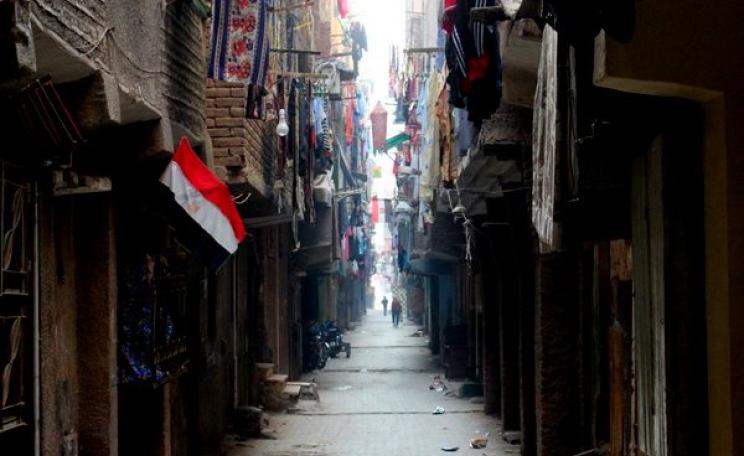
Egyptian researchers have come up with a solution to the a lack of sunlight in Cairo's narrow and dingy streets, writes Patrick Keddie: a sine-wave panel that reflects light as soon as the sun rises. Initial tests indicate a potential five-fold increase in light levels.