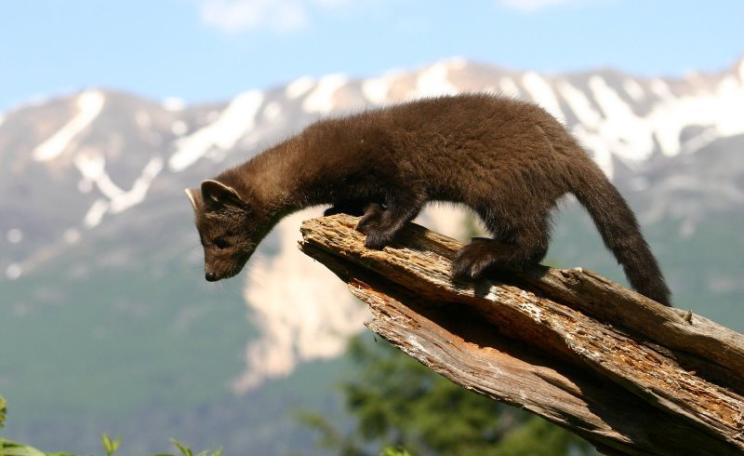
The return of pine martens to central Ireland has been followed by a resurgence of red squirrels, writes Emma Sheehy. Now that the predatory mammal is being seen south of the Scottish border, the same could happen in England. The heavier grey squirrel is easy prey for pine martens, and their demise could open up ecological space for the native red to recolonise.
We owe a deep debt of gratitude to Dr Frances Kelsey, write Helena Paul & Philip Bereano. In 1960, she defied her bosses at the FDA to prevent the licensing of thalidomide in the USA, saving thousands from being born with serious deformities. Her tough approach to minimising the risk from new drugs contains lessons we ignore at our peril.
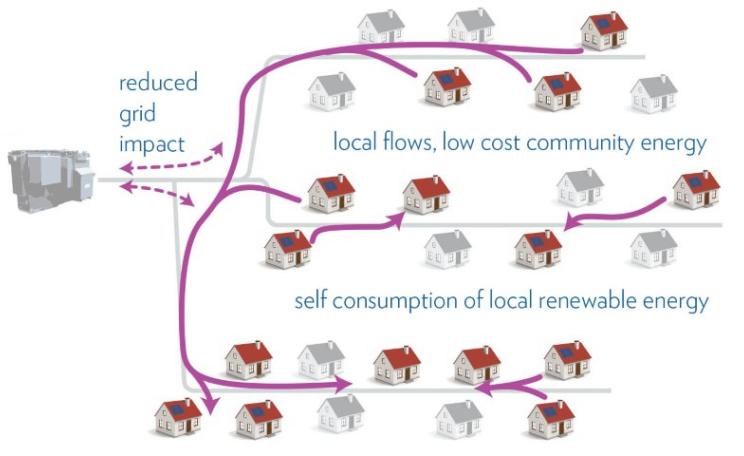
With centralised fossil-fuel and nuclear generation both undesirable and increasingly unviable, the answer is to make our energy local, distributed and renewable, writes Chris Wright. But to complete the picture we need battery systems for backup, stability and efficiency. And one could be coming your way soon ...
Farmers' first line of defence against pests is the ecosystem in and around their fields, write Jonathan Lundgren & Scott Fausti. With widespread or indiscriminate use of pesticides essential biodiversity is lost - and the result is more frequent and serious infestations, and a decline in food security.
There is huge untapped potential in the green economy to create millions of decent jobs, writes Jean Lambert - but only if lessons are learned from the Government's flawed, now scrapped, Green Deal. Lesson one: we desperately need a well-funded, ambitious replacement.
Human existence relies on healthy soils, writes Jane Rickson. But all over the world they are being lost and degraded by inappropriate land use, reducing their capacity to produce food and store water, nutrients and carbon. Sustainable land management must be incentivised to conserve this essential resource.
Batteries may have a big role in balancing future power grids, writes Sean Meyn, enabling more wind and solar generation. But until we go beyond 50% renewables, we don't need them. Instead we can adjust the demand of power hungry appliances to what's available every moment of the day.
Sooner or later, humanity will have to accept the constraints of a finite world, writes Guy Shrubsole. But two rival economic visions offer conflicting paths to sustainability. In fact, it's time to stop arguing and get on with it - going for green growth in the near term, while aiming for a deeper societal transformation.
Rewilding is now firmly on the agenda, writes Paul Jepson, and that brings a huge opportunity to re-invigorate conservation. But we must look to creating new functional ecosystems for the future, rather than trying to recreate a lost and perhaps imagined past.
Moving to 100% clean, renewable energy is a win-win option for South Australia, writes Mark Diesendorf. First of all it's highly doable over a 25-year transition period. It will also bring lower power prices, more employment, better health and a cleaner environment. What's not to like?
As nuclear projects using the EPR design run into long delays and huge costs overruns, industry hopes are pinned on the Westinghouse AP1000 reactor, writes Chris Goodall. But with eight AP1000 projects around the world going the way of the EPR, is it really a wise choice for the UK's Moorside nuclear site?
Boeing has just been granted a patent on a design for aircraft powered by nuclear fusion, writes Karl Grossman. What a great idea! Apart from the irradiation of plane and passengers with neutrons and gamma rays, the dangers of radioactive contamination ... and the fact that clean, green solar powered flight is taking off.
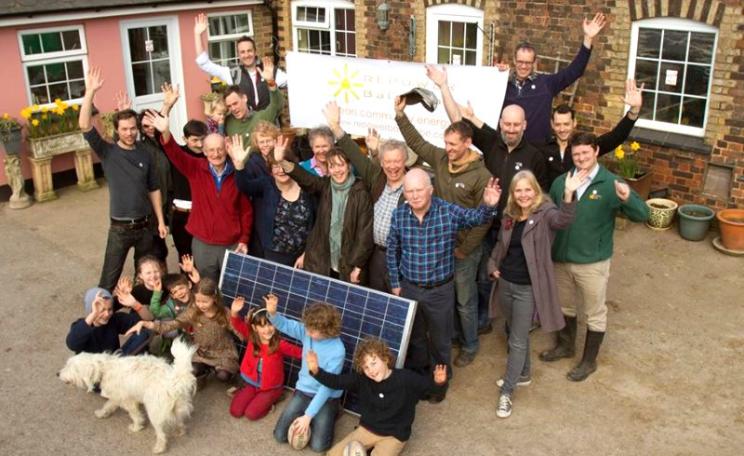
When fracking came to Balcombe in West Sussex in 2013, it divided village opinion, writes Joe Nixon. But the community is now united in its commitment to locally owned renewable energy, with solar projects on schools and farm buildings, and plans just in for a new 5MW solar farm.
Research by GM-Free Cymru shows that studies carried out for Monsanto and submitted to the US's Environmental Protection Agency in 1981 provided ample evidence that glyphosate caused cancer and other health problems. But the key documents were classed as 'trade secrets' and never published.
Sunday's SpaceX crash sends a powerful warning of the dangers of nuclear power on spacecraft, writes Karl Grossman. But will NASA listen? Despite the success of solar-powered missions, it's planning to use plutonium to power future missions and a new report asserts a continuing need for the technology - even as Russia ditches the idea.
Technology is crucial to all the big issues, but criticism is hampered by mythologies and structures of power, writes David King. Designed by and for corporate interests, modern industrial technologies embody a 400-year old technocratic philosophy of control of nature and people which must be confronted.
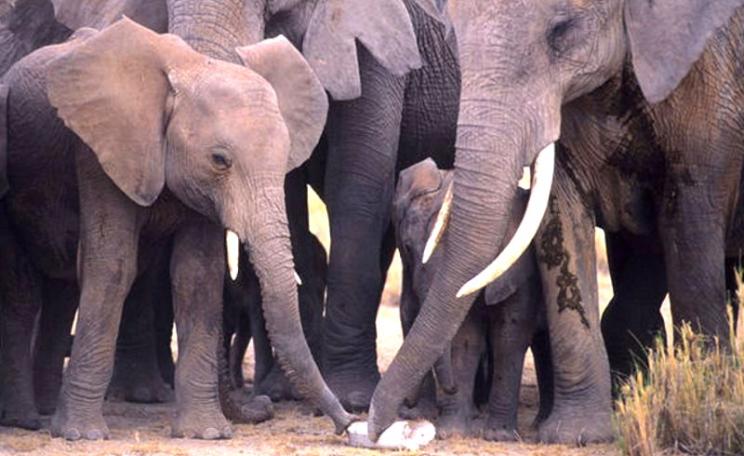
Forensic analysis of DNA in ivory seized by police and customs officials reveals where it comes from, writes Samuel Wasser, giving valuable information to law enforcers. But this powerful tool is only as effective as the national authorities, and Tanzania, a major ivory hotspot, has been very slow to respond to warnings.
The Pacific islands of Pagan and Tinian are scheduled for a key role in the US's 'pivot to Asia', writes Roy Smith, as a simulated war zone for live-fire combat training. It would mean evicting Tinian's more than 3,000 inhabitants. But does anyone give a damn?
It's not just western corporations that are moving into large-scale agribusiness in Ethiopia, writes Mohammad Amir Anwar. Indian investors have acquired rights to some 6,000 sq.km of land much of it in the ecologically sensitive Gambela region, where unconsulted Nuer and Anuak peoples are suffering from forest clearance.
While we face 'hard choices' about which species and ecosystems to conserve, it's odd how we face no such quandaries over which of our frivolous luxuries to refrain from, or what murderous weapons system not to build, writes Derrick Jensen. And of course, there's no question at all of tackling the root causes of global ecocide.
The mainstream fashion industry is trapped in a competitive spiral of ever shorter and faster sales and production cycles, writes Ruth Styles - and that inevitably stresses both textile workers and natural resources. But there is another way: the way of 'slow fashion' in which clothes are timeless, beautiful and made to last.
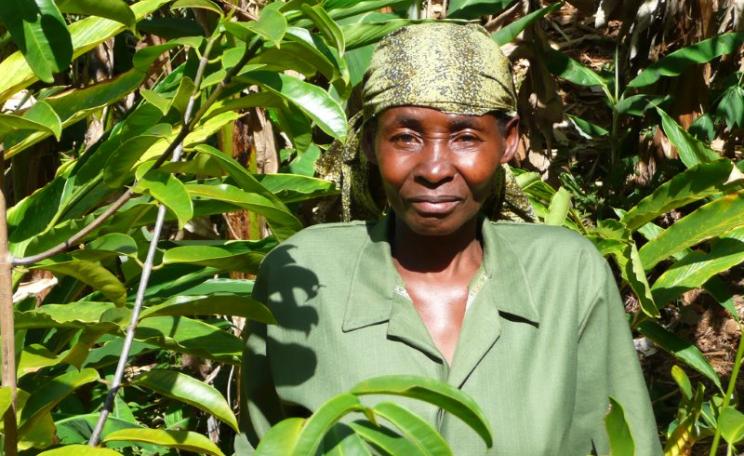
Forest foods are a vital source of nutrition for millions of people, writes Bhaskar Vira, and we need to make them an even bigger part of our diets for the sake of health, biodiversity, local economies, and to increase food global security in a warming world.
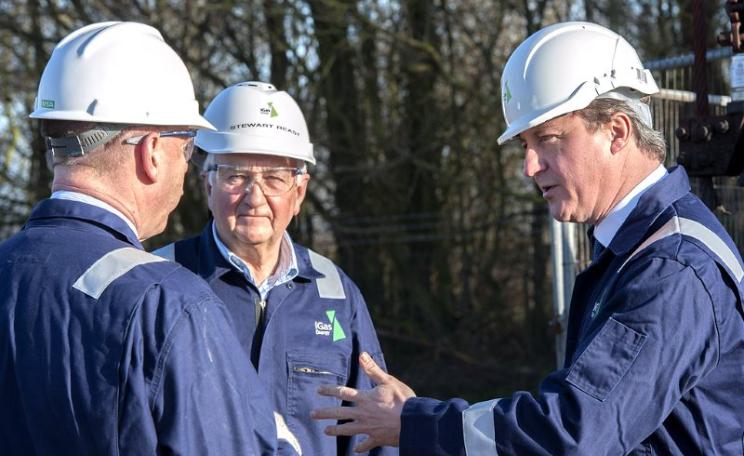
Shale gas advocates say we must open up the UK to fracking to reduce our dependence on Russian gas, writes Tony Bosworth. But why not just burn less of the stuff? Energy efficiency and renewables can achieve the same aim without the adverse impacts on land, water and climate.
Today is Nakba day - when Palestinians everywhere remember in their native land, stolen homes, demolished villages and long-lost way of life with grief, anger and a deep yearning that endures from generation to generation, writes Johnny Barber.