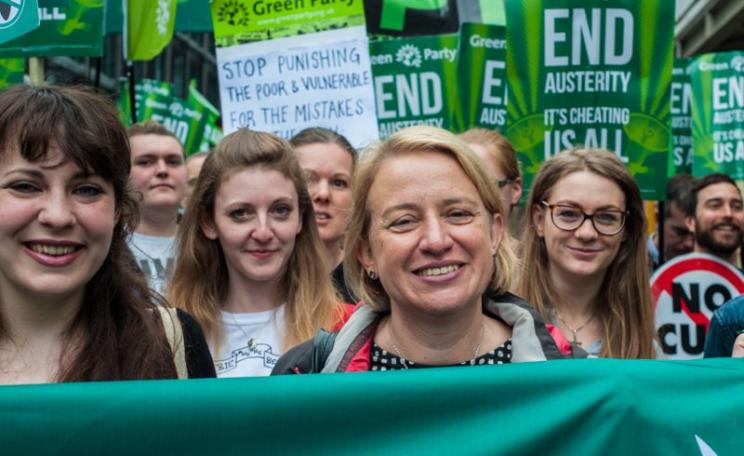
2015 saw the #GreenSurge that saw the Green Party's membership more than triple in a year and win over 1 million votes in the election, writes Natalie Bennett. Now we need to build on that success: winning representation in local authorities and working for a fair electoral system in which no vote is 'wasted' and we can all vote for what we believe in.
Bullfighting may cause suffering to animals, but that does not mean the EU should ban it or withdraw farm subsidies, writes Robin Irvine. Traditional bull-breeding estates are valuable reservoirs of biodiversity in intensively farmed landscapes, and without the bulls there would be nothing to sustain them.
The Precautionary Principle must mean, above all, avoiding the risk of ruinous outcomes for people or the wider environment, write Rupert Read & David Burnham. When the Philippines Supreme Court applied that test to GMOs, they found they had to ban them - not as a moral choice but pragmatically, to avoid potentially devastating consequences.
Rising levels of carbon dioxide don't just cause global warming, writes Jason Hall-Spencer. Another consequence is acidifying oceans - which promises to disrupt marine ecology around the world, killing off oysters and corals, while boosting 'nuisance species' like stinging jellyfish.
Climate change denier Lord Monckton was making waves at COP21 in Paris yesterday, write Brendan Montague & Kyla Mandel, with his claims of a 'synergy of interests' between 'malevolent scientists' and power-mad politicians intent on setting up a fascist / communist world government under the guise of a climate treaty.
There's a quick climate win for COP21 negotiators to ponder, writes Wilf Lytton - one that could convert a billion tonnes a year of CO2 into mineral form while neutralising caustic wastes like coal ash and slag. But first, industries and regulators must adopt a 'recycling' mentality to these hazardous materials, rather than the 'dump and forget' model that prevails today.
An energy revolution that would take the world to 100% renewables in 15 years is possible, write Sam Cossar-Gilbert and Dipti Bhatnagar. We have the technology, and we even have the money - only it's currently being spent to subsidise fossil fuels. The time has come to tackle two hugely destructive and closely entwined crises - growing inequality and climate change.
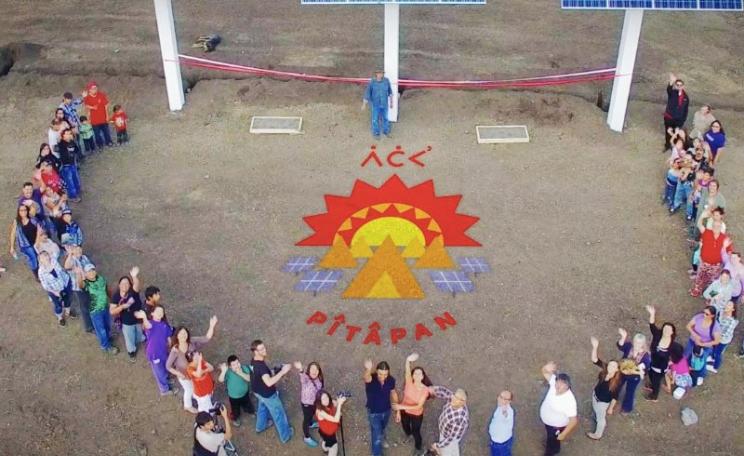
An 500-strong Indigenous community in Alberta, the heart of Canada's environmentally catastrophic tar sands industry, is fighting back against the pollution, writes Melina Laboucan-Massimo - by cutting themselves adrift from dependence on fossil fuels, and starting up their own solar power station: a vital first step towards building a just and sustainable society.
The rise of corporate eco-activism makes a refreshing change from the usual 'campaigners versus corporation' dynamic, write Steffen Böhm & Annika Skoglund. And for companies that embark on this path - like Lush, Ecotricity and Interface - it can work out well for them and the environment. But heed the disastrous consequences for those, like BP, who said one thing, and did another.
As temperatures soar in the Persian Gulf, modern buildings rely on energy-guzzling air-conditioning to maintain tolerable temperatures, writes Amin Al-Habaibeh. But traditional buildings stay cool passively using shade; wind and thermally driven ventilation; and naturally insulating, reflective materials. For a sustainable future, modern architects must revive the ancient knowledge.
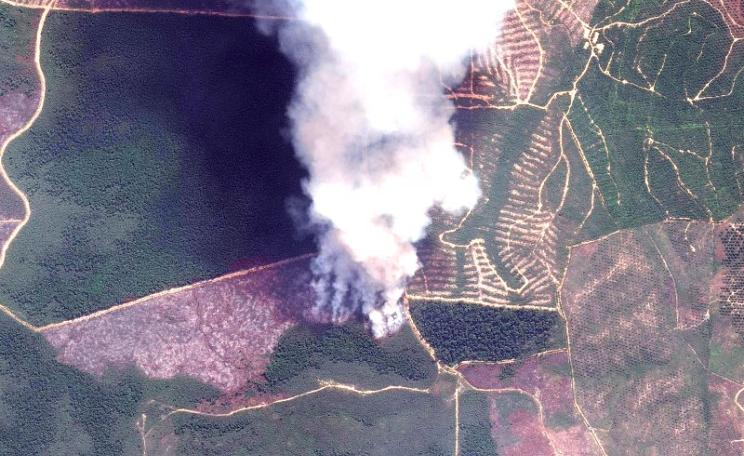
Indonesia's President Widodo has promised strong action to put out his country's raging forest fires, writes Scott Edwards. Yet this year's conflagrations are the worst since 1997. His problem? Powerful elites in forested provinces are making big money from the burning. And they see little reason to heed Widodo's pleas - or anyone else's.
Last week's Bonn negotiations saw the world move closer to a climate agreement at COP21 in Paris, writes Ruth Davis. The current text includes important proposals on climate finance; accelerated decarbonisation of the global economy; and a 5-year cycle of ever higher national emissions targets.
Vultures are superbly adapted creatures for the essential role they play, efficiently disposing of the mortal remains of millions of dead animals, writes Louis Phipps. Yet we humans appear to be doing our best to kill them off - creating a vast hazardous waste problem that's costing us billions.
The late Labour MP fought both Tony Blair and Gordon Brown on environmental policies, writes John Vidal, standing up for climate and access to countryside, and against GMO crops and road building. Radical to the end, he was one of the few MPs to support Jeremy Corbyn as Labour leader.
Corporations can be incredibly innovative, writes Paul Levy. But it's not always in good ways. Think of VW's clever device for fooling emissions tests, social media software that's way too intrusive for its own good, or sugary drinks marketed as 'healthy' when they're no such thing. Sadly, there's a lot of it about!
Are low levels of nuclear radiation good for you? Or merely harmless, as many nuclear advocates want you to think? Sadly not, writes Ian Fairlie. A huge new study finds 'strong evidence' of a dose-response relationship between cumulative, external, chronic, low-dose, exposures to radiation, and incidence of leukemia.
However much you think nature is worth, it's a lot more, writes Neil Nightingale. According to the BBC's 'Earth Index', published today in the world's financial press, water alone is worth as much as the entire global economy, and a single beaver's landscape and wetland management clocks in at $120,000 a year.
The successful conclusion of the TPP talks is a huge blow for social and economic justice, writes Nick Dearden in his twelve point summary. But it's not over yet: the long secret text must now be made public. And there's every chance it can be defeated in an increasingly skeptical Congress.
The government claims that we need nuclear 'baseload' power to keep the lights on, writes Damian Kahya. But a new study shows reliable, low carbon energy can be provided by combining diverse green technologies including efficiency, large scale renewables, 'smart grid', energy storage and rarely used fossil fuel backup.
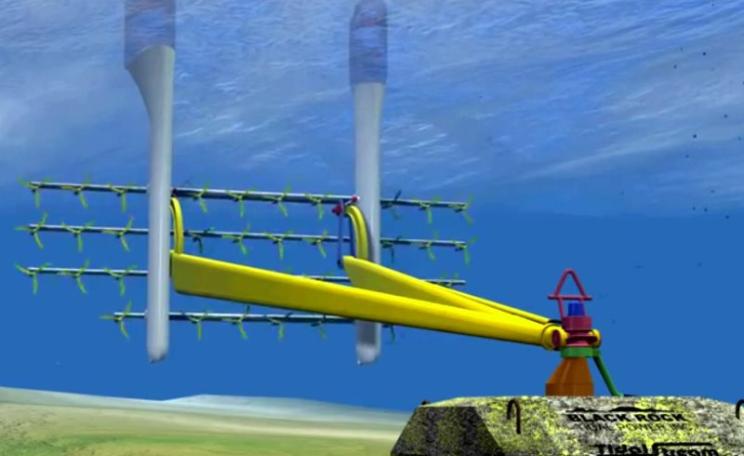
Tides in the UK's coastal waters could be generating 10GW of clean power, representing half of Europe's tidal resource, writes Ross Jennings. So far it's going unexploited, but a new generation of lightweight, low cast tidal turbines that float off the surface could soon get that electricity into our homes and businesses.
At least a third of the food the world grows each year goes to waste, writes John Mandyck, most of it in fields, transport and storage. The result is poor farmers, hungry people, and a massive 3.3 billion tonnes of needless CO2 emissions. It should be a key topic for action at COP21 in Paris - but so far it's not even on the agenda.
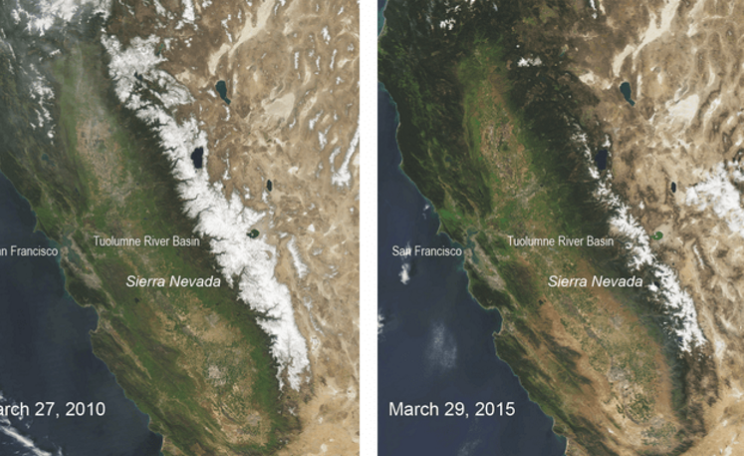
The lack of snow in California's Sierra Nevada is historically unprecedented, write Valerie Trouet & Soumaya Belmecheri. It's also seriously bad news for the state's water supplies - and may be an indicator of even worse to come in a warming world.
The single biggest energy service we all need is heat, writes Rob Raine - yet it's largely ignored in the energy policy discourse. By focusing on heat as well as power, we can accelerate the transition to renewable energy sources and - because heat stores are far cheaper than batteries - keep the costs down.
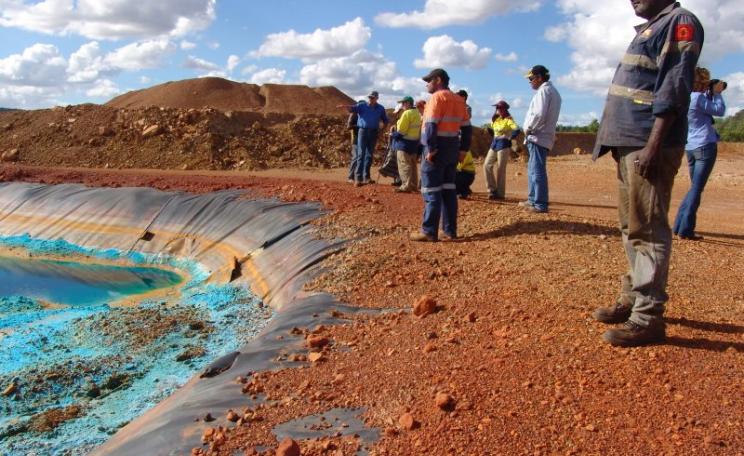
Indigenous Australians are systematically deprived of the benefits of mining and other developments, writes Seán Kerins, and being left to suffer their environmental impacts. As Abbott's government prepares a bonfire of 'red tape', it's time to put Indigenous interests first, and place their communities at the centre of decision making.