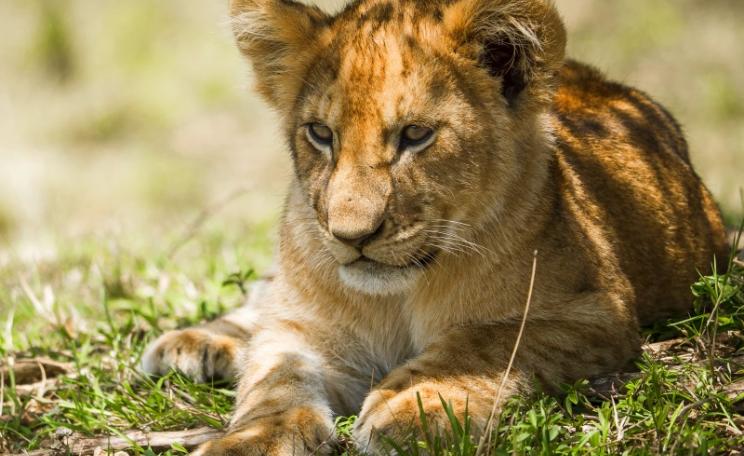
The conflict between lions and Africa's cattle herders goes back centuries, write Grant Hopcraft and Sara Blackburn - and lions have been the big losers in recent years. But where local people benefit from ecotourism, that ancient enmity can quickly be set aside. 'Community conservancies' around formal protected areas are helping both lions and indigenous communities to survive and thrive.
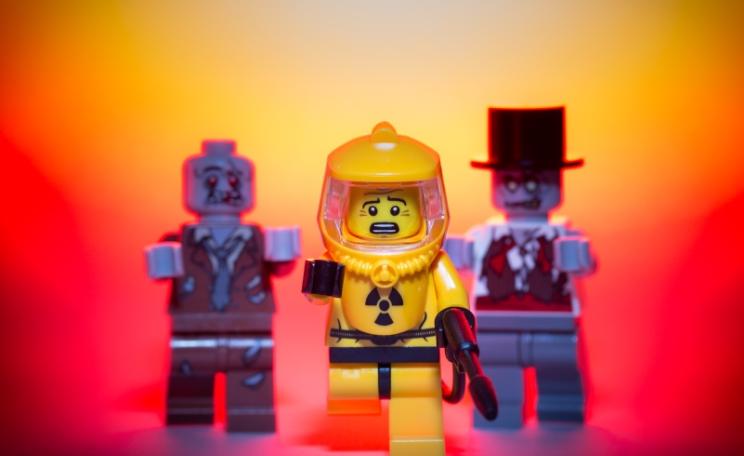
Nuclear power sites in Belgium have been targetted by Daesh radicals seeking radioactive materials to use in terrorist attacks, write Robert J Downes & Daniel Salisbury. One top nuclear researcher has come under hostile surveillance, while 'insider threats' have led to 11 workers being excluded from nuclear sites. But despite increased security, the threat has not gone away.
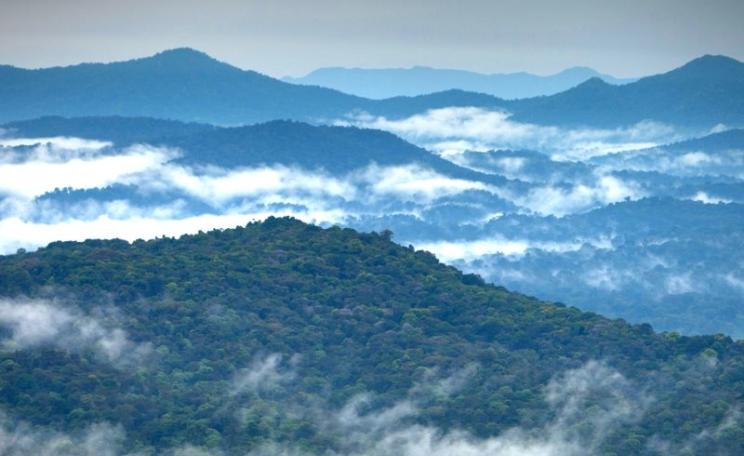
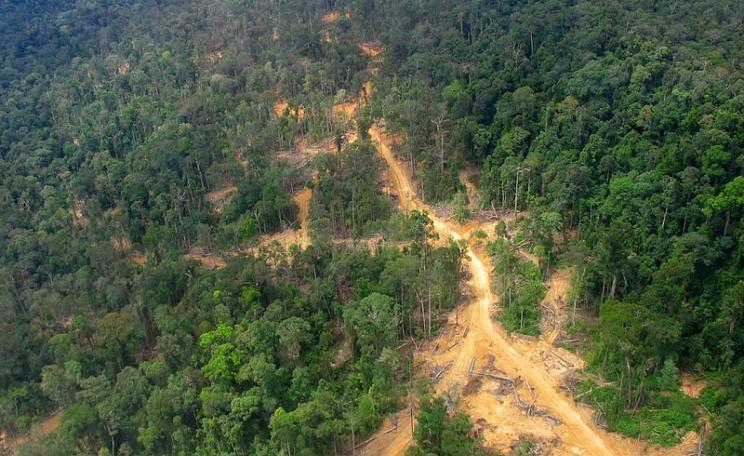
Coffee may be grown all around the tropics, writes Fiona Hesselden, but it originates in just one place: the 'coffee rainforests' of the Ethiopian highlands. We depend on the wild plants for new genes and varieties, yet the forests are falling fast to the advance of farmers. To preserve the forests and all their biodiversity, the original people of the forest must receive their just rewards.
After a succession of the hottest years and months ever recorded, climate is a hot topic, writes Liz Hutchins. But BBC1's 'Big Questions' climate change debate last Sunday completely missed the point. Instead of debating the only real question - how should we respond? - the BBC ran yet another repeat of the so-over 'believers versus deniers' ding-dong. Why do they still not get it?
Our insatiable appetite for expensive coffee is causing a global trail of waste and destruction, writes Donnachadh McCarthy. Following the successful campaign for a 5p plastic bag levy, it's time to move on to a much larger 25p levy on disposable coffee cups - making those that profit from the waste carry the cost of its disposal.
Barring a miracle Marco Rubio is set to be Trumped in the Republican primary tomorrow in Florida, his home state, putting an effective end to his campaign. But it's not for want of support from one of the US's biggest frackers, Devon energy, and its politically active CEO Larry Nichols. And with or without Rubio, Nichols's influence on the red states' energy policy is only going to get bigger.
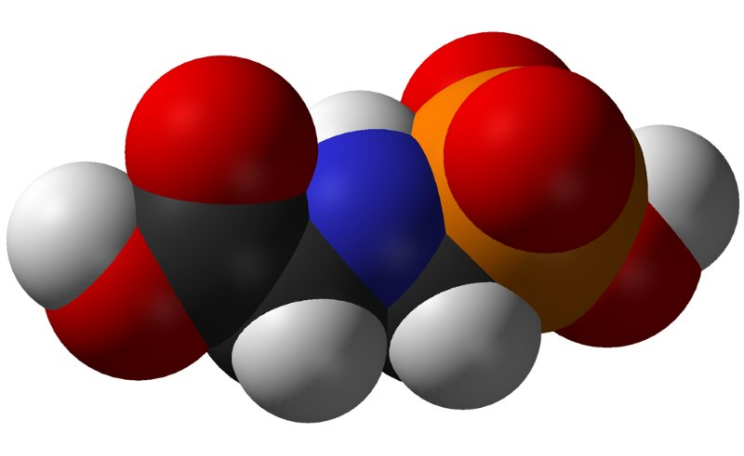
With industry spinning that glyphosate is harmful to health, if at all, only with co-formulants like tallowamine, the World Health Organisation's cancer agency IARC has just released a Q&A document (below) stating that 'pure' glyphosate poses similar cancer and genotoxicity risks as its formulations. Banning particular co-formulants, as proposed by some EU countries, does not solve the problem.
Last week the environmental and human rights activist Berta Cáceres was murdered by gunmen in an early morning attack on her home which may have been carried out by or in collusion with state agents. Now her friend and colleague Gustavo Castro, himself wounded in the attack and the only witness to Berta's murder, has been detained for questioning.
State action on solar power can make a big difference, writes Aaron Viles. Driven by ambitious renewable energy targets and the need to generate local growth industries of the future, five states stand out for their trend-setting policies that are accelerating the US's clean energy transition.
French nuclear parastatal EDF is facing problem after problem - zombie nuclear projects in the UK, Finland, China and France, a fleet of 'beyond the grave' reactors, a dropping share price and its drooping credit rating. But is it really as bad as all that? Jonathon Porritt has exclusive access to the leaked Agenda of its latest board meeting. And the answer is - no. It's even worse.
As the twelfth round of negotiations over the EU-US TTIP mega-trade deal begins in Brussels today, the chances of a treaty being concluded are looking weaker than ever, writes Guy Taylor. Time is running out, complex legal issues are crowding in, and most important of all, public opinion on both sides of the Atlantic is turning against the massive 'bill of corporate rights' that TTIP represents.
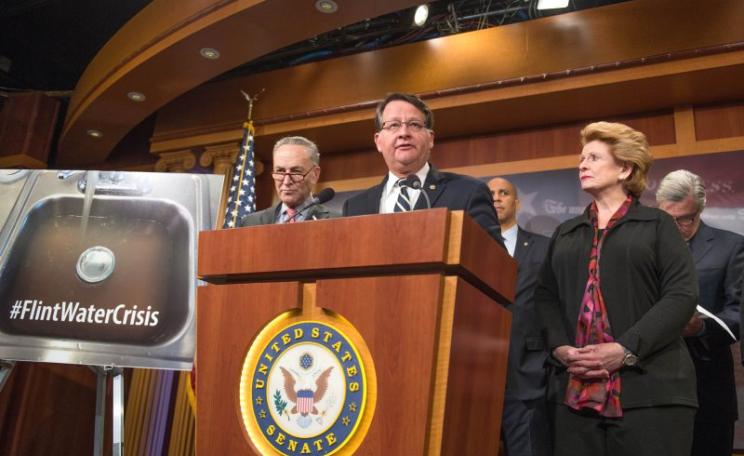
Amid the growing call for those guilty of causing Flint, Michigan's water crisis to be prosecuted, Jane F. Barrett finds little prospect of criminal charges under the Safe Drinking Water Act. But federal, state and common laws offer prosecutors a range of potential charges, from malfeasance, misfeasance and nonfeasance to involuntary manslaughter.
There is nothing new in the environmental damage brought by war, writes Steven Freeland. Nor is there anything new about deliberate environmental damage as a instrument of warfare. But what is new is the scale of damage that can be inflicted by modern weapons of mass destruction. It's time for an international law against intentional environmental destruction.
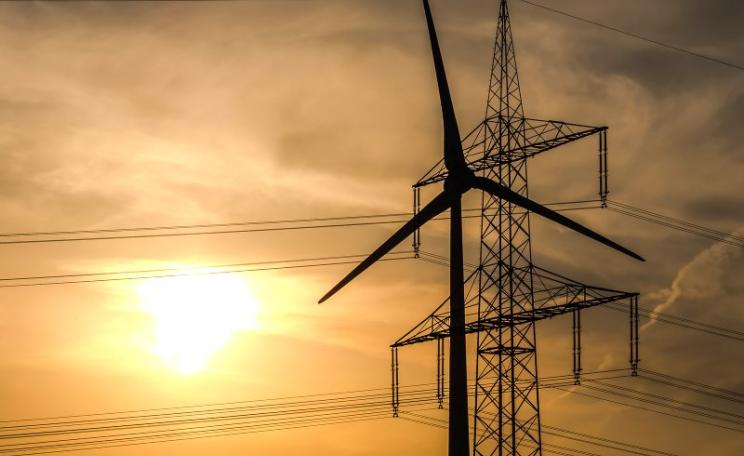
Not only can the US save money on its electricity by moving to a 48-state power network based on high voltage DC power lines, writes Christopher Clack. It's also the key to increasing the penetration of renewables as the lowest cost energy source, with wind and solar delivering 55% of the nation's electricity demand - and a 78% reduction in carbon emissions.
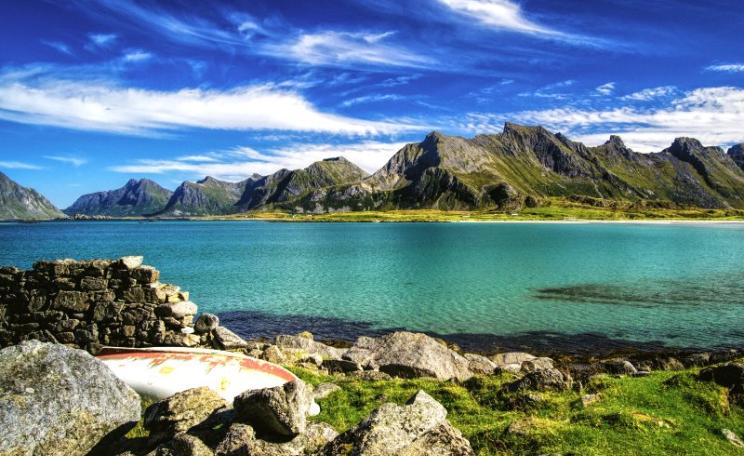
The Lofoten peninsula Norway’s Arctic North is not just stunningly beautiful. It's also home to the world’s largest deep water coral reef and full of wildlife. So why is the government saying it will have to be opened up to the oil and gas industry? Never mind the country's warm words on environment and climate change, writes Joseph Dutton. It's fossil fuels that rule the roost.
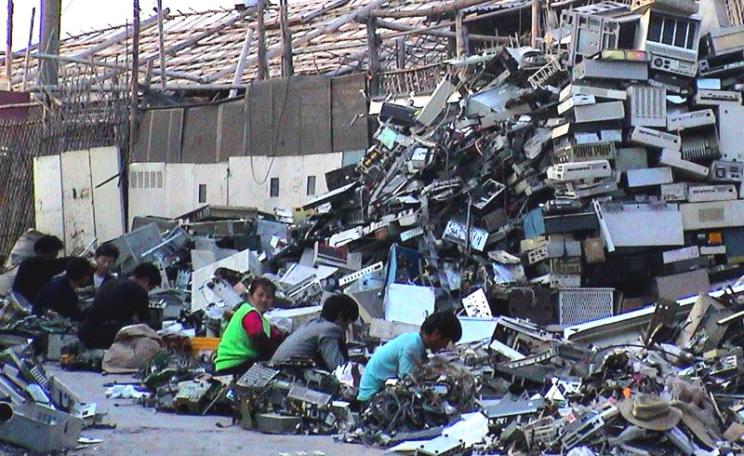
Our thirst for the latest gadgets has created a vast empire of electronic waste, writes Ian Williams. The EU alone produces some 9 million tonnes of it a year, of which some 70% is still working when disposed of, and over a third is disposed of illegally. With increasingly affordable electronic devices available to ever more people, it's high time for effective global regulation.
For years the 'market mantra' has been to save forests by selling the carbon they embody, writes Chris Lang, harnessing the profit motive for the benefit of trees and climate. But it never worked, and now even former fans are admitting that REDD is just another failed conservation fad. So what next? How about asking local communities to manage their forests as commons?
Over 100,000 Burkina Faso farmers were pleased with Monsanto's yield-boosting Bt cotton, write Brian Dowd-Uribe & Matthew Schnurr. But not the companies that had to buy the crop at a fixed government-set price. The shorter fibres produced by Bt varieties led to less lint being extracted, and of lower quality, making it a lose-lose proposition for the country's most important industry.
Germany's association of judges and magistrates has condemned the EU's plan to create a special court for investors and corporations to sue national governments, writes Nick Dearden. The proposed new court would: have no legal basis; supplant the sovereignty of member states; and usurp the role of national courts. The chances of TTIP and CETA ever being agreed just took a big step back.
As presidential contenders gather in Iowa for the beginning of the party selection season, they may have noticed a lot of wind turbines, writes Zachary Davies Boren. And if they have any sense, they will find only nice things to say about them. Wind supplies 30% of the state's power, more than any other US state, and Iowans are all for it. Ted Cruz, mind your words!
Anti-EU sentiment and climate change denialism go hand in hand, writes Kyla Mandel. But why? Partly it's down to a belief in unconstrained national sovereignty and economic freedom - threatened by the EU and climate change alike. But it's also because out of the EU, the UK could advance the anti-environment agenda the deniers so passionately believe in, with no one to get in the way.
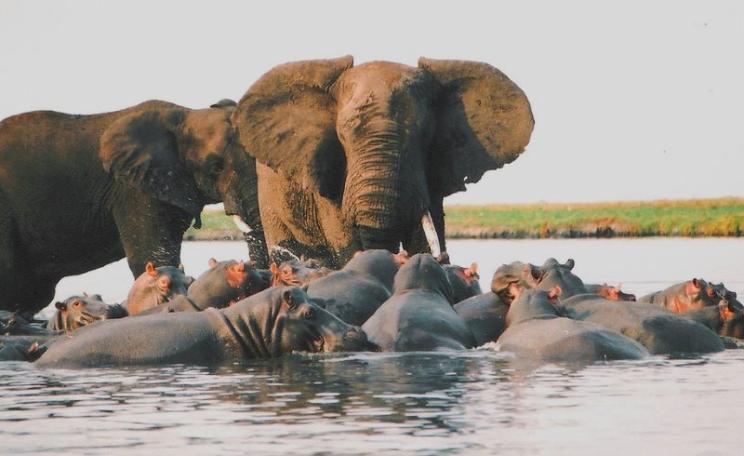
Last time the Earth was this warm, 130,000 years ago, England's Thames Valley was home to hippos and elephants, write Emma Stone & Alex Farnsworth. But the closest climate analogue is actually the Miocene Climate Optimum, 11 million years ago, when CO2 levels were similar to today's. As for the ice age that's due, scientists believe it will be postponed for at least 100,000 years.
A third of all food that's produced in the world is thrown away. What's going on? Diana Moreno finds some answers in her own experience working in a German supermarket. Leading the list is the mind-numbing 'culture of rush' that permeates high-volume, low margin retailing, and which subjects workers and customers alike to the soul-less logic of the production line.
The endemic giant tortoises discovered by Charles Darwin on Floreana and Pinta islands in the Galápagos are extinct, write Luciano Beheregaray & Adalgisa 'Gisella' Caccone. But scientists have found that their genes live on in newly discovered hybrids on other islands. A selective breeding programme now aims to recreate the originals, and return them to their native islands.