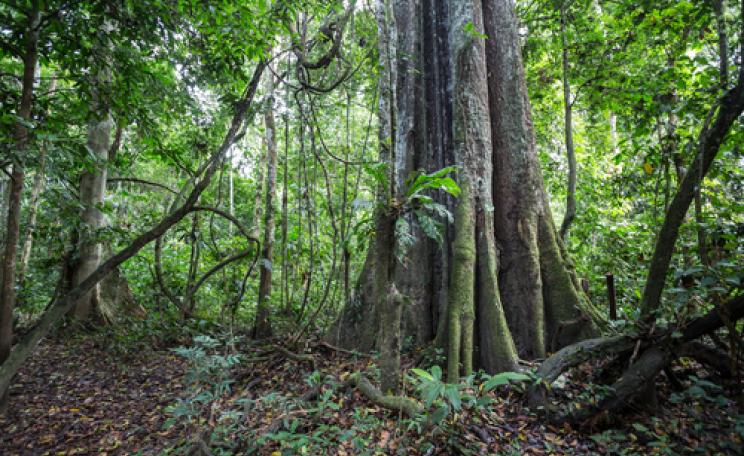
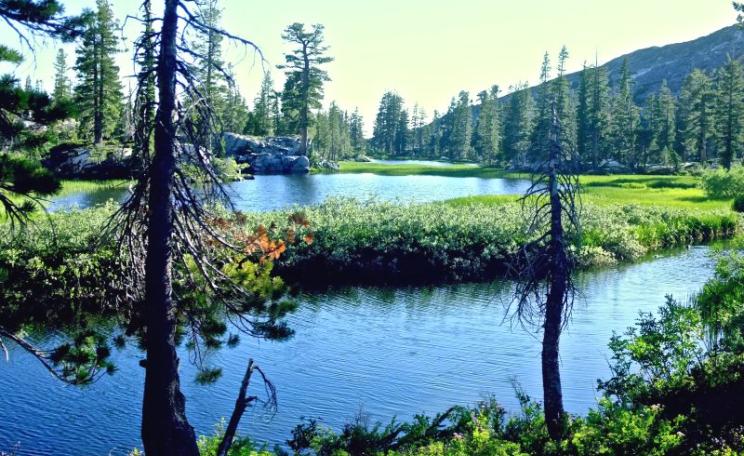
The idea of "Natural Capital" as a way of seeing the world has caught on in a big way. There is a Natural Capital Coalition, a Natural Capital Protocol, and the Government even has a Natural Capital Committee. But what assumptions lurk within this term "Natural Capital"? A new University of Anglia arts-funded project aims to find out and one of those involved VICTOR ANDERSON will be giving us regular updates on the issues being raised
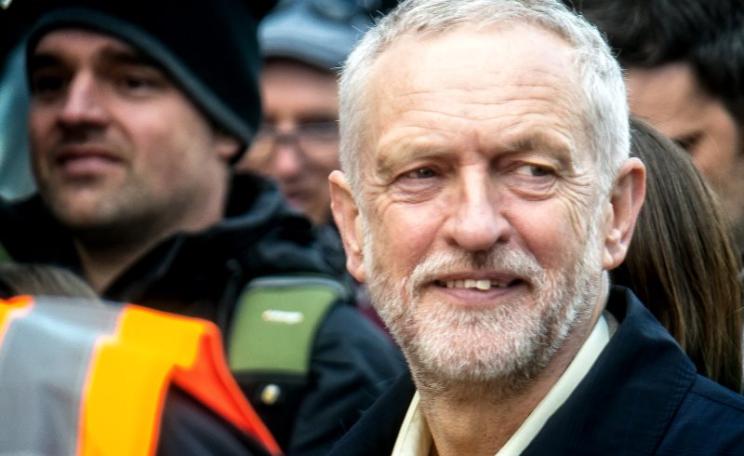
Britain's political, economic and media elites will be the last to turn against the neoliberal system that spawned them, writes Jonathan Cook - even as it impoverishes the country and endangers our fragile planet. Cheered on by the Guardian, most Labour MPs would rather destroy their own party than let Corbyn and his backers make it fit for its 21st century purpose.
Traveling in the US by boat and train visiting solar laboratories and environmental groups, Keith Barnham found many successful community initiatives in renewable electricity, and brings news of progress towards the ultimate renewable challenge: a solar fuel that could eventually replace gasoline in cars, trucks, buses, trains and aircraft.
The winning Brexit slogan was 'Take Back Control', write Victor Anderson & Rupert Read. But leaving the EU will only increase the power of corrupt elites unless the UK reforms its own democratic governance, combats the excessive power of corporations, upholds the rights of all its citizens, decentralises its economy, and forges progressive alliances with its European partners.
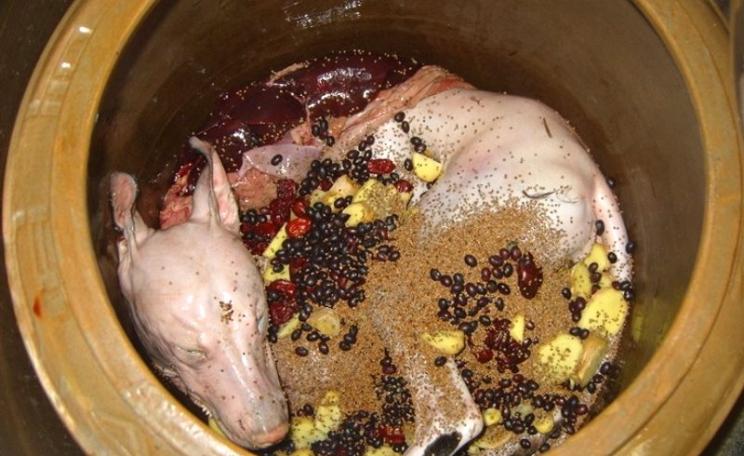
With the coming of summer, South Korea's 'Boknal' dog-eating festival is under way, writes Anneka Svenska. Known for the extreme cruelty deliberately inflicted on dogs to improve the taste of their meat, Boknal is a barbaric relic rooted in ignorance and pseudo-medical superstition whose time is well and truly up.
One of our new Ecologist Voices, "Brexpat" Robert Alcock writes from rural Spain where deep down - under the shock and sorrow of Brexit - he believes there may be the seed of an unexpected hope that could give us the best chance of an emerging and real respect for our cultural and ecological heritage
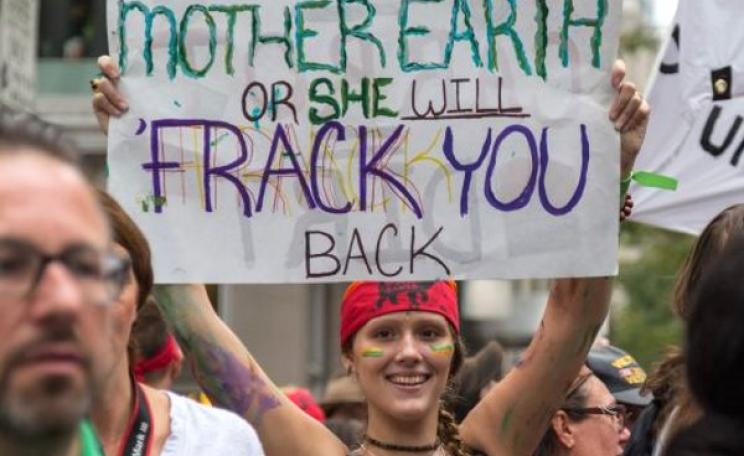
We know who the likely runners and riders are in the race to be the new Tory leader and prime minister - but where do the prospective candidates stand on fracking and other environmental issues? Joe Sandler Clarke finds them all decidedly un-green.
Anti badger culling campaigner Lesley Docksey tells a very personal story of her relationship with the badgers that live near to her home and come there to feed including one that miraculously survived the cruelty of a snare trap
Later this week, an organisation that has helped make safer drinking water available to families in Indonesia will receive the new Ashden Award for Sustainable Energy and Water 2016. Here, Chhavi Sharma, explores the importance of using sustainable energy technologies to supply safer drinking water around the world.
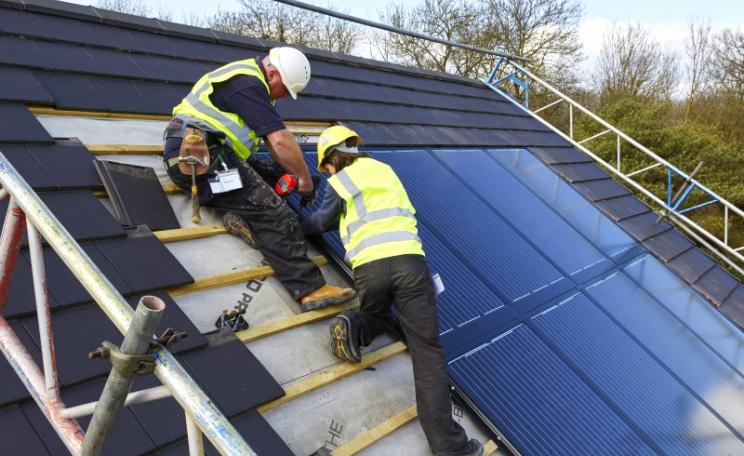
In the face of repeated attempts by the UK government to suppress the nation's solar industry in favour of fracking and nuclear, Jeremy Leggett tells the story of how the solar company he founded in 2000 has not just survived, but driven forward with technical innovation - including its new 'Sunstation' - an integrated 'snap-on' solar generation design that elegantly embeds into roofs.
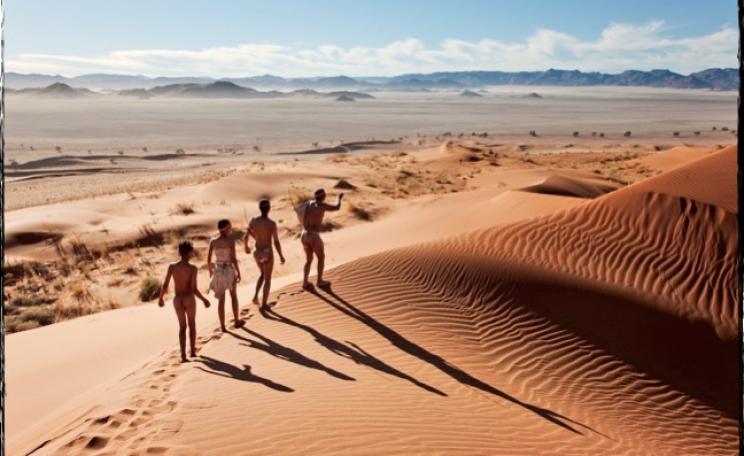
The inspiration for the pioneering Footprint Identification Technique (FIT) technology sprang from an unexpected source - traditional ecological wisdom. Conservationists Zoe Jewell & Sky Alibhai explain how that happened.
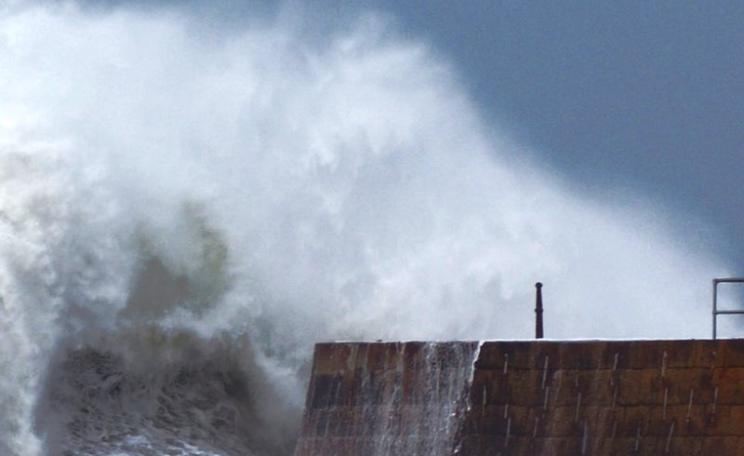
Scientists are rightly getting worried about increases in the average sea level over coming years, decades and centuries, writes Mikis Tsimplis. But that's only one cause of sea flooding and the loss of land to the sea. What's often forgotten are intense sea storms, hurricanes, typhoons and shifting tides, which have huge implications for the future of coastal areas around the world.
The UK's 'Green Deal' energy efficiency scheme was a massive failure, writes Sue Roberts. But few knew just how bad until the NAO's report - which reveals that its main effect was to line the pockets of the Big Six energy companies, load the public with expensive loans, create a tangle of red tape, and engineer the collapse of the UK's nascent energy efficiency sector.
The remarkable Leuser ecosystem in Aceh, Sumatra, has faced massive destruction over recent years with rice farms, palm oil, roads and mines, writes Bill Laurance. But that's all set to end with a moratorium on forest clearance that's supported at the highest levels of government, both state and national. This is definitely news to celebrate! But we must also maintain our vigilance.
The quiet desperation of declining towns and cities across America's West is understandable, writes George Wuerthner. Of course people dream of the 'good old days' when there were wild prairies to be grazed, forests to be felled and oil wells to be sunk - and try to bring them back. But in so doing they neglect and abuse their real and enduring wealth: nature, landscape and wildlife.
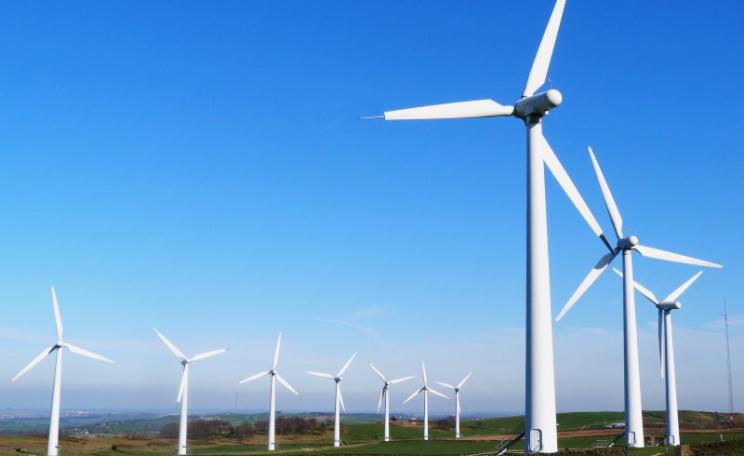
Critics of renewable energy sources like wind and solar claim that they are inefficient, unreliable and need to be backed up by coal and gas, writes David Elliott. But we have the technology to match green power supply and demand at affordable cost without fossil fuels - by deploying the 'smart grid', using 'green gas' made from surplus power, and raising energy efficiency.
Madagascar's unique Spiny Forest, a stronghold for the island's lemurs, is fast being felled for charcoal, writes Charlie Gardner - and it's a knock-on impact of the increasingly unpredictable climate and sparse rains that are forcing farmers from the land. To create a 'safety net' for the forest, first safety nets must be put in place to protect displaced farmers, fishers and pastoralists.
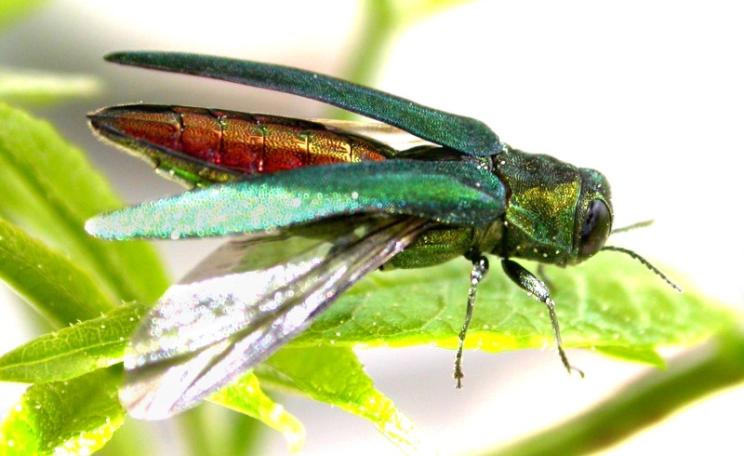
Britain's ash woods are under threat from a fast-spreading 'dieback' disease, write Steve Woodward and Eric Boa. With 3% of ash trees resistant to the fungus, the species should just be able to survive. But now scientists fear the arrival of the Emerald ash borer beetle, already infesting forests in the US and mainland Europe. Could the two combine to push our ash trees into extinction?
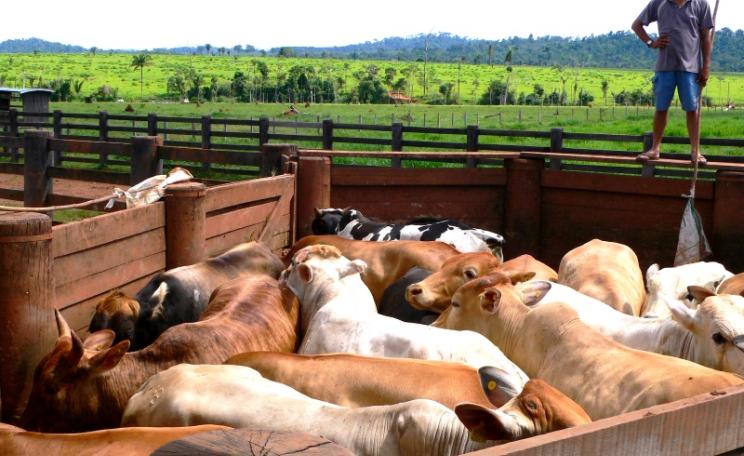
How do you solve a problem like deforestation? By a change of diet, writes Laura Kehoe. Scientists have discovered that we can feed the world and stop destroying forests by eating less meat. If we all went vegetarian that would reduce deforestation by 94%. And if we went the whole way to veganism enough land would be freed up for a new forest the size of the Amazon, and allow a widespread shift to organic farming systems.
The Chernobyl sarcophagus which has long contained the fissured reactor core is at risk of collapse, writes Claire Corkhill. The solution: build a pair of tracked arches 260m wide and 100m high, and slide them over the site to enclose it for a century to come: so creating a sealed space for robots and remotely operated machinery to deconstruct the reactor and sarcophagus piece by radioactive piece.
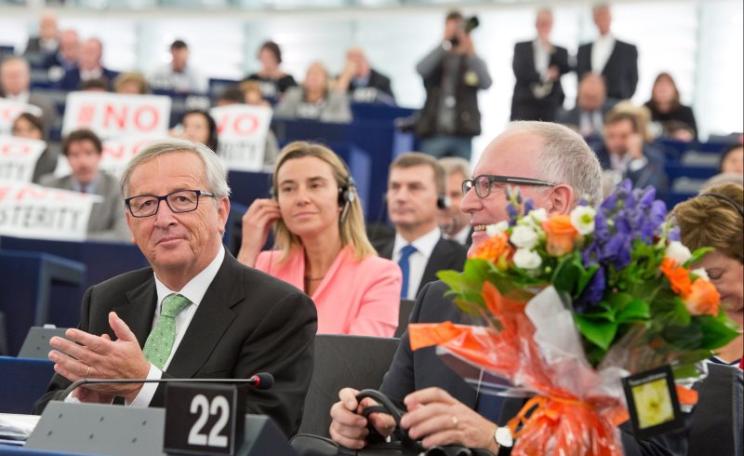
Environmentalists are near unanimous in believing the UK should remain in the EU, writes Harry Blain. Yet that puts us in the same camp as many of our fiercest enemies - neoliberal governments and corporate lobbyists for fossil fuels, cars and other polluting industries. Meanwhile the EU itself is increasingly undermining its own environmental protections as it pursues 'free trade' agreements around the world. Time for a rethink? You bet!
The 'cancer industry', including charities with close links to chemicals corporations, is always keen to blame cancer victims for their morally deficient lifestyles, writes Colin Todhunter. But the real fault lies with the commercial interests touting bad food, nutritionally unbalanced and laced with toxic agrochemicals - like the ubiquitous glyphosate - and their residues.
Perhaps all the 'do gooders' busy forcing industrial models of agriculture onto poor but independent African farmers really do think they are helping them, writes Colin Todhunter. But if so they are deeply deluded. All they will achieve is the takeover of export-oriented agribusiness and GMOs, the destruction of agroecological farming systems, and a future of debt and landlessness.
New research from Australia's Great Barrier Reef shows that no-take marine reserves don't just mean more and bigger fish, write Camille Mellin, Aaron MacNeil & Julian Caley. They also boost the resistance of reef communities to disturbances like storms, bleaching and predation, and speed their subsequent recovery. It's time for global rollout of coral reef marine reserves!