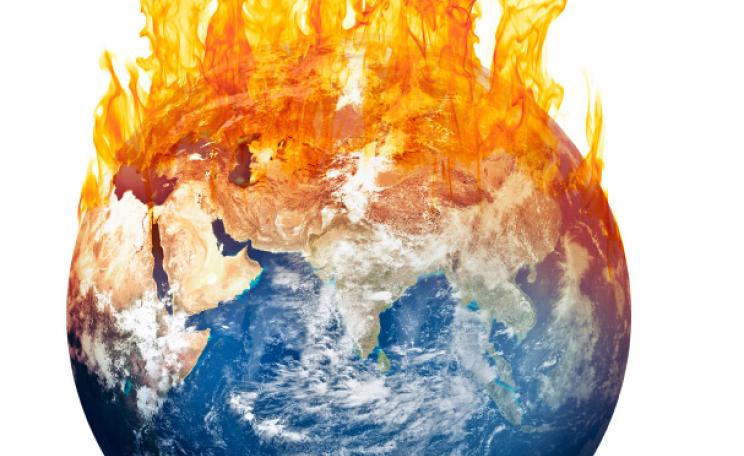
Copenhagen is where the future of our planet will be decided. So why is there such little media interest in the run-up to the talks, asks Phil England.
How do you get your GM crops and herbicides into countries that don't want and can't afford them? Simple - you just wait for a crisis, and offer a helping hand...
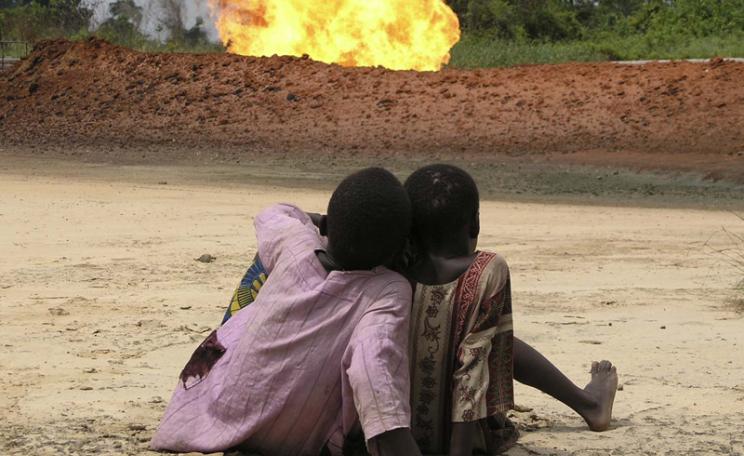
Shell's $15.5 million settlement provides hard cash to to the Ogoni region of the Niger Delta but while activists claim 'victory' they vow to fight on to end toxic gas flares
Materialism as a scientific ideology has proved itself unworthy of the challenges we face - we must look elsewhere for life's answers, says Rupert Sheldrake
Unless we change our ways, the Lovelock hypothesis may come to pass – that’s why the work of the <i>Ecologist</i> is so important, says Jonathon Porritt.
When a Victorian tea party took over Heathrow's Terminal 1 earlier this year, it was a clear sign that environmental campaigning had taken a large step away from time-worn methods of protesting.
Uncontrolled growth of financial debt is currently laying waste to large parts of the global economy. An explosion of ecological debt looks set to do the same, but worse, to a biosphere friendly to human civilisation.
Last month my friend Satish Kumar said in Sustained magazine that the happiest people are those who live close to the land and use their hands – craftspeople and farmers. As a naturalist, keen gardener and soon-to-be vegetable-plot devotee, this resonates with me.
The plan was a simple one: Climate Camp would "swoop" onto the main road on Bishopsgate directly outside the European Climate Exchange (the biggest carbon trading hub in the world) on April 1st, just as the G20 circus rolled into town. But we were never sure precisely how it would work.
As the world’s most respected environmental affairs magazine, the Ecologist has always embraced change. That is why as of June we will be relaunching online. This change means we can reach a much wider audience, and provide them with better quality, more up to date news and analysis, as well as substantially reducing our own environmental footprint.
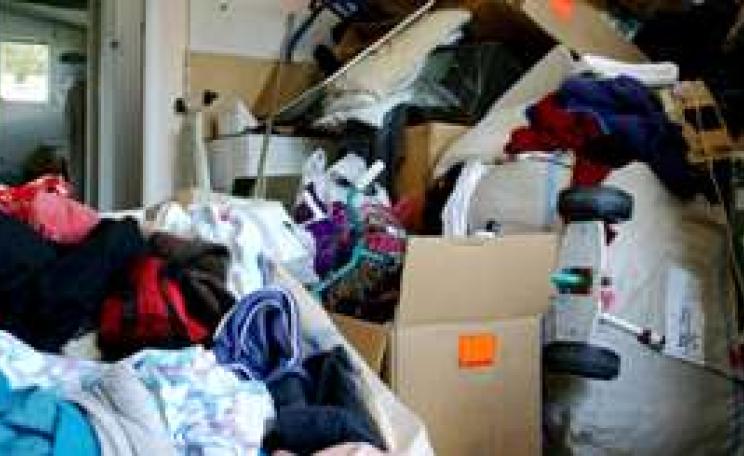
Dressing poorer countries in our designer cast-offs while we invest in shabby sweatshop chic? Invest in their infrastructure, not vetements, argues Joe Turner
'If you liked sub-prime, you'll love carbon trading!' Join the Camp for Climate Action on the 1st of April as they set up in the Square Mile to greet global leaders and remind them that climate change must remain on the agenda
It may seem odd timing that many of us are heading to the nation's capital early next month for a major act of civil disobedience at a coal-fired power plant, the first big protest of its kind against global warming in America.
From carbon trading to embodied emissions, our difficulties would be greatly reduced if we changed the way we perceive our own beliefs, says Bob Doppelt
A new Ecology Party would work for a change in values, a paradigm shift in which human beings learn to work with the grain of the natural world, instead of against it.
As US climatologists and scientists are urging the world that greenhouse gas emissions be curbed rapidly to prevent runaway global warming, the UK Met Office appears to be back pedalling on human induced climate change. Peter Bunyard reports on some mixed messages
The European Commission has just cleared Monsanto's GM maize for use in the EU. Yet, as Jeffrey M Smith reveals, proper analysis of tests done to gain that approval suggest it should never have been given