Lima Curtis asks whether we have no option other than to invest in nuclear energy, or whether the costs - financial and otherwise - are just too great.
Charles Eisenstein shares his concerns about how pervasive the 'technology will fix it' mentality has become, and proposes an entirely different approach to healing our current ecological and social crises.
The UK was as divided in its reaction to the death of Margaret Thatcher, as it was by her policies when she was in office. James Parker reflects on whether Thatcherism, (like its primary proponent) has now passed on.
Paul Thompson of the Back Biomass campaign on why he disagrees with an earlier article published by the Ecologist concerning the growing of trees to provide fuel for biomass stations...........
Naturalist and wildlife photographer Matt Adam Williams asks whether childhood experiences are the key to the long-term health of nature and the conservation sector........
James Parker of Simpol UK argues that
taking an approach to the climate crisis similar to that adopted by the Montreal Protocol offers a desirable 'Earth Centred Solution'.
Associate Editor of Resurgence & Ecologist, Susan Clark, reflects on the joys of reading the entries for the 2013 Nature Competition, and the difficulties met by the judging panel in deciding on a winner.
When Daniel Reeds visited Madagascar he was struck by the beauty of its ecosystems and people, but also by the appalling poverty. However, he found inspiration from a pioneering charity that works with humans and wildlife, to ensure a sustainable future for both.
We are all aware that too much sugar is bad for us, but are we capable of giving it up, and can a new campaign lead society away from sugar dependence?
Environmental lawyer Tom Brenan introduces Earth Jurisprudence and related concepts. These ideas, whilst unfamiliar to most, should undeniably be known - and practised - by all.........
James Parker argues that in order to avoid exacerbating the global issues that Earth and its inhabitants face we must shift from state-centric and anthropocentric thinking towards true Global Governance.
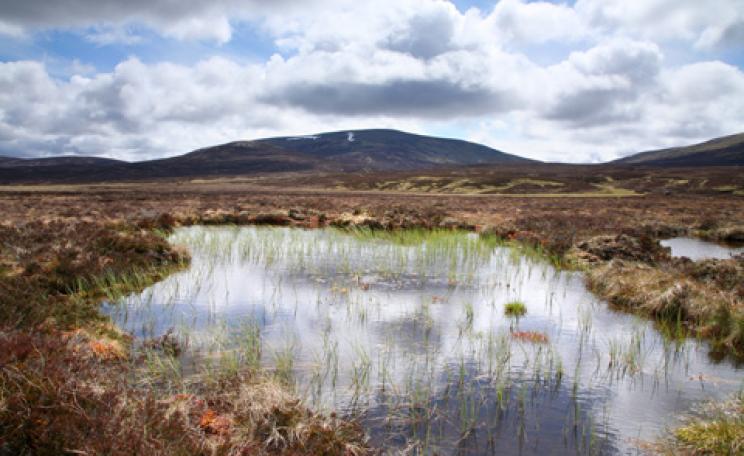
Jesse Trail asks us to re-examine our concerns about peat extraction, querying whether the peat moss industry might actually function as conservation stewards of these unique wetland ecosystems
Trebbe Johnson reminds us that our connection with familiar landscapes runs far deeper than nostalgia, and that embracing the 'wounds' of these places can be an enlightening experience.
Founding member of the Green Party Clive Lord gives his perspective on the theme of how to stop mankind overexploiting the earth, and calls for a cultural shift based on a strategy of sharing necessities unconditionally, whilst allowing other rules for everything else.
Lorna Howarth thought she knew plenty about activism, until she read The Activist’s Handbook which changed her way of thinking about how (and why) we can all make a difference
Do co-operative schools (trust schools and academies) provide a democratic community based alternative? Mervyn Wilson, Principal of the Co-operative College – which has been at the heart of the development of co-operative schools - explains why co-operatives are proving so popular
Environmental chemistry student Michael Brown evaluates how seriously recent claims that global extinction could occur within out lifetime should be taken