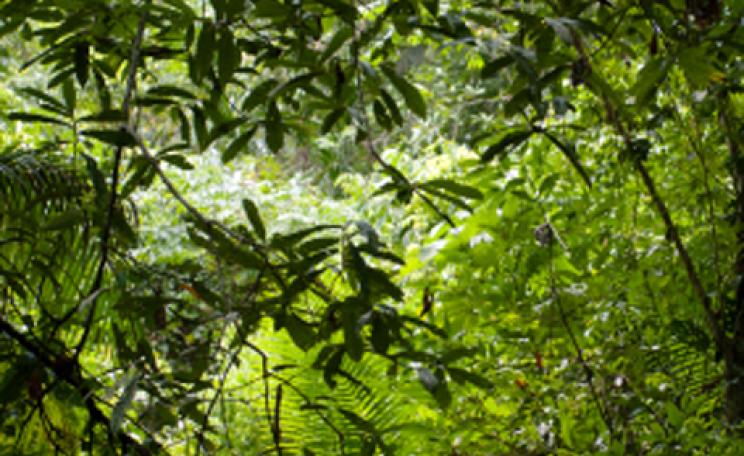
REDD+ type projects to protect rainforests face many obstacles but we should not give up on market-based solutions, says Ben Caldecott from the investment bank Climate Change Capital
The 2011 Energy Act provides for a ‘Green Deal’ in which households will be encouraged to borrow money on easy terms to finance energy saving home improvements. But will it work?
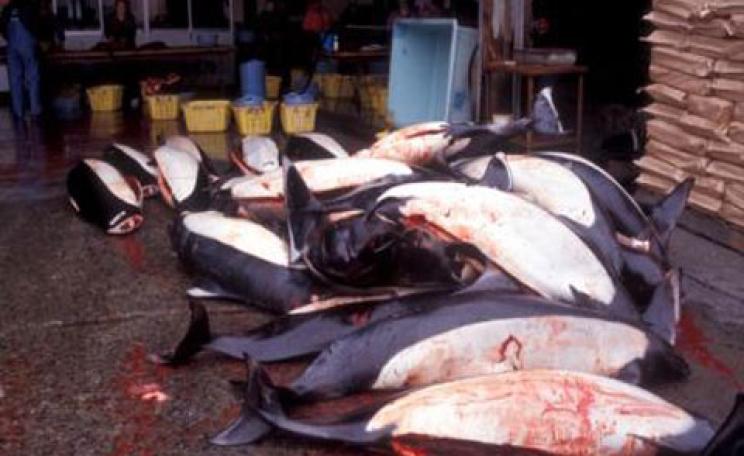
The Japanese tsunami appears to have temporarily halted the annual Dall's porpoise hunt. Pity the Taiji dolphins haven't been spared too, says the Environmental Investigation Agency's Clare Perry
Industry repeats the mantra 'children should be discouraged from using mobiles excessively' while doing nothing to ensure it happens, says Vicky Fobel from the campaign group MobileWise
Despite a growing consensus in favour of alternatives such as 'carbon clubs' and bilateral agreements, Friends of the Earth's Craig Bennett says the UN is our best hope for tackling climate change
Phosphorus is a crucial nutrient and a vital component of fertiliser, a mainstay of modern farming. But we could be heading for a major shortfall in supplies, argues Hannah Hislop, with some alarming consequences
Peak oil sceptics argue the real problem for climate change and our planet may be too much fossil fuel, not too little. Lionel Badal explains why he disagrees
It's not a question of ‘if' a major spill will occur in the Arctic, but ‘when and where', says conservation biologist and oil industry expert Rick Steiner
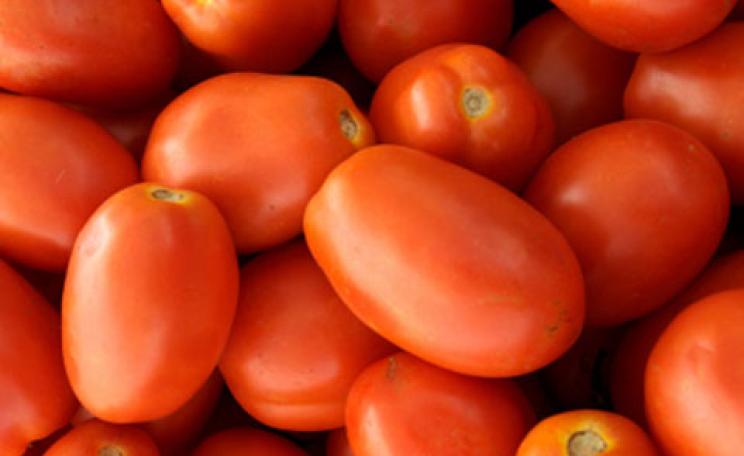
An essential in pasta sauces, soups, stews and pizza toppings tinned tomatoes are one of our most popular foods. But many arrive as a result of slave like conditions endured by thousands of migrant workers in Italy. Who should we blame? By Andrew Wasley
Environmentalist, democracy campaigner and Nobel laureate; Wangari Maathai led an extraordinary life but it's her overwhelming kindness and charm that I’ll always remember, says Ruth Styles
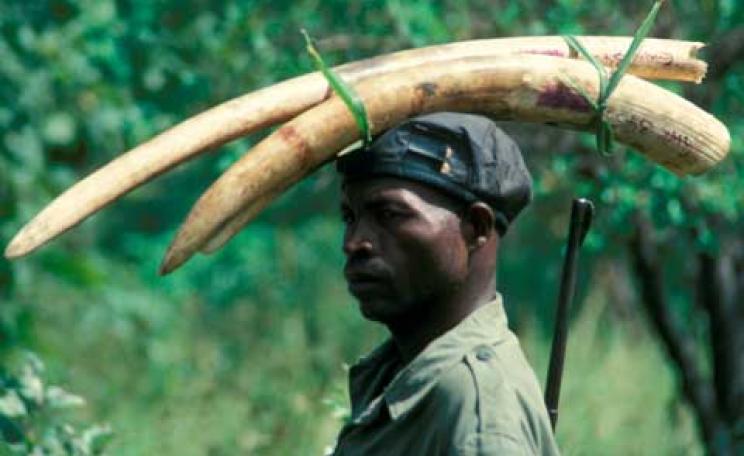
More than 3000 elephants may have been slaughtered in 2011 so far - and that's just those we know about. In Kenya, Mary Rice from the Environmental Investigation Agency witnesses the bloody reality of the global ivory trade
A Greenpeace investigation exposed the gender-bending chemicals used in clothing production. Puma, Nike and Adidas have agreed to phase out the toxic chemicals, but can we expect others to follow, asks Tamara Stark
Yes there have been scandals, and yes, there is more to do, but the fashion industry is working hard to become greener and more ethical. It’s time to start supporting these efforts, argues Green Living Editor Ruth Styles
In a major investigation and film, the Ecologist takes a look at how volatile financial speculation on food commodities is causing hunger and poverty in Mexico - and around the world
In 2012 battery cages are due to be replaced by 'enriched' cages, designed to improve birds' welfare. But footage from existing 'enriched' cage egg farms reveals intensive production, cruelty and suffering, says Justin Kerswell
International supply chains leave the horticultural workers harvesting our food in poor countries highly vulnerable to exploitation. Retailers, unions, NGOs and governments must work together to tackle this, says Julia Hawkins
More than a 100 pesticides are licenced for spraying on the humble lettuce. As well as posing a threat to consumers, workers harvesting the crop can face contamination and poisoning
In the first part of a special report looking at the hidden side of the horticulture sector the Ecologist focuses on one of our favourite foods - tomatoes - reporting from both Italy and the US.
Greenpeace's chief scientist Dr Paul Johnston on why recent proposals to expand GM technology support a flawed agricultural system and serve the biotech companies with the greatest vested interests
Shell’s oil spill in the North Sea this week is the worst in a decade, but compensation for any environmental damage could be in short supply says Susie Wilks from ClientEarth
Recent riots and looting across the streets of England is a mini-tragedy of the commons, says Harriet Williams. If only some of the evironmental damage we cause everyday was as immediately visible and socially unacceptable
The planned closure of the BBC Wildlife Fund represents the premature end of a model for how wildlife film-making can support conservation of the very environments it documents, says Rob St John