Undercover filming by the Environmental Investigation Agency has unearthed shocking evidence of military involvement in the illegal timber trade, all to feed western demand for stylish wood products, according to Faith Doherty
Amateur gardeners striving to live the 'Good Life' should ensure they check the contents of store-bought compost. For peat's sake - we need to think beyond our backyards and choose compost carefully
Two years on from our first investigation of the impact of intensive soya farming, Friends of the Earth campaigner Nick Rau explains how progress in tackling the problems are still frustratingly slow
Co-founder of activist group Plane Stupid, Joss Garman reflects on the environmental movements' successes and why, when things look bleaker than ever, we need to remember this
Thorium – the theory is sound and potentially game changing – we need to see it put into practice, argues Labour peer and former Friends of the Earth campaigner Bryony Worthington
Despite claims of a higher incidence of breast cancer and infant mortality in the vicinity of the existing Hinkley nuclear plant, and concerns over flooding in the region, the government has put forward crazy plans for a new facility says Rosie Shute
The decision to press ahead with the controversial construction was the worst environmental decision of devolution, says Stan Blackley of Friends of the Earth
As a major drought looms across parts of the UK, William Chase - of Tyrrells Crisps and the Chase Distillery - charges the government and water industry with short-sightedness and failing to manage supplies
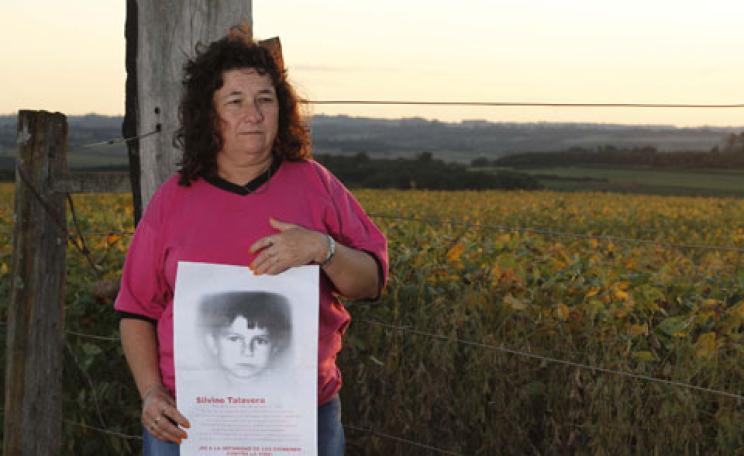
The pesticide industry and regulators have repeatedly misled the public with claims that glyphosate is safe, says Claire Robinson. As a result, Monsanto's Roundup is used by gardeners and local authorities, in school grounds, and in farmers’ fields
The overuse of antibiotics in intensive farming could have devastating consequences for human health. What's more, the safety of some antibiotics used in human medicine has been challenged by some patients who say they've suffered terrifying side effects...
Before rushing to finance projects in Africa and the Middle East, the European Bank for Reconstruction and Development (EBRD) should address its environmental and social lending criteria, says Fidanka Bacheva-McGrath
We may never know, argues Eve Mitchell, because the nature of our complex and highly industrial food systems is making it far harder to determine what happened
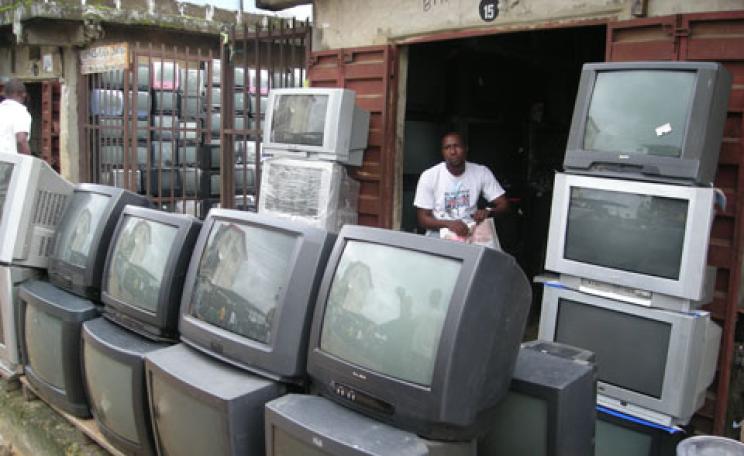
More robust enforcement of laws designed to tackle the growing problem of e-waste is urgently needed, says Anja ffrench of Computer Aid, along with improved management of electrical waste by governments
The current testing protocol for new medicines is proven to be inadaquate. It's time for a radical new approach, argues Kathy Archibald, director of the Safer Medicines Campaign
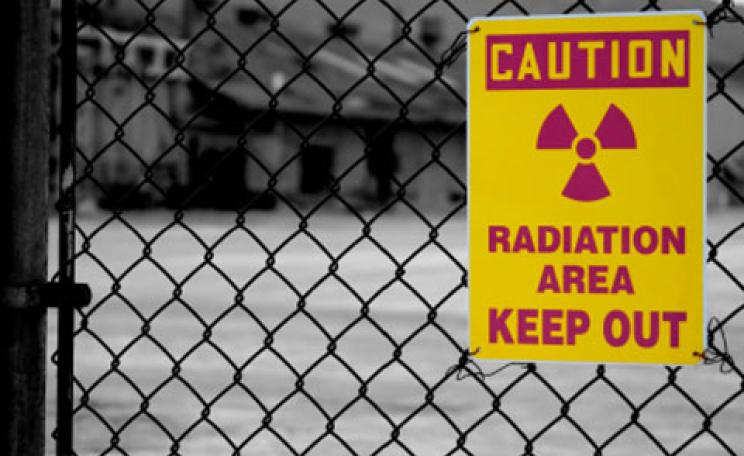
You won't hear the UK government admit it but after decades of research there is now evidence of real excesses of childhood cancer and leukaemia near some nuclear facilities, argues Dr Paul Dorfman
A budding interest in organic food offers farmers soaring incomes and higher yields, but critics say it's not the answer to India's fast-rising food demands
Defra's attempt to put a price tag on nature with its National Ecosystem Assessment may reinforce the dangerous conceit that our own place in ecosystems is more important than any other, argues Dr Kate Rawles
A book by leading biochemist Dr Lawrence Plaskett champions the power of the body to destroy tumours naturally. Why this happens is not always clear but a change of diet and other nutritional and naturopathic measures can aid recovery, says Michael Finucane
Following the High Court judge ruling that police 'kettling' tactics at the G20 protests were illegal, Climate Camp legal advisor Frances Wright argues that protestors need to be more aware than ever of their rights
The aviation industry deserves credit for being proactive about looking for alternatives to fossil fuels, says Paul Steele from the Air Transport Action Group