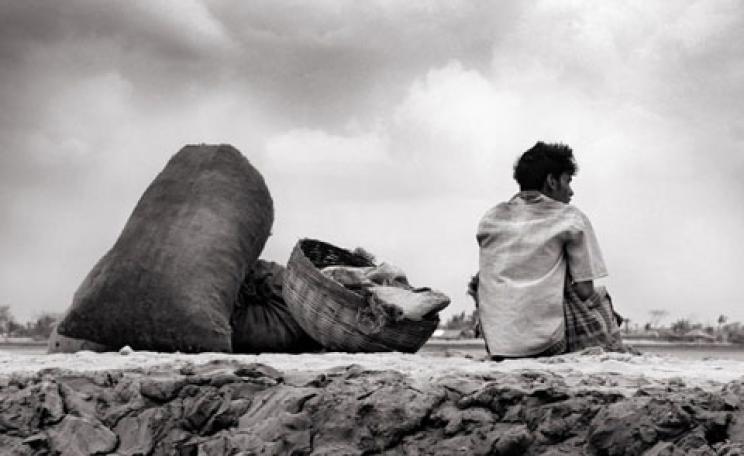
While scientists and the international community endlessly debate and argue, millions of Bangladeshi citizens have already been displaced by climate change - for them the worst-case 'nightmare' climate scenario is already real
It is time for the UK government to act if we want to stamp out the ongoing abuses perpetrated by corporations overseas and ensure an ethical weekly shop, argues Seb Klier
The fight against the controversial super-dairy in Lincolnshire may have been won but there's still much to do in order to keep British dairy farming humane, sustainable and natural, argues Suzi Morris
The British cuppa is an institution. But how many of us have actually wondered what goes into our favourite drink, or where the principal ingredients come from? The Ecologist investigates
Experts want the weedkiller paraquat - poison of choice in many suicide attempts - to be added to a 'watch list' of dangerous substances. Why then is Syngenta fighting the proposals asks Keith Tyrell?
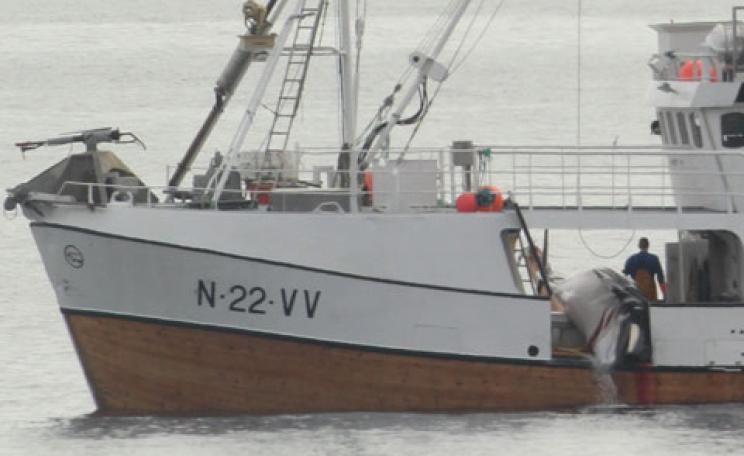
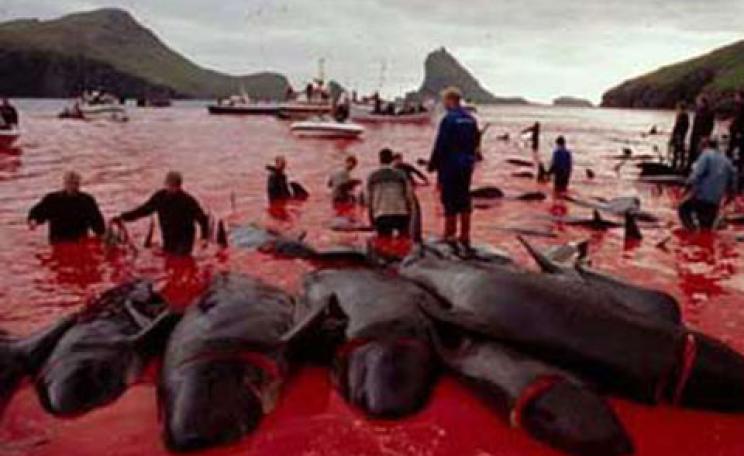
As the annual and highly controversial Norwegian whale hunt begins, Joanna Toole argues the evidence proving the practice is cruel, unnecessary and increasingly unpopular is now overwhelming
The government's historic give-away of public fishing quotas has created an unregulated mess, says academic Thomas Appleby, and we owe it to future generations to sort it out
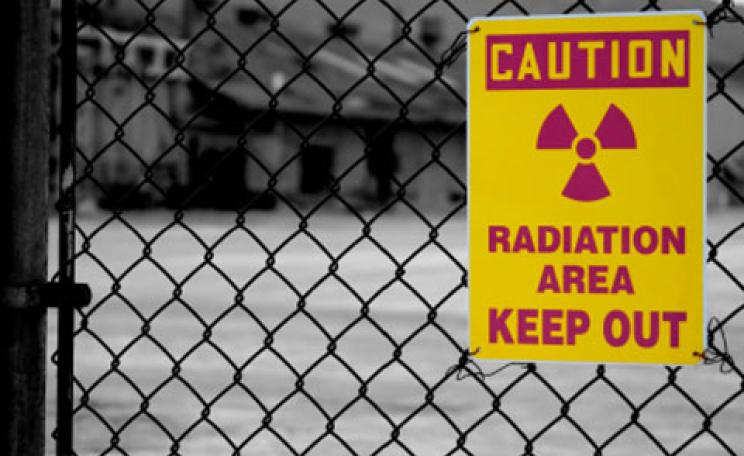
With Japan's nuclear catastrophe still far from resolved, Dr Paul Dorfman argues why nuclear remains 'economically unreliable' and why it will be the taxpayer who ends up being liable as well as facing all the risks
The UK should suspend its plans to build new nuclear power stations after the leak of radioactive material from the Fukushima plant in Japan, says Kate Hudson from the Campaign for Nuclear Disarmament (CND)
Powermakers in the EU are getting frustrated with slow approval of genetically-modified organisms (GMOs) and are voting in April on measures to speed up the process, says MEP and Plaid Cymru president Jill Evans
A new Carbon Connect report argues that the private sector can save cash, carbon and safeguard the UK’s future fuel security by adopting energy efficiency measures to reduce UK energy demand
Tesco, Adidas and others have already cut ties with the controversial paper and packaging supplier. In a scathing response to recent APP claims that it is greening itself, Ian Duff urges others to follow suit - until APP adopts sustainable practices
The Government’s 'U-turn' on selling off our public forests is a victory for activists who now need to push for better protection and improvement says Gavin Thomson, a volunteer with the campaign group 38 Degrees
We can eat a diet including macaroni cheese, chicken curry and fish and chips that is good for people and the planet argues WWF campaigner Duncan Williamson
Our ageing drainage systems need to be reinvented. Instead of trying to rush water into our sewer systems we should be making use of it to reduce flooding and encourage green space
Launching a major new report, the chair of the Westminster Sustainable Business Forum argues that local government can save £7 billion a year in running costs, cut carbon and improve services by better managing its property assets
The paper giant has been accused by Greenpeace of destructive logging and green-washing. But campaigners are mistaken, says APP boss Aida Greenbury - the company is supporting REDD projects and putting sustainability at the centre of operations
With controversial plans to allow farmers to cull badgers later this year, Ed Hamer asks whether Bovine TB is really a health problem for either cows or humans
With daily revelations about police spying on activists, we need an independent judicial investigation into the scale and nature of infiltration and use of agents provocateurs, says Ratcliffe defendant Dan Glass
With cheap food pricing, over-reliance on imports, and the pressures of a growing population, the UK's food security is set to rise up the national agenda. The Coalition Government must be prepared for the challenges ahead
Commercial whaling by many nations continues despite an international ban and widescale condemnation. What may end the practice, argues Peter Nolan-Smith, is that the financial incentives are starting to dry up