An economy run on slave labour has much in common with one run on fossil fuels, argues Jean-Francois Mouhot. Ending suffering means we all need to become modern-day abolitionists
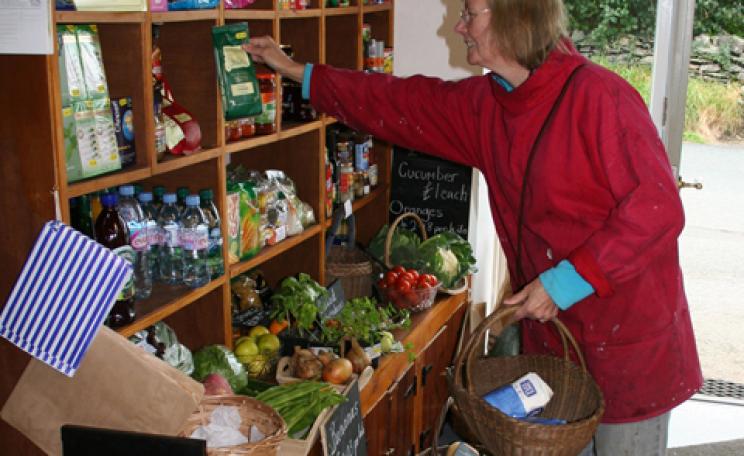
Buying organic cotton doesn't mean you are depriving a farmer in the developing world of food crops, says Eliza Anyangwe of Pesticide Action Network. Rather, it's one action every ethical consumer should take
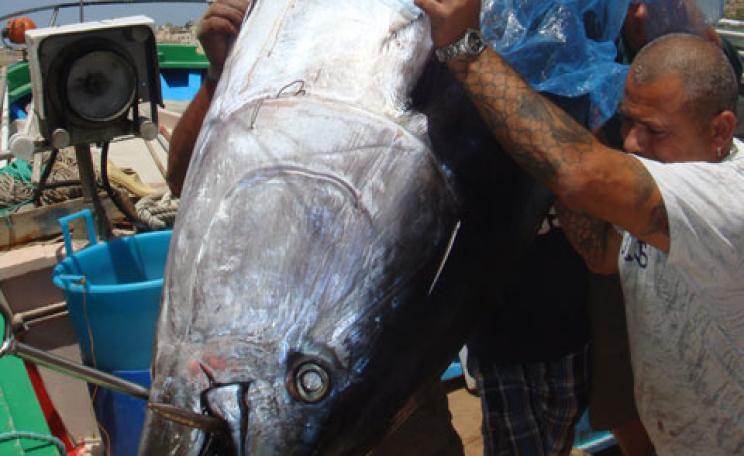
The ICCAT summit on bluefin tuna was stained by a lack of transparency, allegations of illegality and disturbing examples of financial interests trampling over environmental concerns, says James Thornton
Andres Carrasco's research linking a controversial herbicide with birth defects highlighted the potential health dangers posed by GM crop-spraying in Argentina – and led to violence and intimidation for those behind the study
To make Chris Huhne's 'Green Deal' a success - and meet the UK's carbon reduction targets - we need to redefine the green jobs sector and build the connection between individuals and environment, says Groundwork's chief executive
The causes of climate change are far from their shores, but these tiny Pacific nations face growing social strife and eventual annihilation unless western governments wake up and take responsibility, argue Scott Leckie and Dan Lewis
With the second planning application for the controversial 'super dairy' at Nocton in Lincolnshire about to be submitted, agribusiness consultant David Alvis hits back at The Ecologist's recent coverage of the issue
The new coalition Government must do what Labour failed to do in 13 years in power and finally introduce the necessary measures to protect people from pesticides, says Georgina Downs
The need for more affordable housing is often cited as a reason for building on often-environmentally important garden plots. But does such a policy result in more cheap homes? Apparently not, argues Simon Leadbeater
As Earth Overshoot Day gets earlier every year, David Nussbaum argues that changing our diets to less meat and dairy could help us stay within the planet's environmental limits
Switch to heat pumps to warm your home and you'll qualify for the Renewable Heat Incentive subsidy. But new research reveals the pumps release potent hydrofluorocarbon (HFC) gases, says Eric Johnson, significantly increasing the true carbon footprint of this supposedly green technology
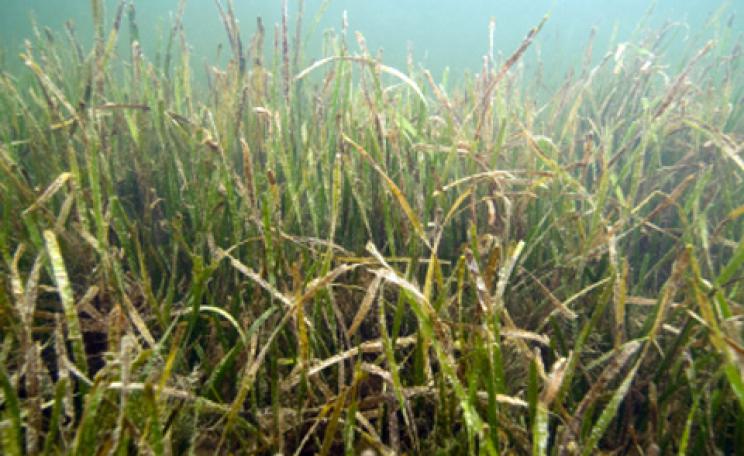
It may be not be as visible as tropical rainforests or wetlands but seagrass plays a vital role in the global ecosystem, says Richard Unsworth, filtering pollution and providing food to fish
Microalgae could help turn the tide on climate change by providing clean, green energy for everything from light bulbs to planes, argues Matthew Aylott. But does the UK have enough space, sunshine - or indeed the stomach - to grow them?
The role of economics and the future of capitalism will be to preserve our natural resources rather than destroy them but the US may be missing the message, says economist Graciela Chichilnisky
Renewable energy presents a unique opportunity for getting communities engaged in reducing their emissions - and benefiting financially - says Reg Platt of IPPR
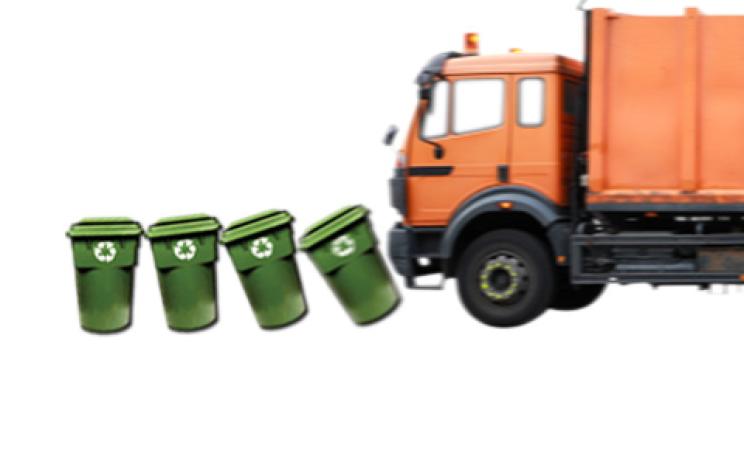
For regions with adequate space and little recycling infrastructure, disposing of bottles in landfill generates a lower carbon footprint than recycling or incineration...
Watching our leaky taps is the least of our problems when it comes to water wastage - agricultural practices and animal products are by far the greater danger
There's a lot of nonsense talked, bought and done when it comes to eco-retrofitting houses. David Thorpe's new book sorts the wheat from the chaff, and challenges some green orthodoxies...