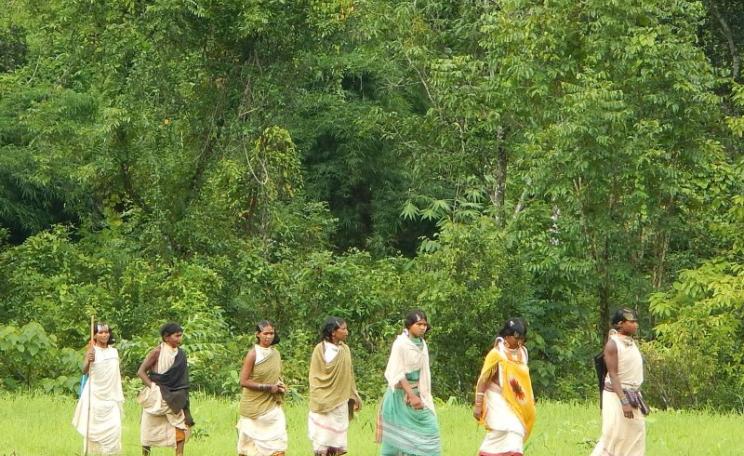
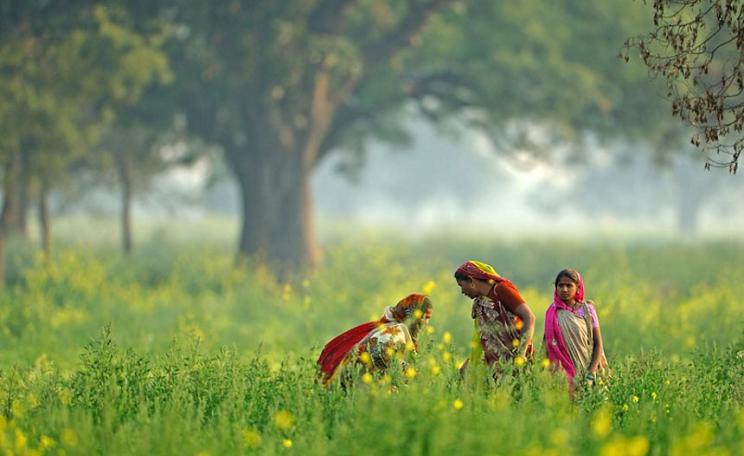
India's neoliberal government is attempting the mass seizure of indigenous lands, commons and forests in order to hand them over for corporate exploitation with mines, dams and plantations, writes Pushpa Achanta. But tribal communities are rising up to resist the takeover, which is not only morally reprehensible but violates India's own laws and international human rights obligations.
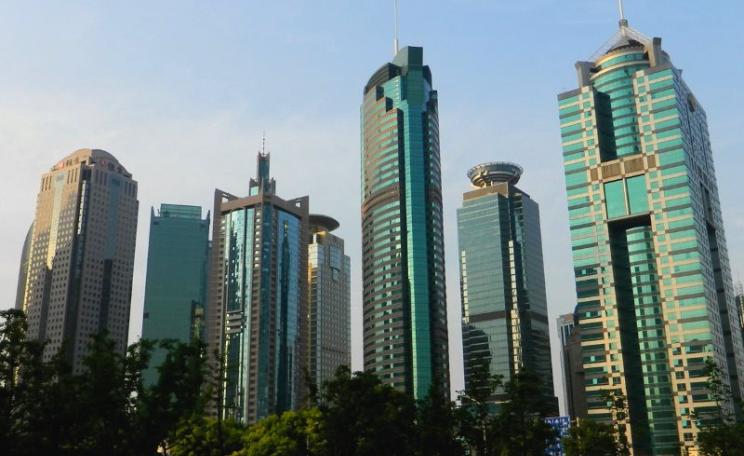
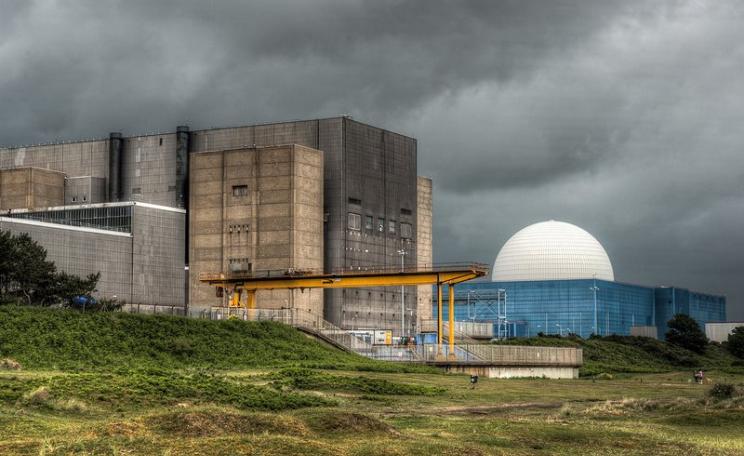
The UK's nuclear deal with China makes no sense, writes Jeffrey Henderson - unless you factor in the simultaneous agreement to forge lucrative links between UK and Chinese financial markets. Lucrative, that is, for the City institutions whose interests the British government so assiduously represents. As for the rest of us, our task is simple: to bear the ever-growing cost.
Greece is Europe's sandbox for the neoliberal free-for-all to follow if the EU and the US sign off on the TTIP trade and investment treaty, writes Pavlos Georgiadis. The termination of public services, the cut-price sell-off of public assets, the dismantling of environmental protection, the democratic closedown, the rule of corporations and finance capital ... all coming your way soon.
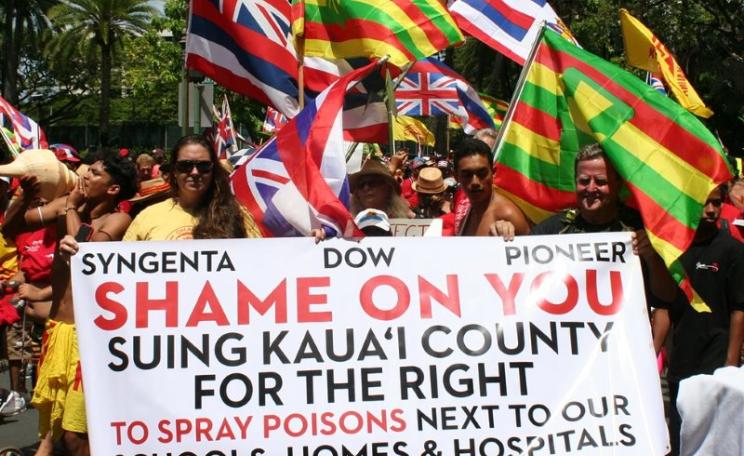
Hawaii has got everything, writes Christopher Pala, and not just for holidaymakers. It's also the perfect place for biotech companies to develop GMO corn varieties and spray them with toxic agrochemicals. People are getting sprayed too - and doctors report high rates of birth defects. But grassroots efforts to restrict the use of pesticides have twice been over-ruled by state courts.
Seventeen or more secret applications have been made to India's GMO regulators for trials and release of GM crops including rice, wheat, chickpeas, brinjal and mustard, write Colin Todhunter & Oliver Tickell. In a violation of the law regulators have released no information about the applications, raising fears that India's first GMOs will be released with no health, safety or environmental testing.
Climate change will impact the world in many ways, writes Matthew Blackett. Some of them may be good, like more rain in African drylands and coral atolls adapting to rising seas. But most of them - like coastal flooding, long term drought, earthquakes and stronger tropical storms - will be very challenging. We must increase the resilience of the most vulnerable countries without delay.
There's been a big fuss about the 'ISDS' clauses in the TTIP trade deal that would allow US corporations to sue the EU and its member states for 'lost profits', writes Maude Barlow. But ISDS is already in CETA, the already negotiated EU-Canada trade deal - and nothing would be easier than for US companies to use it as their 'back door'. We must make sure CETA is rejected at its final hurdle.
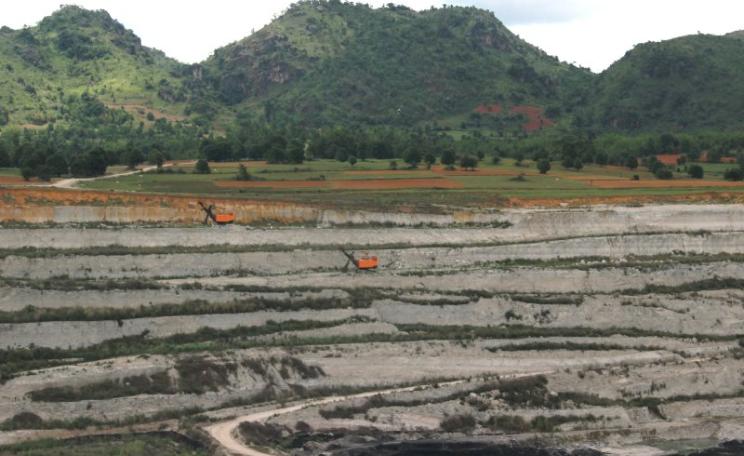
The president of Burma has decided that coal is the way to future wealth and prosperity, write Carole Oudot & Matthieu Baudey. But if the experiences of farmers and village people near Tigyit, site of the country's biggest coal mine and coal-fired power plant is anything to go by, it will bring only poverty, pollution, ill-health and land grabs to rural communities across the country.
It was all going so well for Chevron - a New York court had ruled that a $9.5 billion judgment against it set by Ecuador's supreme court for massive pollution deep in the Amazon was corrupt and fraudulent. But then its star witness broke ranks and admitted, in another court, that he had lied, and the only bribes were coming from Chevron. Will Ecuador's pollution victims finally get justice?
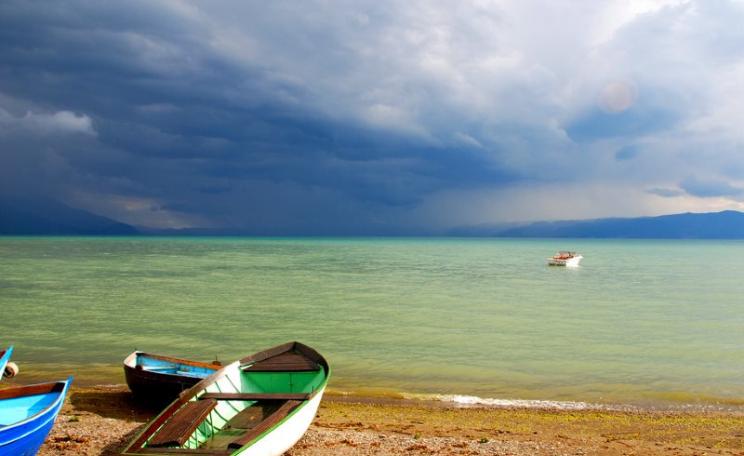
UNESCO's Lake Ohrid-Prespa Biosphere Reserve at Mount Galicica, Macedonia, is at risk from a raft of aggressive developments, write Elena Nikolovska & Daniel Scarry: tourism complexes, a new expressway and ski resort all threaten its tranquility and stunning diversity of wildlife, backed by loans from the EU's taxpayer-funded Bank, the EBRD.
The high oil prices that turned North Dakota into a boom state have turned, writes Joshua Frank. Now high-cost oil and gas are in the doldrums everywhere, production is falling - and even if prices do pick up one day, risk aversion and the relentless advance of renewables will leave lakes of oil and caverns of gas underground where they belong. Folks, the oil party really is over!
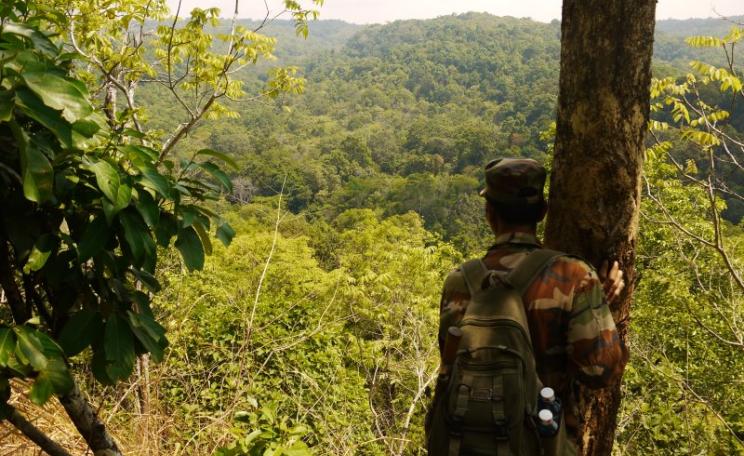
An initiative to re-home abused, over-worked domestic elephants is supporting the conservation of one of Cambodia's last and most species-rich rainforests, writes William Laurance. Growing ecotourism in the area, attracted by the elephants, is engaging indigenous communities in forest protection and helping to stave off the pressure from loggers and plantations.
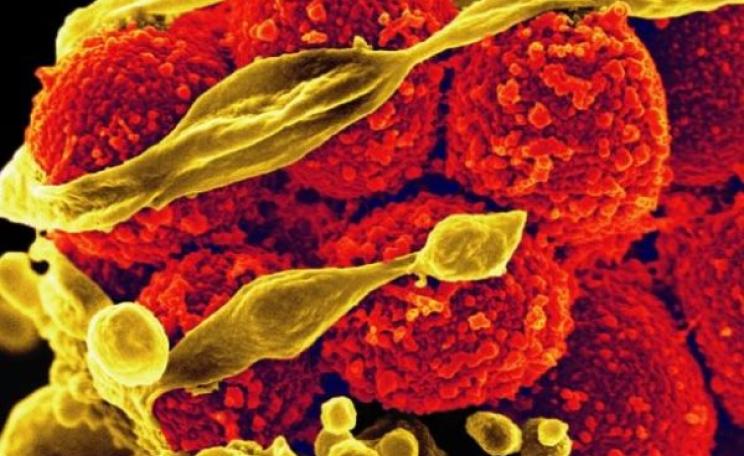
Antibiotics have saved countless millions of lives since the 1930s, but their power is failing due to their massive use in factory farming, horticulture, aquaculture and industry, says a new report from the All Party Parliamentary Group on Antibiotics. We must stop all inessential uses of antibiotics, or face a future where we risk death from minor injuries and routine surgery.
China's nuclear investment into the UK raises more questions than it answers, writes Oliver Tickell. The £6bn committed is nowhere near enough to see Hinkley C to completion, and EDF has few options for raising the rest elsewhere. The only answer is more Chinese money, and it won't come cheap - not for Britain, nor indeed for France's vulnerable nuclear corporations.
It's all change in Canada with the dramatic ousting of anti-environment Conservative Prime Minister Stephen Harper, writes Carol Linnitt. Under the new Liberal PM Justin Trudeau things are looking a lot better for climate, science, environment, transparency and First Nations. But Canada is still set to go into the Paris climate talks with the same weak level of commitment.
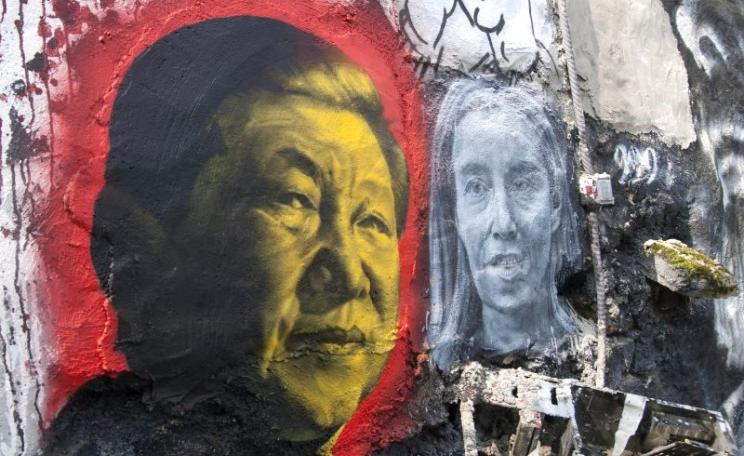
The UK is embarking on a reckless endeavour in its attempted nuclear union with China, write David Lowry & Oliver Tickell. China's investments will come at a high price, one that transcends mere money and the undoubted security risk inherent in its control of key elements of our energy infrastructure. At risk is the UK's very future as a sovereign, independent nation.
China's smog is an increasing cause of public discontent, writes Oliver Wild - and no wonder! New research shows that the country's air pollution is killing over a million people every year. Thanks to China's geography the problem is hard to solve, but the rapid rise of renewables and the slow demise of coal do offer the promise of cleaner, healthier future.
It may not be on tonight's telly, but there's only one story on the lips of SNP members at their party's conference in Aberdeen, writes Jen Stout - the grassroots revolt against the feeble land reform bill advanced by the party leadership, rejected outright by members in a decisive vote. Now the SNP must come up with a bill that's as 'radical' as Nicola Sturgeon's speeches.
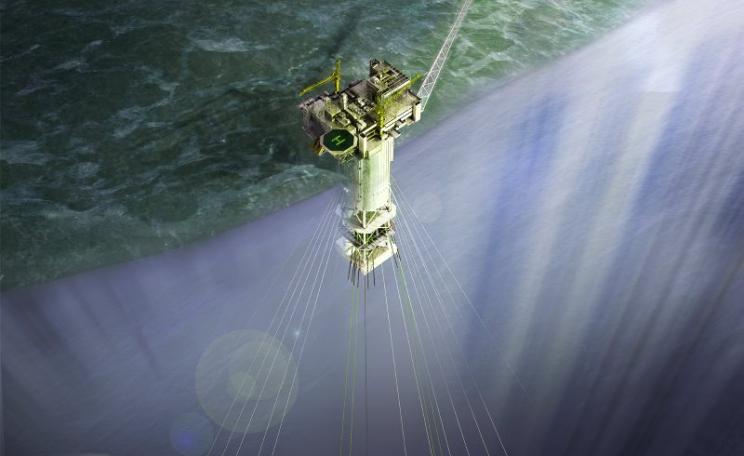
Large-scale oil extraction in the Arctic is irreconcilable with the 2C global warming limit, write Aleksander Melli, Pål W. Lorentzen, Mari Seilskjær, Hans Morten Haugen & Truls Gulowsen. And that puts Norway's dash to develop Arctic oil into direct conflict with its Constitution, which requires the state to try and secure climate stability for its citizens, present and future. A lawsuit is imminent.
The UK government is punishing renewable energy for its success in generating 25% of the country's electricity, writes Stuart Parkinson. But there's no austerity when it comes to the bloated military-nuclear industrial sector, no matter how egregious its failures or extreme its cost overruns. Our future prosperity is being sacrificed - and its costing taxpayers billions.
On the face of it, the UK's policy to pursue nuclear power at all costs, while destroying the renewable energy sector, is totally illogical, write Philip Johnstone & Andy Stirling. But then it may make perfect sense - if only you accept that it's really all about maintaining the country's role as a nuclear weapons state for generations to come. And the 'deep state' has a way of getting its way.
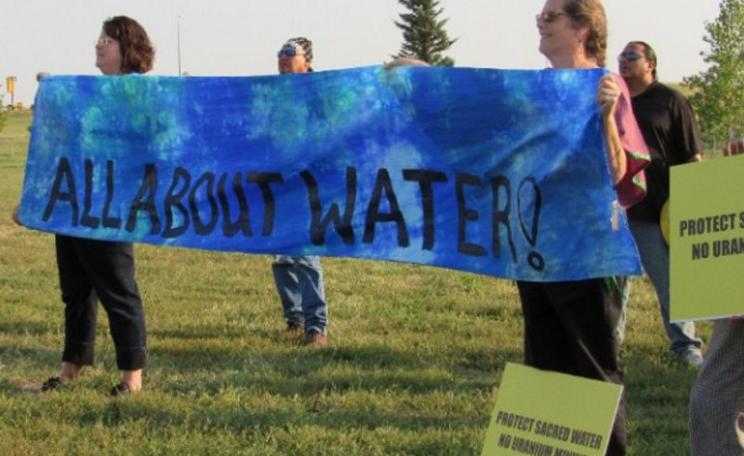
The impending renewal of the license for a uranium mine in Nebraska has ignited a years long resistance among those - most of them women - for whom good health and safe, clean water in the Ogallala aquifer is as important as life itself, writes Suree Towfighnia. But for others, jobs and money come first. Now the Nuclear Regulatory Commission must reach its decision.
The leaked chapter of the Trans Pacific Partnership chapter on intellectual property represents a wholesale attack on internet freedom, investigative journalism, and the wider creative commons, writes Jeremy Malcolm. While massively advancing corporate financial interests in binding clauses, the parts that purport to protect information users are soft guidelines that cannot be enforced.
Disastrous water pollution from gold mines in El Salvador has united government and people to oppose new metal mines, writes Lynn Holland. In Central America's most water scarce country, the imperative is to keep lakes, rivers and streams clean and wholesome. But there may be a heavy price to pay, with a Canadian mining company pressing a $300 million 'compensation' claim.