Last week a new billionaires club strode into COP21 in Paris promising big money for 'clean energy': the Breakthrough Energy Coalition. But most of its members are nuclear obsessives, writes Linda Pentz Gunter, from Bill Gates to Jeff Bezos and Richard Branson. And what the the world needs is not 'patient investment' into nuclear research, but impatient investment into renewables deployment.
COP21 is overwhelming, writes Kevin Smith at the end of the Summit's first week. It's huge, its complicated, everyone is running around in a constant frenzy, NGOs are squeezed out of key meetings, and all but the biggest countries struggle to keep up with the action. But still, negotiations are progressing. And amid the chaos, some truly wonderful, surprising, inspiring things are happening.
Paris has been awash with hype about 'CO2 recycling' and 'carbon neutral' or even 'carbon negative' technologies based on burning millions of trees, writes Rachel Smolker. But the alchemical notion that waste carbon can be spun into corporate gold is hitting serious reality checks. It's time to ditch the fantasies and progress the real solutions: like caring for land, soils, forests and grasslands.
The health of Europe's citizens is on trial as the EU's food safety regulator challenges the World Health Organisation over glyphosate and cancer, writes Corporate Europe Observatory. On the WHO side, published, peer reviewed science, real world epidemiology and open processes. While the EFSA conclusion is based on secret industry studies and opaque procedures. Will science or realpolitik win the day?
As world leaders convene in Paris for the COP21 climate summit, the major task before them is to replace fossil energy generation with renewables, writes Paul N Edwards - and with the right incentives, it could happen fast. For developing countries it's different: they could skip over fossil fuels much as they have gone straight for mobile telephony. But will they seize the opportunity?
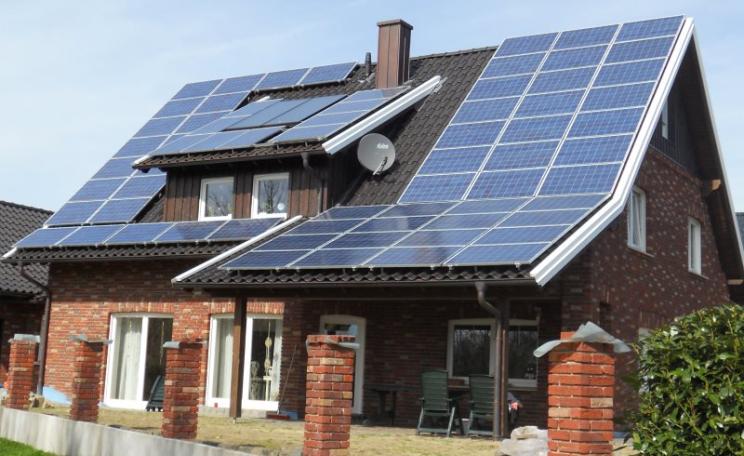
New research shows that wind and solar can meet 80% of Germany's power demand, with biogas and hydropower providing the balance, writes Keith Barnham. And if Germany can do it, so can other countries, many of them even more easily - with no need for fossil fuels or nuclear power. COP21 should raise its ambitions and commit to a 100% renewable electricity future, everywhere.
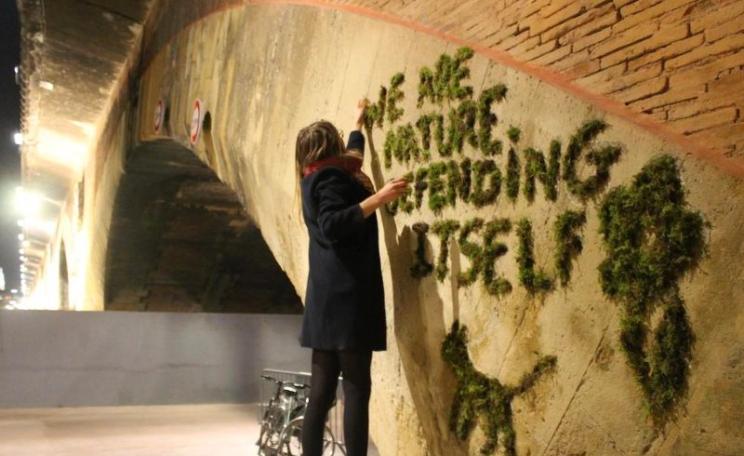
As the Paris climate summit falls under the brutal double cosh of terrorism and a heavy-handed security response targeted at climate campaigners, creative non-violent responses are taking shape to express the collective will of the billions who cannot be there, writes Nadine Bloch: the need for equitable solutions to the climate crisis, as a first step towards a healthy, peaceful, sustainable planet.
A six-month investigation finds that the revolving door between government and the chemical industry has led the EPA to rely on easily manipulated toxicology research carried out entirely on computers - and this 'in silico' science often trumps both biology and epidemiology when it comes to regulatory action, or lack of it. The result? Toxic substances remain in everyday products.
The 'Autumn Statement' delivered with such aplomb by the Chancellor is yet another attack on the UK's sustainable future, write David Lowry & Oliver Tickell - cutting energy efficiency funds just as tens of thousands are set to die of cold this winter, betting £250m on pointless nuclear research, and raiding the renewables budget to fund subsidies to nuclear power and fossil fuels.
Amid the human suffering caused by terror attacks, it's easy to forget the economic dimensions, writes Paul Mobbs. But after the 13th November attacks in Paris defence industry shares soared, while a host of connected think tanks, lobbyists and politicians dominated the media in pushing for military responses. Is it time to expose and confront the terror industrial complex?
Turkey's shooting down of a Russian jet near its border with Syria has just revealed the real nature of the war, writes Oliver Tickell, and sharply illustrates the dangers of getting involved in a conflict that is driven more by a battle of two gas pipelines than a clash of ideologies. The message for the UK - keep well out! Or if we are serious about crushing IS, best join in with Assad and Putin.
As falling milk prices push dairy farm out of business, new mega-dairies and feedlot operations of 700 or more cows are filling the void, writes Andrew Wasley. Never mind the pollution, slurry lagoons, and heavy plant on country lanes - do we want the cows that produce our milk confined to sheds? And what's the future for traditional dairy farmers with small, well cared for herds?
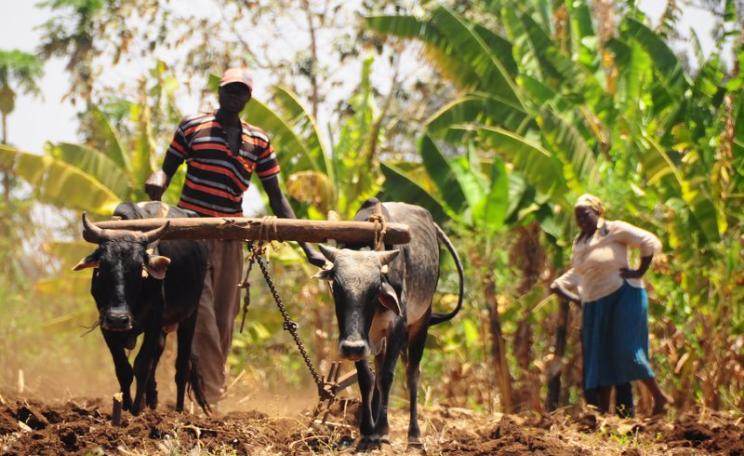
While the Gates Foundation and conservative politicians are bigging up GMOs and agribusiness, writes Colin Todhunter, a quiet revolution has been working its way across Africa. Agroecological farming, constantly adapting to local needs, customs, soils and climates, has been improving nutrition, reducing poverty, combatting climate change, and enriching farmland.
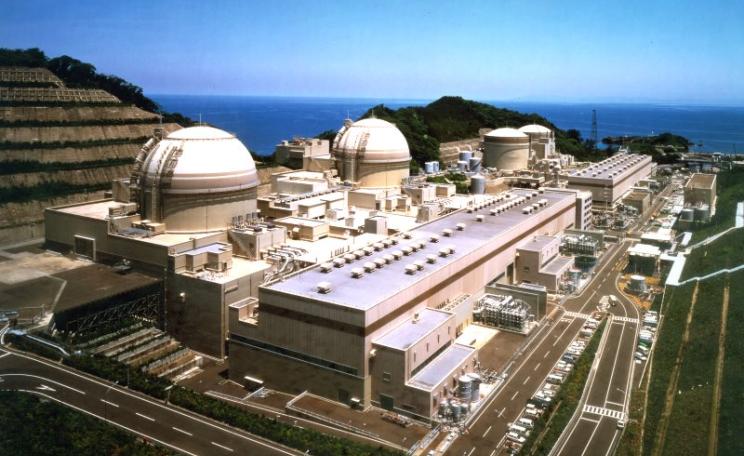
NASA scientist James Hansen is heading to COP21 in Paris to berate climate campaigners for failing to support 'safe and environmentally-friendly nuclear power', writes Jim Green. But they would gladly support nuclear power if only it really was safe and environment friendly. In fact, it's a very dangerous and hugely expensive distraction from the real climate solutions.
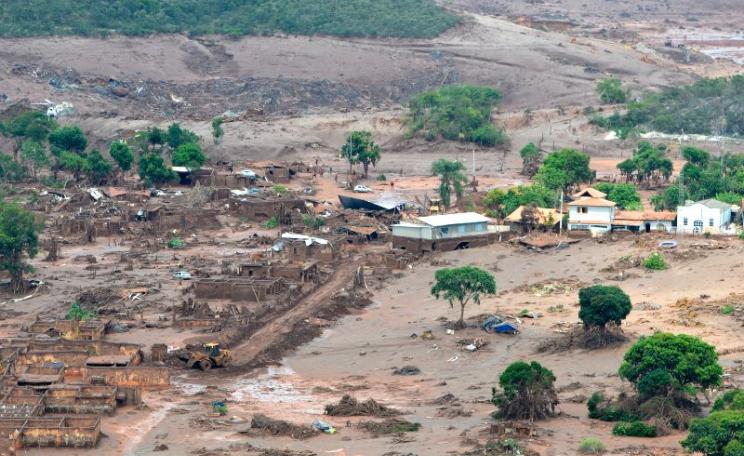
Brazil has suffered its biggest ever industrial disaster, write Ana Luisa Naghettini & Geraldo Lopes. Breached and overflowing dams have released a massive slug of toxic muds and tailings from iron mining into the country's fifth largest river system that provides drinking water for downstream cities, destroying ecosystems in rivers and vast areas of biologically fragile ocean.
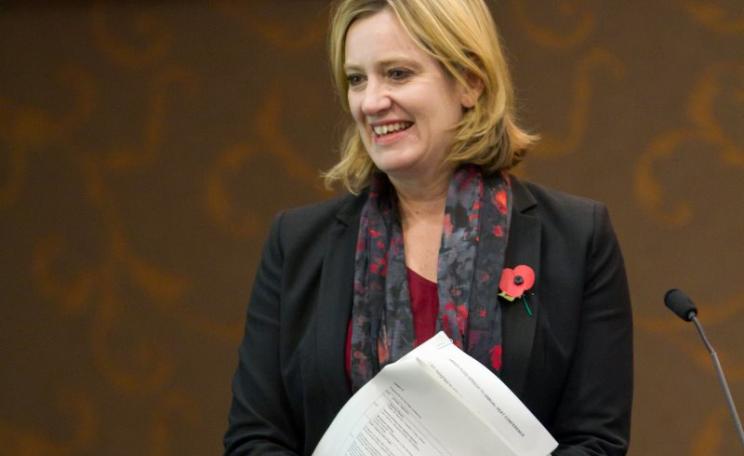
Amber Rudd's speech today exposes her total failure to assemble a coherent energy strategy, writes Oliver Tickell. It reveals the increasingly certain failure to meet EU renewable energy targets, proposes a new tax on wind and solar generation, and leaves the country facing the real prospect of lights going out in the next decade. The one hard policy? To maximise oil and gas recovery.
The greatest danger of the Paris conference is that the global South will be bullied into to accepting a terrible deal rather than leave with none at all, writes Brian Tokar. That gives civil society an essential role - to support the resistance of developing country representatives inside the summit to an unjust and ineffective agreement imposed on them by the rich, powerful, high-emitting nations.
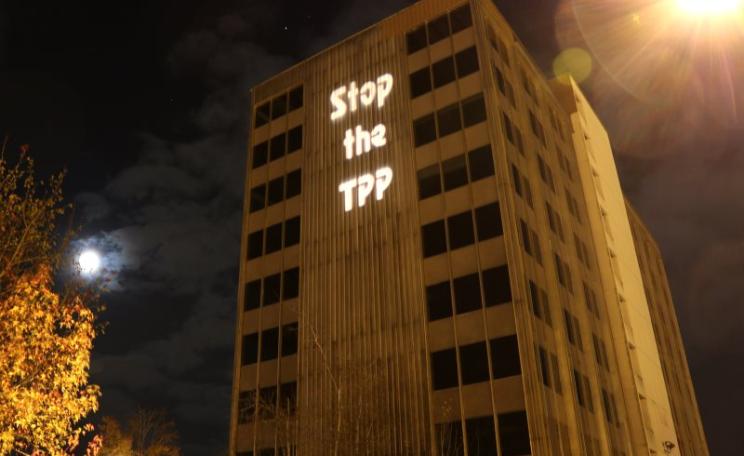
Thanks to New Zealand, the full text of the Trans Pacific Partnership has been made public. And as Pete Dolack writes, it's a disaster for health, environment, workers and democracy - one that will unfold over years and decades to come, as investors and corporations consolidate their power over elected governments and cement in the global rule of unaccountable capital.
Is it a coincidence that the terrorist outrage in Paris was committed weeks before COP21, the biggest climate conference since 2009? Perhaps, writes Oliver Tickell. But failure to reach a strong climate agreement now looks more probable. And that's an outcome that would suit ISIS - which makes $500m a year from oil sales - together with other oil producers.
As Aung San Suu Kyi's National League for Democracy takes a strong lead in Burma's elections, Nafeez Ahmed warns that the military will remain the real power in the land. And as UK, EU, US, Chinese and Gulf state energy corporations compete to exploit Burma's hydrocarbons, don't expect them to denounce the ongoing genocide of the Rohingya, and anyone else in the way of their oil and gas infrastructure.
The recently announced Snoopers Charter 2.0 gives the state enormous powers to delve into our lives, writes Paul Mobbs. And all the more so when combined with other data to which the government has access - by simply buying it from commercial providers. If you don't like the idea, it's time to get your systems secure and shrink your digital data trail.
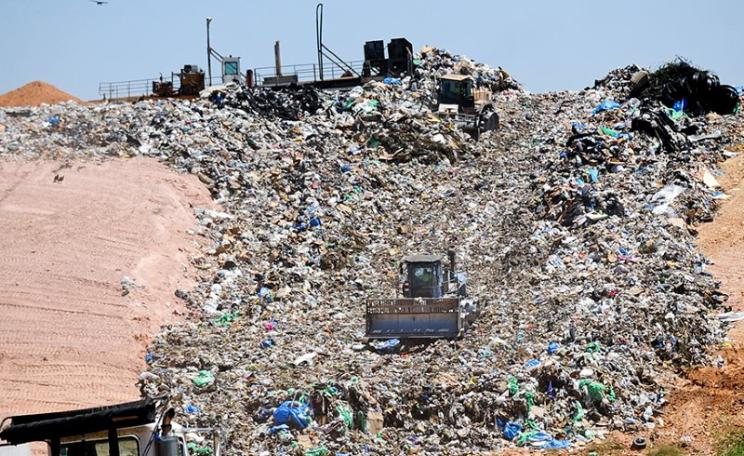
Landfill sites, giant hog farms, incinerators and other 'bad neighbor' industries in the US tend to be situated in African American communities, writes Heather Kathryn Ross. The Environmental Protection Agency is legally obliged to prevent 'environmental racism', but from California to Michigan, low-income communities of color have been waiting years for it to take a stand. Now, backed by Earthjustice, they are forcing the issue - in the courts.
The UK-China plan for new nuclear build in England defy the evolving reality of 21st century power networks, writes Paul Dorfman. In China itself, the nuclear dream is hitting construction problems and delays, while wind and solar blossom at ever falling cost. But the phenomenon is global. Despite some governments' nuclear obduracy, renewables are winning the race hands down.
A letter from Energy Secretary Amber Rudd leaked to The Ecologist shows that she misled Parliament by promising the UK was 'on course' to deliver on its renewable energy targets - when in fact there is a delivery shortfall in 2020 of almost 25%. Her plan to fill the gap relies on more biofuels, buying in green power and 'credits' from abroad - everything but wind and solar.