The Paris Agreement is a severely inadequate response to the climate crisis the world now faces, writes Pete Dolack, full of vague aspirations and devoid of hard, enforceable commitments. But the impending US withdrawal is still bad news for us all - including the Trump-supporting Koch brothers, set to gain billions from their Alberta tarsands holdings. Short-term profits are a poor exchange for a less livable world, even for those making the money.
So the Trumpapocalypse has happened. He has finally withdrawn the US from the Paris climate agreement. Understandably there is righteous anger around the Globe over such a reckless act of climate vandalism, which imperils the natural world and the lives and livelihoods of millions of people. But here's the good news, it may prove to be just the kick up the jacksie that we needed, writes JOE WARE
Theresa May's suggestion that she was going to allow a free vote in Parliament on repealing the Hunting Act met with howls of outrage , not least from vets concerned about animal welfare. Dr Iain McGill (who spoke at the recent Keep the Ban protest) and his colleagues write here about her ignorance on hunting and, given the Kimblewick hounds issue, the danger posed by making hunting legal again.
Professor Tim Jackson - author of the acclaimed Prosperity Without Growth - and a policy advisor to the Labour Party and Whitehall, tells ARTHUR NESLEN the big question in the final countdown to the General Election on Thursday is whether the UK's groundbreaking Climate Change Act can survive Brexit
President Donald Trump stunned the world yesterday (June 1, 2017) by announcing his intention to withdraw the United States from the Paris climate accord - a landmark global agreement to lower greenhouse gas emissions and minimize the harm from climate change. The Conversation has assembled a panel of American academics and scientists to analyse what this dramatic move means for the planet, U.S. businesses and the world's poor...
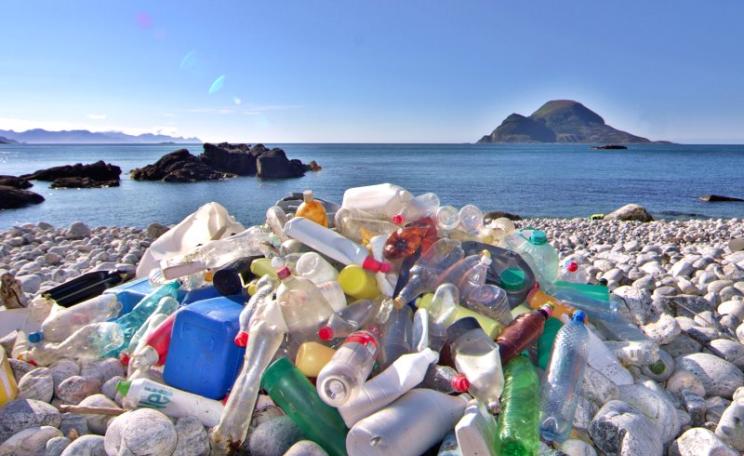
With the UN Ocean Conference beginning in New York next week, Elizabeth A Kirk asks: can we devise a legal system that promotes the ecological resilience of the oceans? To do so will mean placing ecosystems at the heart of decision making, over and above countries' selfish 'national interests'. It will be tough, but if we fail it's hard to see how the gamut of problems - from ocean acidification to plastic pollution and overfishing - can ever be solved.
Women are not just a ‘tool' for social and environmental justice - they are agents of real change, and have the right to be engaged in all climate negotiations. ARTHUR WYNS reports on current moves to empower women to tackle climate change
Silver, indigenous Huichol communities and the peyote they venerate have co-existed in Wirikuta, northern Mexico for thousands of years, writes Kurt Hollander. But it's become an increasingly troubled relationship, one that illustrates the deepest conflicts of Mexican society. The region is protected as a UNESCO Natural Sacred Area, but foreign mining companies are determined to exploit vast concessions that pose severe threats to the fragile landscape, its inhabitants and their ancient culture.
UK politicians (aside from the Green Party) may not have the environment high on the agenda but the British public want to remain part of the Paris Agreement and care deeply about climate change according to a new poll released today. JOE WARE reports
A 2001 study that showed that glyphosate caused cancer in mice was ignored by the EFSA after the unsubstantiated allegation of a former US-EPA official that the mice used in the study were suffering from a viral infection that might have given them cancer, writes Claire Robinson. The EFSA failed to properly investigate the allegation, which appears to originate in a document linked to Monsanto, maker of the world's top-selling herbicide, glyphosate-based Roundup.
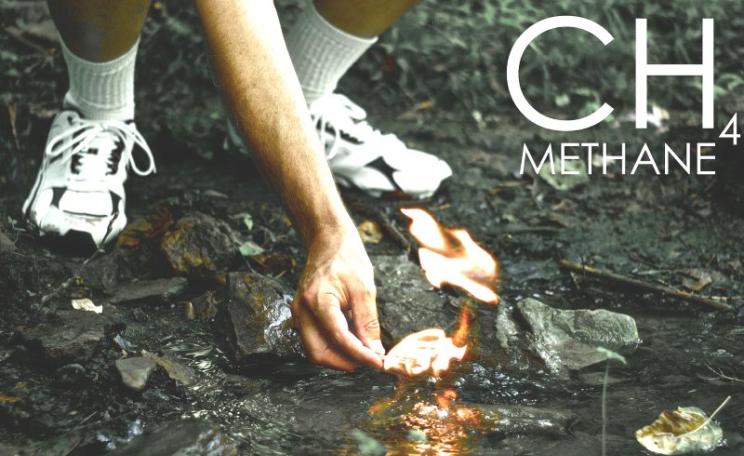
The UK government claim that fracking is a 'clean' energy source rests on the conclusions of a single scientific paper, writes Paul Mobbs. And now that paper has been conclusively invalidated: it uses misleading figures that understate the methane emissions from fracking, and subsequent findings have left it totally discredited. Yet the paper is still being quoted to justify fracking, and the fool the public on its climate change impacts.
Thousands of small farmers were forced from their lands and homes by paramilitaries in Colombia's Santa Maria mountains, writes Paula Álvarez. But now as a welcome peace allows their return from involuntary exile, they find a new enemy that has come to stay - huge plantations of oil palm that have obliterated the mixed, patchwork landscape of small fields, villages, and swathes of forest on steep-sided hills that they used to inhabit.
Scientists are praising the discovery of new species and rare dolphins in the Mekong region, but overfishing and dams loom to disrupt habitats writes NOSMOT GBADAMOSI in this special Ecologist report
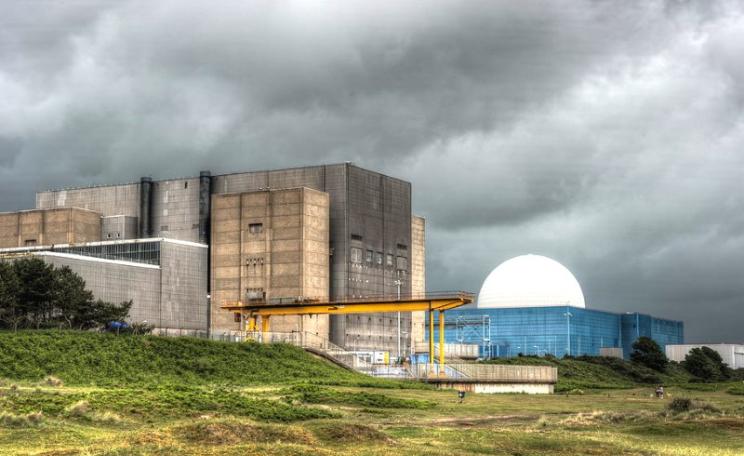
After years of pro-nuclear bombast from the Conservative Party, its 2017 manifesto hasn't got a single word to say about nuclear power, write Oliver Tickell & Ian Fairlie. Instead it announces a renewed focus on cutting energy costs, and a big boost for increasingly low-cost wind power; while both Labour and Libdems offer only weak, highly qualified support for new nuclear build. And so the great British 'nuclear renaissance' reaches its timely end.
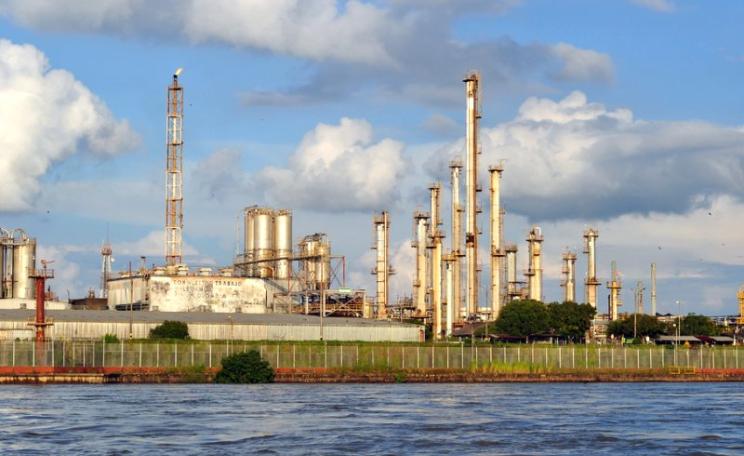
Between 2011 and 2016 the UK's export finance agency UKEF provided £109m to underwrite exports of equipment to coal mines in Russia, writes Lawrence Carter - despite the agency's commitment not to support 'investment in dirty fossil-fuel energy production'. And that's just a fraction of the £6.9 billion UKEF has lavished on the corrupt, polluting sector since 2000, while it was meant to be backing the clean energy technologies of the future.
Since the beginning of the year, increasing efforts by both public and private institutions to reduce their exposure to fossil fuel investments have emerged and over the weekend, UK campaigners further stepped up the pressure in a serious of co-ordinated Global Divestment Mobilisation (GDM) calls for continued divestment. Remo Bebié takes an overview
President Trump's recent executive order could open an area of America's most precious landscapes bigger than Yellowstone to oil drilling and coal mining, write Lawrence Carter & Joe Sandler Clarke. The 27 monuments 'under review' harbour huge volumes of oil, gas and coal: just what's needed to fuel Trump's vision of fossil fuel-led development - never mind the cost to scenery, wildlife, historic sites and indigenous cultures.
Reporting from this month's international climate conference in Bonn - a preliminary to this year's COP23 in November - ARTHUR WYNS explores the glaring conflicts of interests which sees fossil fuel lobbyists in the same room as delegates discussing policy to avert climate catastrophe
Reporting from Bonn where delegates are still waiting to learn whether the US will pull out of the Paris Agreement, JOE WARE warns that if America stays in but by doing so allows the fossil fuel industry to derail progress we'd be better off if Trump pulls out
A crucial component of concrete, sand is vital to the global construction industry, writes Nick Meynen. China alone is importing a billion tonnes of sand a year, and its increasing scarcity is leading to large scale illegal mining and deadly conflicts. With ever more sand fetched from riverbeds, shorelines and sandbanks, roads and bridges are being undermined and beaches eroded. And the world's sand wars are only set to worsen.
The months-old protest at Preston New Road, Lancashire, is no longer just about fracking, writes Mat Hope. This dispute is now about London versus the North. It is about the government failing 'the people' from which it has become detached. It is about people sensing hopelessness and helplessness and trying to find a means to resist. And it is about holding on, steadfast, in spite of it all, knowing this is the forgotten frontline of a far greater struggle.
It's barely mentioned in the election campaign or reported in the media. But a powerful faction of Tory ministers, ex-ministers and backbench MPs are bent on using Brexit to ignite a massive bonfire of 'spirit-crushing' laws on wildlife protection, air and water pollution, pesticides, renewable energy and public health, writes Brendan Montague. At risk are not just EU directives and regulations but even the UK's own Climate Change Act. May's Brexit may not just be hard, but very, very dirty.