A new study explains for the first time how nanoparticles like those in diesel exhaust fumes cause heart disease by lodging in inflamed blood vessels, writes Oliver Tickell. The study, published as the UK government is ordered before the High Court to justify its refusal to publish plans to tackle illegal air pollution which afflicts 38 million people, also raises wider fears about 'engineered nanoparticles' in the environment.
Five international judges say Monsanto's activities have negatively affected individuals, communities and biodiversity, writes Claire Robinson. The Monsanto Tribunal's damning ruling denounces the company's harmful impacts on food sovereignty, agricultural production, access to nutrition, the natural environment, seed diversity, climate change, pollution and traditional cultural practices.
Climate change has species on the move, with major consequences for biodiversity and human communities write TERO MUSTONEN and HANNIBAL RHOADES. Building resilience has never been more important and Indigenous Peoples are showing the way
A Unison survey of UK meat hygiene inspectors found that, last year, 51% of respondents had been the victim of bullying and harassment. One inspector said the situation was so bad he had considered suicide. Campaigning reporter, ANDREW WASLEY investigates
The government / NFU badger culling policy is based on a single study, the Randomised Badger Culling Trials (RBCT), which found that area-wide badger killing reduced TB 'breakdowns' in cattle herds. But a robust reanalysis of the RBCT data reveals that culling is entirely ineffective, writes Tom Langton. The only scientifically valid conclusion is that culling badgers has no effect on TB in cattle. Defra and Natural England must think again!
Nuclear power was originally sold on a lie, writes Dave Elliott. While we were being told it would make electricity 'too cheap to meter', insiders knew it cost at least 50% more than conventional generation. Since then nuclear costs have only risen, while renewable energy prices are on a steep decline. And now the nuclear behemoths are crumbling ... not a moment too soon.
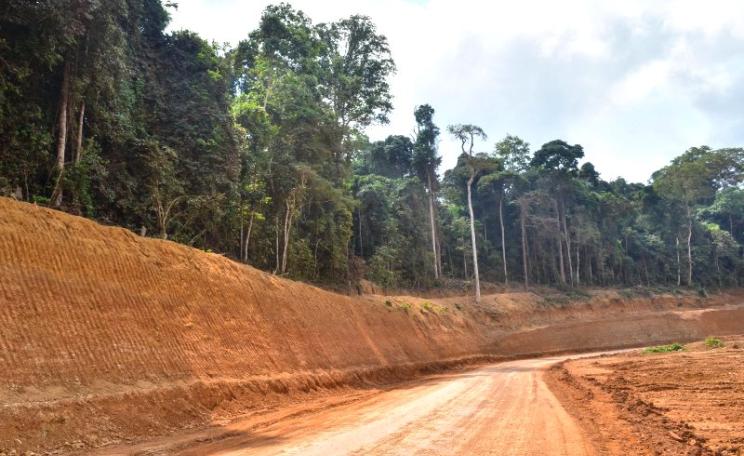
As China pursues a startling array of energy, mining, logging, agricultural, transport and other infrastructure projects on virtually every continent, it is having an unprecedented impact on the planet, writes William Laurance. It's not that China is any worse than historic colonial powers - the difference is in the sheer scale and pace of environmental destruction, and the total lack of oversight under which Chinese mega-corporations operate.
British firms lie deep at the heart of the Dakota Access Pipeline controversy, writes Amy Hall. Barclays, HSBC and the Royal Bank of Scotland have lent $800m to Energy Transfer Partners and its subsidaries, London-based Commercial Bank of China has loaned $120m, and RBS $250m, while HSBC and Barclays own over $110m worth of shares in project partner Phillips 66.
Information from Colombia's National Hydrocarbons Agency shows that at least 43 new fracking concessions have been handed out to multinational companies including Exxon Mobil, ConocoPhillips and Drummond. These concessions affect over three hundred municipalities, in the departments of Cesar, Santander, Boyacá, Cundinamarca and Tolima. SEBASTIAN ORDOñEZ and DANIEL MACMILLEN VOSKOBOYNIK report.
The Conservation Optimism Summit, (taking place on 20th-22nd April), is gathering together some of the biggest names in conservation to share the oft-neglected triumphs. Stories of mass reforestation and renewable technologies might not get a look-in on the front pages, but they constitute a breath of fresh air writes MARCUS NIELD
The Indigenous Peoples of Standing Rock are by no means alone in their struggle for the recognition and preservation of their native lands: a very similar story of resistance against oil extraction is taking place further south, and has been going on for almost half a century, namely the fight of the Indigenous people of the Peruvian Amazon against oil pollution and oppression, writes biologist ARTHUR WYNS
Ten villages and surrounding farmland have already been wiped from the map for a 50 sq.km airport and surrounding 'aeropolis' or airport city in West Java, Indonesia, writes Rose Bridger. And while investors are offered an 'attractive incentives plan', villagers are subject to fierce state repression and brutality. Now only a single village remains standing, but residents continue to resist eviction and demand an end to the project.
Advocates claim that synthetic biology and the so-called New Breeding Techniques (NBTs) are distinct from genetic engineering (GE), write Helena Paul, Elisabeth Bücking & Ricarda Steinbrecher. In fact synthetic biology and NBTs carry similar risks to old-style GE, and even create novel hazards. The 'new GE' techniques - as they should be named - and their products deserve regulation at least as strict as those applying to GMOs.
Reflecting on the take home messages from the weekend's UK Green Party conference ELIZABETH WAINWRIGHT says she was listening to a party seeking out new spaces for us to come together - to create a new vision and make it reality
Venezuela is set to hand over 12% of the nation's territory in the upper reaches of the Amazon rainforest to mining corporations, writes Lucio Marcello, with 150 companies from 35 countries poised to devastate the army-controlled 'special economic zone'. But resistance is growing, and a counter-proposal aims to protect the area's precious biodiversity, indigenous cultures and water resources in a new South Orinoco Mega Reserve.
This year's prestigious Leontief Prize for economics has been awarded to Professors James Boyce and Joan Martinez-Alier for their ground-breaking theoretical and applied work integrating ecological, developmental, and justice-oriented approaches into the field of economics. They are worthy winners, says NICK MEYNEN
We may know that palm oil is wiping out rainforests worldwide, writes Philip Lymbery. But few realise that our factory farmed meat and dairy are contributing to the problem. As revealed in Philip's new book, 'Dead Zone: Where the Wild Things Were', palm kernels, left after pressing the fruit for oil, is a protein-rich livestock feed of growing importance. And nowhere is the impact greater than Sumatra, home (for now) to its own unique species of elephant.
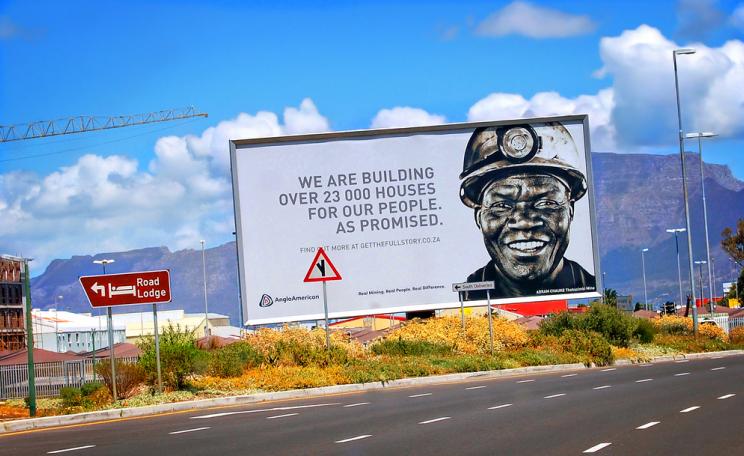
The South African government is currently embarking on streamlining decision-making processes in mining. To many this sounds like more top-down decision-making at the expense of those communities that will have to host mines and paves the way for more violent conflict, warns JASPER FINKELDEY
Over 90% of major armed conflicts between 1950-2000 occurred in countries containing biodiversity hotspots,writes Alex Reid, and more than 80% of these took place in the hotspot areas themselves. This poses a major challenge to the conservation community: to work in combat zones to strengthen environmental protection before, during and after conflicts. Or better still, to defuse incipient conflicts and resolve those under way, to reduce their toll on people, and nature.
World Bank projects have left a worldwide trail of evictions, displacements, rapes, murders, forest destruction, greenhouse-gas-belching fossil fuel projects, and destruction of farmland and water sources, writes Pete Dolack. But even as internal reports admit the Bank's wrongdoing, it is asserting its immunity from legal action as terrorised communities seek redress in the courts.
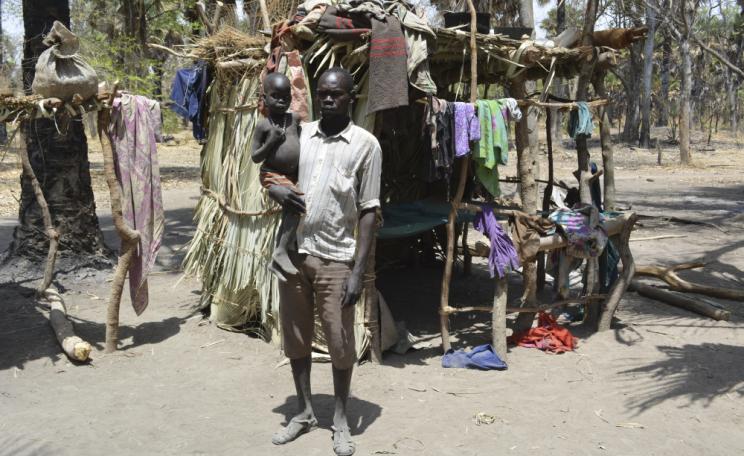
The world is seeing the human cost of climate disruption playing out across the Horn of Africa. Severe droughts, erratic rainfall and rising temperatures have tipped nations towards famine and left communities fighting for survival. But it's also a man-made crisis and one that we can address both in the short and long term reports JOE WARE
Growing coffee is both a point of pride and a significant economic driver for Colombia but a changing climate is now threatening the harvest. FOREST RAY reports on the new challenges facing growers from that country
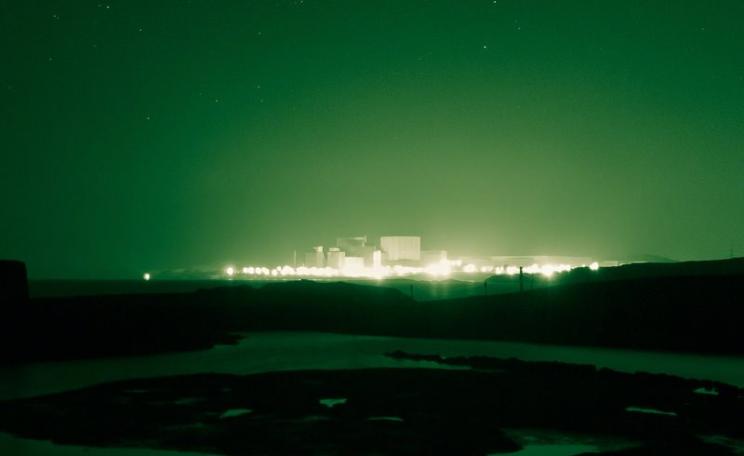
The discovery of a tiny but deadly radioactive 'hot particle' in mud from the Esk estuary near Sellafield has highlighted the dangers the nuclear site poses to residents and visitors, writes Chris Busby. Independent measures of radiation show far higher levels that those of regulators, similar to readings in the Chernobyl and Fukushima exclusion zones. Local villages should be evacuated.
Ecologist reporter MAXINE NEWLANDS sat down with the world's leading coral reef expert, distinguished Professor Terry Hughes FAA, Director of the Australian Research Council Centre of Excellence for Integrated Coral Reef Studies, (ARCCOE) at James Cook University and asked him directly what are the chances for the Reefs' survival?