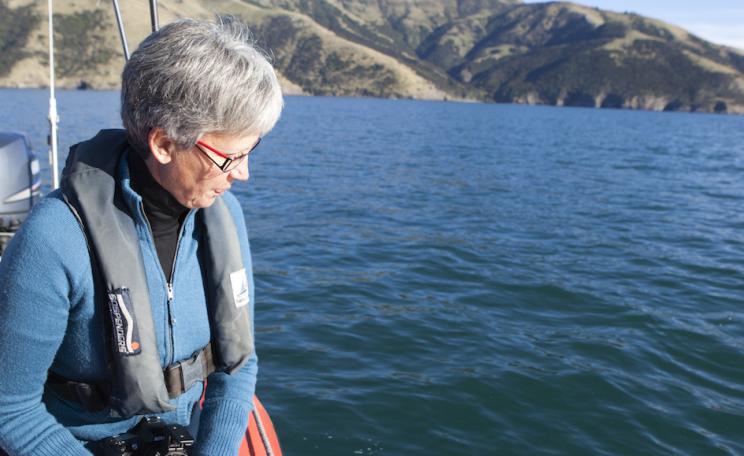
New Zealand's Maui dolphin, the world's smallest, is headed to extinction after a half-century of lethal encounters with fishermen's nets. Even as government-funded scientists detail its decline and opposition Labour and Greens call for net bans - which opinion polls show most Kiwis support - the ruling National Party, headed by a fishing magnate, denies there is any problem. CHRISTOPHER PALA reports ...
New Zealand's "Clean and Green" image has been tarnished by revelations that senior officials covered up massive waste and fraud in its fisheries even as they claimed that the country neo-liberal management scheme was a world leader. Amazingly, some still do.
CHRISTOPHER PALA reports
Post Brexit, get ready for a massive attack on our liberty, especially on the right to protest, writes Paul Mobbs. With the UK likely to secede from the European Convention on Human Rights, prepare for a new empowerment of police to act with impunity against peaceful activists. We must be ready to stand up, with honour and dignity, for our ancient British right to dissent.
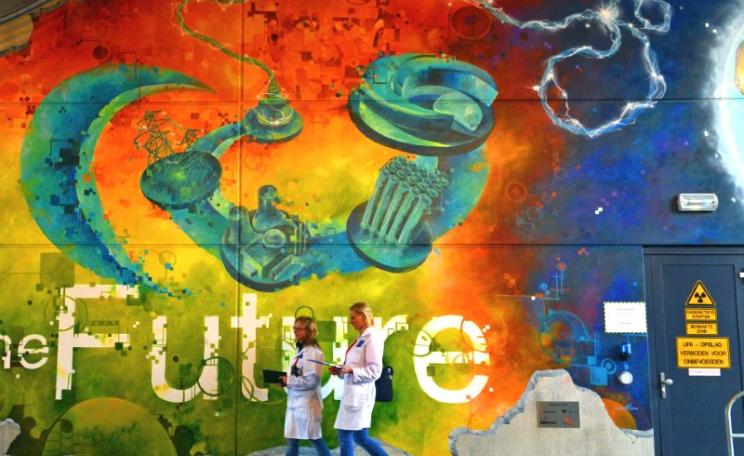
With the sixth anniversary of the Fukushima disaster falling tomorrow, nuclear lobbyists are arguing over solutions to the existential crisis facing nuclear power, writes Jim Green. Some favour a multinational consolidation of large conventional reactor designs, while others back technological innovation and 'small modular reactors'. But in truth, both approaches are doomed to failure.
The 2011 Fukushima catastrophe is an ongoing disaster whose end only gets more remote as time passes. The government is desperate to get evacuees back into their homes for the 2020 Tokyo Olympics, but the problems on the ground, and in the breached reactor vessels, are only getting more serious and costly, as unbelievable volumes of radiation contaminate land, air and ocean.
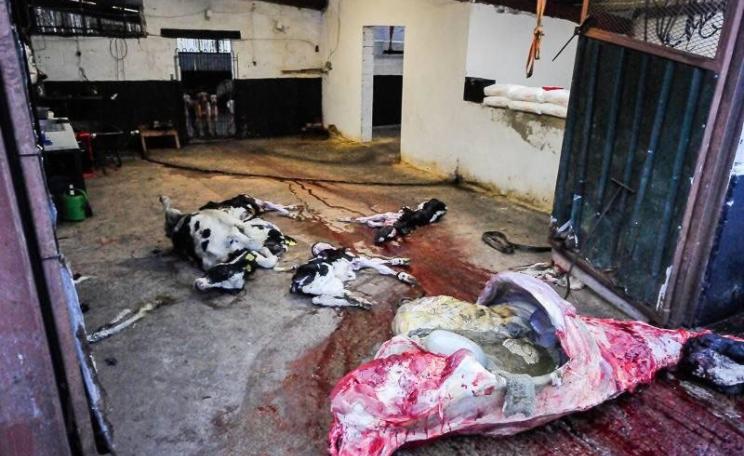
The news that the Kimblewick Hunt's hounds are infested with bovine TB has come as a shock to farmers and hunters, writes Lesley Docksey. But it's no surprise to campaigners against the badger cull, who have long complained about poor farm hygiene and the feeding by hunts of disease-ridden 'fallen cattle' carcasses to foxhounds - never mind that the cattle are likely bTB carriers!
It's not often that something comes along that tackles climate change, protects Amazonian biodiversity, saves money, benefits forest communities and empowers women. But in Bolivia, something as simple as a solar oven is doing just that. JOE WARE reports
Communities across Papua New Guinea oppose the theft of their land for logging and palm oil operations made possible by the corrupt practices of local officials and foreign companies.
FRÉDÉRIC MOUSSEAU reports
Ecuador's 'socialist' President Correa has unleashed a wave of repression at Andean communities seeking to protect their lands, forests and nature from open pit mining, writes Carlos Zorrilla. With most of biodiversity-rich Intag region conceded to international mining companies, the mood is one of rising fear and desperation in the countdown to next month's election.
The not-for-profit Resurgence Trust has owned and run The Ecologist website since 2012. Since then, we have maintained this site as a free service to an international community that shares our agenda of seeking positive solutions to the challenges of environment, social justice and ethical living. Help us to keep doing this by joining the Trust or making a donation today
March 8 is World Women Day, but today (March 3) there's another good reason to reflect on the role of women in society, write CAMILLA ROLANDO MAZZUCA & BROTOTI ROY. On this day last year the awarded environmental activist Berta Caceres was killed
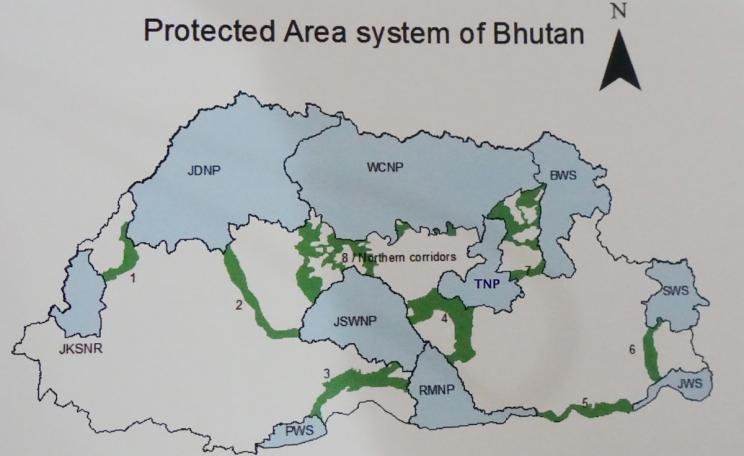
Bhutan is well on its way to becoming the greenest nation on the planet. In his Special Report for the Ecologist, photojournalist MICHAEL BUCKLEY explores the reasons why the country's ecosystems and dazzling biodiversity remain intact - and highlights the one thing that threatens this admirable integrity...
They promote GMOs, defend toxic chemicals, and attack people who raise concerns about those products as 'anti-science'. But behind the slick 'astroturf' PR fronts lurk some very dubious funders: the same arch-conservative foundations that finance climate science denial. Stacy Malkan exposes the key players in the agribusiness and chemical industry propaganda wars.
We know the outcome of Defra's latest 'public consultation' on killing badgers long before the results have even been analysed, writes Lesley Docksey. Environment secretary Andrea Leadsom has already promised farmers to extend the cull 'even further' - although it brings no proven benefits. Welcome to the new world of 'alternative facts' that's driving UK government policy.
The UK's inability to import radio-isotopes for cancer therapy is just the latest outcome of the UK's decision to leave EURATOM to hit the headlines, writes Pete Roche. It may also put a brake on the UK's plans to build new nuclear plants, and import and export nuclear fuel and wastes. The UK's exit from the treaty, as a strongly pro-nuclear state, could also mark an EU-wide anti-nuclear swing.
Donald Trump's scheme to rebuild US infrastructure could be among the world's greatest ever financial heists, writes Pete Dolack. He has chosen the most expensive, anti-democratic way to do the job, through the mass privatization of priceless public assets - sticking users and taxpayers for exorbitant charges for decades to come, while banks and speculators reap the profits.
Believers in the possibility of a better civilization, one rooted in increasing co-operation and harmony, find ourselves in a world where demagogues are empowered to bring about the polar opposite, writes Jeremy Leggett. A new despotism rooted in isolationist nationalism and conflict is gaining strength. The battle is not lost: but first we must understand the dangers.
Depleted uranium (DU) munitions may not be regulated but their severe long term health impacts mean they should be, writes Doug Weir. So why did 'Coalition' forces fire 5,265 armour-piercing DU rounds on IS fuel convoys in Syria? When non-DU munitions would have done the job just as well? Just because they knew they would never be held to account? All the more reason to act now!
All but one of the candidates in next week's Copeland by-election are backing a massive new nuclear power station in the constituency that would cost us tens of billions of pounds. Only the Green Party's Jack Lenox is resisting the spin, hypocrisy and outright lies that his rivals have swallowed whole. Here he explains why this risky, unaffordable white elephant must be scrapped.
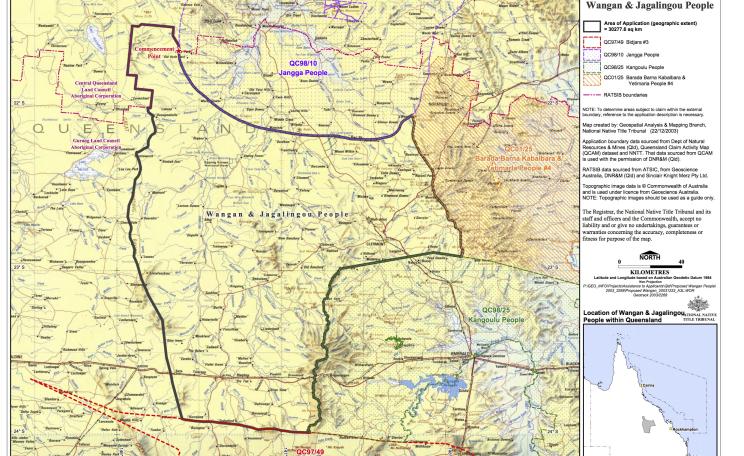
Indigenous elders from the Wangan and Jagalingou (W&J) people have put mining company Adani - and Australia's governments - on notice to quit the Carmichael mine project over native title claims. MAXINE NEWLANDS reports
Whatever people were voting for when they elected President Donald Trump, very few were seeking to remove the already scant protections afforded to dogs and puppies kept in unregulated 'factory farm' breeding sheds, writes JP Sottile. But that's the effect of the deregulatory whirlwind that's hit USDA: more profit for the animal abusers, and more suffering for the animals.
Letters from an EPA toxicologist to the EPA official in charge of assessing whether glyphosate, the active ingredient of Monsanto's Roundup herbicide, causes cancer, reveal accusations of 'staff intimidation' and 'political conniving games with the science' to favour pesticide corporations, writes Carey Gillam. Could this be a game-changer for cancer-suffering plaintiffs?
Where are the places you hold most dear? According to a new report from the Climate Coalition - published to coincide with Valentine's Day - they may already be under threat from climate change which is closer to home than you might think. JOE WARE reports
At what point are technologies so complex, uncertain, or unmanageable as to be beyond regulation? The question is key to human and ecological health, writes Jonatham Latham. But instead of learning from successful approaches, such as aviation safety, we are throwing the lessons away when faced with truly complex problems - like chemicals, GMOs, and now 'gene drives'.