Colombia is now closer than ever to finding a peaceful resolution to generations of violence. With so much to gain in a post-conflict world - as much for the Colombian people as for their environment - the sudden prospect of losing it all will make for tense months ahead writes FOREST RAY
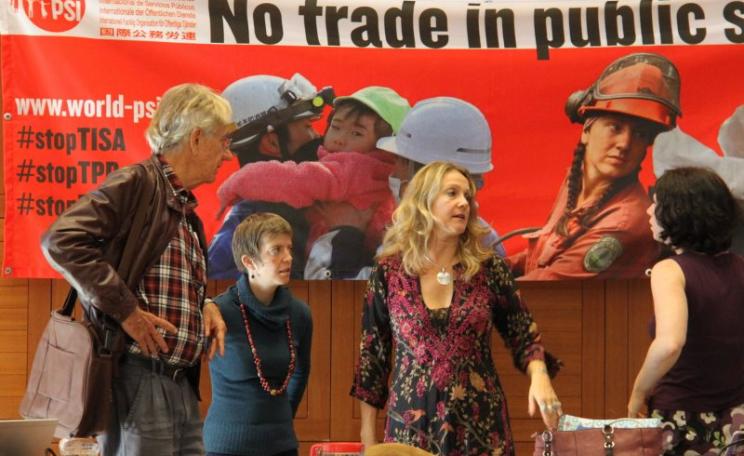
If there's one good thing about Trump, it's that he has put an end to the TPP and TTIP trade deals, right? Don't celebrate yet, writes Pete Dolack. There's another 'trade deal' waiting in the wings, TISA, and negotiators have been busy expanding its remit to include huge parts of TPP and TTIP, while giving free rein to the global behemoths of internet and finance to expand their monopolies.
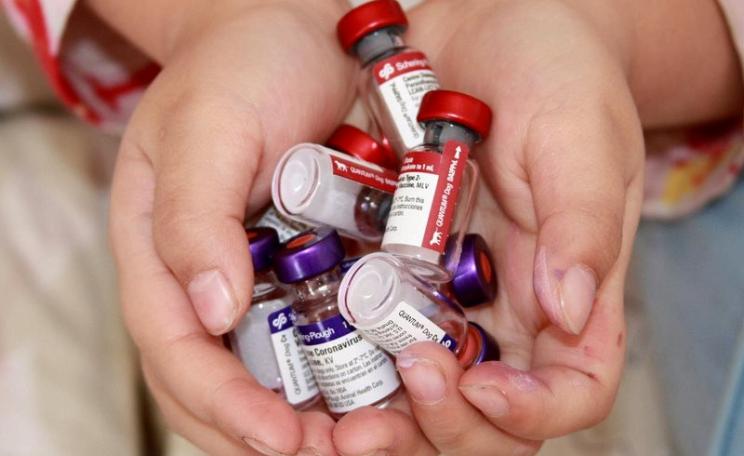
I am pro-vaccine, writes Robert F. Kennedy Jr. I had all of my six children vaccinated. I believe that vaccines save millions of lives. So let me explain why I edited the book 'Thimerosal: Let The Science Speak', which exposes the dangerous and avoidable use of the mercury-based preservative thimerosal in vaccines given to millions of children and pregnant women here and around the world.
The election of President Trump is driving the planet towards oblivion - according to the elite scientific body behind the Doomsday Clock, writes Chris Busby. But isn't Trump's commitment to reduce East-West antagonism and ally with Russia's President Putin against terrorism reducing the risk of nuclear war? So far, Trump is sticking to his promises. Let this one be no exception!
Global nuclear power capacity grew slightly in 2016, writes Jim Green, but it was more a dead cat bounce than the promised 'nuclear renaissance'. The collapse of Toshiba, the direct result of its failing nuclear ventures, is indicative of the crisis faced by nuclear contractors and utilities worldwide. Another sign of the industry's poor outlook: no major commodity had a worse 2016 than uranium.
A Greenpeace investigation has exposed the massive efforts of global food and drink giant Coca Cola to defeat popular proposals to require deposits on single-use plastic bottles, writes Maeve McClenaghan. In fact, deposit schemes are working fine in many countries in which the company operates - it's a simple case of corporate profit before environment, oceans and wildlife.
Removing the natural habitat of Hazel Dormice - one of the UK's most endangered species - is further threatening their existence says a new report from Manchester Metropolitan University. LAURA BRIGGS reports
Reeling from California's decision to ban glyphosate, fearful of 're-evaluation' by EU and US regulators, and facing ruinous cancer claims in federal courts, the US chemical industry are fighting back, writes Carey Gillam. Their key argument: don't trust independent doctors and scientists - trust us! And as they just told a California court, profit must come before people.
Land grabbing has been going on since the mists of time, writes Nikita Sud, and took off like never before under European colonialism. But now 'developing' countries are also getting in on the act - notably China, an economic superpower in its own right, as it ruthlessly, and often corruptly, expands its global land holdings at the expense of nature and small scale farmers.
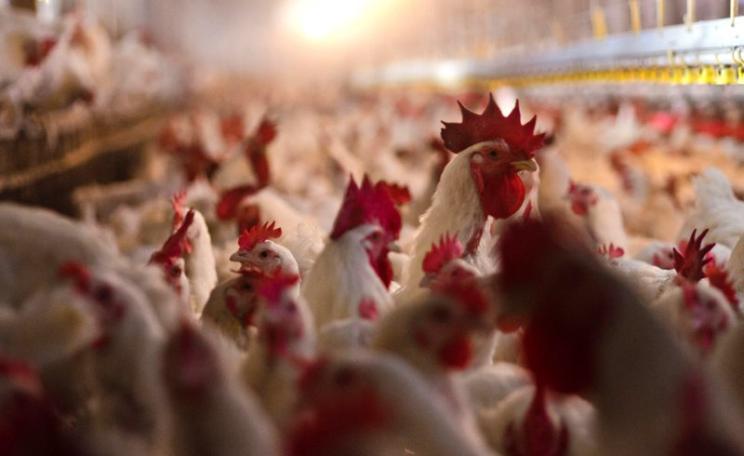
As deadly H5Nx bird flu strains diversify in giant, fast-rotation flocks and and adapt to poultry that tens of thousands of human handlers care for and process every day, the emergence of a deadly human-specific flu becomes ever more likely, writes Robert G. Wallace. The industry can no longer blame wild birds for the problems it is creating - and must urgently reform its own practices.
Ultimately the UK Government's new industrial strategy has the potential to use government investment to shift the country in the right direction for the environment. But we need more than just ‘public money,' we need the public's money too writes JOE WARE
President Trump comes into office determined to discard huge swathes of his predecessor's legacy on day one, writes Mark Barteau. But he will struggle to undo Obama's clean energy regulations. It's not just that they are legally robust, it's also that energy markets in the US and the wider world have shifted firmly, and irreversibly, towards efficiency and renewables. Sorry, Mr Trump.
On 10 January 2017 a new emergency plan was presented in a commission in Belgium's Parliament. The evacuation perimeter was conveniently halved to 10km to avoid an evacuation of Belgium's second and third cities in case of a meltdown. The plan has been called totally inadequate. NICK MEYNEN reports
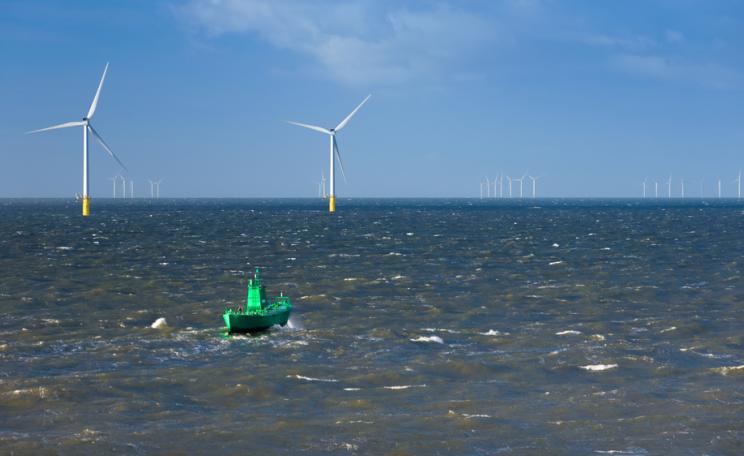
The nuclear industry faces an uncertain future as the reactor building boom is struck by unexpected costs, serious technical problems, and long, expensive delays, writes Paul Brown. Meanwhile renewables like wind and solar are offering investors an enviable combination of falling cost, low risk, fast build times, predictable returns and minimal long term liabilities.
The loss of birds could significantly impact efforts to combat deforestation, according to research from scientists looking at species across the Brazilian Amazon. LAURA BRIGGS reports
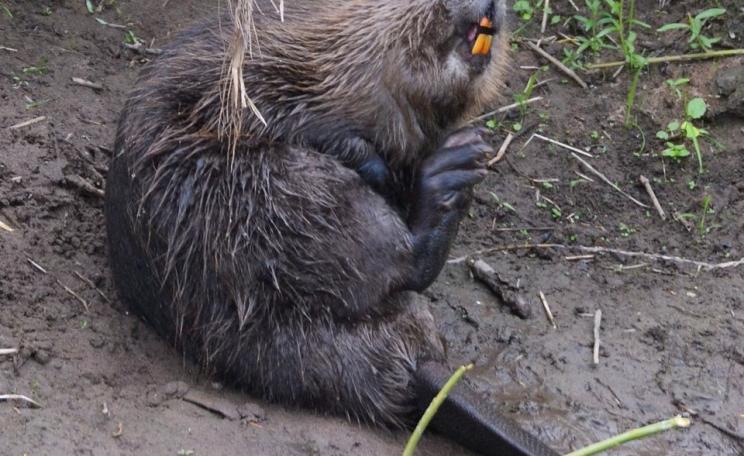
In 2020 the fate of Devon's River Otter wild beavers will be decided. With Chris Packham backing the campaign to save the species and the protection of beavers into Scotland recently getting the go-ahead, the outlook is bright for the species.LAURA BRIGGS reports
As Kraków, Poland's second city, takes steps to protect its citizens from rising electromagnetic 'smog' from mobile phones, wifi, Bluetooth, smart meters and other devices, Lynne Wycherley summarises 2016's news highlights on the emerging bio-risks of rising exposure to non-ionisiong radiation. For how much longer can governments continue to ignore the growing evidence of harm?
EU-Canada trade deal CETA, like its more well-known ‘evil twin' deal, TTIP, is a new form of trade deal which targets the removal of social, health and environmental regulations, locks in privatisation of public services and introduces a ‘corporate court' system so big business across North America can sue European governments in a private justice system. Worse still, CETA will worsen runaway climate change warns MARK DEARN
Back in the 1990s Scotts Miracle-Gro worked out a cunning plan, writes Jeff Manning: to make a fortune from a GMO grass seed for golf courses that survived the Roundup herbicide. But after investing $100 million in the project, it has never sold a single seed. And now the GMO is spreading from test plantings in Idaho, and threatening Oregon's $1 billion hay and grass seed industry.
Cutting-edge molecular profiling analyses reveal that the popular weedkiller Roundup causes serious liver damage to rats at low doses permitted by regulators, reports Claire Robinson. The findings suggest that residues of glyphosate-based herbicides in food could be linked to rises in the incidence of non-alcoholic fatty liver disease, obesity, diabetes and 'metabolic syndrome'.
Leaving the EU provides a "once in a lifetime opportunity" for England to change the way its land is managed so that nature, the environment, and society are better off according to a new report by the UK charity People Need Nature which is published to coincide with this week's Oxford Real Farming Conference. KATHRYN HINDESS reports
On the day Obama bans Artic Offshore Drilling, RUPERT READ predicts a 'volte face' by the climate-change-denying President Elect, Donald Trump. But if this were to happen, would it make things better or worse?
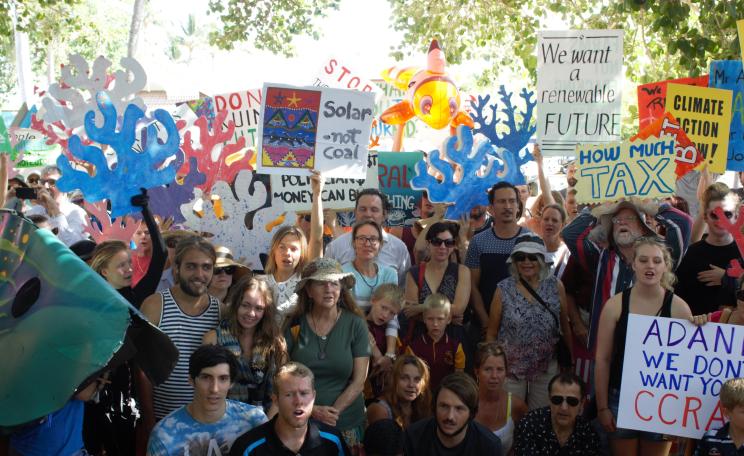
Australian politicians are putting the Great Barrier Reef at risk by approving one of the world's largest coal mines, say activists and marine scientists. MAXINE NEWLANDS reports
What kind of companies is the European Central Bank supporting by buying €46 billion of their bonds under its QE programme? Research by Corporate Europe Observatory reveals a strong preference for oil, gas, tar sands, dirty power generation, armaments, aviation, airports, car makers, motorways, luxury goods and gambling. Our sustainable be future be damned!