The plight of Kenya's Sengwer people shows that carbon offsets generated by 'sustainable' forest management are empowering a corporate recolonisation of the South backed by the World Bank against its own guidelines, writes Nafeez Ahmed. Indigenous forest peoples are at risk of genocide while corporations let rip.
Hawaii's salt-water aquarium trade is lucrative - but depends on the constant, scarcely regulated collection of wild fish, writes Elizabeth Claire Alberts. With 98% of fish in the trade taken from the wild, and high mortality rates from the moment of collection, Hawaii's coral reefs are experiencing a daily massacre.
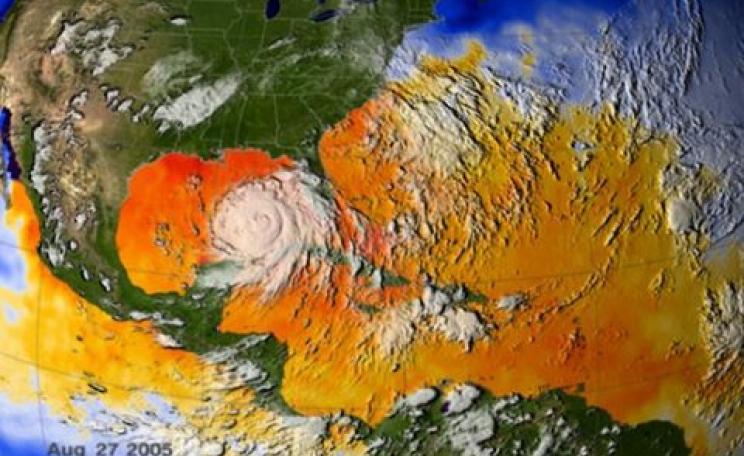
Data collected by the WMO shows there were almost five times as many weather- related disasters in the first decade of this century than in the 1970s, writes Chris Rose. Hurricane Katrina in 2005 was the most expensive ever, costing $147 billion.
Russia has announced that it will build the first thermal nuclear power station in Kazakhstan, the world's largest uranium producer, writes Komila Nabiyeva. But where in that vast country will it be located? Who will own and operate it? How many reactors are planned? Who will get the power? And will it ever actually happen?
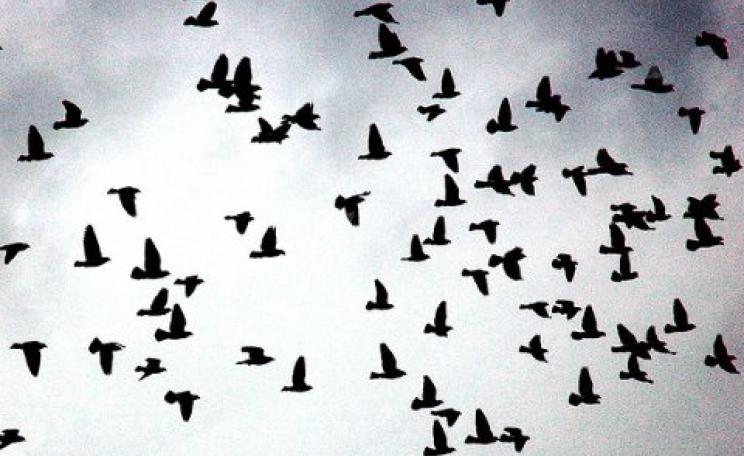
Airports around the world are waging a war on birds, writes Rose Bridger. It's meant to prevent aircraft bird strikes. But in fact, fatal (for people) collisions are rare - and even killing thousands of birds does little to reduce the number of strikes. Best fly less, and keep airports away from birds!
Avon & Somerset police say that National Farmers Union and cull company representatives will be excluded from the control room in the 2014 cull. Their presence in control rooms in the 2013 cull caused a major loss of public confidence in the policing operation.
The FCA is accused of undermining official policy by refusing new applications for community energy projects with a co-operative structure, writes Adam Vaughan. The key question: what is a bona fide co-op? Is investment alone a valid form of participation?
A second canal joining the Pacific and Atlantic oceans is planned for Nicaragua, writes Nathan Wood. But the gigantic project is raising growing fears due to a grossly unfair contract, glaring failures of process, close links to the Chinese government, and its enormous - but uncosted - ecological impacts.
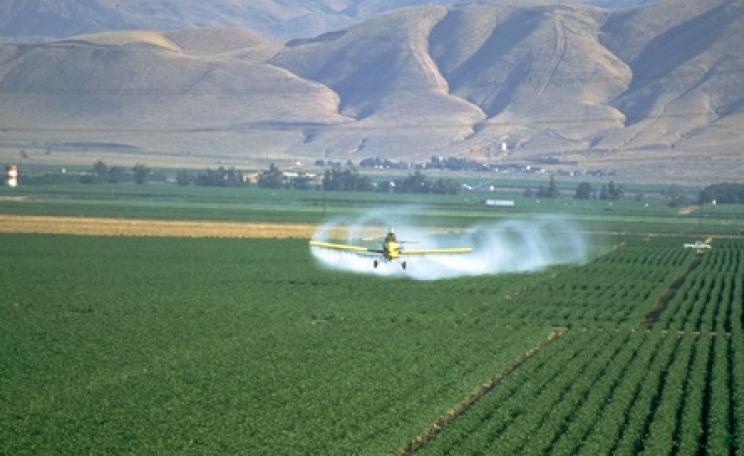
The US is poised to 'deregulate' GMO corn, soybean and cotton varieties resistant to the herbicides 2,4-D and dicamba. The result will be a big increase in the use of those herbicides, as high as 600%. Only a huge public outcry can now stop the GMO-herbicide juggernaut.
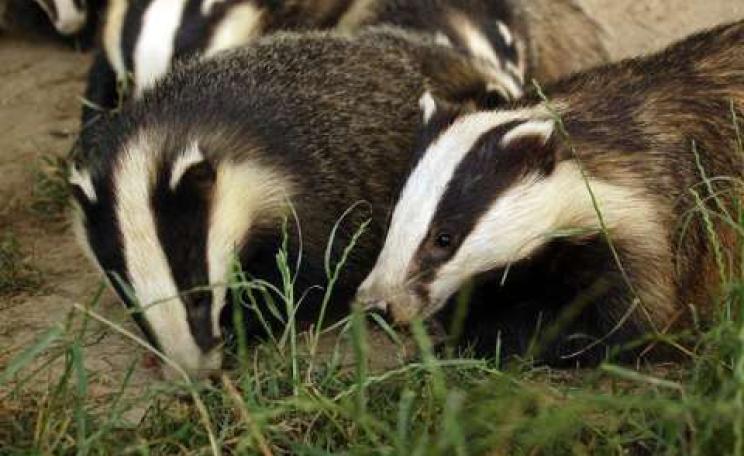
New revelations show that the rifle-wielding badger cullers were often acting criminally, writes Lesley Docksey - pursuing badgers with loaded weapons on both private and public land outside licenced areas, with impunity, while the IEP was apparently kept in the dark. Strict controls are essential - or just an end to the cull.
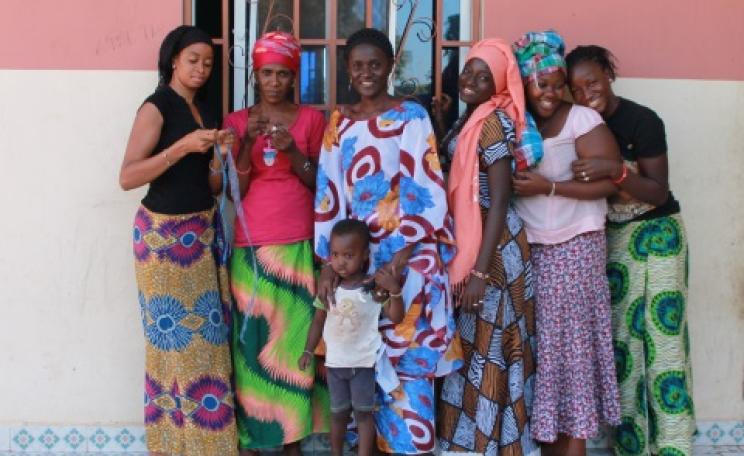
Plastic waste, often burning, is a constant companion in Gambia, a poor country where few enjoy formal rubbish collection, writes Louise Hunt. Now a pioneering project to upcycle waste plastic is beginning to tackle the problem - and in the process enhancing women's social and economic status.
India's economy is hindered by the lack of sustainable and reliable electricity, writes Michael Jacob. But the new government has a plan to bring 24/7 power to every citizen, based on grid renewal, subsidy cuts, and a big rollout of ever-cheaper solar power generation.
As the warring parties fight for control for Donetsk, the country's biggest chemical plant has come under fire, with missiles landing close to pipelines and storage tanks. If released, toxic nitrochlorobenzene could cause widespread death.
An earless species of monitor lizard from Borneo has suddenly erupted into the international trade among pet keepers and reptile collectors. Although it is protected within its range, there are no restrictions on international trade in the species. An urgent CITES listing is desperately needed!
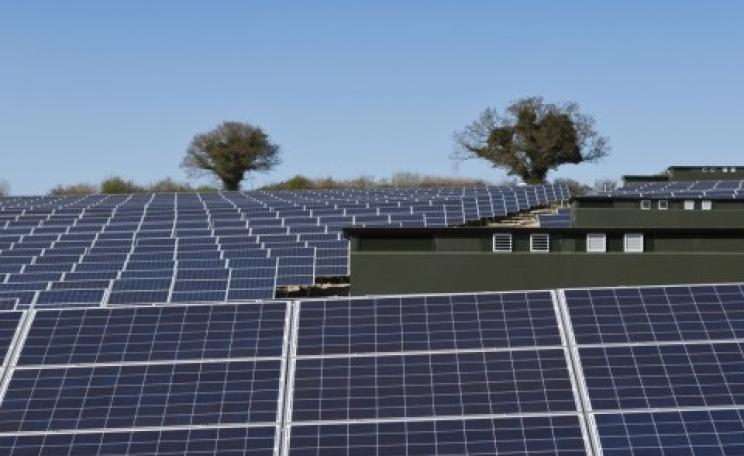
Four large solar firms are suing the British Government over its decision to end support for 'farm scale' solar generators of 5MW or more. The move reflects ministerial concern about the success of the UK's fast growing solar power sector.
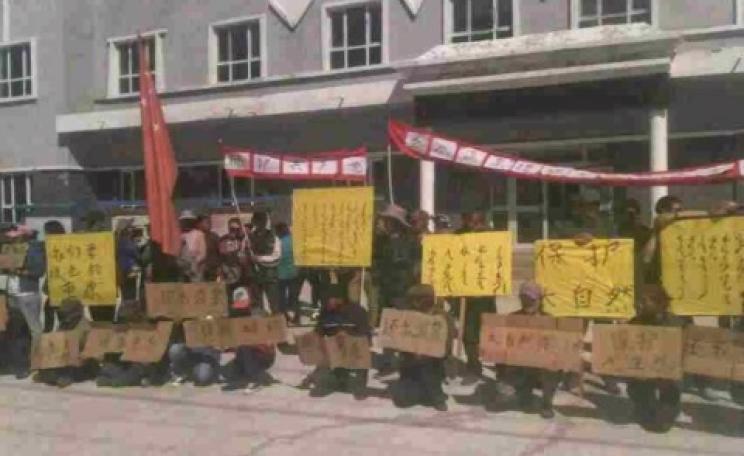
In China's remote Mongolian region, indigenous herders are being forced from their traditional pastures to make way for roads and vast mining projects. Last week they held a public demonstration - but it was immediately dispersed with ten arrests.
Last week the Upper Tribunal of the Royal Courts of Justice ordered Defra to release key information about the badger cull based on a 'public interest' argument, writes Lesley Docksey. Could this judgment open a new era of transparent and accountable government?
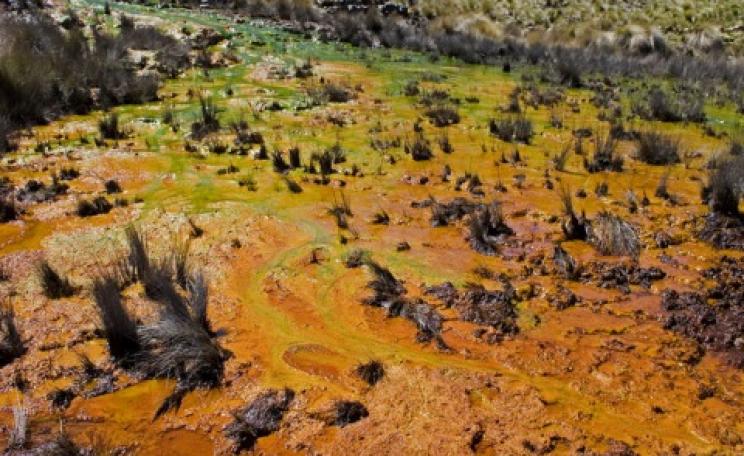
If the state does not defend citizens against the violence and destruction of mining, people and communities must defend themselves, writes Raul Zibechi. And in Peru and Colombia that's exactly what they are doing, re-asserting indigenous control of the land and its resources.
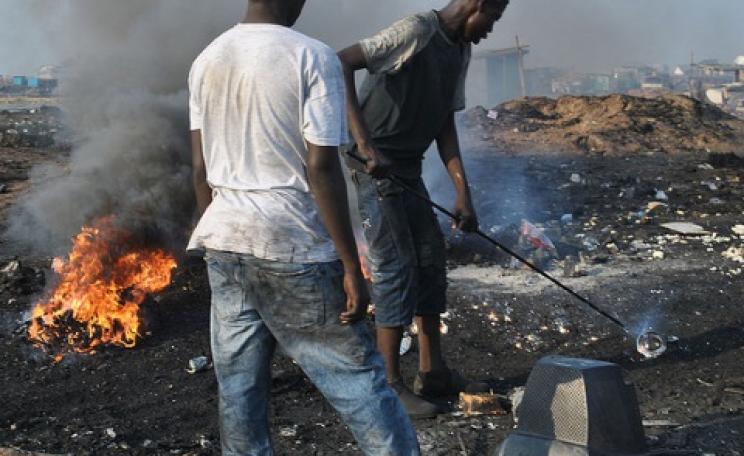
Attempts to recycle E-waste and donations of old electronic devices are harming poor people's health and devastating the environment, writes Nele Goutier. Agbogbloshie, once an idyllic landscape of wetlands and small farms, is now the most toxic place in the world ...
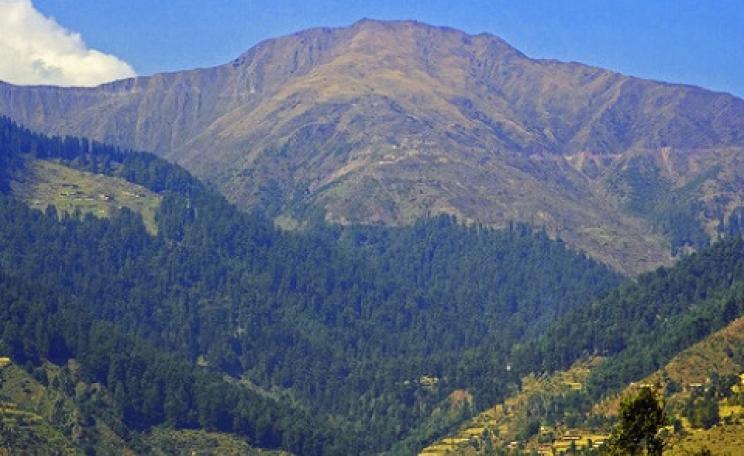
Pakistan is already experiencing a pattern of devastating flood and drought brought on by climate change and deforestation, say the country's top climate scientists. Yet the government has failed to either tackle the problems, or prepare for future disasters.
Missouri voters have narrowly passed a 'right to farm' amendment to the state constitution. But small farmers already enjoy such rights, writes Ben Whitford. The beneficiaries will be industrial-scale corporate producers who now have a legal shield against regulation on GMOs, pollution, animal welfare and health standards - and, of course, the lawyers.
Plans to crack down on endocrine disruptors and illegal timber were buried by the outgoing President of the European Commission, José Manuel Barroso and his secretary-general Catherine Day - while undermining action on climate, renewables and energy efficiency.
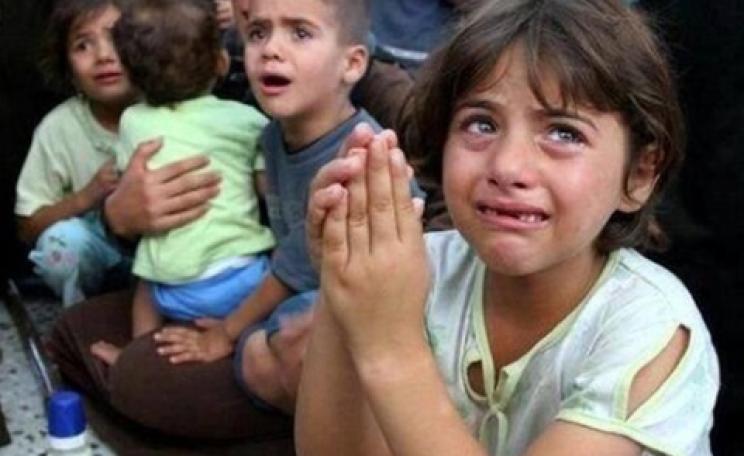
As Israel violates its own 'ceasefire' to murder yet another child in Gaza City, the poet Heathcote Williams delves into aspects of Israel, Palestine and the lethal war now under way that rarely surface in the mainstream discourse - and amid the horror, cruelty and rising tide of fascism, finds grounds for long term hope.
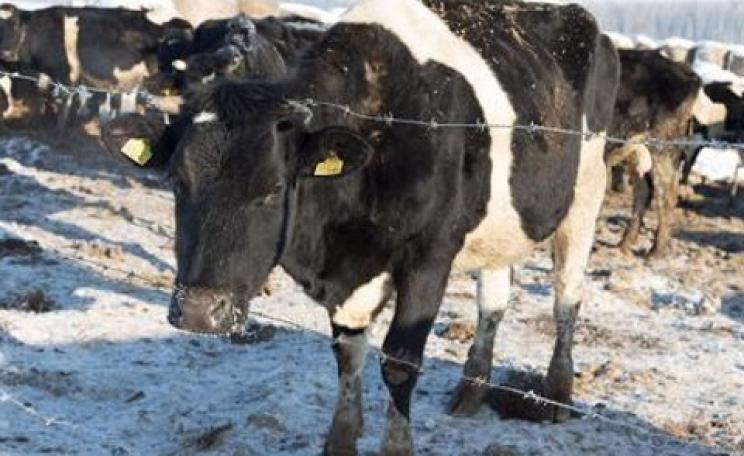
New regulations on animal slaughter are in force across Russia, writes Georgy Borodyansky, with devastating effects on small farmers and consumers, who face a three-fold hike in the price of meat. Will the 'health and safety' madness destroy Russia's main producers of wholesome food?