Ten years after promises of 'no mining' in Botswana's Central Kalahari Game Reserve, a $5 billion diamond mine opens a few miles from a Bushman village. Elsewhere in the Reserve, fracking is under way. And President Ian Khama, a director of Conservation International, denounces the Bushmen as 'poachers' and evicts them from their land.
The UK's Advertising Standards Authority has ordered the withdrawal of an ad extolling the virtues of fracking, ruling that it is misleading, exaggerating, and lacks substantiation. In the process it has undermined the Government's entire case for fracking in the UK.
Agricultural pests - viruses, bacteria, fungi, blights, mildews, rusts, beetles, nematodes, flies, mites, spiders and caterpillars - are spreading thanks to trade, travel and global warming, writes Tim Radford. The world faces a dire future of increased crop losses and growing insecurity.
Thanks to Andy Hall's investigations of abuses of migrant workers in Thailand's fish and pineapple industries, a criminal trial begins today in Bangkok - his own. He faces eight years in prison and a $10 million fine for exposing their crimes in a devastating report that has inspired international action against the companies involved.
The Danish Navy has just supported the annual 'grind' cetacean slaughter on the Faroe Islands, seizing three boats used by Sea Shepherd to obstruct the hunt, and detaining their crew. The move enabled whale hunters to slaughter an entire pod of 33 pilot whales.
Big Sugar is the new Big Tobacco, writes Alan Farago - lethal to human health, wreaking environmental devastation, gouging huge public subsidies, and with the political clout to stop First Lady Michelle Obama from breathing a word against it. Only an alliance of 'green', health and taxpayer campaigners can kill the beast.
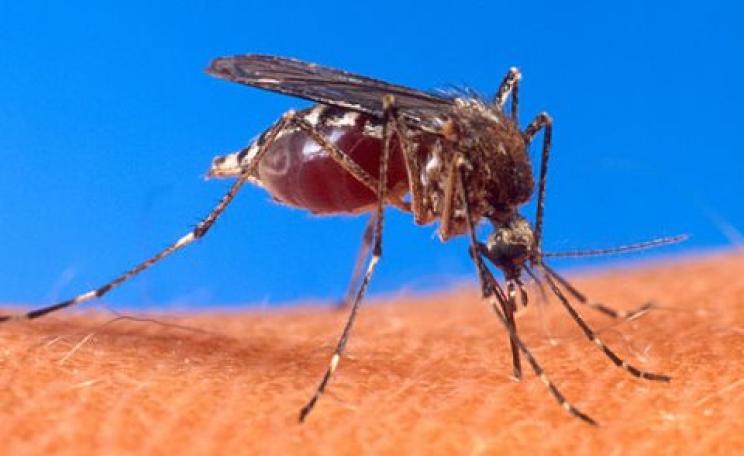
As greenhouse gases raise temperatures in Europe, writes Tim Radford, British researchers warn that the risk is increasing of the arrival of dengue fever and other mosquito-borne killer tropical diseases.
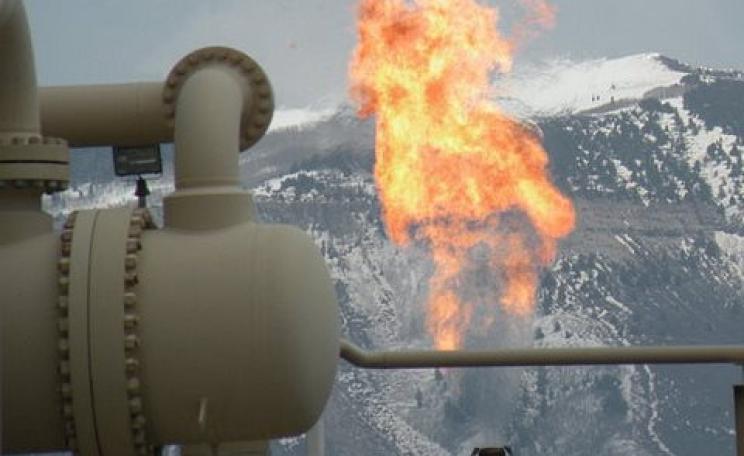
Natural gas is widely touted as a 'green fuel'. But as Paul Thacker found in Colorado, fracking's national 'ground zero', it's anything but. Lives and health are being ruined by pollution from taxpayer-subsidized gas wells, flaring and refining plants, while property values collapse. Now a mass of environmental refugees are fleeing the ravaged state.
Two innovative renewable energy projects are moving forward in Scotland: Britain's first tidal power array, and the world's first deployment of two-bladed wind offshore turbines. The experimental technologies are hoped to achieve significant cost savings and unlock a huge offshore energy resource.
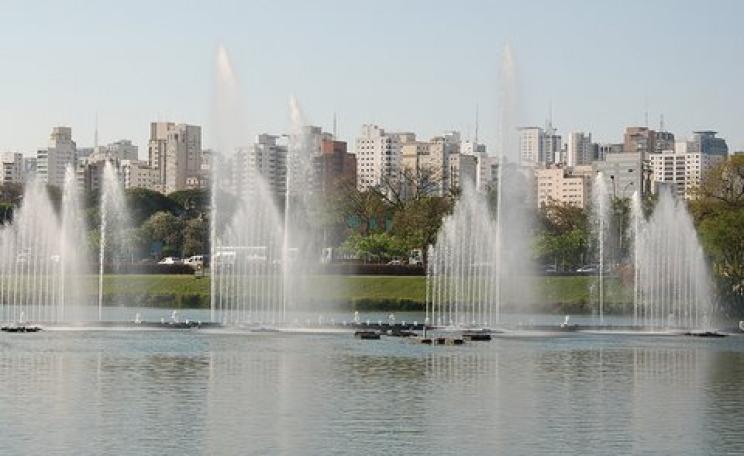
São Paulo, South America's biggest city, is suffering its worst drought in over a century, writes Jan Rocha, with rivers and reservoirs running dry. But the state's politicians are seeking re-election. And for them, it's as if nothing is happening - never mind that water and power cuts affecting millions are looking inevitable.
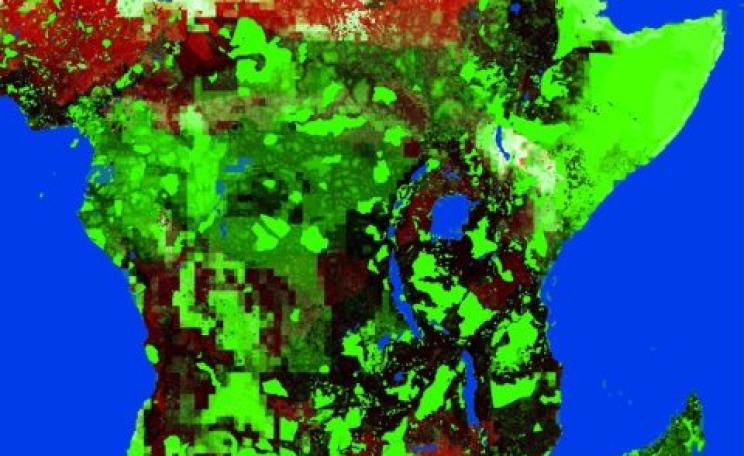
Roads are responsible for massive environmental damage around the world, writes Bill Laurance - yet they also bring huge benefits. His solution? A new atlas that shows where the 'goods' of roads outweigh the 'bads', so that developing countries can harness the prosperity new roads can bring, without the destruction.
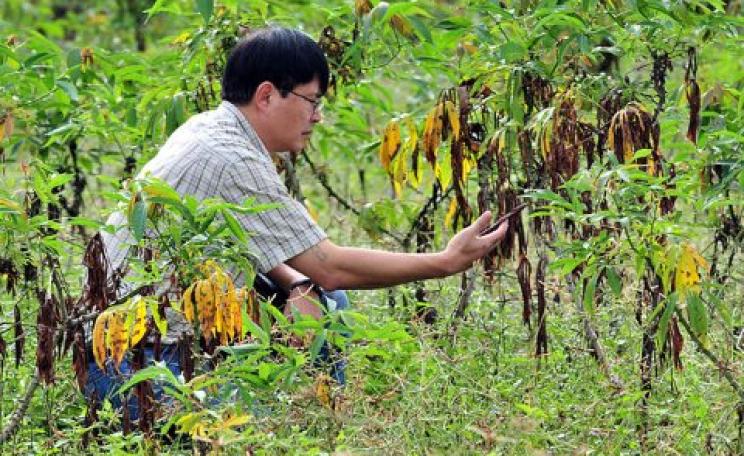
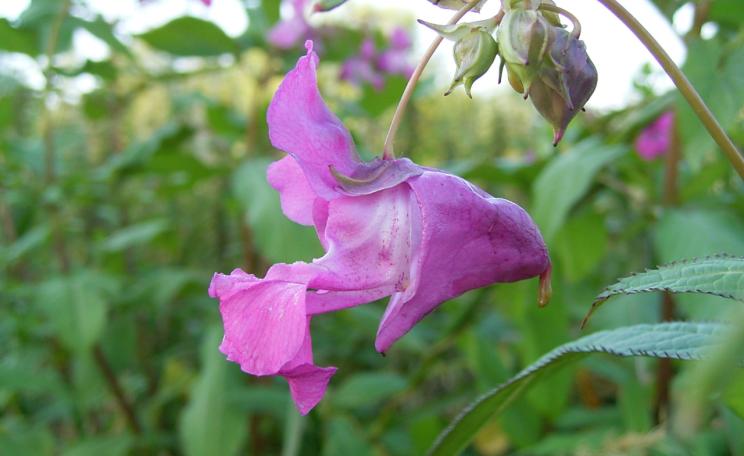
Even if you love Himalayan balsam, it has surely become too much of a good thing as it takes over Britain's wetlands and riverbanks. But now it's facing a major setback - the deliberate introduction of a parasitic rust fungus from its native range in the mountains of Asia.
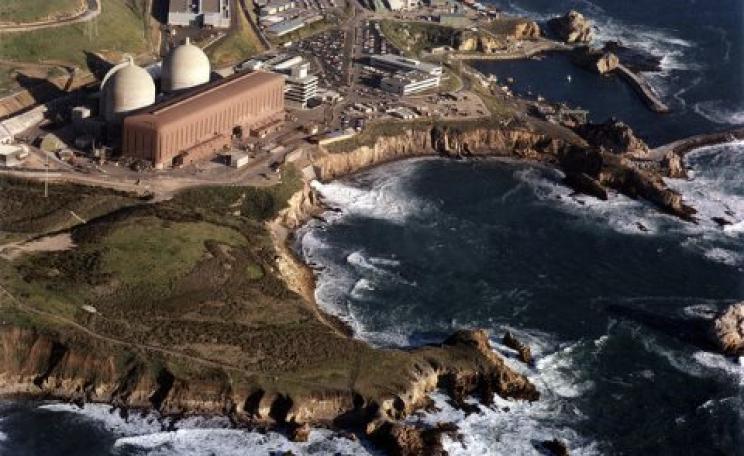
A newly-exposed report by Diablo Canyon's lead nuclear inspector shows that the twin reactors are unsafe, writes Karl Grossman. An earthquake on nearby geological faults could trigger a Fukushima-scale accident causing 10,000 early fatalities. The owner's response? Apply to extend the site's operation for another 20 years.
After a 15-year battle, local campaigners infuriated by pollution, over-pumping of groundwater and land-grabbing have finally forced the closure of Coca-Cola's $25 million factory near Varanasi.
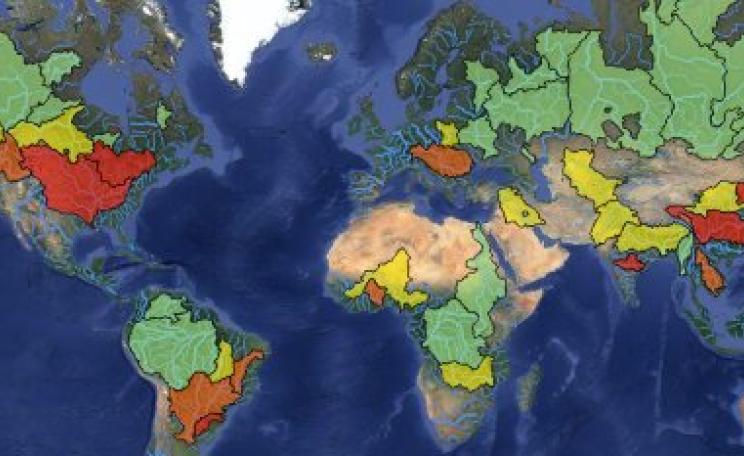
A new 'State of the World's Rivers' database shows how the world's rivers have been impoverished by dams and their ecosystems devastated - and provides a valuable resource to help save river basins that remain in good health.
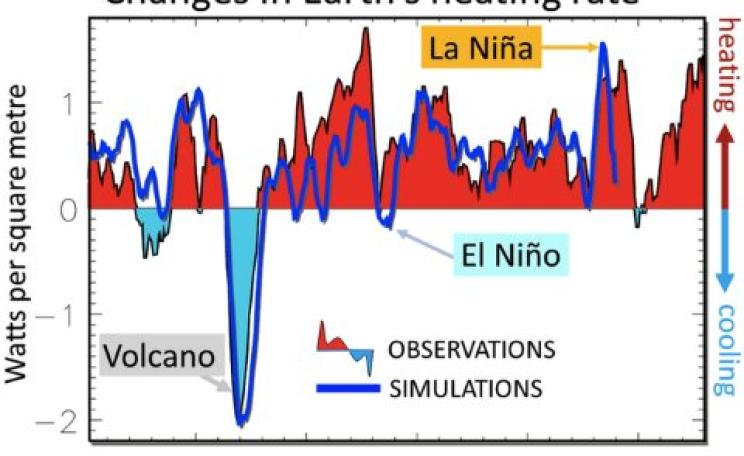
Since 2000 global surface temperatures have risen less than expected, a fact seized on by climate change 'sceptics'. But indications are that the surplus heat has been building up all along, writes Richard Allan - in deep oceans where it does not influence observable climate. Not yet, anyway.
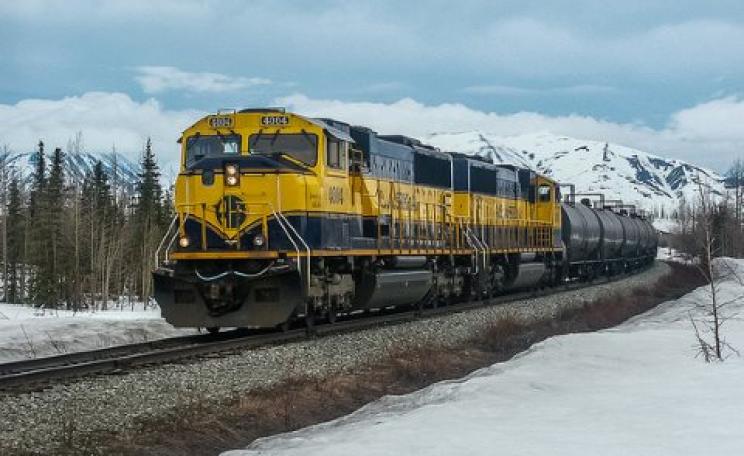
Climate change and tar sands activists opposing Keystone XL need to wake up to a new reality - the pipeline has already been eclipsed by rail transport which is both cheaper and more flexible, writes Justin Mikulka. The expanded production and export of tar sands oil just got a whole lot more likely.
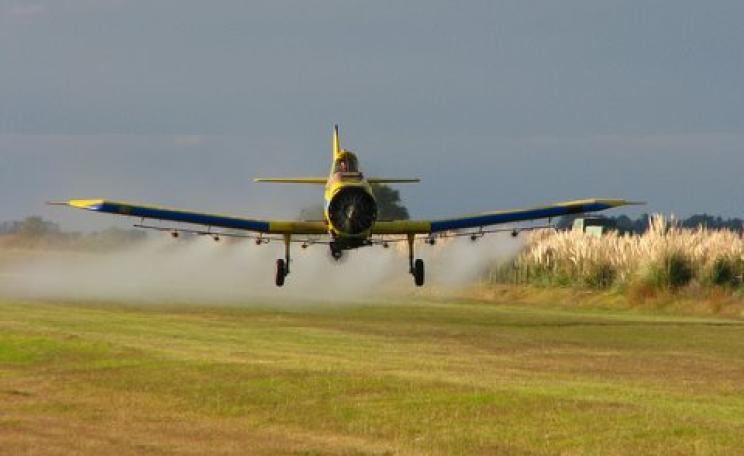
Sharply increased levels of crop spraying in Argentina's most intensively farmed areas have resulted in a public health disaster, writes Lawrence Woodward, with large increases in cancer incidence. And it's all the result of the widespread use of GMO crops engineered for herbicide resistance.
Controversy has been raging for decades over the link between nuclear power stations and childhood leukemia. But as with tobacco and lung cancer, it's all about hiding the truth, writes Ian Fairlie. Combining data from four countries shows, with high statistical significance, that radioactive releases from nuclear plants are the cause of the excess leukemia cases.
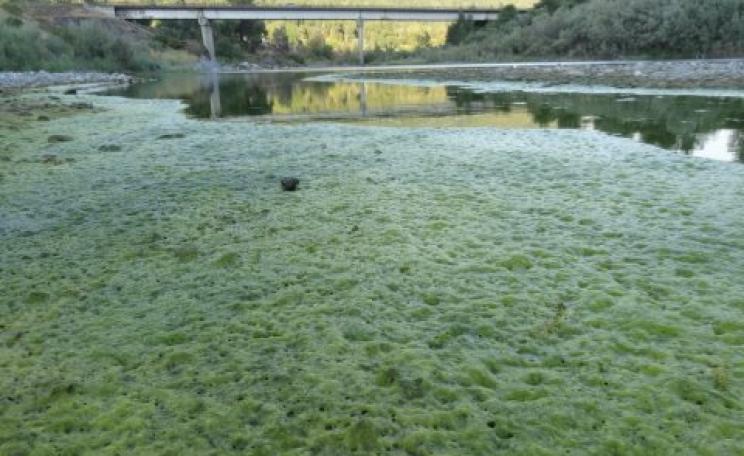
Large scale salmon deaths are imminent on the Klamath River and its tributaries in northern California due to low flows and high temperatures. Native American tribes are protesting in the state capital as federal agencies illegally prioritize water for large scale agribusiness over fish and indigenous people.
Survivors of a previously unknown Amazon tribe have escaped gunmen in Peru, seeking refuge with settled indigenous communities in Brazil. But as Alice Bayer reports, their problems are far from over. Many remain under threat in Peru, and even the refugees are at risk of common but potentially lethal infections.
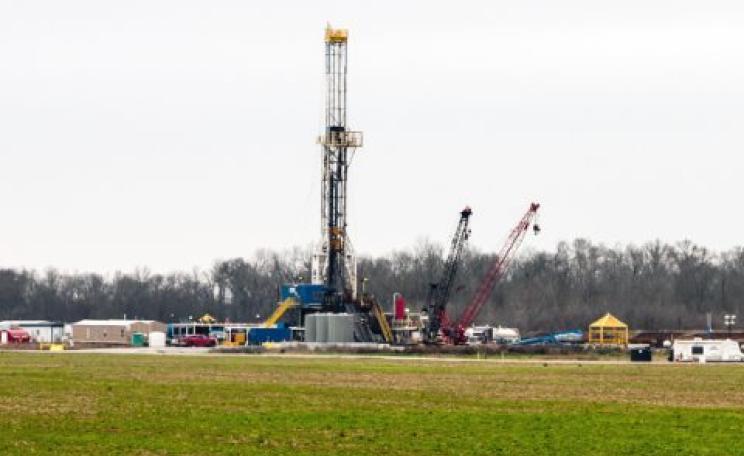
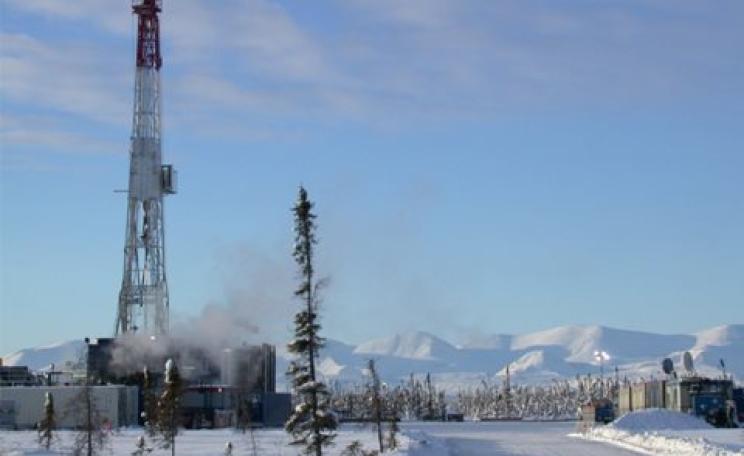
Hydraulic fracturing is roaring ahead in the Canadian Arctic, writes Ed Struzik. Companies are competing to exploit the Northwest Territories' 2-3 billion barrels of shale oil, as the NWT government ignores calls from indigenous nations and scientists for a moratorium on fracking pending an open review of its impacts.
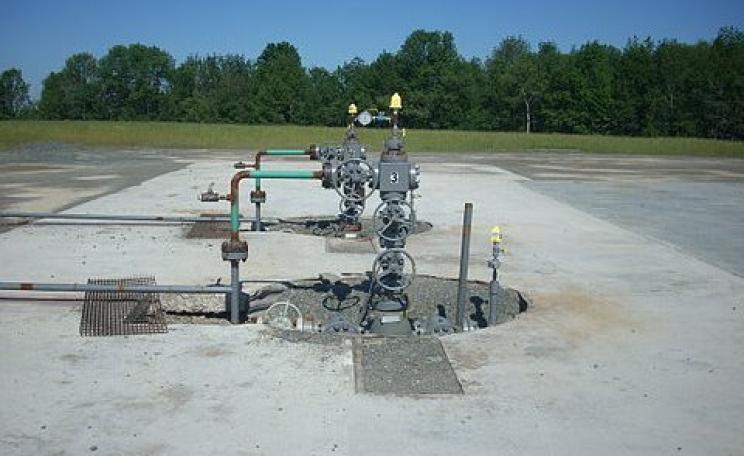
Scientists in the US have established that chemicals used in fracking to extract gas and oil could represent health and environmental hazards, writes Tim Radford. Among the greatest hazards: biocides and corrosion inhibitors.
When the US's biggest ever coal ash spill buried 300 acres of waterfront property in a white, middle class suburb, the waste was treated as a toxic hazard. But by the time it reached Uniontown, a black community in Alabama, that was all forgotten. Now they are fighting back.