A review of the 66 nuclear reactors 'under construction' worldwide shows that 49 are running behind schedule, including all five in the US and most in China. The long and unpredictable build times of nuclear plants, and the extra costs that ensue, are a compelling reason not to depend on the technology for either power or to mitigate climate change.
From the day that Danish pig farmer Ib Borup Pederson switched away from GM soy, his animals became healthier and more productive. Birth deformities reduced, sows became more fertile, medicine costs fell, and profits went up. The changes were linked to the reduction in the levels of the herbicide glyphosate in their feed.
Research on the biological effects of radiation near the Fukushima nuclear disaster site finds a powerful response in rice seedlings, writes Gregory McCann. The discovery will do nothing to boost consumer confidence in resumed rice exports from the Fukushima region.
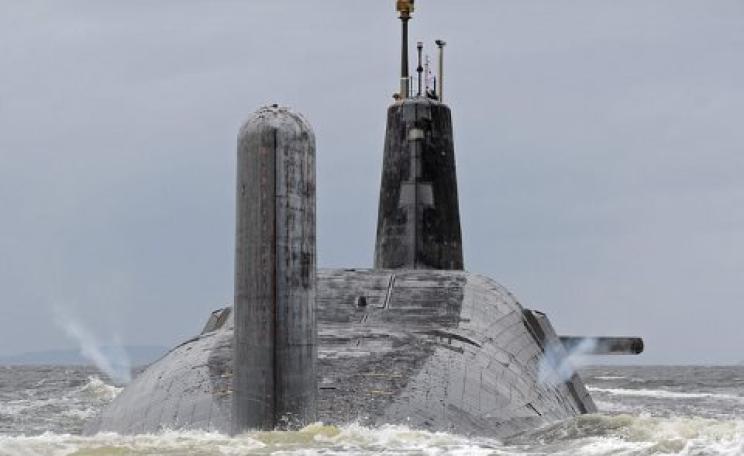
If the Scots vote yes on Thursday the UK's already tight military budget will be squeezed even harder, writes Paul Ingram, dramatically increasing the chances of nuclear disarmament. Adding to the UK's headache: the only medium term alternative base for its Trident submarine fleet would be ... in Georgia, USA.
Hundreds of thousands of people worldwide will join the Peoples' Climate March on Sunday - but will leaders at the UN Climate Summit on Tuesday be listening? Probably not, but all the more reason to act, and build a broad-based, global, popular movement for climate action.
As the IWC meeting begins today in Slovenia, the EU, its 28 member states and the United States, Australia, Brazil, Israel, New Zealand, Mexico and Monaco, have expressed their opposition to Iceland's commercial whaling in a powerful diplomatic broadside.
The World Bank is considering 'reforms' to its policies to protect indigenous peoples from the impacts of projects it finances that would devolve key decisions to national governments - such as whether an ethnic group is 'indigenous' at all. If passed by the Bank's Board, the changes would strip away a raft of essential human rights protections..
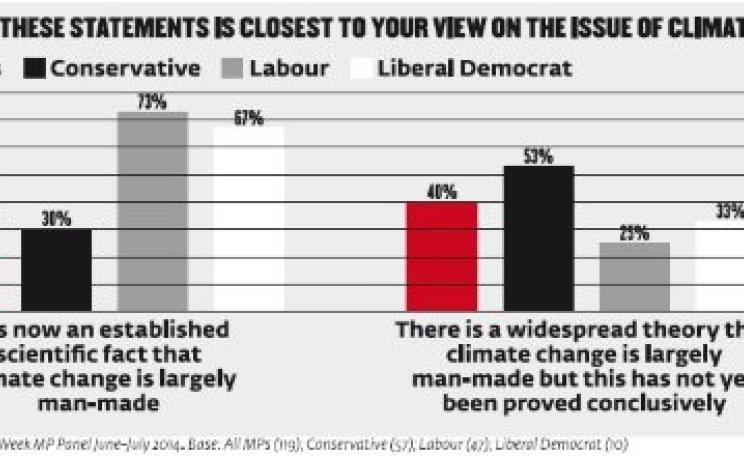
Seven out of ten Tory MP's think there's no proof that climate change is caused by people, and one in five thinks the idea is 'environmentalist propaganda', a new poll shows. Labour and Lib-Dem MPs are far more likely to accept climate science, but Parliament as a whole is remarkably 'climate sceptic'.
As the world gears up to finance Gaza's $6bn reconstruction after Operation Protective Edge, an EU source has revealed that Israel will earn billions of euros by making sure that all the steel, concrete and other materials and other aid are sourced in Israel and benefit Israeli companies.
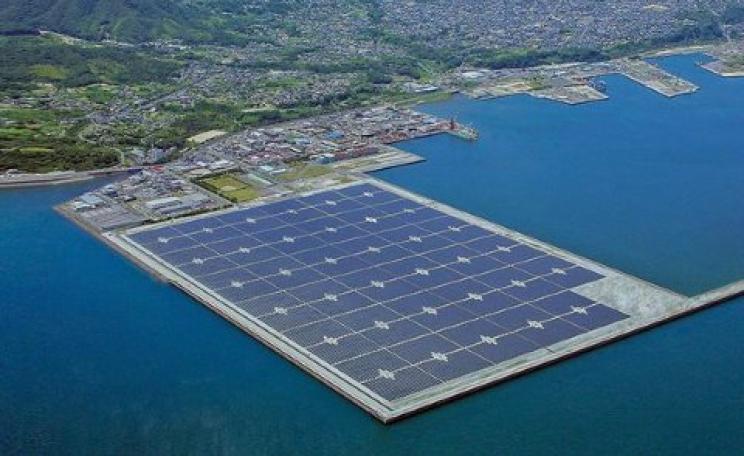
As Japan seeks to end reliance on nuclear power, one of the answers is floating 'solar islands', writes Jon Major. A 70MW solar island opened last year, and two additional plants have just been announced.
The widely used herbicide glyphosate has been judged 'safe', write Pete Farrer & Marianne Falck. But by the time it's used, it's in a 'formulation' with toxic surfactants, which escape EU regulation despite their known dangers. Germany alone has forbidden the use of the most dangerous surfactant - but is keeping its evidence secret.
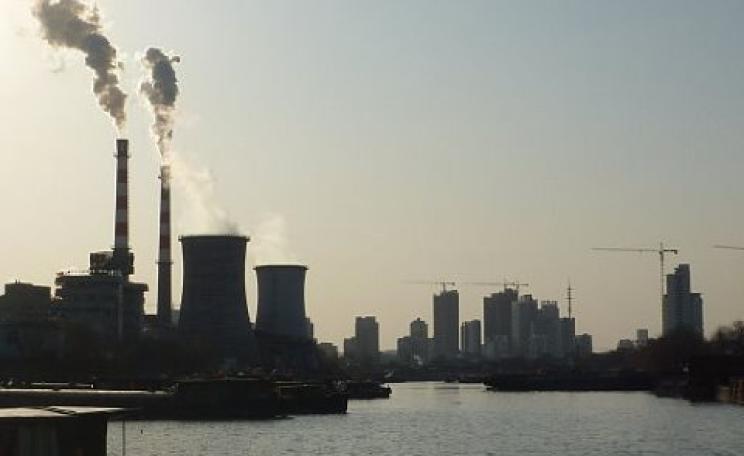
There are hopeful signs that China, the world's biggest emitter of greenhouse gases, is becoming less reliant on the polluting coal that powered its rapid economic rise, writes Kieran Cooke. Great news for China, and the planet - but worrying for coal exporters!
Four Indian leaders who have opposed illegal logging in their forests have been shot dead in eastern Peru as they traveled by boat to an indigenous meeting in Brazil. The murders followed pleas to Peruvian authorities for protection, and warnings by Brazilian officials that the Indians were in extreme danger.
Hidden from mainstream media exposure, the World Bank and IMF loan has opened up Ukraine to major corporate inroads, writes Joyce Nelson. Loan conditions are forcing the deeply indebted country to open up to GMO crops, and lift the ban on private sector land ownership. US corporations are jubilant at the 'goldmine' that awaits them.
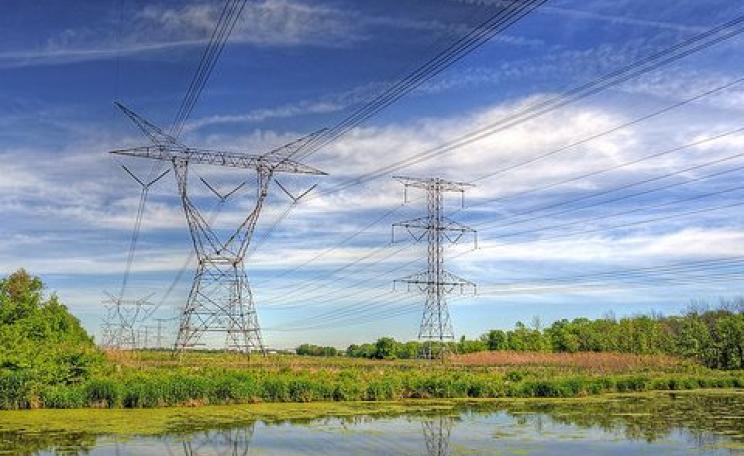
The EU, nervous about disruption to gas supplies across an increasingly unstable Ukraine, is planning a European 'supergrid' linking all 28 member states to increase resilience, writes Paul Brown. The development will be a boon to renewable energy generation, and cut emissions from fossil fuels.
New scientific evidence released today by the WMO shows the highest greenhouse gas concentrations on record, writes Alex Kirby, with 2012-2013 a record year for emissions. Meanwhile oceans are acidifying faster than at any time in the last 300 million years.
Ministers are determined to get fracking under way in the UK as fast as possible, so it's a 'fait accompli' in time for the election, writes Alex Stevenson. With a firm pro-fracking concensus in Parliament, only one thing can frustrate their plans - strong local campaigns to turn around MPs desperate for re-election in 2015. It even has a name: democracy.
Vultures have become one of the most threatened families of birds on the planet thanks to poisoning by the veterinary drug diclofenac. Now Birdlife has discovered that it's on sale in Europe - threatening to wipe vultures out and undermine significant EU investments in vulture conservation.
Farmers in the Bicol region of the Philippines have gathered to renew their fight against field trials of Golden Rice and halt moves towards its commercialization. But with last year's 'advanced' Golden Rice trials showing low yields, the prospect of a GR release is fast receding.
Consumers around the world want their electricity to come from renewable sources, writes Paul Brown. Yet governments from the UK to Australia are defying the popular will as they push for fossil fuels and nuclear power. The good news? Renewable energy is surging ahead regardless.
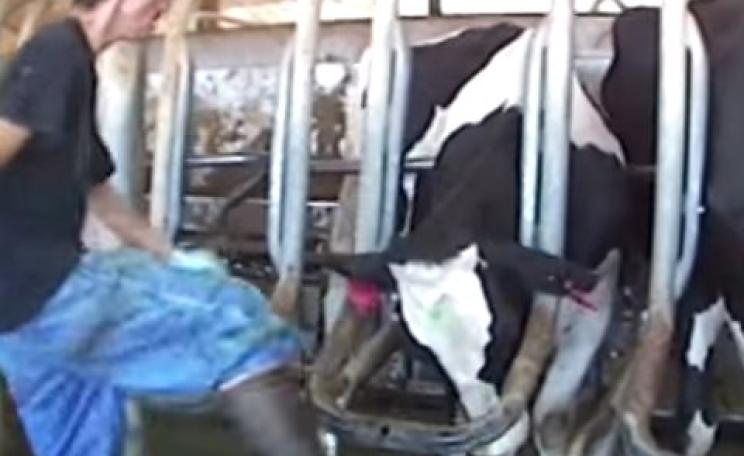
A legal challenge to a draconian Idaho law that outlaws free speech about animal abuses on factory farms has survived a 'motion to dismiss' in a federal court. The challenge, mounted by free speech, animal welfare, food and environment groups, claims the 'ag gag' law is unconstitutional.
A 'rotten borough' election in Oxford has won Labour a councillor on the lowest turnout in British electoral history - robbing the Greens of a winnable seat. The by-election in a mainly student ward was timed for the summer vacation - disenfranchising 60% of voters.
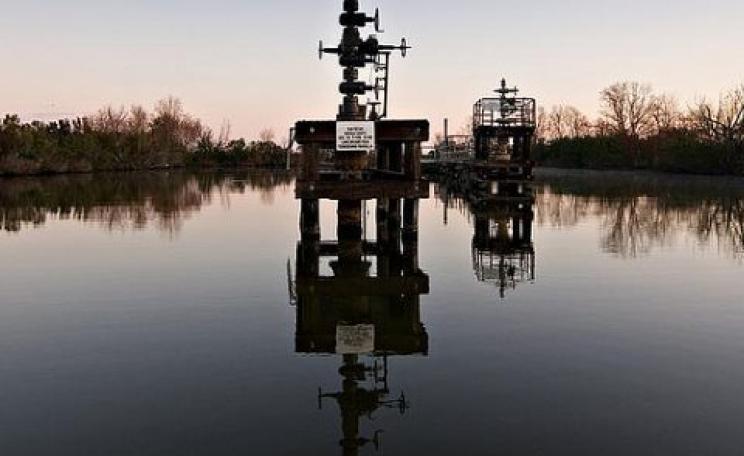
Thanks to damage to coastal wetlands by the oil & gas industry, Louisiana is losing two acres to the sea an hour, writes Julie Dermansky. The companies are legally obliged to repair their damage - but they haven't and the cost has reached $50 billion. The answer? A Bill backed by the state governor to make them immune from lawsuits.
International polling today revealed strong public support for a formally protected area in the High Arctic for mammals and other marine life. The weakest support came from Japan, where opinion was evenly split over the industrialization of the Arctic.