The appointment of Spain's Miguel Arias Cañete as the EU's Energy and Climate Commissioner is in doubt as MEPs rally against the man dubbed 'petrolhead' by the Sunday Times. Adding to his woes, an Avaaz petition against him has topped 438,000 signatures, and counting.
King Coal's reign is coming to an end, writes Chris Rose, at least as a fuel for generating electricity. Following a price collapse half of all production is being sold at a loss - and major coal users like China are still moving away from the high-carbon fuel.
There's an Alice in Wonderland flavour to the nuclear power debate, writes Jim Green. Lobbyists are promoting all sorts of new reactor types - an implicit admission that existing reactors aren't up to the job. But the designs they are promoting have two severe problems. They don't exist. And they have no customers.
The plight of much of the world's wildlife seems 'worse than ever', writes Alex Kirby. To blame is unsustainable human consumption, which is driving habitat loss, climate change and the illegal wildlife trade.
Ukraine's Priazovskii National Park epitomises the problems faced by the world's natural areas, writes Dimiter Kenarov, as it contends with inadequate funding, rising sea levels, dried-out rivers, industrial pollution and illegal hunting. And that's not to mention the war. But the staff battle on: 'If we don't do this, then who will?'
The eviction of Kenya's Sengwer forest people in a World Bank financed project was a failure of the Bank's duty to protect indigenous people, according to an internal report. The Bank's directors are to decide on how to respond today - but if they follow their own management's advice, the evictions will continue.
Google and Facebook have both recently quit ALEC, the corporate-funded climate change-denying US body that drafts right-wing laws for adoption by state legislatures. In a letter to Google, ALEC claims it does not deny climate change - an assertion strongly challenged by campaign group Forecast the Facts.
In a rare 'summary judgment' a federal court has ruled that the devolution of gray wolf protection to the state of Wyoming was unlawful because it was based on non-binding assurances. Federal protection is restored - for now. But an even bigger battle lies ahead.
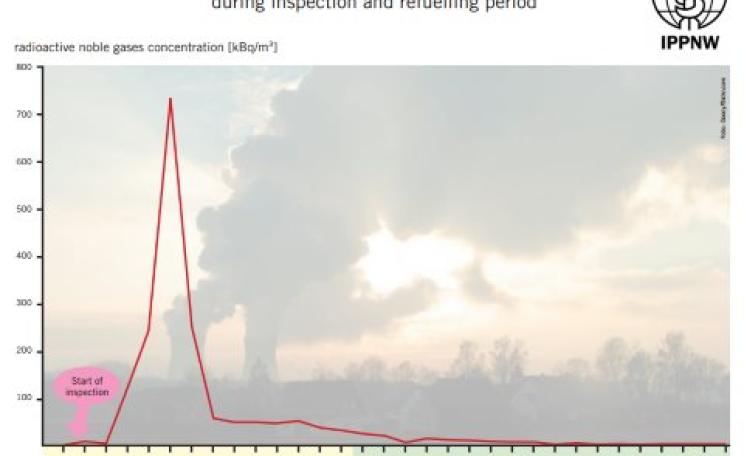
When nuclear reactors are refueled, a 12-hour spike in radioactive emissions exposes local people to levels of radioactivity up to 500 times greater than during normal operation, writes Ian Fairlie. The spikes may explain infant leukemia increases near nuclear plants - but operators provide no warnings and take no measures to reduce exposures.
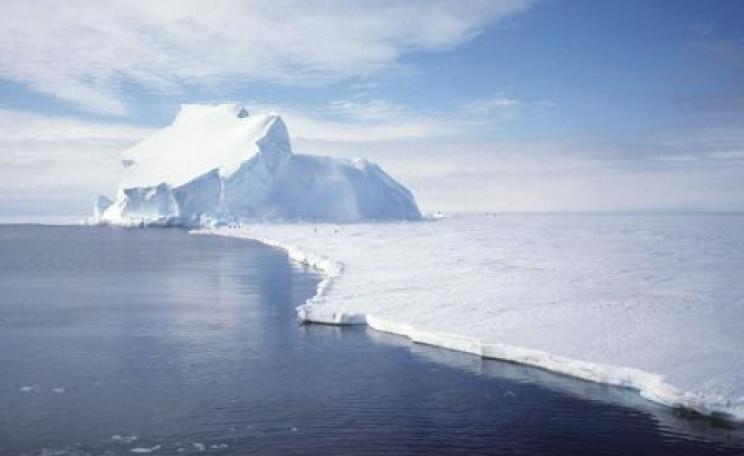
A study of 120 ice sheet collapses shows that 68% went from initial change to maximum retreat within 400 years - and that once triggered, the process and the associated sea level rise kept accelerating for hundreds of years. We may face a 1m sea level rise by 2100, writes Eelco Rohling - and much more in centuries to come.
The movement to divest from fossil fuels is gaining strength, writes Ruth Lumley, with $50 billion of institutional investment behind it. This week's news that almost $1 billion of Rockefeller money is moving from fossil fuels to clean energy shows that the world is changing faster than most ever imagined.
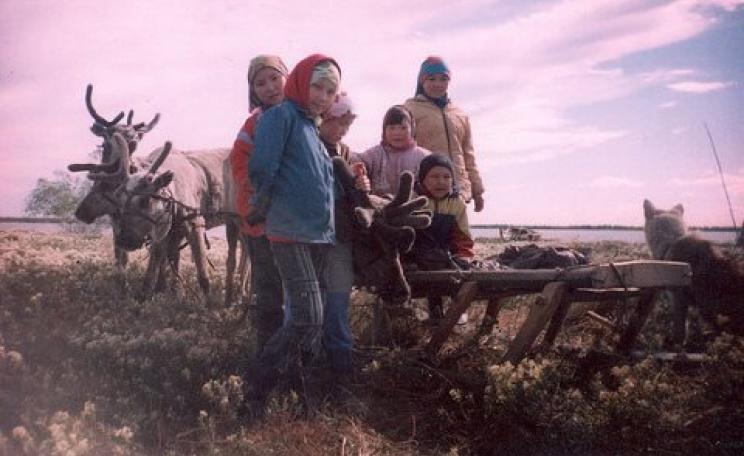
Why so few Russian representatives at the UN's World Conference on Indigenous Peoples? Officials prevented activists - some opposing Arctic oil development - from leaving the country, damaging passports and detaining them so they missed their planes.
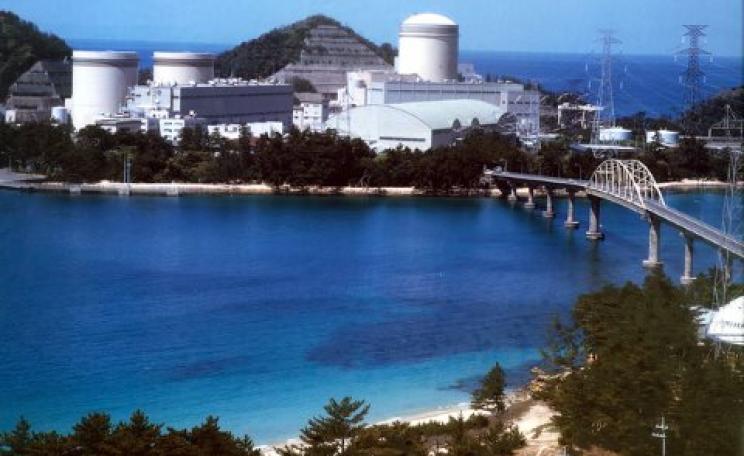
Japan's government is trying to get its failing nuclear power industry up and running, write Jim Green and Peer de Rijk. But in the post-Fukushima world, it faces formidable obstacles. Experts believe most reactors will never restart - and Japan's stricken utilities may have to find $30 billion or more to finance their decommissioning.
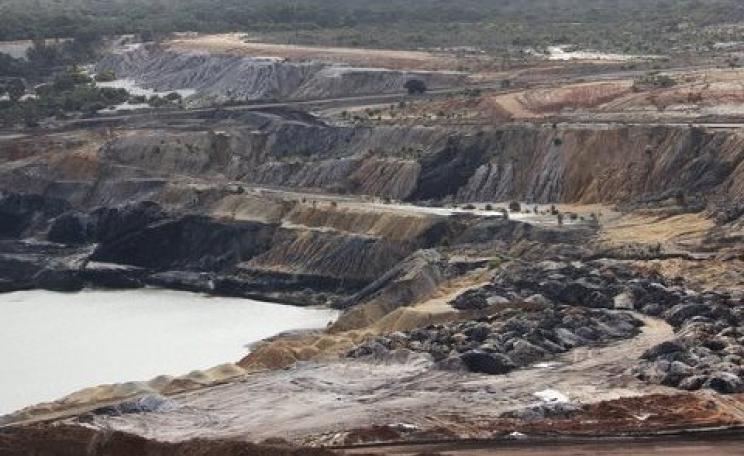
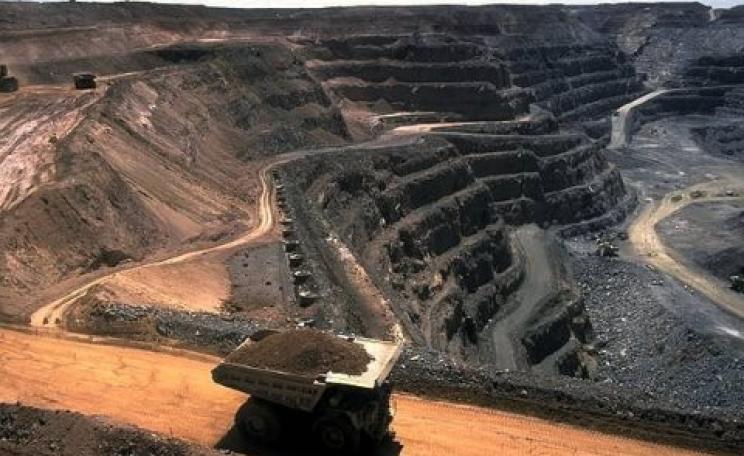
To tackle its serious air pollution, China is imposing stringent restrictions on dirty coal high in ash or sulphur, writes Shabbir Ahmad. One result: half of Australia's coal exports to China face exclusion, or extra 'washing' costs. But Australia's response is not to raise environmental quality. Instead, it's increasing production.
A health study in Pennsylvania, USA, shows that people living near fracking and other natural gas wells are more likely to suffer from skin conditions and upper respiratory symptoms. It calls for further study of the associations, including the role of specific air and water exposures.
At the New York Climate Summit, an international agreement has been struck to halve, then end deforestation around the world. It has the support of major forest countries, multinational corporations, forest campaign groups and indigenous peoples.
The world's biggest CO2 emitter, China, had a low key presence at the UN Climate Summit yesterday, writes Alex Loy, giving a strong hint that its leaders have lost faith in the ailing UN climate process. But the country is pushing hard on climate solutions at home, including a national emissions cap and effective carbon pricing.
At the UN climate summit in New York today, institutional investors managing $24 trillion of assets are demanding stronger, more ambitious policies on climate change, writes Kieran Cooke. These include an effective carbon price and an end to fossil fuel subsidies.
Governments must shift subsidies and research funding from agro-industrial monoculture to small farmers using 'agroecological' methods, according to the UN's Special Rapporteur on the Right to Food. And as Nafeez Ahmed notes, her call coincides with a new agroecology initiative within the UN's Food and Agriculture Organisation.
A report published ahead of tomorrow's UN Climate Summit shows that we can meet all our energy needs from renewables, writes Paul Brown - poor nations and prosperous, tiny islands and great cities, in any part of the globe. And some are doing it already ....
A Parliamentary report reveals that £200 million has been wasted on failed 'public-private' PFI projects for waste management, writes David Hall. The obvious solution: to allow local authorities to build and operate their own, which is cheaper and more flexible. The only problem: under UK government rules, it's PFI or nothing.
Gas flaring of natural at shale oil wells is carried out on such a scale in North Dakota and Texas that 'phantom cities' show up at night in satellite photos, writes Sharon Kelly. Billions of dollars worth of gas are going up in smoke, adding to CO2 emissions - but far worse for the climate is when the gas is 'vented'. Regulators are doing too little, too late.
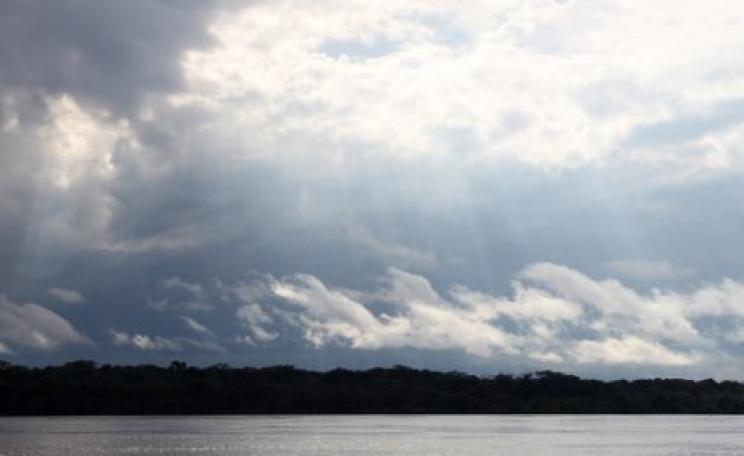
The Amazon forest both depends on, and sustains, vast 'flying rivers' that carry humid air and clouds deep into the continental interior, writes Jan Rocha. But scientists fear the flying rivers are failing due to deforestation, fire and climate change.
Three Sea Shepherd volunteers have been arrested for 'harrassing dolphins' and deported from the Faroe Islands. But their real crime was to save hundreds of Atlantic white-sided dolphins from slaughter.