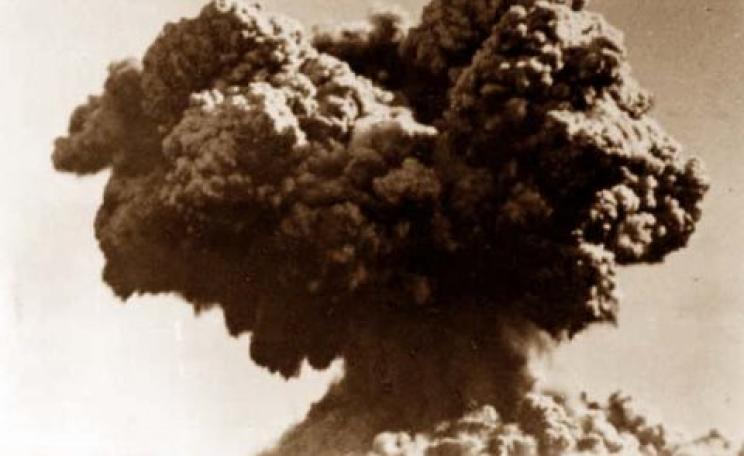
A scientific paper published this week shows that the severe health damage caused to UK bomb test veterans persists through the generations, writes Chris Busby. Their children and grandchildren are almost ten times more likely to suffer from congenital malformations than controls - and the only common cause is historic radiation exposure.
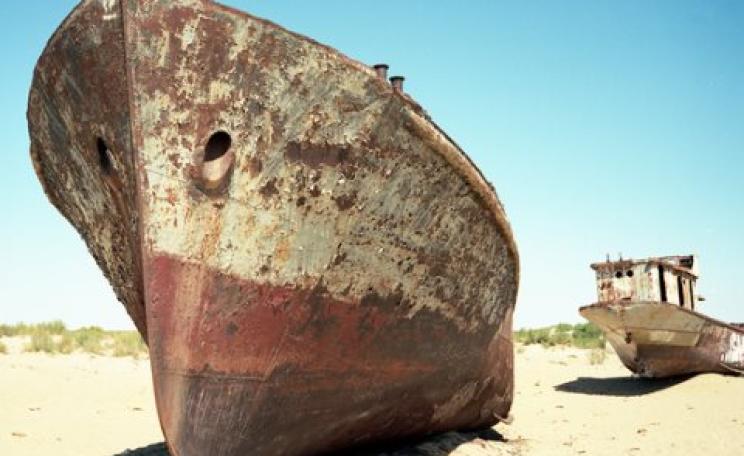
The Aral Sea is a well known environmental disaster zone. But this year, it got a whole worse, writes Anson Mackay, as its biggest basin dried up completely to expose a toxic, salty wasteland. With continuing irrigation and declining river flows due to climate change, the desert is only set to expand.
The UK Government promises that the Hinkley C 'EPR' nuclear reactor will lower electricity bills, but Keith Barnham shows that this is the very reverse of the truth. Our best hope is that it will never be built. Legal challenges aside, no sane investor will commit until one of the two EPR prototypes is working, which will be in 2016 at the earliest.
The first ever global life-cycle assessment of clean energy sources shows that a renewable system could supply the world's entire electricity needs by mid-century, writes Tim Radford.
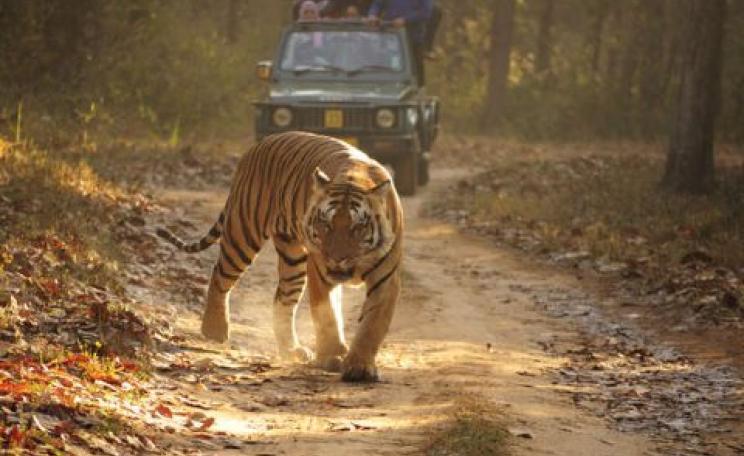
A tribal community within India's Similipal tiger reserve is facing eviction after forest department officials tricked and coerced villagers into signing a document in which they promised to leave. Complaints to the state's Human Rights Commission have been ignored.
A new book charges the world's biggest conservation group with forging links with global corporations that are using its name to 'greenwash' environmentally damaging activities, writes John Vidal - in the process becoming too close to industry, and over-dependent on corporate funding.
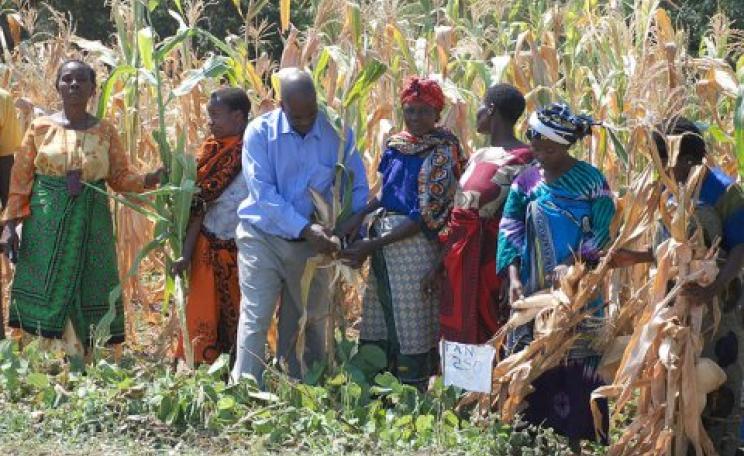
Monsanto, DuPont, Syngenta, Limagrain are among the companies to buy into Africa's indigenous seed companies. It's all part of the corporate takeover of the continent's agriculture at the expense of the small farmers who feed most of Africa's people.
The words 'Crusaders' and 'Zionists' are appearing ever more often as twins, writes Uri Avnery - and there are astonishing historical resonances between the two. If Israel wants to avoid the fate of the medieval Crusaders, it had better start accentuating the differences, and become a true Middle Eastern state, rooted in the region's native soil and culture.
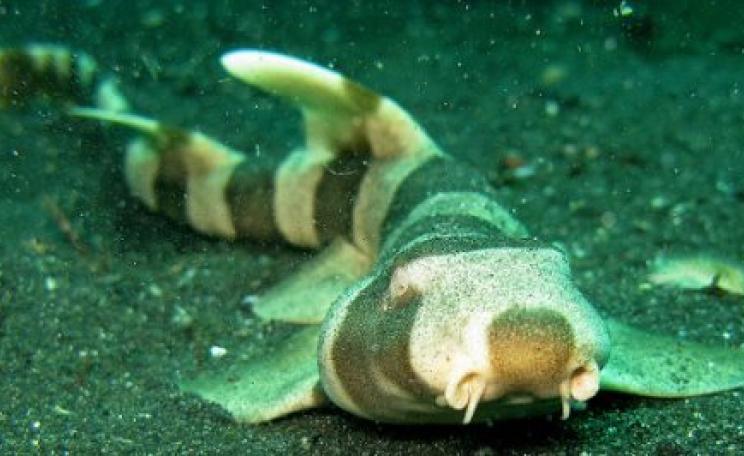
Scientific studies show that as carbon dioxide acidifies the oceans, sharks are less able to detect prey, and their chances of survival are reduced, writes Tim Radford - with serious consequences for ocean ecology.
The Badger Trust' is in the Court of Appeal today, making its case that the 2014 'trial' badger cull is unlawful, writes Dominic Dyer. But beyond that, the entire culling policy is driven by politics, not science, and is doomed to failure. It's time for Cameron to harness his 'big society' to apply a genuine solution: badger vaccination.
A massive sugar plantation and up to 700,000 migrant workers will occupy almost 2,000 sq.km of Ethiopia's Omo Valley, with the help of British aid finance. But the valley's native inhabitants have been given no choice in the matter, and are being forced to abandon their homes, lands, cattle, and entire way of life, or go to jail.
Solar power could be producing over a quarter of the world's electricity within 35 years, according to the International Energy Agency. But in the US, Congress's failure to extend solar tax credits is causing projects to be withdrawn.
Following a 1 million signature Greenpeace petition, LEGO has pledged not to renew a 50-year link with the oil company Shell. The move comes as Shell bids to renew its Arctic drilling in 2015, and following revelations that it is trying to dilute environmental regulation in Arctic waters.
The repeated burning of England's upland moors - carried out so more grouse can be reared for lucrative shooting parties - is seriously damaging a unique and valuable ecosystem, writes Paul Brown - destroying ages-old peat, reducing its capacity to retain water, and releasing megatonnes of carbon to the atmosphere.
Sweden's Greens are in government for the first time, wriites Dominic Hinde, with six ministerial posts in the new Social Democrat / Green coalition. After eight years of Conservative-led government, the country is determined to resume its former role as a green pioneer, but many challenges lie ahead.
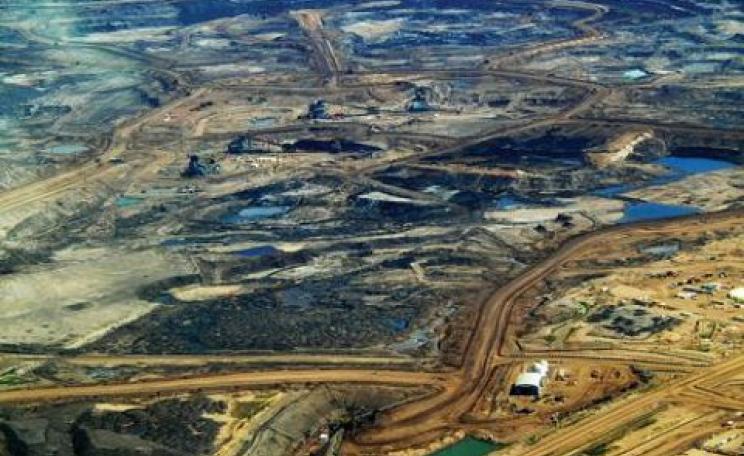
The EU is dumping a plan to label fuel made from tar sands as 20% more polluting than oil from conventional sources, making it cheaper for European countries to import. But the concession - intended to smooth the TTIP trade deal - still has to be approved by the European Parliament.
Native Hawaiians and others are gathering today for a peaceful protest at the ground-breaking ceremony for a huge new telescope on the 4,207 meter summit of Hawaii's 'sacred mountain', Mauna Kea.
Microfinance - lending poor people small sums to capitalise sustainable, profitable livelihoods and businesses - is widely lauded as a 'good thing'. And at its best, so it is. But some micro-lenders in south Asia operate with the methods, and ethics, of loan sharks, write David Hulme & Mathilde Maitrot. Can microfinance save its soul?
A victory for the Kurds and their allies in Syria would be a victory for all who seek a future dictated by neither fundamentalists nor imperialists, writes Derek Wall. Is that why NATO members' have taken no effective action to help Syria's Kurds resist Islamic State - even as Kobane is set to fall, and with 160,000 Kurdish refugees trapped at the Turkish border?
Oil majors are gearing up to exploit Arctic oil, writes Mike G. But they don't want to carry the costs of all the safety equipment the US Government is demanding to protect the fragile Arctic environment from spills. And they're reluctant to give up the use of toxic chemical dispersants.
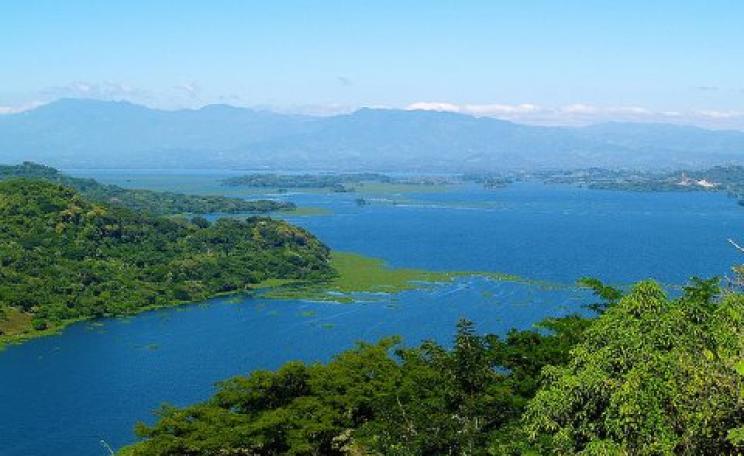
OceanaGold is demanding $300 million in compensation from impoverished El Salvador after a mining permit was refused to safeguard a clean drinking water source that millions of people depend on, writes Pete Dolack. The sum does not even represent losses - but profits the company claims it would have made.
As the forest fires burn on in the western US, writes Kieran Cooke, a new report predicts that climate-led temperature rise will lead to millions more acres across the world being burned to the ground, especially in southern Europe and Australia.
The Ecologist has apologised to SOCO International following an article we published based on a report by Global Witness about the company's operations in the Democratic Republic of the Congo.
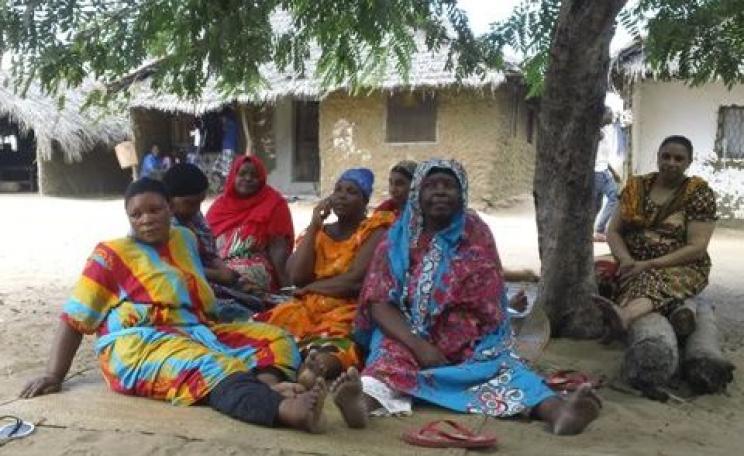
A small fishing community in Tanzania is the victim of a land grab carried out by powerful national park officials using inaccurate maps, writes Alejandra Orozco-Quintero - even though they are part of a long-standing, successful conservation partnership. Is it all to make way for a high-end tourism development?