The National Grid's forecast for UK power supply this winter relies on overstating the availability of increasingly unreliable nuclear power stations, writes Chris Goodall. Realistic estimates of nuclear, gas and coal power station availability shrink the 'safety margin' to zero.
Extreme energy in the UK is arousing extreme reactions, write Jess Elliot & Damien Short. On the one side stand citizens committed to preserving the quality of the local and global environment. And against them, a government determined to let fracking rip, and police forces prepared to ignore legal norms to suppress the growing popular resistance.
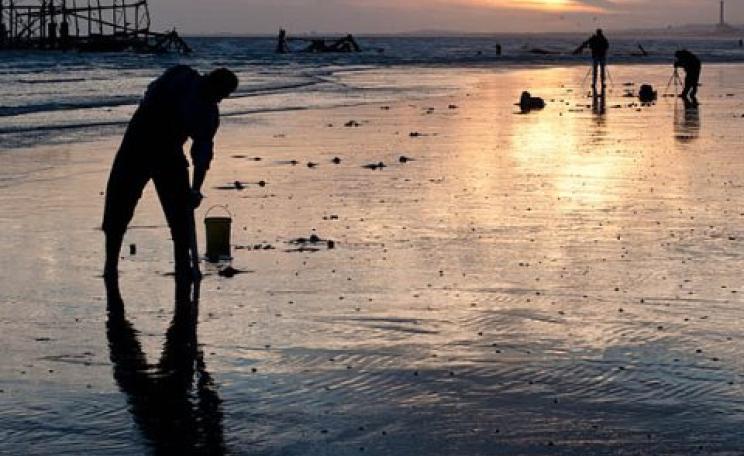
A common marine worm key to the richness of many coastal ecosystems is being damaged by the increasing ocean acidification that was thought to imperil mainly shellfish and coral, writes Alex Kirby. It's an unwelcome sign of more unexpected ecological changes to come.
A charge of 'criminal defamation' against Andy Hall, the Finnwatch migrant labour researcher who revealed the plight of migrant food sector workers in Thailand, was dismissed today. But with another three civil and criminal cases pending, he's back in court tomorrow.
The medical response to the Ebola outbreak in West Africa has been monstrously inadequate, writes Richard Kock. But so has been recognition of the underlying causes - in particular the explosive spread of industrial oil palm, which disrupts the ecology of forests and farms, and undermines local economy and traditional governance, leading to a 'perfect storm' of disease.
Peruvian law requires the government to recognise indigenous peoples's ownership of their lands. Yet 594 communities with claims to 20 million hectares of land remain with no secure title - leaving their forests open to illegal logging, plantations and settlement. Now one village is taking its demands to the courts.
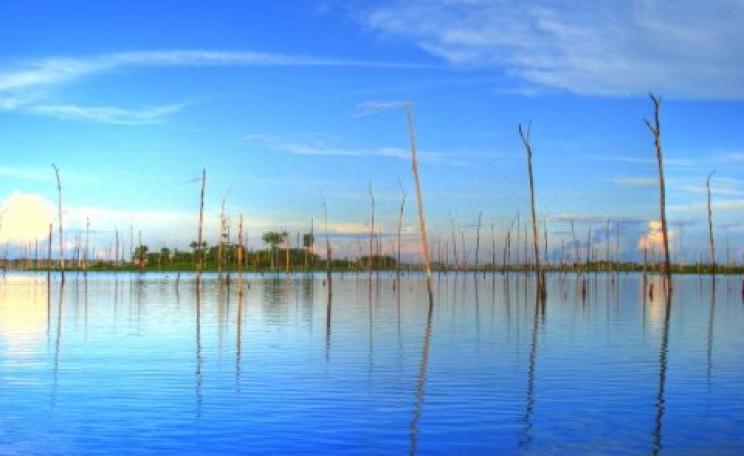
Brazil's newly elected Dilma Rousseff is committed to completing the disastrous Belo Monte dam, writes Helle Abelvik-Lawson. Worse, she looks certain to press ahead with the industrialisation of the Amazon, with 61 hydroprojects in the pipeline. And new scientific findings about the massive climate impacts of tropical forest dams are not about to stop her.
Dilapidated nuclear waste storage ponds abandoned 40 years ago containing hundreds of tonnes of fuel rods pose an immediate danger to public safety, photographs sent to The Ecologist reveal. The fuel and sludge in the ponds could spontaneously ignite if exposed to air, spreading intense radiation over a wide area.
A new wave power generator has moved closer to reality after successful testing in simulated marine conditions. An array of the 1.5MW 'Searaser' devices could be deployed on Britain's coast within a few years.
Left wing governments across the Americas are faced with a dilemma, writes Daniel Macmillen - high social spending programs financed by income from destructive mining and hydrocarbon extraction - or a slower but sustainable development path that puts ecology, equity and justice first. Their answer - a constant pushing back of the resource frontier.
Friends of the Earth has filed a lawsuit to challenge Natural England's secretive grant of a licence allowing the Government to trap wild beavers on the River Otter in Devon.
Ghana's government is desperate to pass a Plant Breeders Bill that would remove farmers' ancient 'seed freedom' to grow, retain, breed and develop crop varieties - while giving corporate breeders a blanket exemption from seed regulations. Now the farmers are fighting back.
Bats serve as a natural reservoir for the Ebola - but we cannot blame them for the epidemic. In Ghana alone people eat over 100,000 fruit bats a year as 'bushmeat', yet the country has escaped the epidemic. Much more research is needed to discover the mechanisms of transmission, and to devise effective, appropriate interventions.
Southern hemisphere oceans are warming at double the expected rate, a new study has found. This may explain why surface warming has slowed over the last decade - the oceans have absorbed the 'missing' heat.
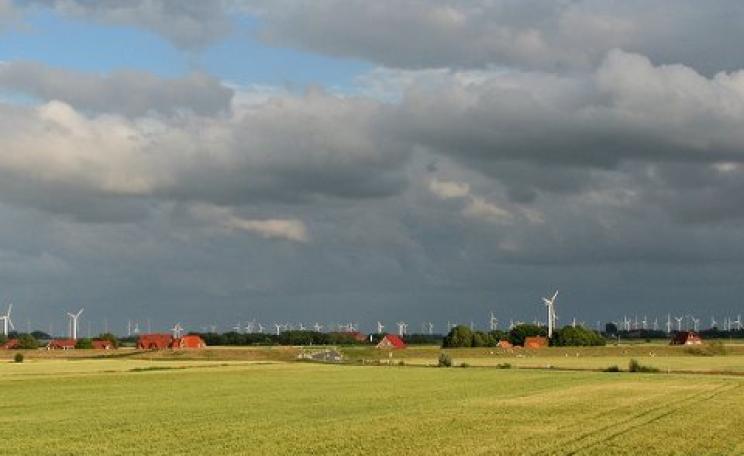
Germany's transition to a renewable power system is on track, writes Gert Brunekreeft. But it's costing households €218 a year in surcharges, causing voter enthusiasm to wane. That may be about to change though. The surcharge is about to fall, while targets stay the same - a sign that renewable energy costs may be falling faster than expected.
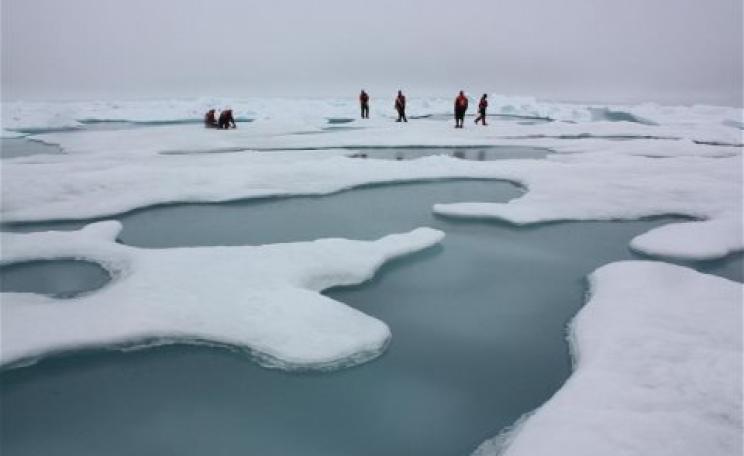
Scientists analysing more than three decades of weather data for the northern Alaska outpost of Barrow have recorded an astonishing 7°C temperature rise, writes Alex Kirby - and the likely cause is the decline in Arctic sea ice.
A British lawyer has filed a complaint with the International Criminal Court, writes Kevin Ponniah, alleging that a wave of violent land-grabbing that has displaced 770,000 people has been carried out by Cambodia's ruling elite, and that it amounts to a crime against humanity.
With 300,000 hectares of forests, fields and steppes damaged by fire, the war in Ukraine has done huge damage to the country's environment, writes Dimiter Kenarov. But there has been an upside: a new green spirit is taking root, and young volunteers are stepping in to protect wild spaces.
Small-scale fishing communities are key to any transition towards an ecologically and socially just food regime. But backed by the World Bank, powerful corporate interests are seizing their fish, seas and shores in the name of 'sustainability'. A revolution of the poor is needed to rebuild food sovereignty - and restore the oceans to the global commons.
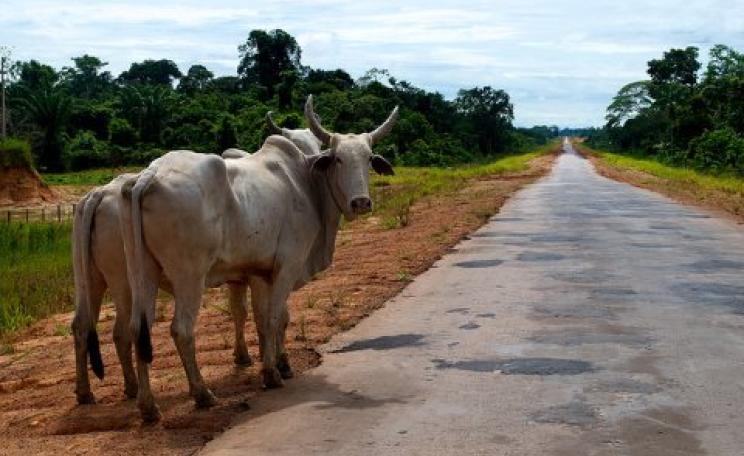
Deforestation in the Brazilian Amazon has been sharply reduced in recent years, writes Alex Kirby. But analysts say that palm oil and other cash crops are set for a major expansion, while high demand for beef, and administrative chaos, may undermine efforts to reform the ranching sector.
Floating over the US Southwest is a cloud of methane the size of Delaware, writes Mike G - reflecting the release of almost 600,000 tonnes of the powerful greenhouse gas every year. Its origins? Coalbed gas production, fracking and horizontal drilling.
Hinkley C's subsidy package may have won European Commission approval - but now it faces a National Audit Office 'value for money' investigation, following a demand from a powerful Parliamentary committee.
For all France's rhetoric about supporting the small farmer, the authorities are bending legalities to push through the country's biggest dairy farm, writes Evan Jones. This reveals the 'socialist' government true loyalties: to subsidy-driven 'free trade', and industrial agriculture that pollutes, depopulates, unemploys - and generates vast profits for a powerful elite.
A new report reveals huge declines in the UK's migratory birds that winter deep in Africa's rainforests. Shorter distance migrants are performing much better, with some recording big population increases.