Despite promises to phase out subsidies to the coal, oil and gas industries, a new report G20 governments are still providing them with massive financial help, writes Alex Kirby. The UK alone is spending over £1.2 billion per year to support fossil fuel exploration and production at home and abroad.
Last week Parliament had its first ever chance to debate a shadowy treaty dating back to 1958, under which the UK exported to the USA enough plutonium for over 1,000 nuclear warheads, writes David Lowry. But the core question remains unanswered - how can the treaty be reconciled with our sovereign obligations to prevent nuclear weapons proliferation?
China and the US have jointly pledged to limit their greenhouse gas emissions, as the Presidents of the two countries met for talks today in Beijing. The move is boosting hopes for the UN climate summit in Paris in 2015 - but is it really enough to restrain temperature rises?
The unregulated 'artisanal' gold mining sector is a massive source of mercury pollution and other environmental damage, writes Greg Valerio. But now the Fairtrade Gold initiative is helping miners to reform their practices with equipment, training and a hefty gold price premium. All it needs now is for consumers to demand Fairtrade Gold in all their jewellery purchases.
Denton's 59-41 vote to ban fracking has got right up the nose of the state's fossil fuel elite, writes Julie Dermansky. The Texas city has already been hit with two lawsuits - but it's going to fight them all the way, with a $4 million legal fund ready and waiting.
America's expanding oil production threatens the pristine Pacific Northwest region of the country with a rash of new oil terminals along the coast, writes Valerie Brown, and hugely expanded traffic of freight trains loaded with hundreds of cars of crude oil heading for California refineries.
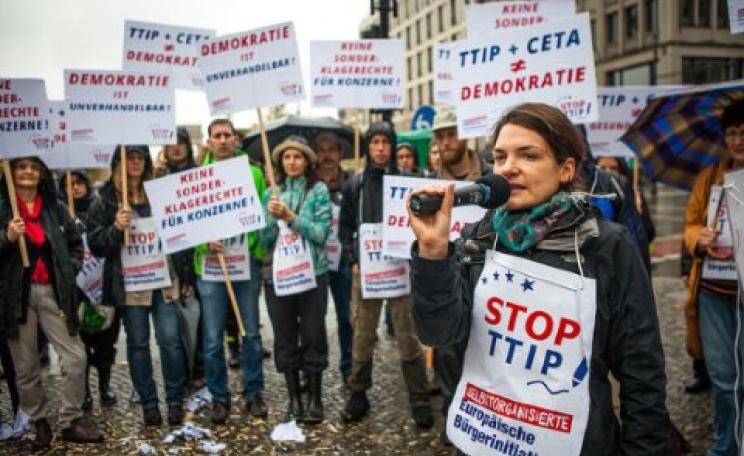
A 300-strong coalition of civil society groups is taking the European Commission to the European Court of Justice, claiming that its refusal to register a official 'Citizens Initiative' opposing the EU-US TTIP trade deal was unlawful.
Behind the relatively sanitized faç;ade of the exotic pet industry resides a vast chronicle of species decline, ecological disruption, animal suffering, mortality, and the global dissemination of pathogens, writes Clifford Warwick. We are in the midst of a profit-fueled frivolous wildlife biocide, as animal traders strive to bring the next curiosity fish, turtle or primate into our homes.
December's meeting of the Chemical Weapons Convention offers the opportunity to control very dangerous and often fatal chemical agents deemed 'incapacitating', write Michael Crowley & Malcolm Dando. Currently a legal gray area, it's essential to bring the development and use of these substances before a full blown arms race breaks out.
Taking place in the run up to Bristol's year as Green Capital 2015, this groundbreaking spiritual ecology conference calls for Consciousness Revolution.
A voter initiative in Maui, Hawaii requires a suspension of GMO crops pending a safety review to be paid for by Monsanto and other corporations - although corporations spent almost $8 million trying to defeat the measure. Monsanto is now preparing a legal challenge.
Legislation put forward by Brazil's re-elected President Dilma Rousseff would open up to 10% of protected areas to mining, writes Luke Parry. The effect would be to gut nature conservation in Brazil, already in a perilous state due to underfunding and growing pressure for the development of mines, dams, farms and plantations.
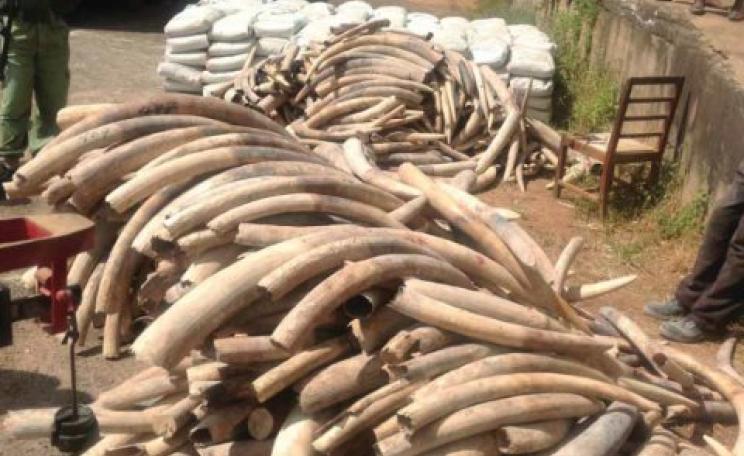
A new report reveals that Chinese-led criminal gangs are conspiring with corrupt Tanzanian officials and senior politicians to traffic huge amounts of ivory. The corruption even extends into the Chinese navy, diplomatic missions and Presidential entourage - all involved in the lucrative but illegal trade.
The revolution taking place in Burkina Faso is far more than an uprising of rebellious youth, writes Alexander Reid Ross. It's a genuine fight for national liberation - from neoliberalism, land grabs, corruption and foreign domination - that evokes the freedom struggle of an earlier generation.
The Gates Foundation is spending half a billion dollars a year to 'feed the world', most of it aimed at Africa. But as GRAIN discovers, it is imposing a model of high-tech, high-input 'green revolution' farming, complete with GMOs, agro-chemicals and a pro-business neoliberal agenda, all in in alliance with corporate agriculture.
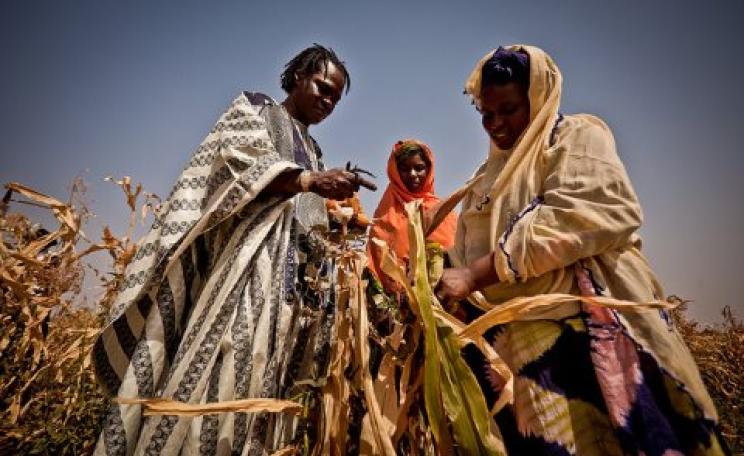
With rising population and food demand far outstripping supply, the Sahel is vulnerable to a new humanitarian crisis, writes Alex Kirby. Rainfall is expected to increase with climate change, but higher temperatures will overwhelm the benefits.
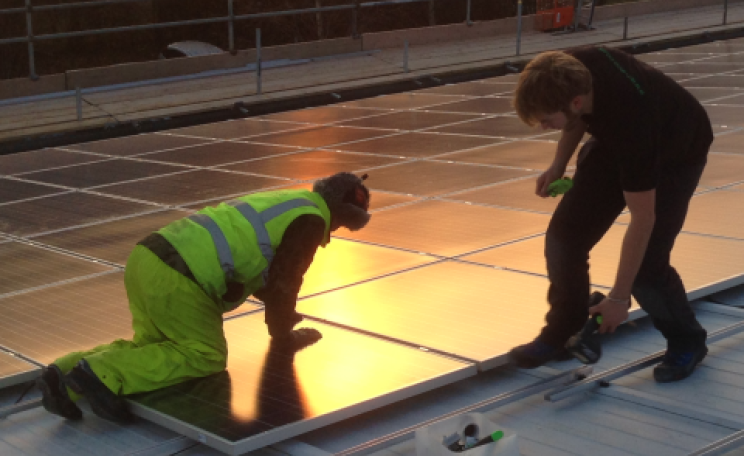
The cost estimates for solar PV used by the IPCC in its latest report fail to take into account recent price falls for the technology, reports Helle Abelvik-Lawson, and exaggerate financing costs. The result is to understate the importance of PV in a low carbon future.
Papers reluctantly released by the UK Government in the bomb test veterans' legal case for compensation reveal what it has long denied, writes Chris Busby - that bomb fallout is rich in uranium, and that most of its radioactivity is concentrated in the 'forgotten' but highly active isotope U-234, explaining much of the substantial, long term damage to veterans' health.
The IPCC's most important ever assessment of global warming warns that the world must cut its carbon emissions must be cut sharply and soon, writes Damian Carrington - and the cost is affordable. But in fact, emissions are rising at record levels, and the IPCC's strong support for unproven-at-scale CCS technology will leave many mystified.
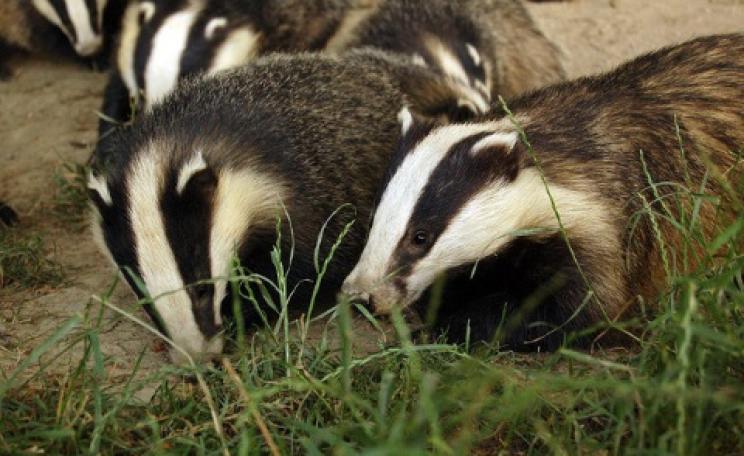
The Court of Appeal last month ruled that England's Badger cull is lawful despite the lack of independent supervision. But on the eve of a fresh Parliamentary debate, and with public opinion backing the badgers all the way, the Badger Trust is the clear winner where it really matters - in public hearts and minds.
Today's IPCC report provides all the reasons we need for serious climate action, writes Alex Kirby. But unless key polluting countries commit to deep cuts in emissions, and accept sanctions for non-compliance, there's little chance of any climate change agreement actually working.
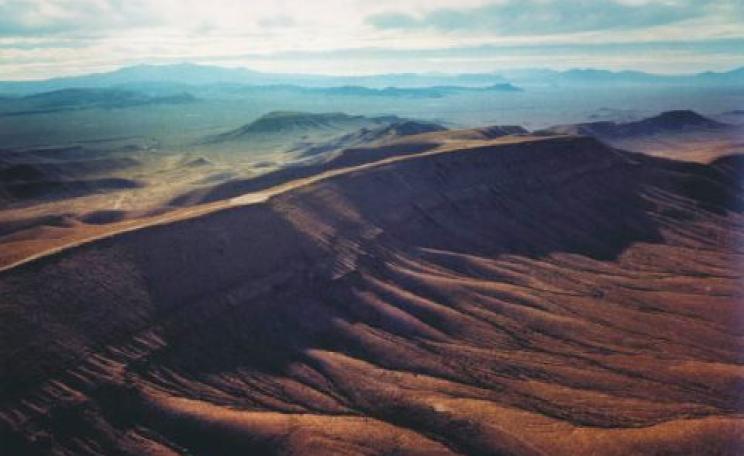
The Yucca Mountain radioactive dump may have been officially 'cancelled', writes John LaForge, and with very good reason. But like all those zombies out for Hallowe'en last night, it's not dead yet, as US nuclear regulators declare that the site perfectly meets nuclear waste storage requirements.
Lafarge Tarmac has withdrawn its bid to quarry Hopwas Woods following a huge local and national campaign. It's a victory to celebrate - but as the Woodland Trust points out, it also shows that none of our ancient woodland is truly safe from destructive development.