The exploitation of Canada's tar sands is more than just an environmental catastrophe, writes Gregory McGann. It's also an turning into an economic disaster, with massive investments at risk as falling oil prices leave the tar sands stranded.
Last February's explosion at the WIPP dump for long-lived intermediate-level nuclear waste from the US's nuclear weapons program remains unexplained, writes Jim Green. But with the site's history of ignored warnings, 'missing' safety culture, lack of supervision and dubious contractor appointments, it surely came as no surprise - and further accidents appear inevitable.
Oregon's 'Yes on 92' GMO labeling supporters are just 809 votes from winning, forcing a recount in which they are confident of prevailing - despite being hugely outspent by a corporate 'no' campaign that received nearly $5 million from Monsanto alone.
After Gezi Park, another battle for one of Istanbul's increasingly rare green spaces is raging, writes Nick Ashdown - and this time it's on the city's Asian side. Demonstrators are holding a 24-hour vigil on the edge of an 'illegal' construction site at Validebag Grove - despite having been repeatedly detained and attacked by police.
Doubts are growing doubts that the Hinkley C nuclear power station, the EU's biggest construction project, will get the final go-ahead from the UK government, writes Paul Brown. And that's leaving the European nuclear industry, already in serious financial difficulties, facing a struggle for survival.
The president of the World Bank has promised to back out of financing coal developments, and instead target its finance at 'every dimension of renewable energy' under a new climate-friendly strategy.
As the Arctic ice retreats, a fragile but resource-rich landscape replete with oil, minerals, fish and islands is opening up, writes Conn Hallinan. A new land-rush is on, and it could all lead to war. But it can be avoided provided states respect the rule of law and build on existing regimes of cooperation to protect the precious Arctic environment.
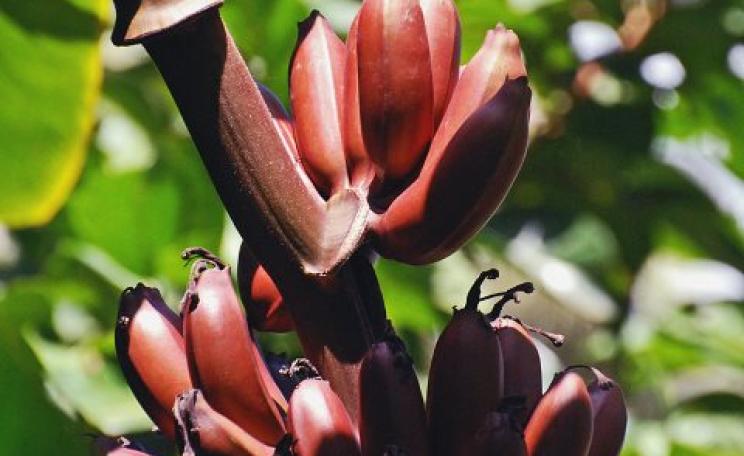
The Gates Foundation has sunk $15 million into developing GMO 'super bananas' with high levels of pre-Vitamin A, writes Adam Breasley. But the project is using 'stolen' genes from a Micronesian banana cultivar. And what exactly is the point, when delicious, popular, nutritious 'red bananas' rich in caroteinoids are already grown around the tropics?
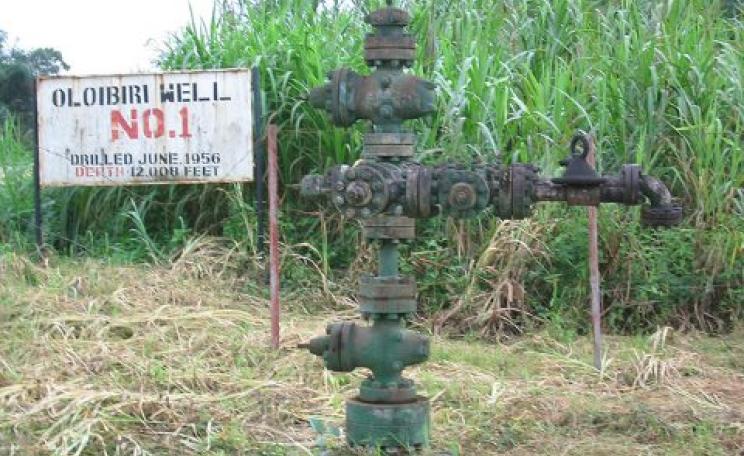
A London court has forced Shell to disclose documents about its pipelines and oils spills in Nigeria, writes Sarah Shoraka - and they reveal that the company has lied about the scale of oil spills in previous legal actions, and concealed the terminally poor condition of its pipelines.
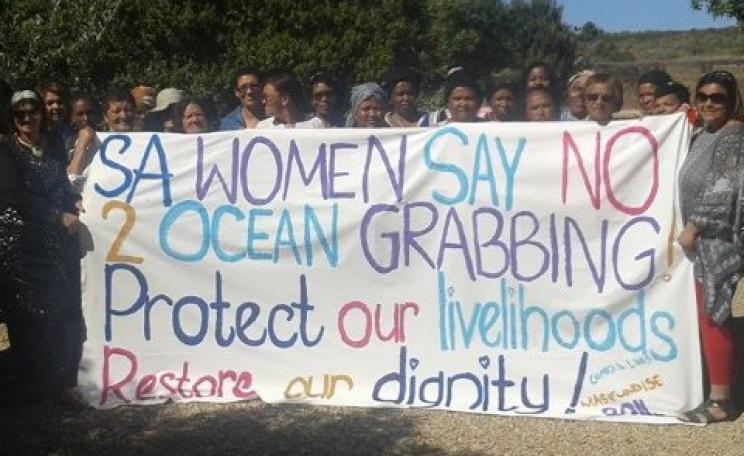
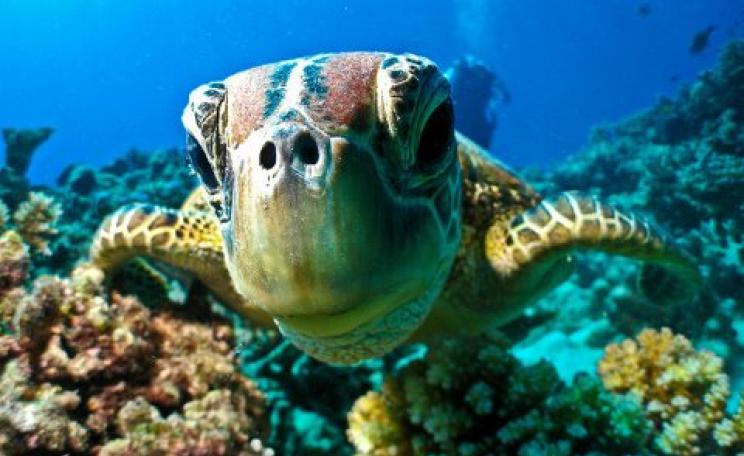
Today on World Fisheries Day, fisher peoples and their allies are taking to the streets and beaches to fight against ocean grabbing in all its forms - including Marine Protected Areas imposed without consultation that rob and criminalise local communities and benefit only privileged outsiders.
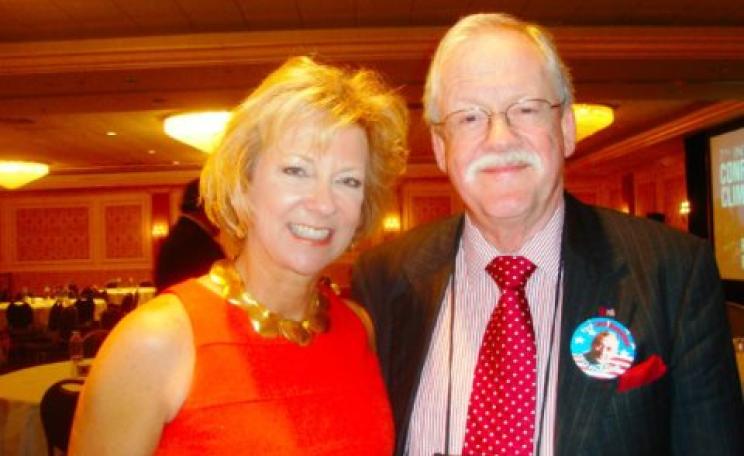
Would UKIP be riding so high if voters knew of the party's links with powerful right-wing US corporate interests promoting fossil fuels, denying climate change, opposing gun control, and supporting big tobacco, teaching creationism in schools, healthcare privatisation and the lifting of nuclear power regulation? An Ecologist investigation exposes the real UKIP.
The Walton family, owners of Walmart and Asda, project a 'public environmentalism', writes Mike Gaworecki. But their real agenda is to advance a monopolistic corporate economic model that is threatened by decentralised energy solutions like rooftop solar. The answer? Exterminate!
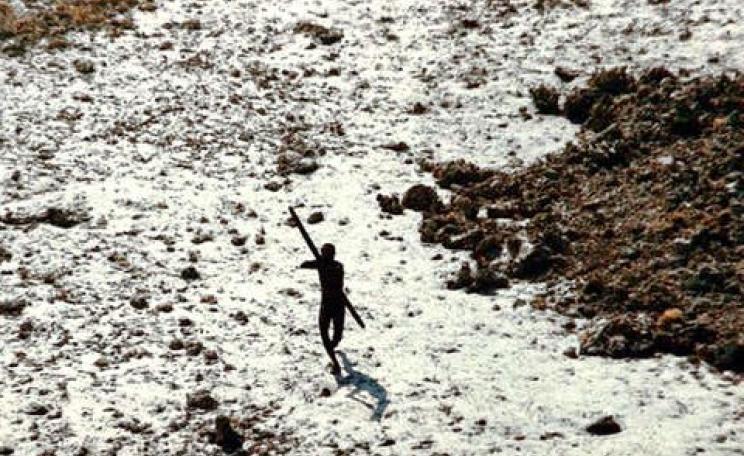
The last completely isolated tribe on the Andaman Islands in the Bay of Bengal is at risk from illegal fishing, with Burmese boats entering their waters and fishermen landing on their island home. But they had better watch out - two intruders were shot dead with arrows in 2006.
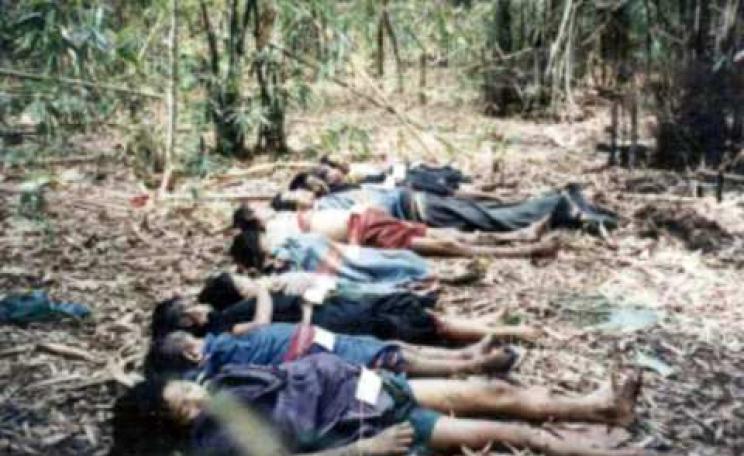
The best way to deal with embarrassing, inconvenient facts is to ignore them, writes Guy Horton. And this is precisely what the international community is doing over Burma's demographic anomaly - 9 million people who ought to be there, but aren't. Their absence is prima facie evidence of genocide - but as we all celebrate the 'brave new Burma', no one wants to know.
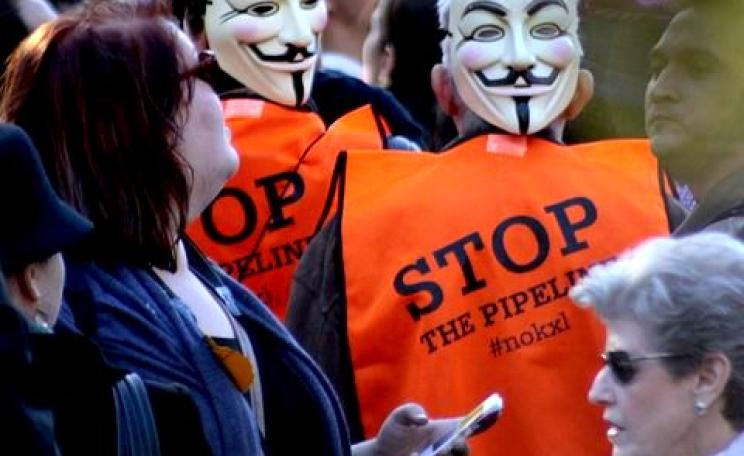
The enabling bill for Keystone XL failed yesterday in the US Senate. Supported by all 45 Republican senators, it fell one vote short of the required 60-vote threshold. But the victory will be a temporary one, writes Alexander Reid Ross. The final battle can only be won by massive grassroots engagement and protest in communities across North America.
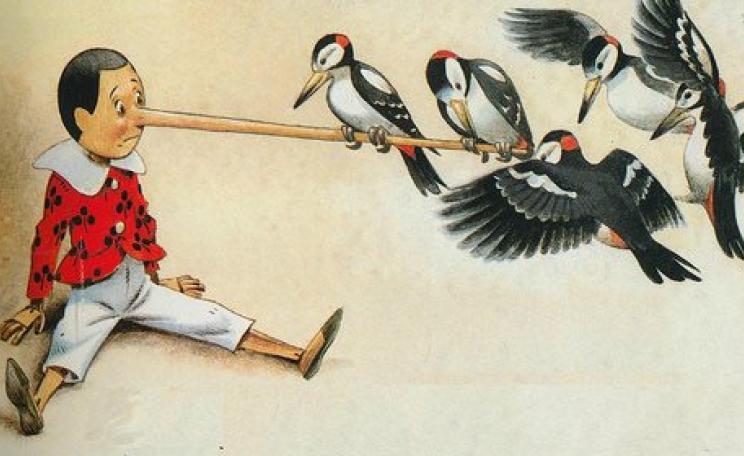
Who has the longest nose of them all? Worthy winners of France's fiercely contested 'Prix Pinocchio' 2014 were selected last night, recognising corporate greed, hypocrisy and malfeasance, based on a record vote since the awards began.
The Leader of the US Senate says that under the China-US climate deal, China can 'do nothing at all for 16 years'. John Mathews and Hao Tan examine the claim - and find it's the very reverse of the truth. China is leading the world in greening its energy supply, and has committed to add a massive 1.3GW of renewable power capacity every week for 15 years. Now Mitch - beat that!
As Peru prepares to host UN climate talks, Global Witness exposes the murder of Peruvian eco-defenders - 57 killed since 2002, including indigenous leaders protecting their forests from illegal logging ignored by police and Government.
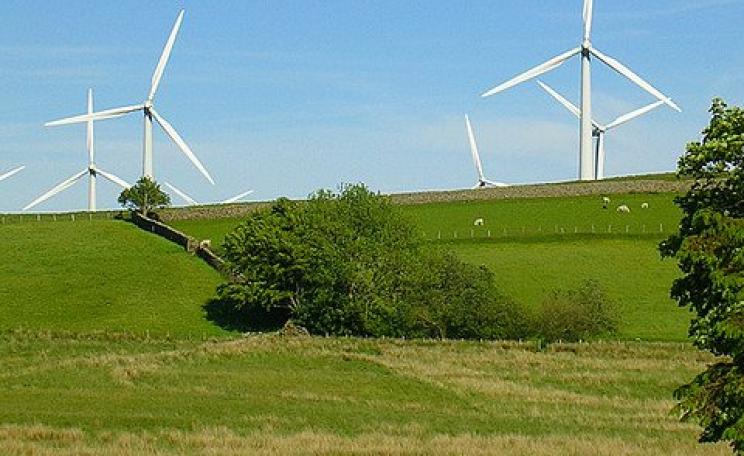
As the governing conservative party lurches ever further to the right, writes Kyla Mandel, it feels like UKIP has already won the election - six months before it's even happened. Tory ministers are already executing UKIP policies, with their ignorant but implacable hatred of renewable energy in all its forms.
In a blunt rebuke to Australia's prime minister Tony Abbott, US President Obama stated that 'every nation has the responsibility to do its part' on climate change, writes Michelle Grattan - in a clear reference to the G20 host's backsliding on climate promises.
Mads Gilbert, a renowned 67-year old doctor and human rights activist who has saved innumerable lives in Gaza by working right through Israel's two most recent military attacks, has been banned by Israel from entering the territory for life. His 'crime'? Apart from healing the shattered bodies of Palestinians, he has dared to speak out about the horrors he witnessed.
Dow's teratogenic pesticide chlorpyrifos is a human and environmental disaster, writes Janette D. Sherman. It causes serious, irreversible damage to the human foetus even at low concentrations that may be harmless to the mother, resulting in severely and permanently disabled and mentally damaged children. But it's still sprayed in vast quantities on America's farms.
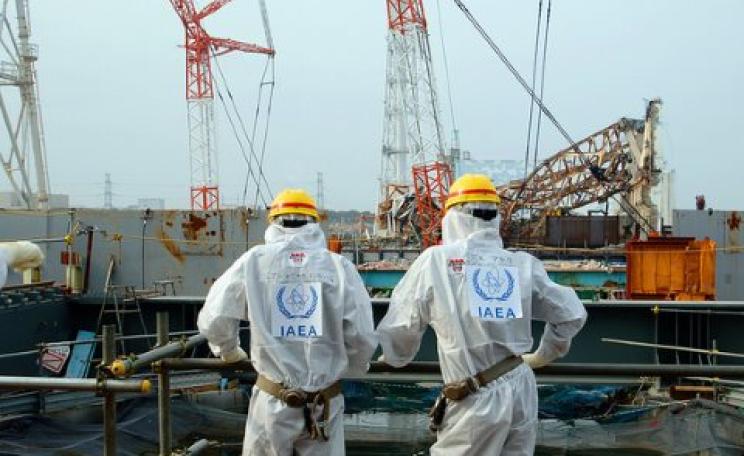
The clean up at Fukushima faces enormous challenges, writes Justin McCurry. First, managing 500,000 tonnes of contaminated water stored onsite. Next, removing molten fuel from reactors 1, 2 and 3, a task so hazardous that it's been put off until 2025. Even robots have been unable to enter the reactor buildings - and no one knows where the molten fuel has gone.
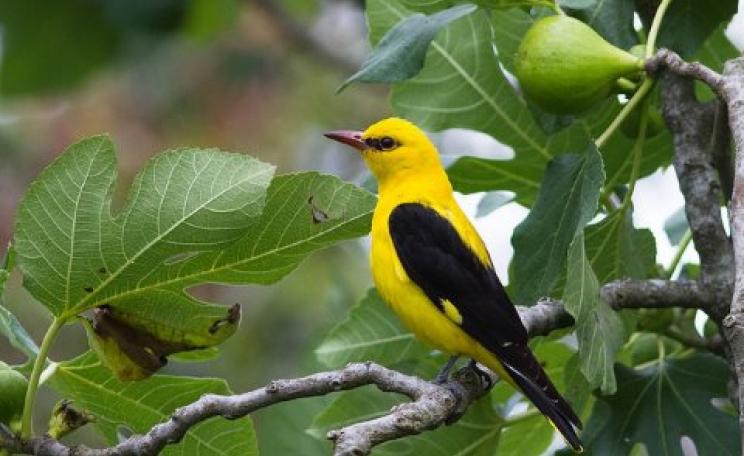
Two new international agreements will help to save migratory birds from hunting, trapping and poisoning, and to protect their long-distance flyways. A key objective is to phase out lead shot within three years, and eliminate the toxic drug diclofenac.