The world is in the grip of a 'fracking frenzy that threatens us for centuries to come with polluted aquifers, runaway climate change, destruction of biodiversity and worthless 'sub-prime' investments. Just as the world must make the transition to a sustainable future, our 'leaders' are determined to make this last losing throw of the fossil fuel dice.
England's 2015 trial badger cull will be moved to summer, writes Damian Carrington - when cubs are numerous and easy to shoot. The surprise move follows 2014's failed autumn culls, which missed their minimum kill targets.
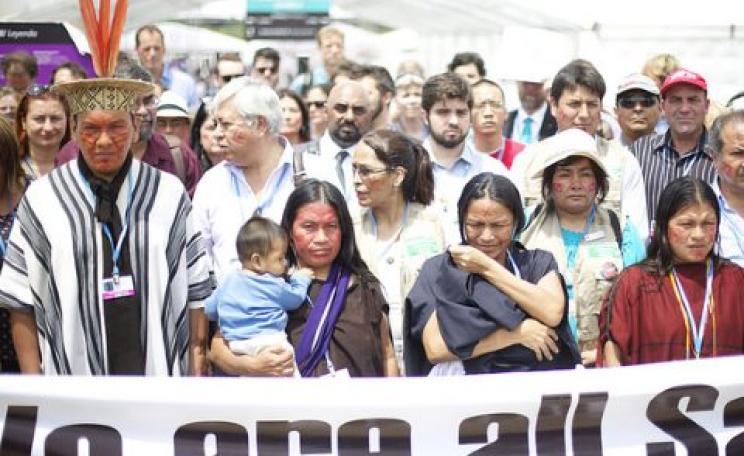
Peru, notorious for its brutal exploitation of forests, oil and minerals, theft of indigenous lands and murder of eco-defenders, is an unlikely host for the COP20 climate talks, writes Alexander Reid Ross. Except that Peru's actions reflect the corporate land-grabbing agenda manifest in the false solutions on offer in Lima this week. It's a time for resistance, not compromise!
Campaigners today today delivered Commission President Juncker a 'birthday card' with 1.1 million signatures from EU citizens. Yes, it really is his birthday today - but the real message was calling on him to back off from negotiations over the TTIP and CETA trade deals with the USA and Canada.
It's the fossil fuel industry's latest stroke of genius - a coal substitute that's cheaper, dirtier and more toxic than coal itself, writes Ben Whitford. The waste product of refining heavy oil from Canada's tar sands, petcoke is stored in open mountains around Chicago's 'Slag Valley', sending plumes of sticky black dust over poor neighborhoods every time the wind blows.
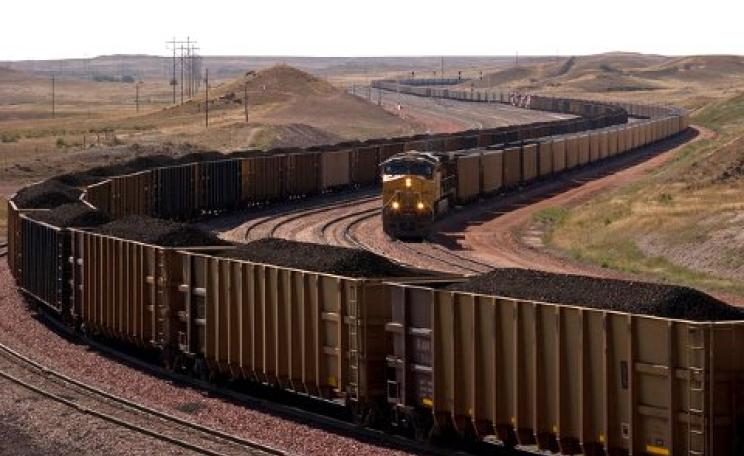
Coal leases on public lands operated by the US Bureau of Land Management are responsible for 40% of US coal production and 14% of total US CO2 emissions, writes Mike Gaworecki - yet their environmental impacts have not been reviewed in 35 years.
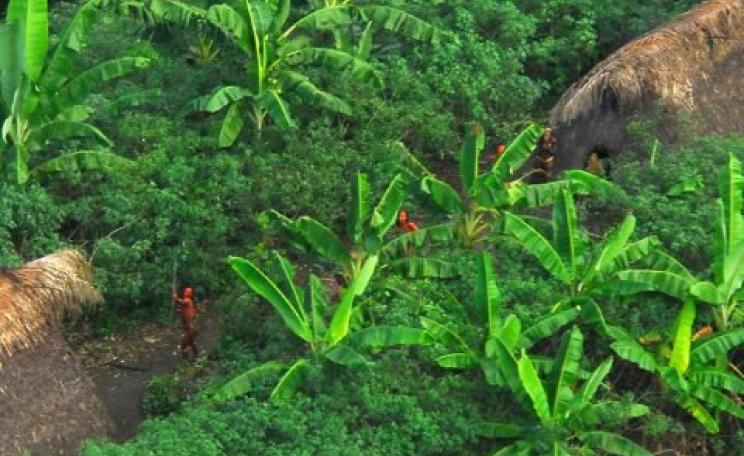
Peru - host of the COP20 UN climate conference now under way in Lima - is facing rebellion by a 3,500 strong indigenous people deep in the Amazon committed to fighting oil exploration in their forest territory, writes David Hill, following the government's failure to consult Matsés communities or respect their rights.
Financed by the World Bank, the Kenya Forest Service has intensified its illegal campaign of evictions, arson, beatings and arrests of the Sengwer forest people of the Embobut forest, Dean Puckett reports from the Cherangani Hills. And behind the violence lies the lure of hard cash - from the prospect of selling the forest's carbon to international financiers.
The expected melting of sea ice in Canada's Arctic Archipelago will progressively render huge areas unable to support viable polar bears populations, writes Tim Radford. By 2100 the polar bears could be pushed out altogether.
As land rights of indigenous peoples are increasingly being violated, writes Tim Radford, new research shows that the planned destruction of the Amazon rainforest is a major threat not only to cultural identity but also to the global climate.
Are recent oil prices slumps caused by OPEC ganging up against tar sand and other high-cost producers? Or a sinister conspiracy to destabilise the Russian economy? Far from it, argue Jemma Green, Mark Andrich and Peter Newman - it's the simple result of an excess of supply over demand. And the low prices will be with us for some time to come.
The UK Government plans to lock consumers into a 2.5bn a year, 15-year spend to support peak-time fossil power generation - while undermining energy demand savings capable of achieving the same purpose more cleanly and cheaply. But today the 'unlawful' system has been hit by an ECJ lawsuit.
After an apparent cave-in to Europe's pesticide industry, the European Food Safety Authority's latest guidance on pesticides conflicts with European law, writes Georgina Downs - by ignoring the real-life agrochemical exposure of rural residents. Commission President Juncker must step in and demand the withdrawal of this disgraceful document.
The year 2014 is on track to be one of the hottest, if not the hottest, on record, according to preliminary estimates by the World Meteorological Organization (WMO). Their latest report, issued today at the UN climate talks in Lima, shows exceptional heat and flooding in many parts of the world.
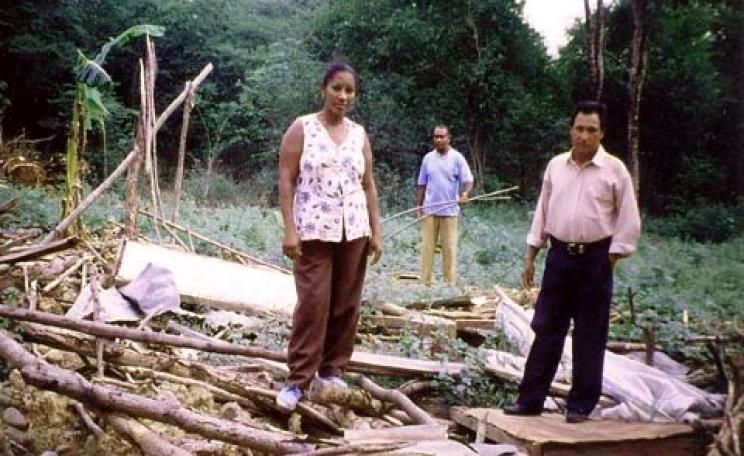
Las Casitas is a small community living on the edge of one of the world's largest coal mines, writes Richard Solly - one inhabited by the descendants of escaped slaves, located in the poorest region of Colombia. The village is under imminent threat of forced displacement by the brutal corporation that runs the Cerrejón coal mine.
The growing popularity of olive oil has driven more intensive systems of olive tree cultivation, writes Kieran Cooke. But they are vulnerable to the kind of extreme weather that has brought pests and disease to olive crops across southern Europe, damaging crops and pushing up prices.
With continuing Coalition in-fighting over the troubled 'zero carbon homes' programme, writes Alex Stevenson, a plan is afoot to allow homes on smaller developments to meet a less demanding energy performance standard - but still carry the 'zero-carbon' label. Critics denounce the plan as 'nonsensical'.
As the Climate Convention's COP20 kicks off in Lima today, FOEE reveals the developed countries cunning plan to evade their legal obligations by hiving them off into unofficial, non-binding documents. But the world can stand up to the 'three card tricksters' - forcing them to cut their emissions, and pay the $100s of billions they owe for the climate damage they have caused.
The increase in meat and dairy consumption is set to cause huge increases in greenhouse gases, reports Tim Radford. A shift to less animal-based diets would cut greenhouse gases, conserve forests and grasslands - and make us all healthier, with reduced obesity, diabetes and associated conditions.
The explosive growth of Afghanistan's heroin production after the Taliban brought the trade to a halt should be no surprise, writes Mike Whitney. It's all part of a lucrative plan whose real objective is to create global instability, disrupt social movements, facilitate resource colonialism, and justify the US's perpetual military presence in far flung corners of the world.
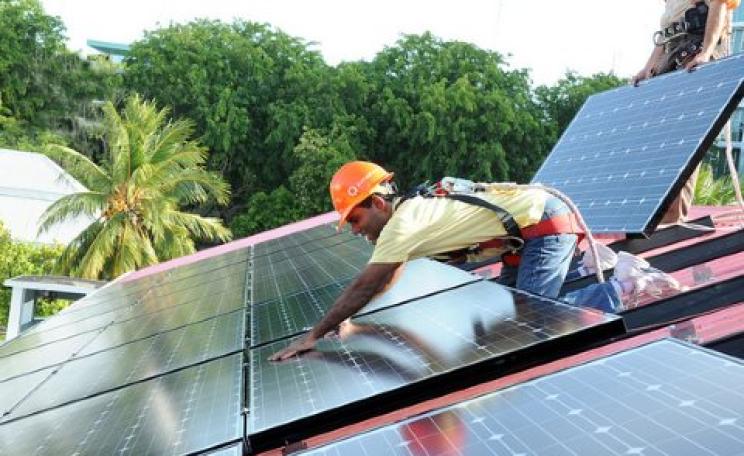
Small scale renewables are - almost un-noticed by policy makers - providing a quarter of the world's electricity, up from 10% in 2000, writes Morgan Saletta. Forget fracking and nuclear - this is the real energy revolution that's under way, and it's cutting big fossil fuel and centralised power grids out of the picture, while reducing emissions and delivering energy security and resilience.
Following Israel's destruction of much of Gaza's civilian infrastructure in Israel's summer 2014 attacks, the territory's drainage systems have been unable to cope with heavy rains, and the UN has declared a state of emergency in Gaza City.
The Earth is on an unavoidable path towards a 1.5°C temperature rise by mid-century, says a new World Bank report. And as Alex Kirby reports, it could reach 4°C by 2100 unless immediate action is taken - with dire impacts on the planet's poorest people.
Two huge open pit mines in northern Norway are on the verge of approval, writes Tina Andersen Vågenes - even though they would dump hundreds of millions of tonnes of tailings in fjords where wild salmon spawn. Scientists are voicing serious concerns, and protests are growing, but government and mining companies appear determined to push the projects forward regardless.